
Finding Quality Home Help for Elderly Loved Ones
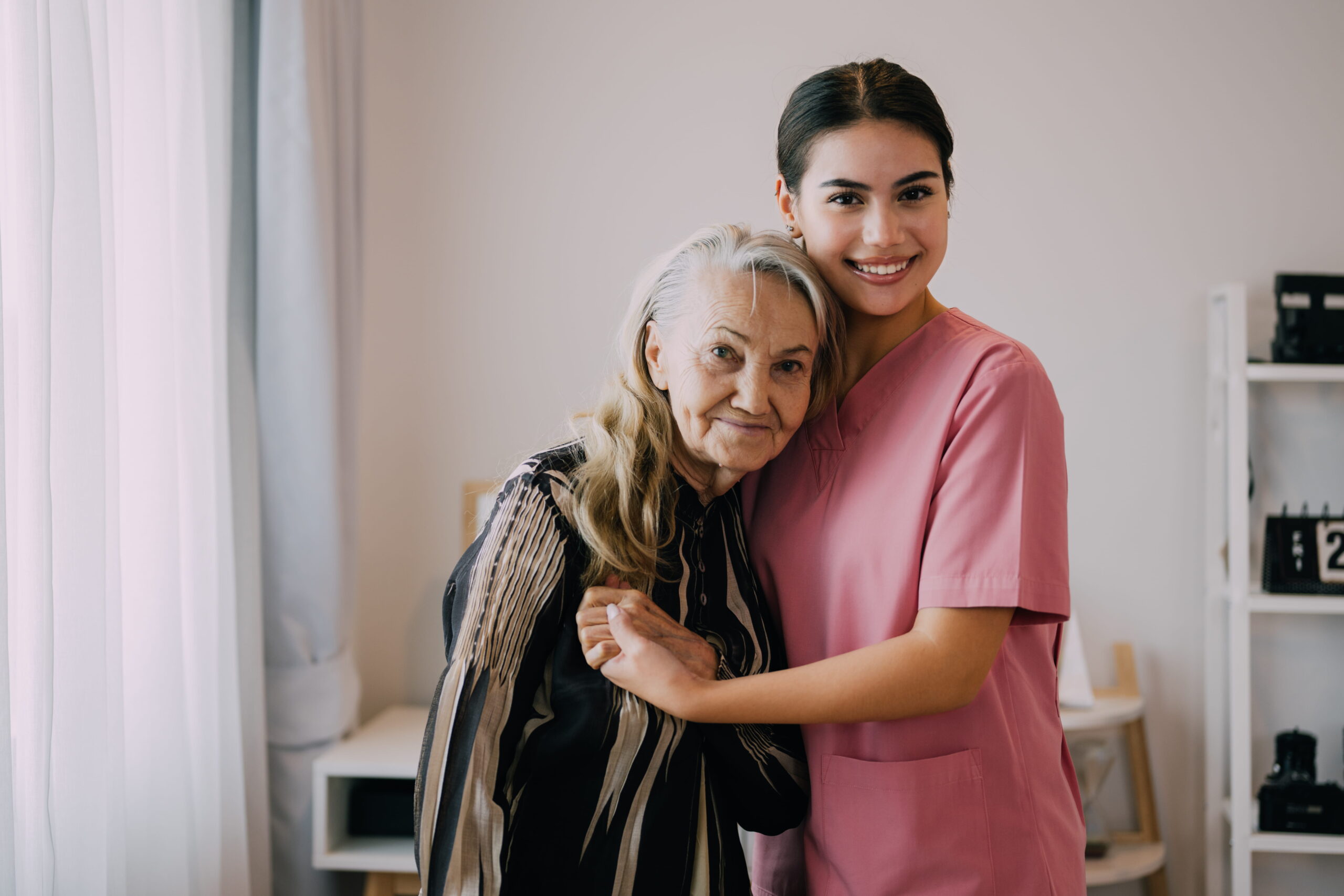 Assessing the Needs of Your Elderly Loved One
Did you know that nearly 90% of seniors want to age in place, yet many struggle with daily tasks? This statistic isn’t just a number; it reflects the reality of countless families navigating the tricky waters of home help for elderly loved ones. Understanding your loved one’s specific needs is not just a good idea—it’s essential.
Imagine your elderly parent, once an active social butterfly, now hesitant to leave the house because they can’t manage stairs or struggle with meal prep. It’s easy to overlook these changes until they become significant hurdles. Assessing their needs isn’t merely about checking off boxes; it’s about truly listening and observing how their daily life has shifted.
Physical Needs: More Than Just Mobility
Let’s talk about physical needs first. It’s not just about whether they can move around; it’s about how those movements affect their quality of life. Are they having trouble getting out of bed? Do they need assistance with bathing or dressing? These questions might feel uncomfortable, but they’re crucial for understanding what type of home help for elderly individuals is necessary.
Consider this: If your mom has arthritis, she may need help with tasks that require fine motor skills, like buttoning her shirt or opening jars. In contrast, if your dad is recovering from a fall, he might need someone to assist him with mobility and physical therapy exercises. Tailoring support to these unique challenges makes all the difference.
Emotional and Social Well-Being
Now let’s tackle the emotional side of things—often overlooked but equally important. Loneliness can be as detrimental as any physical ailment. A study by AARP found that family caregivers often face challenges balancing their own responsibilities with caregiving demands, which can lead to feelings of isolation for both parties involved. How often does your loved one engage in social activities? Do they have friends nearby or hobbies that keep them connected?
Social interaction is vital for mental health!
Home help for elderly isn’t just about physical assistance; it includes companionship too. Sometimes, hiring someone who can simply sit and chat over coffee can significantly enhance your loved one’s mood and overall well-being.
Home Help Versus Home Care: Understanding the Difference
Home help and home care are often used interchangeably but can mean different things. Home help typically involves assistance with daily activities like cleaning and meal preparation, while home care usually refers to medical support provided by professionals like nurses or therapists.
Did you know that nearly 90% of seniors want to age in place, yet many struggle with daily tasks? This statistic isn’t just a number; it reflects the reality of countless families navigating the tricky waters of home help for elderly loved ones. Understanding your loved one’s specific needs is not just a good idea—it’s essential.
Imagine your elderly parent, once an active social butterfly, now hesitant to leave the house because they can’t manage stairs or struggle with meal prep. It’s easy to overlook these changes until they become significant hurdles. Assessing their needs isn’t merely about checking off boxes; it’s about truly listening and observing how their daily life has shifted.
Physical Needs: More Than Just Mobility
Let’s talk about physical needs first. It’s not just about whether they can move around; it’s about how those movements affect their quality of life. Are they having trouble getting out of bed? Do they need assistance with bathing or dressing? These questions might feel uncomfortable, but they’re crucial for understanding what type of home help for elderly individuals is necessary.
Consider this: If your mom has arthritis, she may need help with tasks that require fine motor skills, like buttoning her shirt or opening jars. In contrast, if your dad is recovering from a fall, he might need someone to assist him with mobility and physical therapy exercises. Tailoring support to these unique challenges makes all the difference.
Emotional and Social Well-Being
Now let’s tackle the emotional side of things—often overlooked but equally important. Loneliness can be as detrimental as any physical ailment. A study by AARP found that family caregivers often face challenges balancing their own responsibilities with caregiving demands, which can lead to feelings of isolation for both parties involved. How often does your loved one engage in social activities? Do they have friends nearby or hobbies that keep them connected?
Social interaction is vital for mental health!
Home help for elderly isn’t just about physical assistance; it includes companionship too. Sometimes, hiring someone who can simply sit and chat over coffee can significantly enhance your loved one’s mood and overall well-being.
Home Help Versus Home Care: Understanding the Difference
Home help and home care are often used interchangeably but can mean different things. Home help typically involves assistance with daily activities like cleaning and meal preparation, while home care usually refers to medical support provided by professionals like nurses or therapists.
Understanding Different Types of Home Help Services
Choosing the right type of home help for elderly loved ones can feel like navigating a maze without a map. With over 12 million seniors relying on some form of home assistance, it’s crucial to know what options are available—and which ones fit your loved one’s unique needs.
Personal Care Services
Personal care services are like having a trusted sidekick for daily activities. These services focus on assisting with personal hygiene, dressing, and mobility—basically, the essentials that keep your loved one feeling dignified and comfortable. Imagine your dad needing help with showering after hip surgery; a personal caregiver can ensure he stays safe while regaining his independence.
Companionship Services
Companionship services are often the unsung heroes in home help for elderly individuals. These caregivers provide emotional support and social interaction—think of them as the friends who come over to play cards or share stories over tea. For seniors battling loneliness, this type of service can be a game-changer. A cheerful chat about old times can boost mood and mental health significantly!
Homemaking Services
Homemaking services cover the nitty-gritty tasks that make a house feel like home—cleaning, laundry, meal preparation. If your elderly aunt struggles to keep her living space tidy or cook nutritious meals, hiring someone to handle these tasks can relieve her stress and allow her to focus on what she loves—like gardening or reading.
Skilled Nursing Care
Skilled nursing care sounds fancy, but it’s essential for those needing more than just companionship or light assistance. This service is typically provided by licensed professionals who can manage medications, wound care, or physical therapy exercises at home. Think about it: if your mom has diabetes and requires regular monitoring, having a skilled nurse visit her can ensure she stays healthy without frequent hospital visits.
Respite care is another important aspect worth mentioning. It offers temporary relief for family caregivers who need a break from their responsibilities. Whether it’s just for an afternoon or longer periods, this service ensures that both the caregiver and their loved one receive proper attention without feeling overwhelmed.
The right type of home help isn’t just about assistance; it’s about enhancing quality of life.
As you explore options for home help for elderly individuals in your life, consider their specific needs and preferences. Each type of service plays a vital role in promoting independence while ensuring safety and comfort at home.
Choosing the right type of home help for elderly loved ones can feel like navigating a maze without a map. With over 12 million seniors relying on some form of home assistance, it’s crucial to know what options are available—and which ones fit your loved one’s unique needs.
Personal Care Services
Personal care services are like having a trusted sidekick for daily activities. These services focus on assisting with personal hygiene, dressing, and mobility—basically, the essentials that keep your loved one feeling dignified and comfortable. Imagine your dad needing help with showering after hip surgery; a personal caregiver can ensure he stays safe while regaining his independence.
Companionship Services
Companionship services are often the unsung heroes in home help for elderly individuals. These caregivers provide emotional support and social interaction—think of them as the friends who come over to play cards or share stories over tea. For seniors battling loneliness, this type of service can be a game-changer. A cheerful chat about old times can boost mood and mental health significantly!
Homemaking Services
Homemaking services cover the nitty-gritty tasks that make a house feel like home—cleaning, laundry, meal preparation. If your elderly aunt struggles to keep her living space tidy or cook nutritious meals, hiring someone to handle these tasks can relieve her stress and allow her to focus on what she loves—like gardening or reading.
Skilled Nursing Care
Skilled nursing care sounds fancy, but it’s essential for those needing more than just companionship or light assistance. This service is typically provided by licensed professionals who can manage medications, wound care, or physical therapy exercises at home. Think about it: if your mom has diabetes and requires regular monitoring, having a skilled nurse visit her can ensure she stays healthy without frequent hospital visits.
Respite care is another important aspect worth mentioning. It offers temporary relief for family caregivers who need a break from their responsibilities. Whether it’s just for an afternoon or longer periods, this service ensures that both the caregiver and their loved one receive proper attention without feeling overwhelmed.
The right type of home help isn’t just about assistance; it’s about enhancing quality of life.
As you explore options for home help for elderly individuals in your life, consider their specific needs and preferences. Each type of service plays a vital role in promoting independence while ensuring safety and comfort at home.
 Evaluating Caregiver Qualifications and Experience
When it comes to finding quality home help for elderly loved ones, the qualifications and experience of caregivers can make or break the entire experience. A staggering 70% of family caregivers report feeling overwhelmed by their responsibilities—often due to a lack of trust in the help they hire.
Let’s consider a scenario: you’ve finally decided to bring in a caregiver for your dad, who has been struggling with daily tasks since his stroke. You’re excited but also anxious. Will this person truly understand his needs? Can they handle his medication schedule without turning it into a game of guess what goes where?
What to Look For in Qualifications
First things first, qualifications matter. Look for caregivers who have relevant certifications—think Certified Nursing Assistant (CNA) or Home Health Aide (HHA). These credentials indicate that they’ve completed training programs covering essential skills like personal care, mobility assistance, and basic medical knowledge. It’s not just a piece of paper; it’s a signal that they know what they’re doing.
But don’t stop there! Ask about their specific experience with similar situations. If your loved one has Alzheimer’s, for instance, you’ll want someone who has worked with dementia patients before. This ensures they’re not only qualified but also equipped to handle the unique challenges that may arise.
Experience: The Secret Sauce
Experience is the secret sauce that can transform an average caregiver into an exceptional one. It’s like hiring a chef—sure, anyone can follow a recipe, but only those with years in the kitchen know how to improvise when things go awry.
- Ask about years in the field: More experience often means more confidence and problem-solving skills.
- Request references or testimonials: Hearing from families they’ve worked with can provide invaluable insights.
- Inquire about ongoing training: Caregiving is an evolving field; those who stay updated on best practices are usually more reliable.
Finally, don’t underestimate the importance of soft skills like empathy and communication. A qualified caregiver might have all the right credentials but if they lack compassion or struggle to connect with your loved one on a personal level, it could lead to frustration on both sides.
The evaluation process doesn’t stop at qualifications and experience; it’s also about finding someone whose personality meshes well with your loved one. Think about it—would you want someone who treats them like just another job? Or someone who genuinely cares about their well-being?
As you sift through potential caregivers for home help for elderly family members, keep these factors top-of-mind. It’s not just about checking boxes; it’s about ensuring your loved one receives care that is respectful, compassionate, and tailored to their unique needs.
When it comes to finding quality home help for elderly loved ones, the qualifications and experience of caregivers can make or break the entire experience. A staggering 70% of family caregivers report feeling overwhelmed by their responsibilities—often due to a lack of trust in the help they hire.
Let’s consider a scenario: you’ve finally decided to bring in a caregiver for your dad, who has been struggling with daily tasks since his stroke. You’re excited but also anxious. Will this person truly understand his needs? Can they handle his medication schedule without turning it into a game of guess what goes where?
What to Look For in Qualifications
First things first, qualifications matter. Look for caregivers who have relevant certifications—think Certified Nursing Assistant (CNA) or Home Health Aide (HHA). These credentials indicate that they’ve completed training programs covering essential skills like personal care, mobility assistance, and basic medical knowledge. It’s not just a piece of paper; it’s a signal that they know what they’re doing.
But don’t stop there! Ask about their specific experience with similar situations. If your loved one has Alzheimer’s, for instance, you’ll want someone who has worked with dementia patients before. This ensures they’re not only qualified but also equipped to handle the unique challenges that may arise.
Experience: The Secret Sauce
Experience is the secret sauce that can transform an average caregiver into an exceptional one. It’s like hiring a chef—sure, anyone can follow a recipe, but only those with years in the kitchen know how to improvise when things go awry.
- Ask about years in the field: More experience often means more confidence and problem-solving skills.
- Request references or testimonials: Hearing from families they’ve worked with can provide invaluable insights.
- Inquire about ongoing training: Caregiving is an evolving field; those who stay updated on best practices are usually more reliable.
Finally, don’t underestimate the importance of soft skills like empathy and communication. A qualified caregiver might have all the right credentials but if they lack compassion or struggle to connect with your loved one on a personal level, it could lead to frustration on both sides.
The evaluation process doesn’t stop at qualifications and experience; it’s also about finding someone whose personality meshes well with your loved one. Think about it—would you want someone who treats them like just another job? Or someone who genuinely cares about their well-being?
As you sift through potential caregivers for home help for elderly family members, keep these factors top-of-mind. It’s not just about checking boxes; it’s about ensuring your loved one receives care that is respectful, compassionate, and tailored to their unique needs.
Establishing a Care Plan Tailored to Individual Needs
Imagine your elderly loved one, once the life of the party, now hesitant to socialize because daily tasks have become overwhelming. This is a reality for many families navigating home help for elderly individuals. Crafting a personalized care plan isn’t just beneficial; it’s essential for restoring their independence and joy.
Step 1: Conduct a Comprehensive Assessment
Start by conducting a thorough assessment of your loved one’s physical, emotional, and social needs. This means more than just asking them what they need; it involves observing their daily routines and understanding their challenges. For instance, if your mom struggles with mobility due to arthritis, she may require assistance with tasks that involve bending or reaching. Document these observations—they’re vital for creating an effective care plan.
Step 2: Involve Your Loved One in the Planning
Involving your loved one in the planning process is crucial. After all, they are the ones who will be living with this plan! Ask them what activities they enjoy and how they envision their day-to-day life with home help. Perhaps they love gardening but can no longer manage it alone—this insight can guide you in selecting caregivers who not only assist but also engage them in activities that bring joy.
A care plan should feel like a collaborative effort rather than a set of imposed rules.
Step 3: Identify Specific Services Needed
Next up is identifying specific services that will fulfill those needs. This could range from personal care services like bathing and dressing to companionship services that combat loneliness. If your dad needs help managing his medications, ensure you include skilled nursing care in the mix. Tailoring these services will enhance his quality of life significantly.
Step 4: Set Clear Goals and Expectations
Goals? Yes, please! Setting clear goals helps everyone stay on track and measure progress. Whether it’s improving mobility or increasing social interactions, having specific targets can motivate both your loved one and their caregivers. Regular check-ins can help assess what’s working and what might need adjustment.
Adjustments are part of the journey; flexibility is key!
(Optional) Step 5: Communicate Regularly with Caregivers
Communication is vital! Establish open lines between you, your loved one, and their caregivers to discuss any changes or concerns promptly. This ensures everyone remains aligned with the care plan and can adapt as needed.
Creating a tailored care plan for home help for elderly individuals involves thoughtful consideration of their unique needs and preferences. By following these steps, you’ll ensure that your loved one receives compassionate support that enhances their quality of life while maintaining dignity at home.
Imagine your elderly loved one, once the life of the party, now hesitant to socialize because daily tasks have become overwhelming. This is a reality for many families navigating home help for elderly individuals. Crafting a personalized care plan isn’t just beneficial; it’s essential for restoring their independence and joy.
Step 1: Conduct a Comprehensive Assessment
Start by conducting a thorough assessment of your loved one’s physical, emotional, and social needs. This means more than just asking them what they need; it involves observing their daily routines and understanding their challenges. For instance, if your mom struggles with mobility due to arthritis, she may require assistance with tasks that involve bending or reaching. Document these observations—they’re vital for creating an effective care plan.
Step 2: Involve Your Loved One in the Planning
Involving your loved one in the planning process is crucial. After all, they are the ones who will be living with this plan! Ask them what activities they enjoy and how they envision their day-to-day life with home help. Perhaps they love gardening but can no longer manage it alone—this insight can guide you in selecting caregivers who not only assist but also engage them in activities that bring joy.
A care plan should feel like a collaborative effort rather than a set of imposed rules.
Step 3: Identify Specific Services Needed
Next up is identifying specific services that will fulfill those needs. This could range from personal care services like bathing and dressing to companionship services that combat loneliness. If your dad needs help managing his medications, ensure you include skilled nursing care in the mix. Tailoring these services will enhance his quality of life significantly.
Step 4: Set Clear Goals and Expectations
Goals? Yes, please! Setting clear goals helps everyone stay on track and measure progress. Whether it’s improving mobility or increasing social interactions, having specific targets can motivate both your loved one and their caregivers. Regular check-ins can help assess what’s working and what might need adjustment.
Adjustments are part of the journey; flexibility is key!
(Optional) Step 5: Communicate Regularly with Caregivers
Communication is vital! Establish open lines between you, your loved one, and their caregivers to discuss any changes or concerns promptly. This ensures everyone remains aligned with the care plan and can adapt as needed.
Creating a tailored care plan for home help for elderly individuals involves thoughtful consideration of their unique needs and preferences. By following these steps, you’ll ensure that your loved one receives compassionate support that enhances their quality of life while maintaining dignity at home.

Navigating Financial Considerations for Home Help
Here’s a reality check: nearly 70% of families underestimate the cost of home help for elderly loved ones, leading to unexpected financial strain. It’s a bit like planning a vacation and forgetting to budget for souvenirs—suddenly, you’re left scrambling to cover expenses you didn’t see coming.
Consider the case of Sarah, who thought hiring help for her elderly father would be a straightforward expense. She budgeted for basic services but didn’t account for the additional costs of specialized care or emergency medical visits. By the end of the year, she found herself knee-deep in bills and wondering where it all went wrong.
Understanding Costs: What to Expect
When diving into home help options, it’s crucial to understand what you’re getting into financially. The cost can vary widely based on several factors:
- Type of service: Personal care is usually less expensive than skilled nursing.
- Duration and frequency: Daily visits will rack up costs faster than weekly ones.
- Location: Urban areas often see higher rates than rural regions.
Tip: Always ask about hidden fees—like travel costs or administrative charges—that can sneak up on you.
Insurance and Financial Assistance
Will my insurance cover this? is a question that often hangs in the air like an awkward silence at a family dinner. Many families are surprised to learn that Medicare doesn’t typically cover home help for elderly individuals unless it’s part of skilled nursing care after hospitalization. Long-term care insurance might offer some relief, but policies vary widely.
Aging in place grants and local assistance programs can also provide financial support. For instance, some states have initiatives designed to help families afford home modifications or services—think grab bars or meal delivery systems that keep your loved one safe and healthy at home.
DIY Home Help Solutions
But what if I could do it myself? is a tempting thought when considering costs. Family members often step up to fill gaps, whether it’s cooking meals or running errands. While this can be an effective short-term solution, it’s essential to recognize the potential emotional toll on caregivers. Burnout is real—and expensive in its own way!
Navigating financial considerations for home help requires careful planning and awareness. As you explore options, keep an eye out for hidden costs while also considering community resources that may alleviate some burden. Remember, investing in quality care now can lead to peace of mind later—both for you and your loved one!
Here’s a reality check: nearly 70% of families underestimate the cost of home help for elderly loved ones, leading to unexpected financial strain. It’s a bit like planning a vacation and forgetting to budget for souvenirs—suddenly, you’re left scrambling to cover expenses you didn’t see coming.
Consider the case of Sarah, who thought hiring help for her elderly father would be a straightforward expense. She budgeted for basic services but didn’t account for the additional costs of specialized care or emergency medical visits. By the end of the year, she found herself knee-deep in bills and wondering where it all went wrong.
Understanding Costs: What to Expect
When diving into home help options, it’s crucial to understand what you’re getting into financially. The cost can vary widely based on several factors:
- Type of service: Personal care is usually less expensive than skilled nursing.
- Duration and frequency: Daily visits will rack up costs faster than weekly ones.
- Location: Urban areas often see higher rates than rural regions.
Tip: Always ask about hidden fees—like travel costs or administrative charges—that can sneak up on you.
Insurance and Financial Assistance
Will my insurance cover this? is a question that often hangs in the air like an awkward silence at a family dinner. Many families are surprised to learn that Medicare doesn’t typically cover home help for elderly individuals unless it’s part of skilled nursing care after hospitalization. Long-term care insurance might offer some relief, but policies vary widely.
Aging in place grants and local assistance programs can also provide financial support. For instance, some states have initiatives designed to help families afford home modifications or services—think grab bars or meal delivery systems that keep your loved one safe and healthy at home.
DIY Home Help Solutions
But what if I could do it myself? is a tempting thought when considering costs. Family members often step up to fill gaps, whether it’s cooking meals or running errands. While this can be an effective short-term solution, it’s essential to recognize the potential emotional toll on caregivers. Burnout is real—and expensive in its own way!
Navigating financial considerations for home help requires careful planning and awareness. As you explore options, keep an eye out for hidden costs while also considering community resources that may alleviate some burden. Remember, investing in quality care now can lead to peace of mind later—both for you and your loved one!
Creating a Supportive Environment for Caregivers
Did you know that nearly 50% of family caregivers report feeling overwhelmed? That’s not just a number; it’s a reality that hits home for many families navigating the complexities of home help for elderly loved ones. Imagine juggling your job, kids, and the demands of caring for an aging parent—it’s like trying to balance on a tightrope while blindfolded.
Creating a supportive environment for caregivers isn’t just a nice-to-have; it’s essential. If your mom is helping your dad manage his Alzheimer’s, her emotional and physical well-being affects them both. A stressed caregiver can lead to burnout, which ultimately impacts the quality of care provided. So how do we tackle this?
1. Open Lines of Communication
Communication is key! Regular check-ins can make all the difference. It’s not just about logistics; it’s about emotional support too. Ask your caregiver how they’re feeling—are they overwhelmed? Do they need more help? This creates an open dialogue where concerns can be addressed before they snowball into bigger issues.
2. Establish Boundaries
Setting boundaries is crucial in preventing caregiver burnout. Encourage caregivers to take time off when needed and respect their personal space. It’s easy to forget that they’re people too, with lives outside of caregiving responsibilities. A little me time can recharge their batteries and ultimately benefit everyone involved.
3. Provide Resources and Training
Knowledge is power isn’t just a catchy phrase—it’s vital for caregivers managing complex needs. Providing training or resources can empower them to handle specific challenges better, whether it’s understanding dementia behaviors or learning effective communication strategies with seniors.
Investing in caregiver training leads to better care outcomes!
.4 Offer Emotional Support
You can’t pour from an empty cup rings true in caregiving scenarios. Encouraging caregivers to seek emotional support through support groups or counseling services can provide them with outlets for their feelings and experiences—something that often gets bottled up.
Did you know that nearly 50% of family caregivers report feeling overwhelmed? That’s not just a number; it’s a reality that hits home for many families navigating the complexities of home help for elderly loved ones. Imagine juggling your job, kids, and the demands of caring for an aging parent—it’s like trying to balance on a tightrope while blindfolded.
Creating a supportive environment for caregivers isn’t just a nice-to-have; it’s essential. If your mom is helping your dad manage his Alzheimer’s, her emotional and physical well-being affects them both. A stressed caregiver can lead to burnout, which ultimately impacts the quality of care provided. So how do we tackle this?
1. Open Lines of Communication
Communication is key! Regular check-ins can make all the difference. It’s not just about logistics; it’s about emotional support too. Ask your caregiver how they’re feeling—are they overwhelmed? Do they need more help? This creates an open dialogue where concerns can be addressed before they snowball into bigger issues.
2. Establish Boundaries
Setting boundaries is crucial in preventing caregiver burnout. Encourage caregivers to take time off when needed and respect their personal space. It’s easy to forget that they’re people too, with lives outside of caregiving responsibilities. A little me time can recharge their batteries and ultimately benefit everyone involved.
3. Provide Resources and Training
Knowledge is power isn’t just a catchy phrase—it’s vital for caregivers managing complex needs. Providing training or resources can empower them to handle specific challenges better, whether it’s understanding dementia behaviors or learning effective communication strategies with seniors.
Investing in caregiver training leads to better care outcomes!
.4 Offer Emotional Support
You can’t pour from an empty cup rings true in caregiving scenarios. Encouraging caregivers to seek emotional support through support groups or counseling services can provide them with outlets for their feelings and experiences—something that often gets bottled up.

Monitoring Care Quality and Making Adjustments
Here’s a hard truth: over 50% of families report dissatisfaction with the quality of care their elderly loved ones receive at home. That’s not just a statistic; it’s a wake-up call for anyone navigating the world of home help for elderly individuals. If you think hiring help is a one-and-done deal, think again!
Imagine this: your mom’s caregiver seems friendly and competent, but after a few weeks, you notice your mom is more withdrawn and less engaged in her favorite activities. What gives? Monitoring care quality isn’t just about checking in occasionally; it requires active involvement and ongoing assessment.
How to Monitor Care Quality
Keep your eyes peeled for signs that indicate whether the care being provided meets your loved one’s needs. Here are some actionable steps to ensure everything is running smoothly:
- Regularly check in with your loved one—ask direct questions about their experience.
- Observe interactions between the caregiver and your loved one—are they respectful and attentive?
- Look for changes in mood or behavior that may signal dissatisfaction.
- Review daily logs or reports if provided by the caregiver agency.
Pro Tip: Keep an open line of communication with both your loved one and their caregiver to foster transparency.
Making Adjustments When Needed
Adjusting course might sound like something out of a business meeting, but it’s essential in caregiving too. If you spot issues during your monitoring phase, don’t hesitate to make changes! This could mean switching caregivers or altering the type of services provided.
Let’s say you realize that while the caregiver is great at cooking meals, they struggle with keeping your dad engaged. It might be time to consider adding companionship services to the mix or even finding someone who shares similar interests with him.
The Check-In Process
Ultimately, monitoring care quality isn’t just about ensuring tasks are completed; it’s about nurturing relationships and maintaining dignity for your loved ones. As you navigate this journey, remember that adjustments are not failures—they’re opportunities for growth!
Here’s a hard truth: over 50% of families report dissatisfaction with the quality of care their elderly loved ones receive at home. That’s not just a statistic; it’s a wake-up call for anyone navigating the world of home help for elderly individuals. If you think hiring help is a one-and-done deal, think again!
Imagine this: your mom’s caregiver seems friendly and competent, but after a few weeks, you notice your mom is more withdrawn and less engaged in her favorite activities. What gives? Monitoring care quality isn’t just about checking in occasionally; it requires active involvement and ongoing assessment.
How to Monitor Care Quality
Keep your eyes peeled for signs that indicate whether the care being provided meets your loved one’s needs. Here are some actionable steps to ensure everything is running smoothly:
- Regularly check in with your loved one—ask direct questions about their experience.
- Observe interactions between the caregiver and your loved one—are they respectful and attentive?
- Look for changes in mood or behavior that may signal dissatisfaction.
- Review daily logs or reports if provided by the caregiver agency.
Pro Tip: Keep an open line of communication with both your loved one and their caregiver to foster transparency.
Making Adjustments When Needed
Adjusting course might sound like something out of a business meeting, but it’s essential in caregiving too. If you spot issues during your monitoring phase, don’t hesitate to make changes! This could mean switching caregivers or altering the type of services provided.
Let’s say you realize that while the caregiver is great at cooking meals, they struggle with keeping your dad engaged. It might be time to consider adding companionship services to the mix or even finding someone who shares similar interests with him.
The Check-In Process
Ultimately, monitoring care quality isn’t just about ensuring tasks are completed; it’s about nurturing relationships and maintaining dignity for your loved ones. As you navigate this journey, remember that adjustments are not failures—they’re opportunities for growth!