
Comprehensive Elderly Care Solutions: What You Need to Know

Understanding the Spectrum of Elderly Care Services
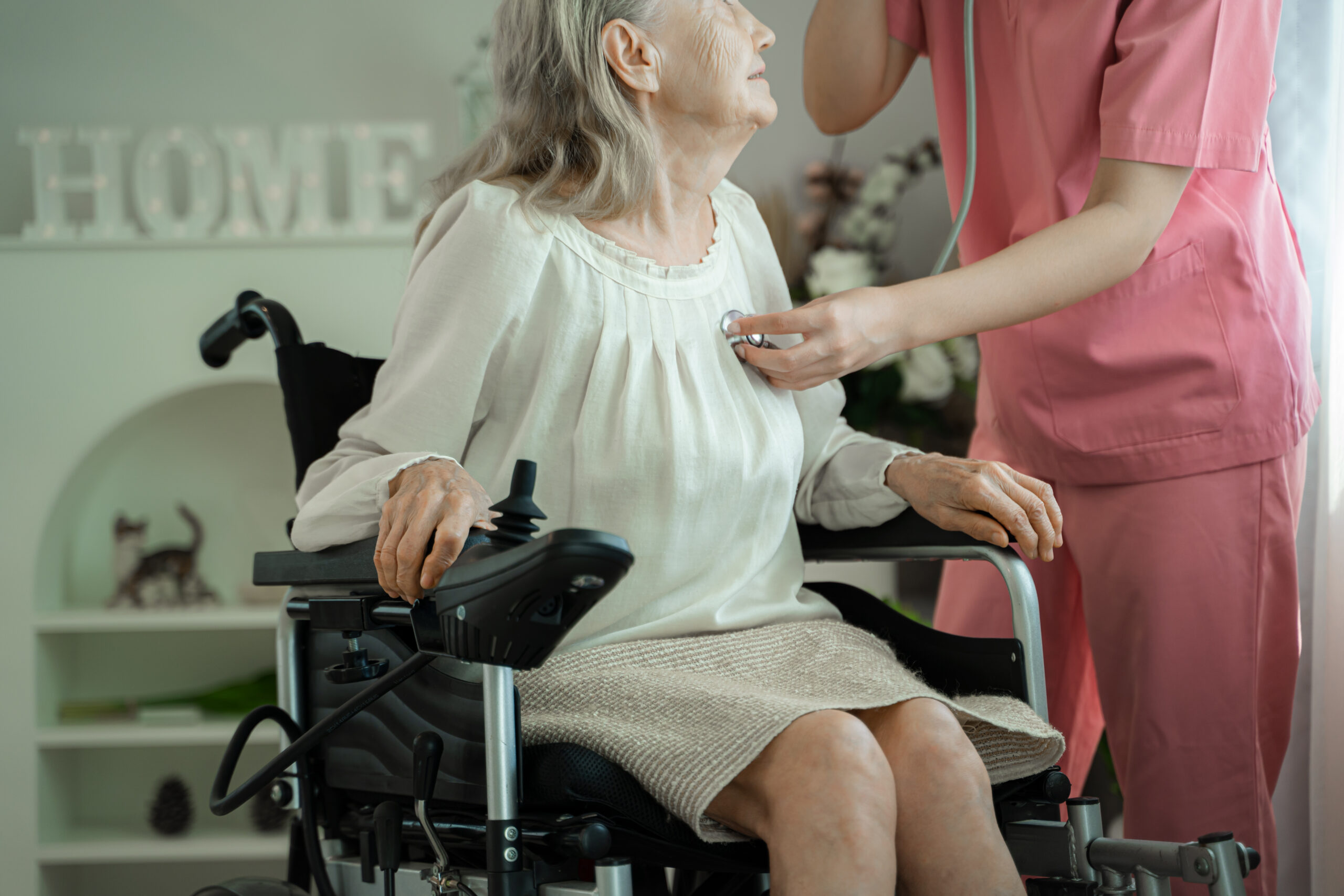
When it comes to elderly care, the options can feel as overwhelming as a buffet with too many choices. You want to make the best decision for your loved one, but where do you even start? With nearly 90% of seniors preferring to age at home, understanding the spectrum of care services available is crucial.
In-Home Care: The Comfort Zone
In-home care is like having a personal assistant who not only helps with daily tasks but also brings a comforting presence. This type of service can range from companionship and light housekeeping to more specialized medical assistance. For instance, imagine a scenario where an elderly gentleman named Mr. Thompson requires help managing his diabetes. A trained caregiver can assist him in monitoring his blood sugar levels while also preparing nutritious meals tailored to his needs.
Assisted Living: The Community Approach
If your loved one enjoys socializing but needs some assistance with daily activities, assisted living facilities might be the perfect fit. These communities offer a blend of independence and support. Picture this: your mom moves into an assisted living community where she has her own apartment but can join daily bingo games and movie nights without worrying about cooking or cleaning.
- 24/7 staff availability for emergencies.
- Access to recreational activities and social events.
- Personalized care plans based on individual needs.
Nursing Homes: For Intensive Care Needs
Nursing homes often conjure images of sterile environments, but they provide critical care for individuals who require round-the-clock medical supervision. Think about someone recovering from surgery or dealing with chronic illnesses—this is where nursing homes shine. They offer skilled nursing care, rehabilitation services, and often have doctors on-site to ensure that residents receive comprehensive support.
When it comes to elderly care, the options can feel as overwhelming as a buffet with too many choices. You want to make the best decision for your loved one, but where do you even start? With nearly 90% of seniors preferring to age at home, understanding the spectrum of care services available is crucial.
In-Home Care: The Comfort Zone
In-home care is like having a personal assistant who not only helps with daily tasks but also brings a comforting presence. This type of service can range from companionship and light housekeeping to more specialized medical assistance. For instance, imagine a scenario where an elderly gentleman named Mr. Thompson requires help managing his diabetes. A trained caregiver can assist him in monitoring his blood sugar levels while also preparing nutritious meals tailored to his needs.
Assisted Living: The Community Approach
If your loved one enjoys socializing but needs some assistance with daily activities, assisted living facilities might be the perfect fit. These communities offer a blend of independence and support. Picture this: your mom moves into an assisted living community where she has her own apartment but can join daily bingo games and movie nights without worrying about cooking or cleaning.
- 24/7 staff availability for emergencies.
- Access to recreational activities and social events.
- Personalized care plans based on individual needs.
Nursing Homes: For Intensive Care Needs
Nursing homes often conjure images of sterile environments, but they provide critical care for individuals who require round-the-clock medical supervision. Think about someone recovering from surgery or dealing with chronic illnesses—this is where nursing homes shine. They offer skilled nursing care, rehabilitation services, and often have doctors on-site to ensure that residents receive comprehensive support.
Evaluating Individual Needs for Tailored Care Plans
A staggering 70% of seniors will need some form of long-term care in their lifetime, yet many families still approach elderly care like a game of darts—blindly hoping to hit the target. This can lead to mismatched care plans that don’t address the unique needs of your loved ones.
Consider the case of Mrs. Johnson, an active 82-year-old who loves gardening but struggles with arthritis. A cookie-cutter care plan that focuses solely on physical assistance might overlook her emotional and social needs. Instead, a tailored plan could include help with gardening tasks and scheduled visits from companions who share her passion for plants.
Understanding Individual Needs
Every senior is unique, and their care plans should reflect that. Factors such as medical history, personal preferences, and lifestyle choices all play a role in crafting an effective elderly care strategy. It’s crucial to conduct thorough assessments that go beyond just health metrics.
- Physical health: Chronic conditions, mobility issues, medications.
- Mental health: Cognitive impairments, emotional well-being.
- Social needs: Desire for companionship, hobbies, community involvement.
- Environmental factors: Living situation, safety concerns.
Creating a Tailored Care Plan
One-size-fits-all is a phrase best left in the fashion industry. In elderly care, customization is key. Here’s how to create a tailored plan:
- Conduct a comprehensive assessment involving healthcare professionals and family members.
- Interview your loved one about their preferences—what makes them feel comfortable?
- […] Collaborate with caregivers to develop strategies that align with the individual’s lifestyle.
- …Regularly review and adjust the plan based on feedback and changing needs.
Tailored care plans can significantly improve quality of life by addressing both physical and emotional needs.
A staggering 70% of seniors will need some form of long-term care in their lifetime, yet many families still approach elderly care like a game of darts—blindly hoping to hit the target. This can lead to mismatched care plans that don’t address the unique needs of your loved ones.
Consider the case of Mrs. Johnson, an active 82-year-old who loves gardening but struggles with arthritis. A cookie-cutter care plan that focuses solely on physical assistance might overlook her emotional and social needs. Instead, a tailored plan could include help with gardening tasks and scheduled visits from companions who share her passion for plants.
Understanding Individual Needs
Every senior is unique, and their care plans should reflect that. Factors such as medical history, personal preferences, and lifestyle choices all play a role in crafting an effective elderly care strategy. It’s crucial to conduct thorough assessments that go beyond just health metrics.
- Physical health: Chronic conditions, mobility issues, medications.
- Mental health: Cognitive impairments, emotional well-being.
- Social needs: Desire for companionship, hobbies, community involvement.
- Environmental factors: Living situation, safety concerns.
Creating a Tailored Care Plan
One-size-fits-all is a phrase best left in the fashion industry. In elderly care, customization is key. Here’s how to create a tailored plan:
- Conduct a comprehensive assessment involving healthcare professionals and family members.
- Interview your loved one about their preferences—what makes them feel comfortable?
- […] Collaborate with caregivers to develop strategies that align with the individual’s lifestyle.
- …Regularly review and adjust the plan based on feedback and changing needs.
Tailored care plans can significantly improve quality of life by addressing both physical and emotional needs.
Navigating Financial Considerations in Elderly Care
Brace yourself: the average cost of elderly care can hit upwards of ,500 a month. That’s like paying a mortgage for a house you don’t even live in! With such staggering figures, it’s no wonder families are feeling the financial pinch.
Take the case of the Martinez family. They thought they were prepared for their father’s transition to assisted living, but when they saw the monthly fees, their plans quickly unraveled. Suddenly, their budget felt like it was on a rollercoaster—up one moment and down the next—leaving them scrambling for solutions.
Understanding Costs: Breaking Down the Numbers
Let’s get into the nitty-gritty of costs associated with elderly care. It’s not just about monthly fees; there are hidden expenses lurking around every corner. Here’s what to keep an eye on:
- 0 – 0 per day for skilled nursing facilities.
- ,000 – ,000 per month for in-home care services.
- 0 – ,500 for medical supplies and equipment.
- 0+ per month for medications.
Important: Always factor in potential increases in care needs over time!
Financial Assistance Options
Feeling overwhelmed? You’re not alone! Luckily, there are resources out there to help lighten the load. Here’s a quick rundown of some financial assistance options available:
- Medicaid: A state and federal program that can cover long-term care costs based on income and assets.
- Veterans Benefits: If your loved one is a veteran, they may qualify for aid through programs specifically designed for military families.
- Long-term Care Insurance: Policies that can help cover costs but make sure to read the fine print!
- Community Programs: Local non-profits or government initiatives may offer subsidies or assistance.
(Re)Evaluating Your Financial Strategy
(Re)evaluating your financial strategy is crucial as needs change over time. Regular check-ins can help you adjust your approach based on current circumstances. Ask yourself these questions:
- Are there any unexpected expenses that have come up?
- How has my loved one’s health status changed?
- What additional resources might be available?
Ultimately, navigating financial considerations in elderly care isn’t just about numbers; it’s about making informed decisions that will impact your loved one’s quality of life. Keep an open dialogue with family members and professionals to ensure you’re all on the same page.
Brace yourself: the average cost of elderly care can hit upwards of $4,500 a month. That’s like paying a mortgage for a house you don’t even live in! With such staggering figures, it’s no wonder families are feeling the financial pinch.
Take the case of the Martinez family. They thought they were prepared for their father’s transition to assisted living, but when they saw the monthly fees, their plans quickly unraveled. Suddenly, their budget felt like it was on a rollercoaster—up one moment and down the next—leaving them scrambling for solutions.
Understanding Costs: Breaking Down the Numbers
Let’s get into the nitty-gritty of costs associated with elderly care. It’s not just about monthly fees; there are hidden expenses lurking around every corner. Here’s what to keep an eye on:
- $200 – $300 per day for skilled nursing facilities.
- $1,000 – $3,000 per month for in-home care services.
- $500 – $1,500 for medical supplies and equipment.
- $100+ per month for medications.
Important: Always factor in potential increases in care needs over time!
Financial Assistance Options
Feeling overwhelmed? You’re not alone! Luckily, there are resources out there to help lighten the load. Here’s a quick rundown of some financial assistance options available:
- Medicaid: A state and federal program that can cover long-term care costs based on income and assets.
- Veterans Benefits: If your loved one is a veteran, they may qualify for aid through programs specifically designed for military families.
- Long-term Care Insurance: Policies that can help cover costs but make sure to read the fine print!
- Community Programs: Local non-profits or government initiatives may offer subsidies or assistance.
(Re)Evaluating Your Financial Strategy
(Re)evaluating your financial strategy is crucial as needs change over time. Regular check-ins can help you adjust your approach based on current circumstances. Ask yourself these questions:
- Are there any unexpected expenses that have come up?
- How has my loved one’s health status changed?
- What additional resources might be available?
Ultimately, navigating financial considerations in elderly care isn’t just about numbers; it’s about making informed decisions that will impact your loved one’s quality of life. Keep an open dialogue with family members and professionals to ensure you’re all on the same page.
The Role of Technology in Enhancing Elderly Care Solutions
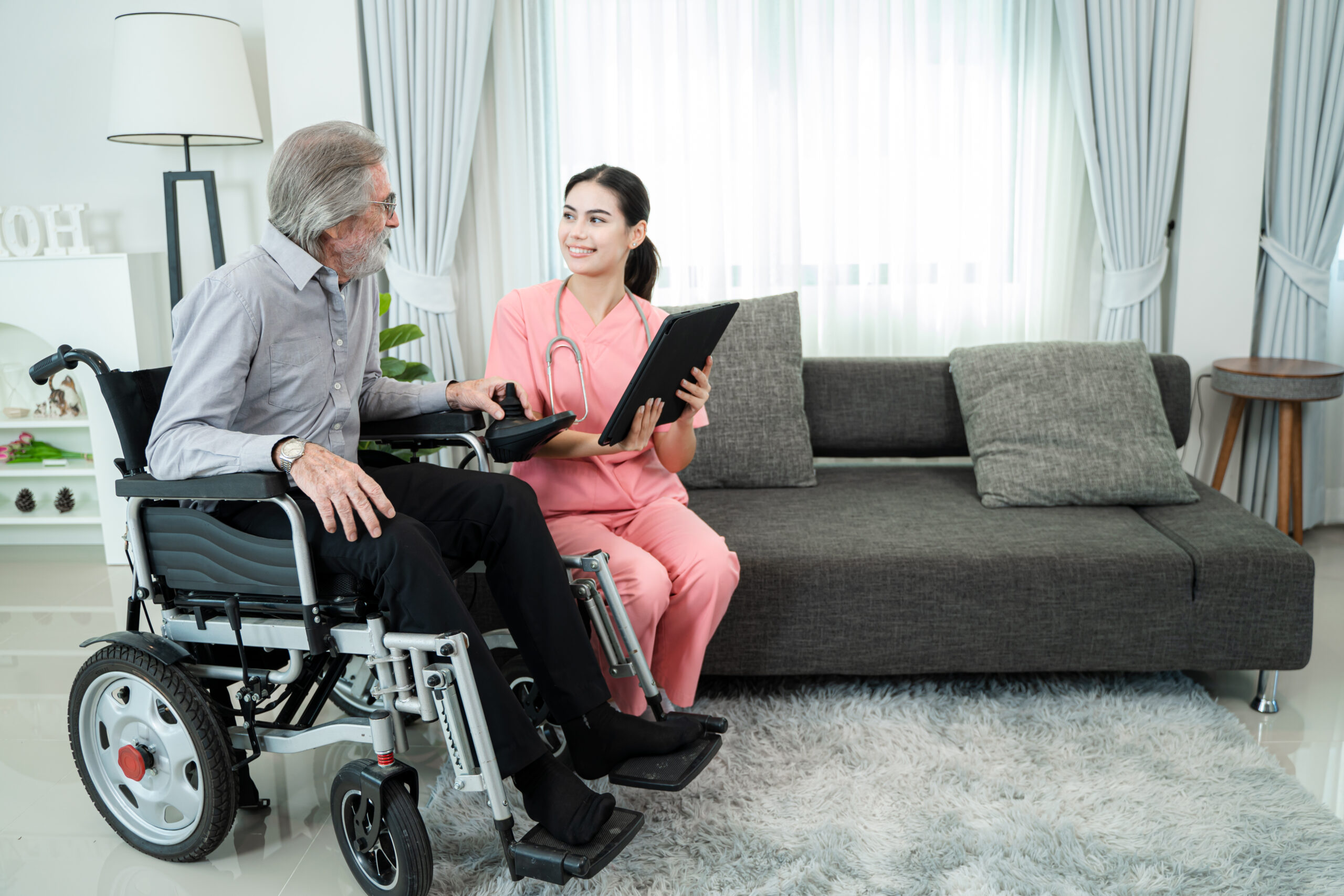
Imagine a world where your elderly loved ones can live independently while having a safety net woven from the latest technology. In fact, studies show that nearly 80% of seniors express interest in using technology to enhance their daily lives. This isn’t just a passing trend—it’s a revolution in elderly care.
Consider the case of Mrs. Adams, an active 75-year-old who loves her morning walks but worries about falling. With a simple wearable device that tracks her vitals and alerts family members if something goes awry, she can stroll with confidence. This blend of independence and safety is what technology brings to the table.
Smart Home Innovations
Smart home devices are like having your own personal assistant, minus the coffee runs. From smart locks that can be controlled from afar to motion sensors that detect falls, these innovations provide peace of mind for families while empowering seniors to live autonomously.
- Voice-activated assistants (think Alexa or Google Home) for reminders and entertainment.
- Smart lighting systems that adjust automatically for safety during nighttime trips.
- Home security cameras that can be monitored by family members remotely.
Telehealth: A Game Changer
Doctor on demand is no longer just a catchy phrase; it’s a reality! Telehealth services have surged, allowing seniors to consult healthcare professionals from the comfort of their homes. This not only saves time but also reduces stress associated with travel.
Telehealth visits increased by over 150% during the pandemic, showcasing its necessity and effectiveness.
Take Mr. Johnson, who lives in rural America and struggles with mobility issues. Instead of making a long trek to see his doctor for routine check-ups, he can now have virtual appointments right from his living room—no more waiting rooms or worrying about icy roads.
(Re)Connecting Through Technology
Imagine a world where your elderly loved ones can live independently while having a safety net woven from the latest technology. In fact, studies show that nearly 80% of seniors express interest in using technology to enhance their daily lives. This isn’t just a passing trend—it’s a revolution in elderly care.
Consider the case of Mrs. Adams, an active 75-year-old who loves her morning walks but worries about falling. With a simple wearable device that tracks her vitals and alerts family members if something goes awry, she can stroll with confidence. This blend of independence and safety is what technology brings to the table.
Smart Home Innovations
Smart home devices are like having your own personal assistant, minus the coffee runs. From smart locks that can be controlled from afar to motion sensors that detect falls, these innovations provide peace of mind for families while empowering seniors to live autonomously.
- Voice-activated assistants (think Alexa or Google Home) for reminders and entertainment.
- Smart lighting systems that adjust automatically for safety during nighttime trips.
- Home security cameras that can be monitored by family members remotely.
Telehealth: A Game Changer
Doctor on demand is no longer just a catchy phrase; it’s a reality! Telehealth services have surged, allowing seniors to consult healthcare professionals from the comfort of their homes. This not only saves time but also reduces stress associated with travel.
Telehealth visits increased by over 150% during the pandemic, showcasing its necessity and effectiveness.
Take Mr. Johnson, who lives in rural America and struggles with mobility issues. Instead of making a long trek to see his doctor for routine check-ups, he can now have virtual appointments right from his living room—no more waiting rooms or worrying about icy roads.
(Re)Connecting Through Technology
Building a Support Network for Effective Care Delivery
Here’s a reality check: nearly 70% of family caregivers report feeling overwhelmed by their responsibilities. Juggling work, personal life, and caregiving duties can feel like trying to balance on a tightrope while blindfolded. But building a robust support network can transform that precarious act into a more manageable routine.
Imagine the Smith family, who found themselves in a caregiving crisis when their elderly father, Mr. Smith, was diagnosed with early-stage dementia. Initially, they tried to handle everything themselves—doctor appointments, medication management, and daily care. Before long, they were exhausted and struggling to maintain their own well-being. It wasn’t until they reached out for help that things began to improve.
The Importance of Community Support
Community support is like the secret sauce in the recipe for effective elderly care. Relying solely on family can lead to burnout; that’s where local resources come into play. From senior centers offering social activities to volunteer groups providing companionship, these resources can lighten the load.
- Local senior centers for social activities and engagement.
- Support groups for caregivers to share experiences.
- Volunteers who can assist with daily tasks or provide companionship.
- Access to respite care services for short-term relief.
(Re)Engaging Family Members
(Re)engaging family members in the caregiving process is crucial. It’s not just about distributing tasks; it’s about fostering an environment where everyone feels valued and involved. Regular family meetings can be an effective way to ensure everyone is on the same page regarding care strategies and emotional needs.
Tip: Use technology like group chats or shared calendars to coordinate schedules and updates.
# The Role of Professional Help
# Sometimes you need more than just family support; that’s where professional caregivers come in. Hiring trained professionals ensures that your loved one receives specialized care tailored to their needs while allowing family members to take a breather.
Ultimately, building a support network is an ongoing process that evolves as your loved one’s needs change. The key takeaway? Don’t hesitate to reach out—whether it’s friends, community services, or professionals—because effective elderly care thrives on collaboration.
Here’s a reality check: nearly 70% of family caregivers report feeling overwhelmed by their responsibilities. Juggling work, personal life, and caregiving duties can feel like trying to balance on a tightrope while blindfolded. But building a robust support network can transform that precarious act into a more manageable routine.
Imagine the Smith family, who found themselves in a caregiving crisis when their elderly father, Mr. Smith, was diagnosed with early-stage dementia. Initially, they tried to handle everything themselves—doctor appointments, medication management, and daily care. Before long, they were exhausted and struggling to maintain their own well-being. It wasn’t until they reached out for help that things began to improve.
The Importance of Community Support
Community support is like the secret sauce in the recipe for effective elderly care. Relying solely on family can lead to burnout; that’s where local resources come into play. From senior centers offering social activities to volunteer groups providing companionship, these resources can lighten the load.
- Local senior centers for social activities and engagement.
- Support groups for caregivers to share experiences.
- Volunteers who can assist with daily tasks or provide companionship.
- Access to respite care services for short-term relief.
(Re)Engaging Family Members
(Re)engaging family members in the caregiving process is crucial. It’s not just about distributing tasks; it’s about fostering an environment where everyone feels valued and involved. Regular family meetings can be an effective way to ensure everyone is on the same page regarding care strategies and emotional needs.
Tip: Use technology like group chats or shared calendars to coordinate schedules and updates.
# The Role of Professional Help
# Sometimes you need more than just family support; that’s where professional caregivers come in. Hiring trained professionals ensures that your loved one receives specialized care tailored to their needs while allowing family members to take a breather.
Ultimately, building a support network is an ongoing process that evolves as your loved one’s needs change. The key takeaway? Don’t hesitate to reach out—whether it’s friends, community services, or professionals—because effective elderly care thrives on collaboration.
Addressing Mental Health and Emotional Well-being in Elderly Care

Mental health in elderly care is often the elephant in the room—everyone knows it’s there, but few want to talk about it. Yet, a staggering 20% of seniors experience some form of mental health issue, from depression to anxiety, often exacerbated by isolation and health challenges.
Take Mrs. Thompson, an active 78-year-old who used to host weekly book clubs. After her husband passed away, she stopped socializing, leading to feelings of loneliness and despair. Her story highlights how crucial emotional well-being is in elderly care—not just for quality of life but for overall health.
The Hidden Impact of Isolation
Isolation can be as harmful as physical ailments. Seniors left alone for extended periods are at a higher risk for mental decline and chronic illnesses. A study found that socially isolated individuals have a 50% increased risk of developing dementia. This isn’t just a statistic; it’s a wake-up call for families and caregivers.
- Encourage regular social interactions—whether through family visits or community activities.
- Utilize technology for virtual meetups; video calls can bridge the gap when physical visits aren’t possible.
- Consider group activities or clubs that align with their interests.
(Re)Building Connections
(Re)building connections is vital for enhancing emotional well-being. Encourage seniors to engage with their interests—be it gardening, painting, or even bingo nights at local centers. These activities not only stimulate the mind but also foster friendships.
Tip: Regular engagement in hobbies can significantly improve mood and cognitive function.
But what if they resist? you might ask. It’s common for seniors to feel hesitant about new experiences. Approach this gently—perhaps start with one-on-one interactions before introducing larger groups.
# The Role of Professional Support
# Sometimes family support isn’t enough. Professional caregivers trained in mental health can provide specialized assistance that addresses both emotional and psychological needs. They can implement strategies that promote well-being while also monitoring any signs of distress.
Mental health in elderly care is often the elephant in the room—everyone knows it’s there, but few want to talk about it. Yet, a staggering 20% of seniors experience some form of mental health issue, from depression to anxiety, often exacerbated by isolation and health challenges.
Take Mrs. Thompson, an active 78-year-old who used to host weekly book clubs. After her husband passed away, she stopped socializing, leading to feelings of loneliness and despair. Her story highlights how crucial emotional well-being is in elderly care—not just for quality of life but for overall health.
The Hidden Impact of Isolation
Isolation can be as harmful as physical ailments. Seniors left alone for extended periods are at a higher risk for mental decline and chronic illnesses. A study found that socially isolated individuals have a 50% increased risk of developing dementia. This isn’t just a statistic; it’s a wake-up call for families and caregivers.
- Encourage regular social interactions—whether through family visits or community activities.
- Utilize technology for virtual meetups; video calls can bridge the gap when physical visits aren’t possible.
- Consider group activities or clubs that align with their interests.
(Re)Building Connections
(Re)building connections is vital for enhancing emotional well-being. Encourage seniors to engage with their interests—be it gardening, painting, or even bingo nights at local centers. These activities not only stimulate the mind but also foster friendships.
Tip: Regular engagement in hobbies can significantly improve mood and cognitive function.
But what if they resist? you might ask. It’s common for seniors to feel hesitant about new experiences. Approach this gently—perhaps start with one-on-one interactions before introducing larger groups.
# The Role of Professional Support
# Sometimes family support isn’t enough. Professional caregivers trained in mental health can provide specialized assistance that addresses both emotional and psychological needs. They can implement strategies that promote well-being while also monitoring any signs of distress.
Legal Considerations Surrounding Elderly Care Decisions
Choosing elderly care options isn’t just about finding the right fit for your loved one; it’s also navigating a legal minefield. Did you know that nearly 50% of families encounter legal issues when making care decisions? This isn’t just paperwork; it can lead to significant emotional and financial stress.
Take the case of the Garcia family. They thought they had everything sorted out for their father’s care, but when it came time to make decisions about his medical treatment, they were caught off guard by the lack of legal documentation. Without proper advance directives or power of attorney in place, they found themselves scrambling to make choices during a crisis.
Understanding Legal Documents
Legal documents are essential tools in elderly care planning. They not only guide healthcare decisions but also protect your loved one’s wishes. Here are some key documents to consider:
- Power of Attorney (POA): Designates someone to make financial or medical decisions on behalf of your loved one.
- Advance Healthcare Directive: Outlines preferences for medical treatment, should your loved one become unable to communicate.
- Living Will: Specifies which life-sustaining treatments your loved one does or does not want.
- HIPAA Release: Allows designated individuals access to medical information.
Important: Always consult a legal professional when drafting these documents to ensure they meet state requirements.
(Re)Evaluating Care Decisions
(Re)evaluating care decisions is crucial as circumstances change. Regular discussions with family members and healthcare providers can help ensure that everyone is aligned with your loved one’s wishes. A lack of communication can lead to misunderstandings that might complicate care.
Consider the Thompson family, who initially chose in-home care for their mother but later realized she needed more support than they could provide. They faced challenges because key documents hadn’t been updated after her health declined. This misalignment led to delays in getting her the necessary assistance—something that could have been avoided with proactive planning.
# The Role of Legal Advisors
# Engaging a legal advisor who specializes in elder law can provide invaluable guidance through this complex landscape. They can help draft necessary documents, explain state laws, and ensure that all aspects of elderly care are legally sound.
In summary, navigating the legal considerations surrounding elderly care is not just important; it’s essential for ensuring peace of mind for both you and your loved ones. Take proactive steps today—consult with professionals, gather necessary documents, and keep communication lines open within your family. Your future self will thank you!
Choosing elderly care options isn’t just about finding the right fit for your loved one; it’s also navigating a legal minefield. Did you know that nearly 50% of families encounter legal issues when making care decisions? This isn’t just paperwork; it can lead to significant emotional and financial stress.
Take the case of the Garcia family. They thought they had everything sorted out for their father’s care, but when it came time to make decisions about his medical treatment, they were caught off guard by the lack of legal documentation. Without proper advance directives or power of attorney in place, they found themselves scrambling to make choices during a crisis.
Understanding Legal Documents
Legal documents are essential tools in elderly care planning. They not only guide healthcare decisions but also protect your loved one’s wishes. Here are some key documents to consider:
- Power of Attorney (POA): Designates someone to make financial or medical decisions on behalf of your loved one.
- Advance Healthcare Directive: Outlines preferences for medical treatment, should your loved one become unable to communicate.
- Living Will: Specifies which life-sustaining treatments your loved one does or does not want.
- HIPAA Release: Allows designated individuals access to medical information.
Important: Always consult a legal professional when drafting these documents to ensure they meet state requirements.
(Re)Evaluating Care Decisions
(Re)evaluating care decisions is crucial as circumstances change. Regular discussions with family members and healthcare providers can help ensure that everyone is aligned with your loved one’s wishes. A lack of communication can lead to misunderstandings that might complicate care.
Consider the Thompson family, who initially chose in-home care for their mother but later realized she needed more support than they could provide. They faced challenges because key documents hadn’t been updated after her health declined. This misalignment led to delays in getting her the necessary assistance—something that could have been avoided with proactive planning.
# The Role of Legal Advisors
# Engaging a legal advisor who specializes in elder law can provide invaluable guidance through this complex landscape. They can help draft necessary documents, explain state laws, and ensure that all aspects of elderly care are legally sound.
In summary, navigating the legal considerations surrounding elderly care is not just important; it’s essential for ensuring peace of mind for both you and your loved ones. Take proactive steps today—consult with professionals, gather necessary documents, and keep communication lines open within your family. Your future self will thank you!
Training and Support for Family Caregivers: Resources Available
Here’s a reality check: nearly 60% of family caregivers report feeling unprepared for the demands of elderly care. That’s like being handed the keys to a car without ever having taken a driving lesson! The emotional and physical toll of caregiving can be immense, but fortunately, there are resources designed to equip caregivers with the tools they need.
Training Programs for Caregivers
Many organizations offer training programs specifically tailored for family caregivers. These programs cover essential skills, from basic first aid to managing chronic illnesses. For instance, the National Family Caregiver Support Program provides workshops that help caregivers navigate their roles while ensuring they are not left in the dark.
- Basic caregiving skills: bathing, feeding, and mobility assistance.
- Understanding medical conditions: diabetes management, Alzheimer’s care.
- Communication strategies: how to talk with healthcare providers and your loved one.
(Re)Finding Emotional Support
(Re)finding emotional support is just as crucial as mastering caregiving tasks. Support groups provide a safe space where caregivers can share experiences, vent frustrations, and celebrate small victories. Organizations like AARP and local community centers often host these gatherings—think of it as a book club but with fewer novels and more heartfelt discussions.
(Re)connecting with others who understand your journey can significantly reduce feelings of isolation.
# Online Resources and Tools
# The digital age has ushered in a plethora of online resources that make accessing information easier than ever. Websites like Caring.com and Family Caregiver Alliance offer valuable articles, webinars, and forums where you can ask questions and learn from others’ experiences.
- # Online courses on caregiving essentials.
- # Virtual support groups that meet via video calls.
- # Mobile apps for medication management and appointment tracking.
Here’s a reality check: nearly 60% of family caregivers report feeling unprepared for the demands of elderly care. That’s like being handed the keys to a car without ever having taken a driving lesson! The emotional and physical toll of caregiving can be immense, but fortunately, there are resources designed to equip caregivers with the tools they need.
Training Programs for Caregivers
Many organizations offer training programs specifically tailored for family caregivers. These programs cover essential skills, from basic first aid to managing chronic illnesses. For instance, the National Family Caregiver Support Program provides workshops that help caregivers navigate their roles while ensuring they are not left in the dark.
- Basic caregiving skills: bathing, feeding, and mobility assistance.
- Understanding medical conditions: diabetes management, Alzheimer’s care.
- Communication strategies: how to talk with healthcare providers and your loved one.
(Re)Finding Emotional Support
(Re)finding emotional support is just as crucial as mastering caregiving tasks. Support groups provide a safe space where caregivers can share experiences, vent frustrations, and celebrate small victories. Organizations like AARP and local community centers often host these gatherings—think of it as a book club but with fewer novels and more heartfelt discussions.
(Re)connecting with others who understand your journey can significantly reduce feelings of isolation.
# Online Resources and Tools
# The digital age has ushered in a plethora of online resources that make accessing information easier than ever. Websites like Caring.com and Family Caregiver Alliance offer valuable articles, webinars, and forums where you can ask questions and learn from others’ experiences.
- # Online courses on caregiving essentials.
- # Virtual support groups that meet via video calls.
- # Mobile apps for medication management and appointment tracking.