
Home Help for Elderly: Daily Assistance That Preserves Dignity

Understanding the Unique Needs of Elderly Individuals
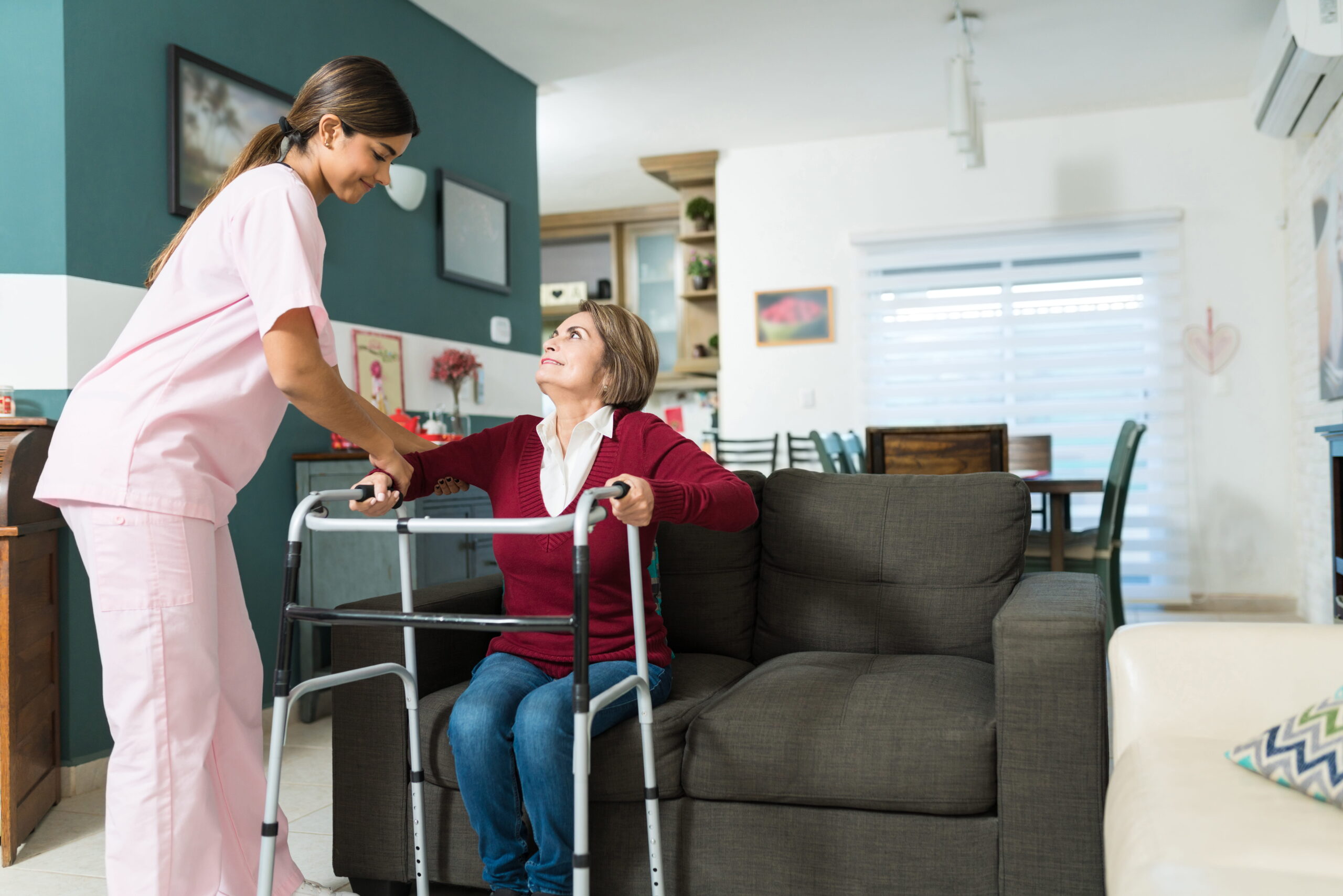
Imagine being in your golden years, a time that should be filled with relaxation and joy, yet feeling like a burden to your loved ones. That’s the reality for many elderly individuals today. According to a report by AARP, nearly 40% of family caregivers say they struggle to balance their own responsibilities with those of caregiving. This poignant statistic highlights the emotional and logistical challenges faced not just by caregivers, but also by the elderly themselves.
The Emotional Landscape
Elderly individuals often grapple with feelings of isolation and loss of independence. Picture Mrs. Thompson, an 82-year-old widow who once thrived on her independence—now she’s relying on her daughter for rides to appointments and help with groceries. Each request weighs heavily on her heart, making her feel like a shadow in her own home. Understanding these emotional nuances is crucial when considering home help for elderly individuals.
Physical Limitations vs. Dignity
As we age, our bodies can become less cooperative—think creaky joints and stubborn knees that refuse to bend like they used to. Yet, it’s vital that care providers recognize this physical decline without stripping away dignity. For instance, instead of offering unsolicited assistance that might feel patronizing, caregivers should encourage seniors like Mr. Jenkins to participate in light exercises or even simple tasks around the house—empowering them rather than diminishing their sense of self.
Empowerment over dependency should be the mantra when providing home help for elderly individuals.
Tailored Care Plans
One size fits all doesn’t apply when it comes to care plans for seniors. Each individual has unique needs based on their health conditions, preferences, and life experiences. A personalized care plan can include anything from medication reminders for those juggling multiple prescriptions to social activities that keep loneliness at bay.
Aging in Place Philosophy
Aging in place is more than just a buzzword; it’s about allowing seniors to remain in their homes comfortably and safely as they age. This philosophy recognizes the importance of familiar surroundings while providing necessary support through home help services tailored specifically for them.
Imagine being in your golden years, a time that should be filled with relaxation and joy, yet feeling like a burden to your loved ones. That’s the reality for many elderly individuals today. According to a report by AARP, nearly 40% of family caregivers say they struggle to balance their own responsibilities with those of caregiving. This poignant statistic highlights the emotional and logistical challenges faced not just by caregivers, but also by the elderly themselves.
The Emotional Landscape
Elderly individuals often grapple with feelings of isolation and loss of independence. Picture Mrs. Thompson, an 82-year-old widow who once thrived on her independence—now she’s relying on her daughter for rides to appointments and help with groceries. Each request weighs heavily on her heart, making her feel like a shadow in her own home. Understanding these emotional nuances is crucial when considering home help for elderly individuals.
Physical Limitations vs. Dignity
As we age, our bodies can become less cooperative—think creaky joints and stubborn knees that refuse to bend like they used to. Yet, it’s vital that care providers recognize this physical decline without stripping away dignity. For instance, instead of offering unsolicited assistance that might feel patronizing, caregivers should encourage seniors like Mr. Jenkins to participate in light exercises or even simple tasks around the house—empowering them rather than diminishing their sense of self.
Empowerment over dependency should be the mantra when providing home help for elderly individuals.
Tailored Care Plans
One size fits all doesn’t apply when it comes to care plans for seniors. Each individual has unique needs based on their health conditions, preferences, and life experiences. A personalized care plan can include anything from medication reminders for those juggling multiple prescriptions to social activities that keep loneliness at bay.
Aging in Place Philosophy
Aging in place is more than just a buzzword; it’s about allowing seniors to remain in their homes comfortably and safely as they age. This philosophy recognizes the importance of familiar surroundings while providing necessary support through home help services tailored specifically for them.
Types of Home Help Services Tailored to Seniors
Did you know that nearly 90% of seniors want to stay in their own homes as they age? This desire for independence often leads to a complex web of needs that home help for elderly individuals can address. Let’s unpack the various types of services available, each designed to cater specifically to the unique challenges faced by seniors.
Personal Care Services
First up, we have personal care services—think bathing, grooming, and dressing assistance. Imagine Mrs. Johnson, who used to be the life of the party with her stylish outfits and perfectly coiffed hair. Now, she finds it challenging to manage these daily tasks due to arthritis. A caregiver stepping in not only helps her maintain her hygiene but also boosts her confidence and self-esteem.
Companionship Services
Next on the list are companionship services. These aren’t just about having someone around; they’re about meaningful interaction. Picture Mr. Thompson, sitting alone with his favorite book but longing for a chat about the latest sports game. A companion can bridge that gap, providing emotional support and reducing feelings of loneliness—because let’s face it, nobody should binge-watch their favorite shows solo all the time.
Housekeeping and Meal Preparation
Housekeeping and meal preparation services are also crucial components of home help for elderly individuals. Seniors may find it tough to keep their living spaces tidy or whip up healthy meals. Enter caregivers who can handle everything from vacuuming and laundry to cooking nutritious meals tailored to dietary needs—think heart-healthy dishes for those managing cholesterol levels.
Transportation Services
But how do I get to my doctor’s appointment? This is a common concern among seniors who no longer drive. Transportation services fill this gap, ensuring that individuals like Mrs. Garcia can attend medical appointments or social gatherings without relying solely on family members—because who wants to feel like they’re always asking for rides?
A well-rounded approach means addressing both physical needs and emotional well-being through personalized services.
Finally, let’s not forget about health monitoring! Many home care agencies provide skilled nursing visits where professionals check vital signs or manage medications—ensuring seniors stay healthy without frequent hospital visits.
Did you know that nearly 90% of seniors want to stay in their own homes as they age? This desire for independence often leads to a complex web of needs that home help for elderly individuals can address. Let’s unpack the various types of services available, each designed to cater specifically to the unique challenges faced by seniors.
Personal Care Services
First up, we have personal care services—think bathing, grooming, and dressing assistance. Imagine Mrs. Johnson, who used to be the life of the party with her stylish outfits and perfectly coiffed hair. Now, she finds it challenging to manage these daily tasks due to arthritis. A caregiver stepping in not only helps her maintain her hygiene but also boosts her confidence and self-esteem.
Companionship Services
Next on the list are companionship services. These aren’t just about having someone around; they’re about meaningful interaction. Picture Mr. Thompson, sitting alone with his favorite book but longing for a chat about the latest sports game. A companion can bridge that gap, providing emotional support and reducing feelings of loneliness—because let’s face it, nobody should binge-watch their favorite shows solo all the time.
Housekeeping and Meal Preparation
Housekeeping and meal preparation services are also crucial components of home help for elderly individuals. Seniors may find it tough to keep their living spaces tidy or whip up healthy meals. Enter caregivers who can handle everything from vacuuming and laundry to cooking nutritious meals tailored to dietary needs—think heart-healthy dishes for those managing cholesterol levels.
Transportation Services
But how do I get to my doctor’s appointment? This is a common concern among seniors who no longer drive. Transportation services fill this gap, ensuring that individuals like Mrs. Garcia can attend medical appointments or social gatherings without relying solely on family members—because who wants to feel like they’re always asking for rides?
A well-rounded approach means addressing both physical needs and emotional well-being through personalized services.
Finally, let’s not forget about health monitoring! Many home care agencies provide skilled nursing visits where professionals check vital signs or manage medications—ensuring seniors stay healthy without frequent hospital visits.
Creating a Customized Care Plan for Individual Needs
Imagine a world where every elderly individual receives care that’s as unique as their favorite family recipe. That’s the essence of creating a customized care plan—it’s not just about meeting basic needs; it’s about crafting a comprehensive strategy that respects and enhances their individuality.
One common misconception is that all seniors require the same level of assistance. In reality, each person’s journey through aging is different, shaped by their health conditions, personal preferences, and life experiences. A study by the National Institute on Aging found that tailored care plans significantly improve both physical health outcomes and mental well-being among elderly individuals.
Step 1: Assess Individual Needs
The first step in crafting a customized care plan is to conduct a thorough assessment of the individual’s needs. This means looking beyond just medical conditions—consider social interactions, emotional support, and daily activities. For example, take Mr. Lee, who has diabetes but also loves gardening. His care plan should not only manage his medication but also ensure he has help maintaining his beloved garden.
Step 2: Involve Family and Caregivers
Next up is involving family members and caregivers in the planning process. They can provide invaluable insights into the senior’s preferences and routines. Think of it like assembling a dream team for your loved one’s care—everyone brings something unique to the table. Plus, this collaborative approach helps ensure that everyone is on the same page regarding expectations and responsibilities.
Step 3: Set Clear Goals
Setting clear goals is crucial for any care plan to be effective. These goals should be realistic and measurable—like improving mobility or increasing social interactions. For instance, if Mrs. Patel wants to attend her weekly book club again, her care plan might include transportation services and physical therapy sessions designed to enhance her mobility.
Step 4: Regularly Review and Adjust
Flexibility is key! Regularly reviewing the care plan ensures it adapts to changing needs or circumstances. Maybe Mr. Jenkins starts feeling more independent and wants less assistance with cooking; it’s essential to adjust his plan accordingly rather than sticking rigidly to an outdated model.
A customized care plan isn’t static—it evolves with the individual’s journey through aging!
Imagine a world where every elderly individual receives care that’s as unique as their favorite family recipe. That’s the essence of creating a customized care plan—it’s not just about meeting basic needs; it’s about crafting a comprehensive strategy that respects and enhances their individuality.
One common misconception is that all seniors require the same level of assistance. In reality, each person’s journey through aging is different, shaped by their health conditions, personal preferences, and life experiences. A study by the National Institute on Aging found that tailored care plans significantly improve both physical health outcomes and mental well-being among elderly individuals.
Step 1: Assess Individual Needs
The first step in crafting a customized care plan is to conduct a thorough assessment of the individual’s needs. This means looking beyond just medical conditions—consider social interactions, emotional support, and daily activities. For example, take Mr. Lee, who has diabetes but also loves gardening. His care plan should not only manage his medication but also ensure he has help maintaining his beloved garden.
Step 2: Involve Family and Caregivers
Next up is involving family members and caregivers in the planning process. They can provide invaluable insights into the senior’s preferences and routines. Think of it like assembling a dream team for your loved one’s care—everyone brings something unique to the table. Plus, this collaborative approach helps ensure that everyone is on the same page regarding expectations and responsibilities.
Step 3: Set Clear Goals
Setting clear goals is crucial for any care plan to be effective. These goals should be realistic and measurable—like improving mobility or increasing social interactions. For instance, if Mrs. Patel wants to attend her weekly book club again, her care plan might include transportation services and physical therapy sessions designed to enhance her mobility.
Step 4: Regularly Review and Adjust
Flexibility is key! Regularly reviewing the care plan ensures it adapts to changing needs or circumstances. Maybe Mr. Jenkins starts feeling more independent and wants less assistance with cooking; it’s essential to adjust his plan accordingly rather than sticking rigidly to an outdated model.
A customized care plan isn’t static—it evolves with the individual’s journey through aging!

Training and Qualifications of Home Care Providers
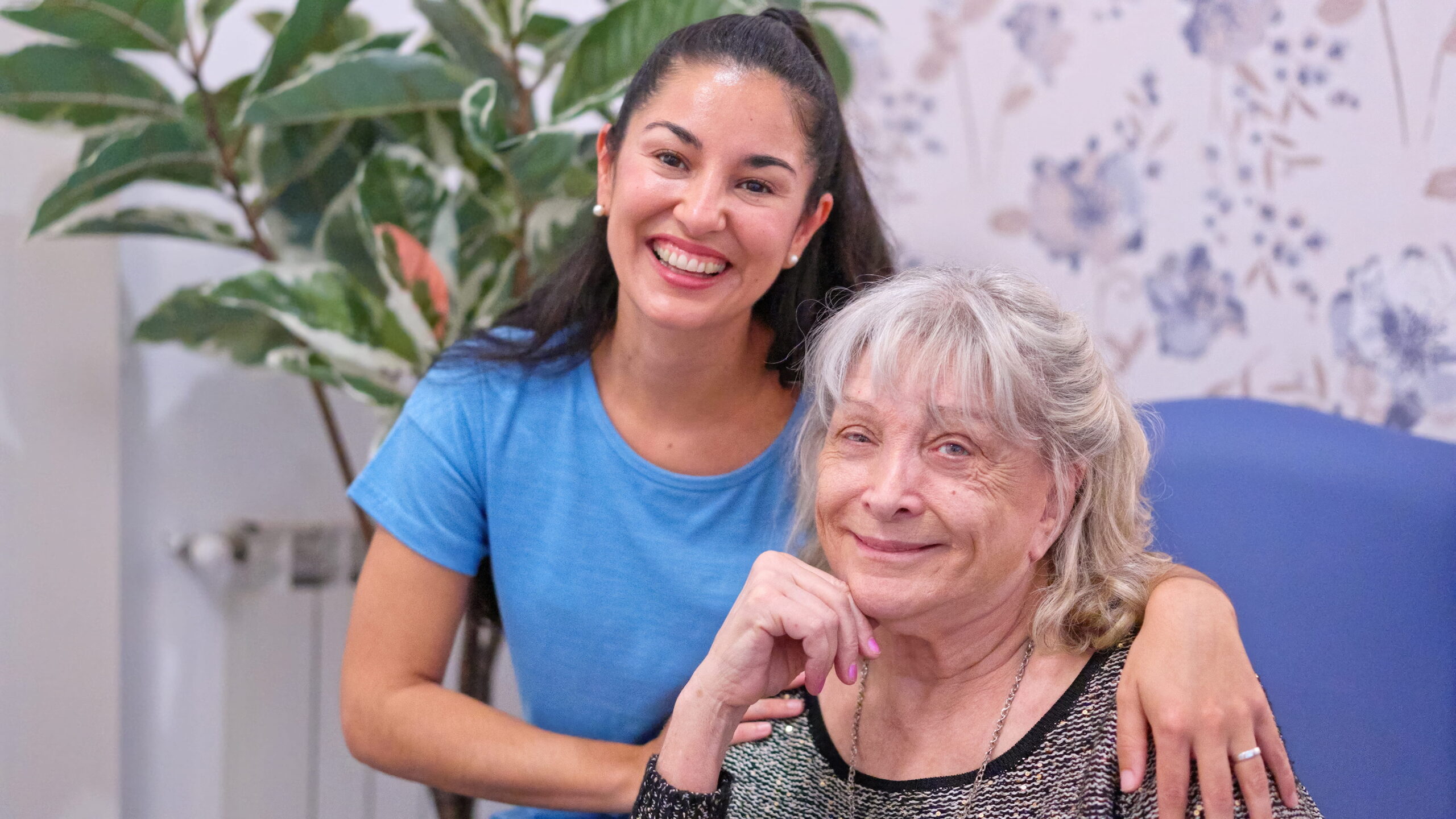
Did you know that nearly 60% of home care workers lack formal training? This staggering statistic raises some serious questions about the quality of home help for elderly individuals. When it comes to providing care, qualifications are not just a nice-to-have; they’re absolutely essential.
Imagine a caregiver showing up to assist your aging parent, but they have no idea how to handle a simple task like administering medication. Yikes! That’s a scenario no one wants to face. The stakes are high, and the consequences of inadequate training can be dire.
Essential Training Programs
Home care providers must undergo specific training programs that cover everything from basic hygiene practices to emergency response techniques. Here’s a quick rundown of what you should look for in their qualifications:
- First Aid and CPR Certification: Essential for handling emergencies.
- Medication Management Training: Ensures proper administration and understanding of prescriptions.
- Personal Care Skills: Includes bathing, dressing, and grooming techniques tailored for seniors.
- Communication Skills: Vital for building rapport with elderly clients and their families.
Certifications Matter
Certifications can be a game-changer when assessing potential caregivers. For example, the Certified Nursing Assistant (CNA) credential indicates that the individual has met rigorous standards in both knowledge and practice. Don’t skimp on this aspect—ask about certifications during your search!
A well-trained caregiver not only provides assistance but also enhances the overall quality of life for elderly individuals.
Soft Skills Are Essential Too
Hard skills like medical training are crucial, but let’s not forget about soft skills. Empathy, patience, and effective communication can make all the difference when it comes to home help for elderly clients. A caregiver who listens actively or shares a laugh can turn an ordinary day into something uplifting.
So what should you do next? When considering home help for elderly loved ones, don’t hesitate to ask potential caregivers about their training and qualifications. It’s not just about filling a position; it’s about ensuring your loved one receives the best possible care.
Did you know that nearly 60% of home care workers lack formal training? This staggering statistic raises some serious questions about the quality of home help for elderly individuals. When it comes to providing care, qualifications are not just a nice-to-have; they’re absolutely essential.
Imagine a caregiver showing up to assist your aging parent, but they have no idea how to handle a simple task like administering medication. Yikes! That’s a scenario no one wants to face. The stakes are high, and the consequences of inadequate training can be dire.
Essential Training Programs
Home care providers must undergo specific training programs that cover everything from basic hygiene practices to emergency response techniques. Here’s a quick rundown of what you should look for in their qualifications:
- First Aid and CPR Certification: Essential for handling emergencies.
- Medication Management Training: Ensures proper administration and understanding of prescriptions.
- Personal Care Skills: Includes bathing, dressing, and grooming techniques tailored for seniors.
- Communication Skills: Vital for building rapport with elderly clients and their families.
Certifications Matter
Certifications can be a game-changer when assessing potential caregivers. For example, the Certified Nursing Assistant (CNA) credential indicates that the individual has met rigorous standards in both knowledge and practice. Don’t skimp on this aspect—ask about certifications during your search!
A well-trained caregiver not only provides assistance but also enhances the overall quality of life for elderly individuals.
Soft Skills Are Essential Too
Hard skills like medical training are crucial, but let’s not forget about soft skills. Empathy, patience, and effective communication can make all the difference when it comes to home help for elderly clients. A caregiver who listens actively or shares a laugh can turn an ordinary day into something uplifting.
So what should you do next? When considering home help for elderly loved ones, don’t hesitate to ask potential caregivers about their training and qualifications. It’s not just about filling a position; it’s about ensuring your loved one receives the best possible care.
Technology Integration in Home Care Solutions
Imagine a world where your aging parent can summon help with just a tap on their smartphone. In fact, a recent study by the Pew Research Center revealed that nearly 70% of seniors are open to using technology for health management. This isn’t just a passing trend; it’s revolutionizing home help for elderly individuals.
Let’s take a closer look at how technology is seamlessly integrating into home care solutions. Consider Mrs. Parker, an active 78-year-old who uses a wearable device to monitor her heart rate and activity levels. This gadget not only tracks her health but also alerts her caregiver if something seems off. It’s like having a personal health assistant, minus the hefty salary!
Telehealth: The New Age Check-Up
Gone are the days when seniors had to endure long waits at the doctor’s office. Telehealth services have become game-changers, allowing elderly patients to consult with healthcare professionals from the comfort of their living rooms. Picture Mr. Thompson, who can now discuss his diabetes management via video call while sipping tea in his favorite armchair—no need to shuffle through crowded waiting rooms.
Smart Home Devices: Safety Meets Convenience
Smart home devices are another layer of support that enhances home help for elderly individuals. From voice-activated assistants like Alexa to smart doorbells that provide real-time video feeds, these gadgets are designed to make life easier and safer. Imagine Mrs. Garcia, who can ask her smart speaker to remind her about medication times or even call for help if she falls—talk about peace of mind!
- Medication Management Apps: Track prescriptions and set reminders.
- Emergency Response Systems: Instant access to help at the push of a button.
- Health Monitoring Devices: Continuous tracking of vital signs.
Technology isn’t here to replace caregivers; it’s here to empower them!
Now, let’s address a common misconception: technology is only for tech-savvy seniors. Not true! Many devices are designed with simplicity in mind, ensuring accessibility for all ages. This means even those who struggle with new gadgets can adapt quickly.
The integration of technology into home care solutions isn’t just about convenience; it’s about enhancing quality of life while preserving dignity. Imagine being able to stay connected with family members through video calls or sharing health updates without feeling like you’re burdening anyone.
Imagine a world where your aging parent can summon help with just a tap on their smartphone. In fact, a recent study by the Pew Research Center revealed that nearly 70% of seniors are open to using technology for health management. This isn’t just a passing trend; it’s revolutionizing home help for elderly individuals.
Let’s take a closer look at how technology is seamlessly integrating into home care solutions. Consider Mrs. Parker, an active 78-year-old who uses a wearable device to monitor her heart rate and activity levels. This gadget not only tracks her health but also alerts her caregiver if something seems off. It’s like having a personal health assistant, minus the hefty salary!
Telehealth: The New Age Check-Up
Gone are the days when seniors had to endure long waits at the doctor’s office. Telehealth services have become game-changers, allowing elderly patients to consult with healthcare professionals from the comfort of their living rooms. Picture Mr. Thompson, who can now discuss his diabetes management via video call while sipping tea in his favorite armchair—no need to shuffle through crowded waiting rooms.
Smart Home Devices: Safety Meets Convenience
Smart home devices are another layer of support that enhances home help for elderly individuals. From voice-activated assistants like Alexa to smart doorbells that provide real-time video feeds, these gadgets are designed to make life easier and safer. Imagine Mrs. Garcia, who can ask her smart speaker to remind her about medication times or even call for help if she falls—talk about peace of mind!
- Medication Management Apps: Track prescriptions and set reminders.
- Emergency Response Systems: Instant access to help at the push of a button.
- Health Monitoring Devices: Continuous tracking of vital signs.
Technology isn’t here to replace caregivers; it’s here to empower them!
Now, let’s address a common misconception: technology is only for tech-savvy seniors. Not true! Many devices are designed with simplicity in mind, ensuring accessibility for all ages. This means even those who struggle with new gadgets can adapt quickly.
The integration of technology into home care solutions isn’t just about convenience; it’s about enhancing quality of life while preserving dignity. Imagine being able to stay connected with family members through video calls or sharing health updates without feeling like you’re burdening anyone.
Navigating Legal and Financial Considerations in Home Care
Did you know that nearly 70% of families underestimate the costs associated with home help for elderly loved ones? This shocking statistic highlights a common pitfall that can lead to financial strain and unexpected stress.
Imagine the Johnson family, who thought they could comfortably manage their father’s home care needs without a hitch. But as expenses piled up—medications, caregiver wages, and unexpected medical bills—they found themselves scrambling to adjust their budget. This situation isn’t unique; many families face similar challenges when navigating the complex legal and financial landscape of home care.
Understanding Costs
When it comes to home care for elderly individuals, understanding the costs is crucial. It’s not just about hiring someone to help out; there are various expenses that can creep up on you. Here’s a breakdown of what to consider:
- Hourly rates for caregivers: Depending on experience and location, this can range from to per hour.
- Medical supplies: Items like mobility aids or incontinence products can add significant costs.
- Transportation: If your loved one requires transport services for appointments or social activities, factor these into your budget.
- Home modifications: Sometimes, simple adjustments like grab bars or ramps are necessary for safety.
Insurance and Financing Options
Will my insurance cover this? is a question many families ask, often with little clarity. While Medicare typically doesn’t cover non-medical home care services, other options might be available.
- * Long-term care insurance: If purchased in advance, this can significantly offset costs associated with home help.
- * Medicaid: For those who qualify based on income and assets, Medicaid may provide assistance for home health services.
- * Veterans benefits: Veterans may have access to specific programs designed to assist with caregiving costs.
Planning ahead is key! Understanding your financial options early can save you from future headaches.
Legalities You Didn’t Know Existed
Legal considerations might sound dull, but they’re crucial when arranging home help for elderly individuals. For instance, who has the authority to make healthcare decisions if your loved one becomes incapacitated? Establishing power of attorney or healthcare proxies ensures that someone you trust will advocate for their wishes.
Also consider contracts with caregivers or agencies—these should clearly outline responsibilities and expectations. A well-defined agreement prevents misunderstandings down the road.
Takeaway
Properly navigating the legal and financial aspects of home help for elderly loved ones can feel like walking through a maze blindfolded. But by understanding costs upfront and exploring available resources, families can create a solid plan that honors their loved one’s dignity while ensuring peace of mind. So grab that checklist—your journey towards securing quality care starts now!
Did you know that nearly 70% of families underestimate the costs associated with home help for elderly loved ones? This shocking statistic highlights a common pitfall that can lead to financial strain and unexpected stress.
Imagine the Johnson family, who thought they could comfortably manage their father’s home care needs without a hitch. But as expenses piled up—medications, caregiver wages, and unexpected medical bills—they found themselves scrambling to adjust their budget. This situation isn’t unique; many families face similar challenges when navigating the complex legal and financial landscape of home care.
Understanding Costs
When it comes to home care for elderly individuals, understanding the costs is crucial. It’s not just about hiring someone to help out; there are various expenses that can creep up on you. Here’s a breakdown of what to consider:
- Hourly rates for caregivers: Depending on experience and location, this can range from $15 to $50 per hour.
- Medical supplies: Items like mobility aids or incontinence products can add significant costs.
- Transportation: If your loved one requires transport services for appointments or social activities, factor these into your budget.
- Home modifications: Sometimes, simple adjustments like grab bars or ramps are necessary for safety.
Insurance and Financing Options
Will my insurance cover this? is a question many families ask, often with little clarity. While Medicare typically doesn’t cover non-medical home care services, other options might be available.
- * Long-term care insurance: If purchased in advance, this can significantly offset costs associated with home help.
- * Medicaid: For those who qualify based on income and assets, Medicaid may provide assistance for home health services.
- * Veterans benefits: Veterans may have access to specific programs designed to assist with caregiving costs.
Planning ahead is key! Understanding your financial options early can save you from future headaches.
Legalities You Didn’t Know Existed
Legal considerations might sound dull, but they’re crucial when arranging home help for elderly individuals. For instance, who has the authority to make healthcare decisions if your loved one becomes incapacitated? Establishing power of attorney or healthcare proxies ensures that someone you trust will advocate for their wishes.
Also consider contracts with caregivers or agencies—these should clearly outline responsibilities and expectations. A well-defined agreement prevents misunderstandings down the road.
Takeaway
Properly navigating the legal and financial aspects of home help for elderly loved ones can feel like walking through a maze blindfolded. But by understanding costs upfront and exploring available resources, families can create a solid plan that honors their loved one’s dignity while ensuring peace of mind. So grab that checklist—your journey towards securing quality care starts now!
Building a Support Network Around Seniors Receiving Home Help
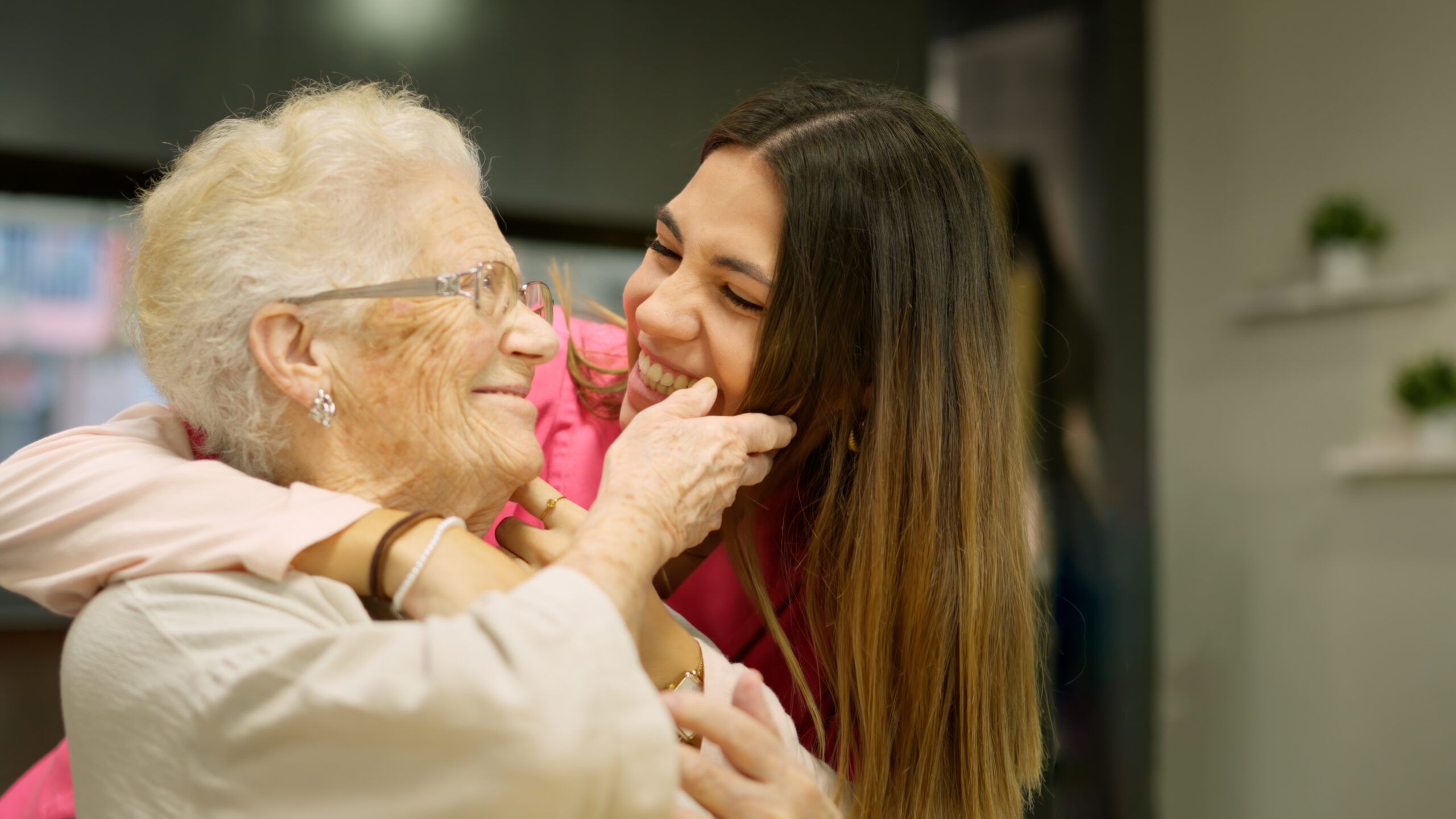
Picture this: your aging parent, once a vibrant social butterfly, now feels like they’re stuck in a cocoon, relying on home help for elderly care. They may have the assistance they need, but what about the emotional support? A study by the National Institute on Aging found that social isolation can increase health risks for seniors by up to 50%. That’s a staggering statistic that highlights just how critical it is to build a robust support network around them.
Creating a support network isn’t just about having friends and family drop by for occasional visits. It’s about weaving together a tapestry of relationships that includes caregivers, community resources, and even fellow seniors. Let’s break down how to effectively build this network.
Engage Family Members
First things first: family matters! Involve siblings, cousins, and even close friends in the caregiving process. Regular family meetings can help everyone stay on the same page regarding your loved one’s needs. Think of it as forming an advisory board—everyone has a role to play. Perhaps one family member can handle grocery shopping while another schedules doctor appointments. This not only distributes responsibilities but also fosters a sense of unity.
Utilize Community Resources
Next up? Community resources! Local senior centers often offer programs designed specifically for elderly individuals—think exercise classes or social events that combat loneliness. Additionally, many nonprofits provide transportation services or companionship programs at little or no cost. For instance, imagine Mrs. Johnson joining a weekly book club at her local library; she not only gets out of the house but also connects with others who share her interests.
Encourage Friendships
But my parent doesn’t know anyone nearby! you might say. This is where the magic happens—encouraging friendships among their peers can be transformative. Introduce them to neighbors or other seniors in the area through community activities or even casual meet-ups at local parks. You might be surprised how quickly bonds form over shared experiences!
A strong support network isn’t just beneficial; it’s essential for emotional well-being!
Leverage Technology
Technology? For my parents? Yes! Many seniors are becoming increasingly tech-savvy—or at least willing to give it a shot! Video calls with family members can bridge distances and make interactions feel more personal than a simple phone call. Plus, there are several apps designed specifically for seniors that facilitate social connections and keep them engaged with their communities.
The takeaway here is clear: building a support network around seniors receiving home help is not just beneficial—it’s vital for their mental health and overall happiness. So take action today! Start by reaching out to family members and exploring community resources available near your loved one.
Picture this: your aging parent, once a vibrant social butterfly, now feels like they’re stuck in a cocoon, relying on home help for elderly care. They may have the assistance they need, but what about the emotional support? A study by the National Institute on Aging found that social isolation can increase health risks for seniors by up to 50%. That’s a staggering statistic that highlights just how critical it is to build a robust support network around them.
Creating a support network isn’t just about having friends and family drop by for occasional visits. It’s about weaving together a tapestry of relationships that includes caregivers, community resources, and even fellow seniors. Let’s break down how to effectively build this network.
Engage Family Members
First things first: family matters! Involve siblings, cousins, and even close friends in the caregiving process. Regular family meetings can help everyone stay on the same page regarding your loved one’s needs. Think of it as forming an advisory board—everyone has a role to play. Perhaps one family member can handle grocery shopping while another schedules doctor appointments. This not only distributes responsibilities but also fosters a sense of unity.
Utilize Community Resources
Next up? Community resources! Local senior centers often offer programs designed specifically for elderly individuals—think exercise classes or social events that combat loneliness. Additionally, many nonprofits provide transportation services or companionship programs at little or no cost. For instance, imagine Mrs. Johnson joining a weekly book club at her local library; she not only gets out of the house but also connects with others who share her interests.
Encourage Friendships
But my parent doesn’t know anyone nearby! you might say. This is where the magic happens—encouraging friendships among their peers can be transformative. Introduce them to neighbors or other seniors in the area through community activities or even casual meet-ups at local parks. You might be surprised how quickly bonds form over shared experiences!
A strong support network isn’t just beneficial; it’s essential for emotional well-being!
Leverage Technology
Technology? For my parents? Yes! Many seniors are becoming increasingly tech-savvy—or at least willing to give it a shot! Video calls with family members can bridge distances and make interactions feel more personal than a simple phone call. Plus, there are several apps designed specifically for seniors that facilitate social connections and keep them engaged with their communities.
The takeaway here is clear: building a support network around seniors receiving home help is not just beneficial—it’s vital for their mental health and overall happiness. So take action today! Start by reaching out to family members and exploring community resources available near your loved one.
Evaluating the Effectiveness of Home Help Services Over Time
Home help for elderly individuals isn’t a one-and-done deal; it’s more like a long-term relationship that requires constant nurturing and evaluation. Just like any good romance, you need to check in regularly to see if the spark is still there—or if it’s time to make some changes.
Consider the case of Mr. and Mrs. Davis, who started using home help services after Mr. Davis had a hip replacement. Initially, everything seemed perfect—the caregivers were punctual, friendly, and respectful. But after six months, Mrs. Davis noticed that Mr. Davis was becoming increasingly withdrawn and less engaged in activities he once loved. This is where the evaluation comes into play.
The Importance of Regular Assessments
Regular assessments are crucial for ensuring that home help services continue to meet the evolving needs of elderly individuals. Just because a service worked well in the beginning doesn’t mean it will remain effective as circumstances change—like health conditions or personal preferences.
- Health Changes: Monitor any new medical conditions or changes in mobility.
- Social Engagement: Evaluate if the care plan encourages social interaction or if isolation is creeping back in.
- Satisfaction Levels: Regularly ask your loved one how they feel about their caregivers and services.
Feedback Loops: Communication is Key
Open communication sounds cliché, but when it comes to evaluating home help for elderly individuals, it’s essential. Caregivers should encourage feedback from both seniors and their families to identify potential areas for improvement.
Feedback isn’t just about complaints; it’s about celebrating successes too!
Hey, Mrs. Davis! How do you feel about your caregiver? This simple question can open up a dialogue that reveals underlying issues or highlights what’s working well.
Are We There Yet? – Setting Goals and Milestones
Setting goals isn’t just for New Year’s resolutions; it’s vital in home care too! Whether it’s improving mobility or increasing social interactions, having measurable objectives helps track progress over time.
- 1. Define clear goals with input from your loved one.
- 2. Set realistic timelines for achieving these goals.
- 3. Regularly review progress together—adjust as needed!
Evaluating the effectiveness of home help services is an ongoing journey rather than a destination. By regularly assessing needs, encouraging open communication, and setting measurable goals, families can ensure that their loved ones receive not just care—but genuinely enriching support that preserves dignity and enhances quality of life.
Home help for elderly individuals isn’t a one-and-done deal; it’s more like a long-term relationship that requires constant nurturing and evaluation. Just like any good romance, you need to check in regularly to see if the spark is still there—or if it’s time to make some changes.
Consider the case of Mr. and Mrs. Davis, who started using home help services after Mr. Davis had a hip replacement. Initially, everything seemed perfect—the caregivers were punctual, friendly, and respectful. But after six months, Mrs. Davis noticed that Mr. Davis was becoming increasingly withdrawn and less engaged in activities he once loved. This is where the evaluation comes into play.
The Importance of Regular Assessments
Regular assessments are crucial for ensuring that home help services continue to meet the evolving needs of elderly individuals. Just because a service worked well in the beginning doesn’t mean it will remain effective as circumstances change—like health conditions or personal preferences.
- Health Changes: Monitor any new medical conditions or changes in mobility.
- Social Engagement: Evaluate if the care plan encourages social interaction or if isolation is creeping back in.
- Satisfaction Levels: Regularly ask your loved one how they feel about their caregivers and services.
Feedback Loops: Communication is Key
Open communication sounds cliché, but when it comes to evaluating home help for elderly individuals, it’s essential. Caregivers should encourage feedback from both seniors and their families to identify potential areas for improvement.
Feedback isn’t just about complaints; it’s about celebrating successes too!
Hey, Mrs. Davis! How do you feel about your caregiver? This simple question can open up a dialogue that reveals underlying issues or highlights what’s working well.
Are We There Yet? – Setting Goals and Milestones
Setting goals isn’t just for New Year’s resolutions; it’s vital in home care too! Whether it’s improving mobility or increasing social interactions, having measurable objectives helps track progress over time.
- 1. Define clear goals with input from your loved one.
- 2. Set realistic timelines for achieving these goals.
- 3. Regularly review progress together—adjust as needed!
Evaluating the effectiveness of home help services is an ongoing journey rather than a destination. By regularly assessing needs, encouraging open communication, and setting measurable goals, families can ensure that their loved ones receive not just care—but genuinely enriching support that preserves dignity and enhances quality of life.