
Environmental Modifications for Seniors


In an era where technology seamlessly integrates into every aspect of our lives, seniors are experiencing a quiet revolution in home safety and independence. Gone are the days when environmental modifications for seniors meant clunky, institutional-looking adaptations. Today’s smart home technologies are transforming living spaces into intuitive, responsive environments that preserve dignity while enhancing safety.
Imagine a home that anticipates needs before they become challenges – a living space that learns, adapts, and protects. Smart sensors that detect potential falls, voice-activated systems that control lighting and temperature, and automated monitoring solutions are no longer futuristic concepts but practical realities for aging adults seeking to maintain independence.
These innovative home safety solutions are not just about preventing accidents; they’re about empowering seniors to live confidently and comfortably in familiar surroundings.
“Technology is not replacing human care, but enhancing it – creating a supportive ecosystem that extends the compassionate touch of caregivers,” says Maria Rodriguez, Senior Care Technology Expert.
The beauty of modern environmental modifications lies in their subtlety. Unlike traditional adaptive equipment that can feel stigmatizing, these technologies blend seamlessly into home environments, maintaining aesthetic appeal while providing critical support. From motion-sensing night lights that gently illuminate pathways to smart medication dispensers that ensure proper dosage, these innovations represent a holistic approach to senior care that respects both safety and personal autonomy.
The Evolution of Home Safety for Seniors
The journey of home safety for seniors has been a remarkable transformation, evolving from rudimentary modifications to sophisticated, intelligent systems that seamlessly integrate technology and compassionate design. What once meant simply installing grab bars and removing area rugs has now become a nuanced approach to creating adaptive, responsive living environments.
From Basic to Brilliant: A Technology Timeline
- 1970s-1980s: Basic safety modifications like handrails and raised toilet seats
- 1990s: Introduction of basic medical alert systems
- 2000s: Emergence of more advanced monitoring technologies
- 2010s-Present: AI-driven, interconnected smart home ecosystems
Today’s environmental modifications for seniors are nothing short of revolutionary. Imagine a home that doesn’t just accommodate aging adults but actively protects and supports them. Smart sensors can now detect unusual movement patterns, potentially indicating a fall, while AI-powered systems can alert family members or caregivers in real-time.
According to the Aging in Place Technology Watch, 87% of adults over 65 want to remain in their current homes, making these technological innovations more crucial than ever.
The Invisible Guardian: Smart Home Technologies
Modern environmental modifications are characterized by their discretion. No longer do adaptive technologies scream “elderly assistance” – instead, they whisper intelligent support. Wireless motion sensors, voice-activated assistants, and automated lighting systems create an environment that feels natural yet provides unprecedented safety.
These innovations aren’t just about preventing accidents; they’re about preserving dignity. By integrating technology that feels intuitive and unobtrusive, we’re redefining what it means to age gracefully and independently.
Technological Breakthroughs
- AI-powered fall detection systems
- Voice-controlled home management
- Remote health monitoring devices
- Automated medication management
- Intelligent lighting and temperature control
The future of senior home care isn’t about limitation – it’s about liberation. These smart technologies are creating environments that adapt to individual needs, offering seniors unprecedented control and peace of mind.
Smart Home Technologies Enhancing Senior Safety
In the realm of environmental modifications for seniors, smart home technologies are emerging as silent guardians, transforming living spaces into intelligent, responsive ecosystems that prioritize safety without compromising independence.
Motion Sensors: The Invisible Protectors
Advanced motion sensors have revolutionized home safety for seniors. These discreet devices do more than just detect movement – they learn and understand individual patterns. If a senior deviates from their typical routine or experiences a potential fall, these sensors can instantly trigger alerts to family members or caregivers.
Voice-Activated Assistants: More Than Just Convenience
Smart assistants like Amazon Alexa and Google Home have transformed from mere convenience tools to critical safety companions. Seniors can now:
- Call for help with simple voice commands
- Control home lighting and temperature
- Set medication reminders
- Contact emergency services quickly
According to a recent study by AARP, 73% of seniors find voice-activated technologies helpful in maintaining independence.
Smart Medication Management Systems
Medication management has been streamlined with intelligent dispensers that:
- Provide precise dosage tracking
- Send notifications for missed medications
- Alert caregivers about potential medication errors
- Integrate with smartphone apps for comprehensive monitoring
Wearable Technology: Personal Safety Companions
Modern wearables go beyond basic fitness tracking. Specialized senior-focused devices now offer:
- Continuous health monitoring
- Fall detection with automatic emergency alerts
- GPS tracking for wandering prevention
- Heart rate and vital sign monitoring
These home safety solutions aren’t about restricting seniors but empowering them. By integrating cutting-edge technology with compassionate design, we’re creating environments that support aging with dignity, independence, and peace of mind.
“Smart home technologies are bridging the gap between safety and independence, allowing seniors to age gracefully in the comfort of their own homes,” says Dr. Emily Chen, Gerontechnology Specialist.
Accessibility and Mobility Improvements
When it comes to environmental modifications for seniors, accessibility and mobility improvements are more than just physical adjustments – they’re about restoring confidence and independence. Modern solutions go far beyond traditional grab bars and ramps, transforming living spaces into intelligently designed environments that adapt to changing mobility needs.
Reimagining Home Navigation
Today’s mobility solutions are a far cry from the clinical, institutional adaptations of the past. Smart technologies now offer seamless, almost invisible modifications that integrate smoothly into home design. Imagine floors that detect uneven walking patterns, automatically illuminating pathways and providing subtle guidance without feeling intrusive.
Innovative Mobility Solutions
- Smart Flooring Systems: Pressure-sensitive surfaces that detect gait changes and potential fall risks
- Automated Doorways: Sensors that detect approach and automatically open, reducing physical strain
- Intelligent Stair Assistance: Adaptive handrails and lighting that activate with movement
- Voice-Controlled Home Navigation: Allowing seniors to control environment without physical exertion
According to the National Association of Home Builders, 85% of seniors want to remain in their current homes, making mobility modifications crucial for independent living.
Adaptive Furniture and Technology
Modern furniture design has embraced accessibility with remarkable innovation. Chairs that gently assist with standing, adjustable countertops that change height with voice commands, and smart beds that help with repositioning are transforming how seniors interact with their living spaces.
Psychological Impact of Mobility Solutions
These home safety solutions do more than provide physical support – they restore dignity. By creating environments that adapt to individual needs, we’re helping seniors maintain a sense of autonomy and self-sufficiency.
Technology-Enabled Mobility Aids
- AI-powered walking assistance devices
- Smart wheelchairs with obstacle detection
- Adaptive mobility scooters with intelligent navigation
- Wearable balance support systems
The future of senior mobility is not about limitation, but liberation. By embracing these intelligent environmental modifications, we’re creating spaces that grow and adapt alongside the individuals who inhabit them – proving that age is just a number when technology meets compassionate design.
“Mobility solutions are about preserving independence, not just providing assistance,” says Dr. Robert Martinez, Assistive Technology Researcher.
Health Monitoring and Emergency Response
In the landscape of environmental modifications for seniors, health monitoring and emergency response technologies represent the pinnacle of proactive care. These innovative systems transform passive living spaces into dynamic, responsive environments that continuously safeguard senior well-being.
Real-Time Health Surveillance
Modern health monitoring goes far beyond traditional medical alert systems. Advanced sensors and wearable technologies now provide comprehensive, continuous health tracking that offers unprecedented insights and protection. These intelligent systems can detect subtle changes in vital signs, movement patterns, and potential health risks before they escalate.
Cutting-Edge Monitoring Technologies
- Continuous Vital Sign Tracking: Wearable devices monitoring heart rate, blood pressure, and oxygen levels
- AI-Powered Fall Detection: Sensors that distinguish between normal movement and potential medical emergencies
- Remote Health Monitoring: Cloud-connected systems allowing real-time updates to family and healthcare providers
- Predictive Health Analytics: Algorithms that can identify potential health risks before they become critical
According to the Centers for Disease Control, one in four seniors falls each year, making early detection and response crucial for preventing serious injuries.
Seamless Emergency Response Integration
Today’s home safety solutions create an interconnected safety network. When an emergency is detected, these systems can automatically:
- Alert designated emergency contacts
- Notify local emergency services
- Provide precise location and health data
- Activate in-home communication systems
Psychological Comfort of Connected Care
Beyond the technical capabilities, these monitoring technologies offer something invaluable: peace of mind. Seniors gain a sense of security knowing they’re continuously supported, while family members can rest assured that their loved ones are being proactively monitored.
Personalized Health Ecosystems
The future of health monitoring isn’t about generic solutions, but personalized care ecosystems. Machine learning algorithms can now adapt to individual health patterns, creating increasingly precise and responsive monitoring systems that feel less like technology and more like a compassionate companion.
“Technology is transforming senior care from reactive to predictive, offering a new paradigm of proactive health management,” says Dr. Sarah Chen, Gerontechnology Innovator.
By integrating sophisticated health monitoring and emergency response technologies, we’re not just protecting seniors – we’re empowering them to live more confidently, independently, and with greater peace of mind. These innovative solutions represent a profound shift in how we approach aging, turning potential vulnerabilities into opportunities for enhanced quality of life.
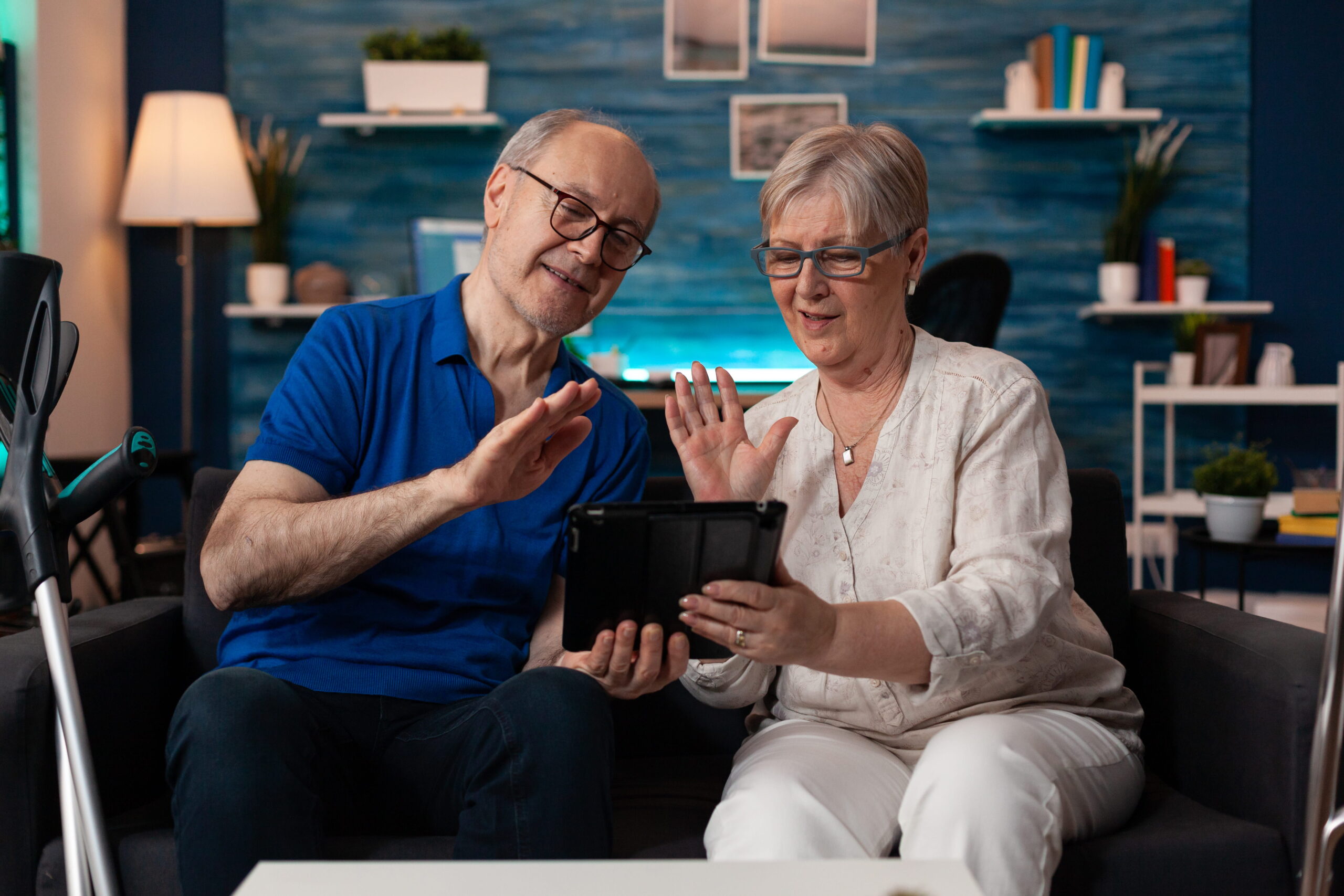
Cost-Effective and Personalized Solutions
When exploring environmental modifications for seniors, many families worry about the financial investment. The good news? Today’s smart home technologies offer remarkably cost-effective and personalized solutions that can be tailored to individual needs and budgets.
Budget-Friendly Technology Options
Contrary to popular belief, creating a smart, safe home environment doesn’t require a massive financial overhaul. Incremental technological investments can provide significant safety enhancements without breaking the bank. From affordable motion sensors to smart plugs and voice-activated assistants, seniors can gradually build a comprehensive safety network.
- Entry-Level Smart Devices: Starting at just $30-$50
- Modular Systems: Allowing phased implementation
- Scalable Solutions: Upgrade capabilities as needed
- DIY Installation Options: Reducing professional setup costs
According to the National Institute on Aging, many home modifications can be implemented for under $500, offering substantial safety improvements at minimal cost.
Customization: The Key to Effective Solutions
One size definitely does not fit all when it comes to home safety solutions. Modern technologies offer unprecedented personalization, allowing families to design systems that precisely match their loved one’s specific needs, mobility levels, and living environments.
Financial Assistance and Support
Several resources can help offset environmental modification costs:
- State-level aging support grants
- Veterans benefits for home modifications
- Tax deductions for medical home improvements
Smart Strategies for Cost-Effective Modifications
- Prioritize Critical Areas: Focus first on high-risk zones like bathrooms and staircases
- Choose Multi-Functional Devices: Select technologies offering multiple safety features
- Consider Long-Term Value: Invest in adaptable systems that grow with changing needs
- Explore Insurance Coverage: Some policies partially cover safety modifications
The most effective environmental modifications blend affordability with intelligent design. By strategically selecting technologies that offer maximum impact with minimal investment, families can create safer, more supportive home environments without financial strain.
“Technology has democratized senior home safety, making sophisticated solutions accessible to more families than ever before,” says Mark Thompson, Senior Technology Consultant.
Remember, investing in smart home technologies isn’t an expense – it’s a compassionate strategy for preserving independence, dignity, and quality of life for our loved ones as they age. The right modifications can transform a home from a potential risk zone into a sanctuary of safety and comfort.
Privacy and Ethical Considerations
As we embrace smart home technologies for environmental modifications for seniors, it’s crucial to navigate the delicate balance between safety and personal privacy. These innovative technologies, while transformative, raise important ethical questions about data protection, consent, and individual autonomy.
Protecting Personal Data and Dignity
Smart home technologies collect extensive personal information, from movement patterns to health data. This raises critical privacy concerns that cannot be overlooked. Families and seniors must carefully consider:
- Who has access to collected data
- How long data is stored
- The extent of monitoring
- Potential risks of data breaches
“Technology should enhance independence, not compromise personal dignity,” says Dr. Elena Rodriguez, Ethics in Aging Technology Expert.
Consent and Autonomy: The Human Element
The most critical aspect of home safety solutions is maintaining the senior’s sense of control. Ethical implementation means:
- Involving seniors in technology decisions
- Providing clear explanations of how devices work
- Offering opt-out or customization options
- Respecting personal boundaries
Balancing Monitoring and Respect
While safety is paramount, constant surveillance can feel invasive. The goal is creating a supportive environment that feels protective, not restrictive. This means:
- Minimizing unnecessary data collection
- Using technologies that prioritize user control
- Ensuring transparent data usage policies
- Implementing robust cybersecurity measures
A study by the AARP found that 68% of seniors prefer technologies that respect their privacy while providing safety support.
Ethical Technology Selection Criteria
When choosing environmental modifications, families should consider:
- Transparent data handling policies
- User-friendly privacy controls
- Minimal intrusive monitoring
- Ability to customize privacy settings
- Regular privacy and security updates
The future of senior care technology lies in creating solutions that are not just smart, but respectful. By prioritizing privacy, consent, and individual dignity, we can develop technologies that truly support rather than surveil.
“Ethical technology is about empowerment, not control,” notes Michael Chen, Senior Technology Ethics Consultant.
Smart home technologies are not just changing how we approach environmental modifications for seniors—they’re revolutionizing the entire concept of aging in place. By combining innovative technology with compassionate design, we can create living spaces that support independence, safety, and quality of life for our aging loved ones.