
Home Modifications to Prevent Falls for Seniors

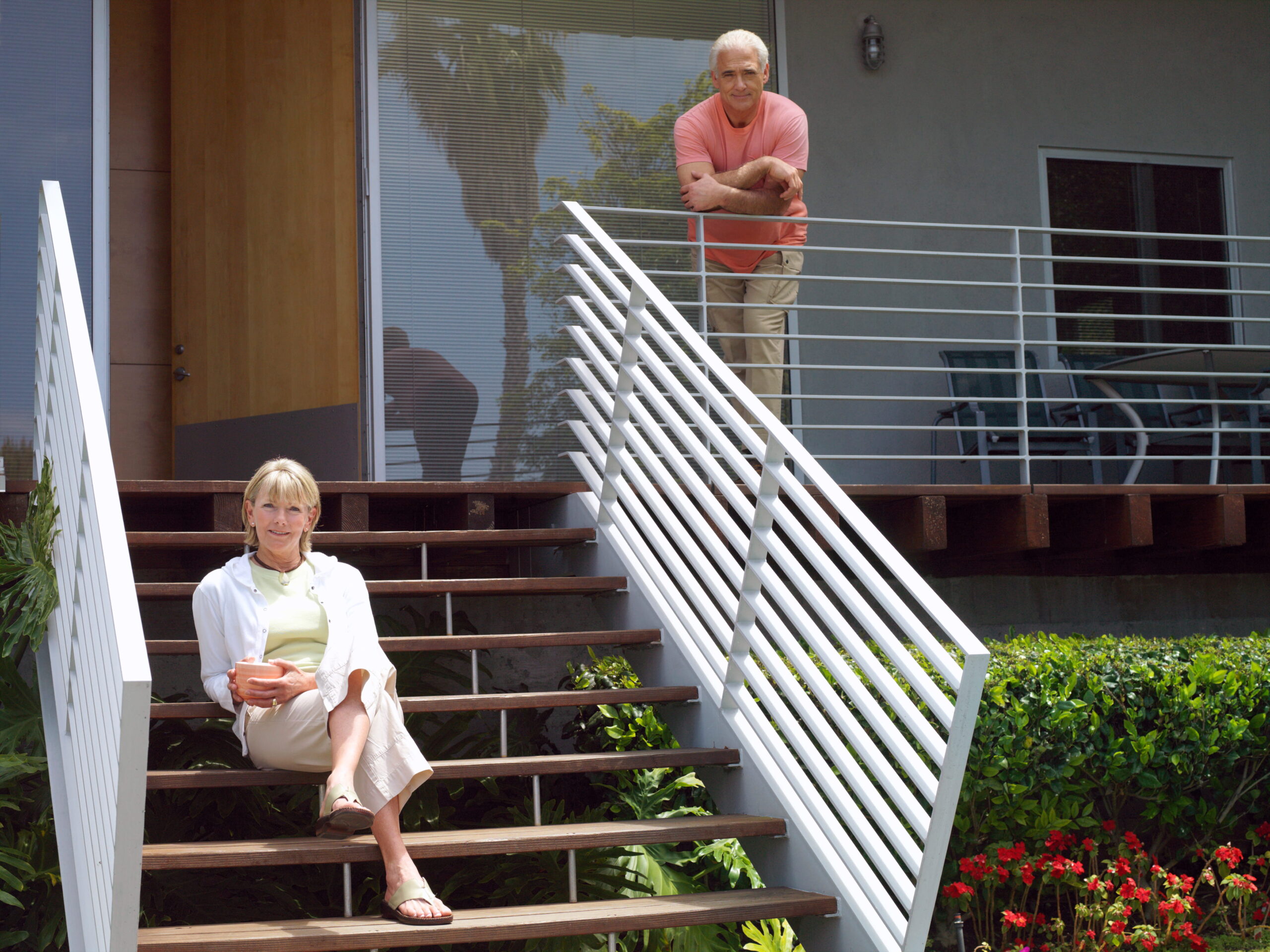
Picture this: Your beloved parent, who once danced through life with grace and independence, now navigates their home like a tightrope walker—each step a potential risk. Falls aren’t just statistics; they’re heart-stopping moments that can dramatically change a senior’s quality of life.
According to the CDC, one in four older adults experiences a fall each year, making fall prevention not just a recommendation, but a critical necessity. But here’s the good news: with strategic home modifications, we can transform living spaces from potential danger zones into safe havens of comfort and security.
Our comprehensive guide isn’t about scaring you—it’s about empowering you with practical, actionable strategies that can significantly reduce fall risks for your loved ones. Whether you’re an adult child worried about your parents’ safety, a senior seeking independence, or a caregiver committed to creating safer environments, these home modifications are your first line of defense in preserving dignity, mobility, and peace of mind.
1. Install Grab Bars in Critical Areas
Let’s talk about the unsung heroes of senior safety: grab bars. These aren’t just metal poles—they’re lifelines of independence, strategically placed support systems that can mean the difference between a near-miss and a potentially devastating fall.
Most critical installation areas include:
- Bathroom: Beside and inside the shower/tub
- Toilet areas
- Hallway transitions
- Bedroom entry points
Why Grab Bars Matter
Think of grab bars as your loved one’s personal safety net. They provide crucial support during moments of vulnerability—when balance wavers or strength momentarily falters. A well-placed grab bar transforms from a simple fixture to a confidence-boosting mobility aid.
“Safety doesn’t happen by accident. It’s a carefully planned strategy.” – Anonymous Caregiver
Installation Pro Tips
- Choose bars rated for at least 250-300 pounds
- Ensure professional, secure wall mounting
- Select textured, non-slip surfaces
- Consider contrasting colors for better visibility
Pro tip: Don’t just install—involve your senior in the process. When they understand these modifications enhance rather than limit their independence, acceptance becomes much smoother.
Bonus insight: Modern grab bars have evolved from clinical-looking metal rods to stylish, design-integrated safety solutions that blend seamlessly with home decor. Some even disguise themselves as elegant towel bars or subtle wall accessories!
Quick warning: Avoid temporary suction-cup models. They might look convenient but can fail precisely when support is most critical. Always opt for professionally installed, wall-anchored grab bars.
2. Improve Home Lighting
Imagine navigating your home in a dimly lit maze where shadows play tricks and every step feels like a potential stumble. For seniors, poor lighting isn’t just inconvenient—it’s a serious fall risk. Vision changes with age, making adequate illumination crucial for safe mobility.
Strategic lighting isn’t about flooding spaces with harsh brightness, but creating intelligent, layered illumination that enhances visibility and confidence.
Lighting Strategies
- Install motion-sensor night lights in hallways, bathrooms, and bedrooms
- Use LED strips along staircases and under cabinets
- Replace dim bulbs with higher wattage, soft white options
- Ensure light switches are easily accessible and illuminated
Smart Lighting Solutions
Modern technology offers game-changing options. Smart bulbs that can be controlled via smartphone or voice commands allow seniors to adjust lighting without physically reaching switches. Some even offer automatic dimming and brightness adjustments based on time of day.
“Good lighting doesn’t just illuminate spaces—it illuminates independence.” – Lighting Design Expert
Pro tip: Consider color temperature. Warm, soft white lights (2700-3000K) create a comfortable environment while providing clear visibility. Avoid cool, bluish tones that can feel harsh and disorienting.
For seniors in Columbus looking to enhance home safety, professional home care services can help assess and implement these lighting modifications with expertise and compassion.
Remember, effective lighting is about creating a safe, welcoming environment that supports mobility and boosts confidence. It’s not just about seeing—it’s about feeling secure in every step.
3. Remove Tripping Hazards
Tripping hazards are like silent saboteurs lurking in every corner of a home, waiting to catch an unsuspecting senior off-guard. What might seem like an innocent throw rug or a slightly uneven floor can transform into a potential catastrophe in seconds.
Common Tripping Culprits
- Loose area rugs and floor mats
- Electrical cords and extension cables
- Cluttered walkways
- Uneven flooring or threshold transitions
- Loose carpeting or floor tiles
Think of your home as a strategic fall prevention zone. Every item on the floor is a potential obstacle, and in the world of senior safety, clearing the path isn’t just recommended—it’s essential.
Practical Removal Strategies
- Secure or remove loose rugs using double-sided carpet tape
- Use cord management solutions to keep electrical wires tidy and out of walking paths
- Rearrange furniture to create wide, clear walkways
- Install threshold ramps for smooth floor transitions
“In preventing falls, the floor isn’t just a surface—it’s a critical safety landscape.” – Senior Safety Expert
Pro tip: Consider using low-pile, non-slip area rugs if you absolutely need floor coverings. These provide minimal tripping risk while adding a touch of home comfort. Look for rugs with rubber backing or use rug grippers to keep them firmly in place.
For families in Columbus seeking comprehensive senior home care, professional assessments can identify hidden tripping hazards that might escape an untrained eye.
A little proactive organization can dramatically reduce fall risks. Remember, in the world of senior safety, a clear floor isn’t just clean—it’s a lifeline of protection and independence.
4. Update Flooring and Surfaces
Let’s talk flooring—a critical yet often overlooked aspect of senior fall prevention. Your loved one’s floor isn’t just a surface; it’s a potential safety minefield that can either support or sabotage their mobility. The right flooring can be the difference between a confident stride and a heart-stopping slip.
Understanding Floor Risks
Not all floors are created equal. Slick tiles, uneven surfaces, and high-gloss finishes can transform walking into an extreme sport for seniors. According to safety experts, approximately 60% of senior falls occur on flat surfaces, making flooring modifications crucial.
Ideal Flooring Characteristics
- Non-slip texture
- Minimal height variations
- Soft but firm surface
- Easy to clean and maintain
Recommended Flooring Options
- Luxury Vinyl Plank (LVP): Offers excellent slip resistance and cushioned support
- Cork Flooring: Naturally non-slip and provides gentle shock absorption
- Low-pile Carpeting: Provides traction and reduces impact of potential falls
- Textured Ceramic Tiles: When properly selected, can provide excellent grip
“The right floor doesn’t just support feet—it supports lives.” – Home Safety Innovator
Pro tip: Avoid high-gloss finishes and extremely smooth surfaces. They might look sleek, but for seniors, they’re essentially indoor ice skating rinks. Instead, opt for matte or slightly textured finishes that provide natural grip.
Color and Contrast Matters
Color isn’t just aesthetic—it’s a safety feature. Consider floors with clear color transitions between rooms and levels. This helps seniors with depth perception challenges navigate more confidently. Contrasting colors near step edges can prevent missteps and provide visual cues.
For seniors seeking comprehensive home care solutions, professional assessments can help identify the most suitable flooring modifications tailored to individual mobility needs.
Remember, updating flooring isn’t about making a home look clinical—it’s about creating a safe, comfortable environment that preserves dignity and independence. Every square foot is an opportunity to prevent a potential fall.
Quick warning: DIY flooring projects can be tricky. Always consult professionals who understand senior-specific safety requirements. What looks like a simple upgrade could have significant mobility implications.
5. Add Handrails and Stair Safety Features
Stairs can be treacherous terrain for seniors, transforming from simple architectural features into potential fall zones. Handrails aren’t just decorative additions—they’re critical lifelines that provide stability, confidence, and essential support during vertical navigation.
Strategic Handrail Placement
- Both sides of staircase for maximum support
- Continuous rails without interruption
- Extensions at top and bottom of stairs
- Interior and exterior stairways
Think of handrails as your loved one’s personal safety guardrails. They’re not about limitation—they’re about empowering continued independence and mobility.
Essential Handrail Specifications
- Diameter: 1.25 to 1.5 inches for comfortable grip
- Secure mounting: Able to support at least 250 pounds
- Rounded edges to prevent snagging
- Contrasting color for better visibility
“A well-installed handrail is worth a thousand cautious steps.” – Home Safety Advocate
Additional Stair Safety Enhancements
- Non-slip stair treads
- Improved lighting near staircases
- Clear marking of step edges
- Removing clutter from stair areas
Pro tip: Modern handrails have evolved beyond clinical metal bars. Today’s options blend seamlessly with home decor—think elegant wooden railings, sleek metallic designs, and even integrated lighting solutions that provide safety without sacrificing style.
For seniors seeking comprehensive home care, professional assessment can help identify the most effective stair safety modifications tailored to individual mobility needs.
Remember, installing handrails isn’t about highlighting limitations—it’s about creating an environment that supports confidence, independence, and safe mobility. Each carefully placed rail is a silent guardian, ready to provide support precisely when it’s needed most.
Quick warning: Improper installation can be worse than no handrail at all. Always hire professionals who understand the specific load-bearing requirements and installation techniques for senior home safety.
 6. Implement Bathroom Safety Solutions
 6. Implement Bathroom Safety Solutions
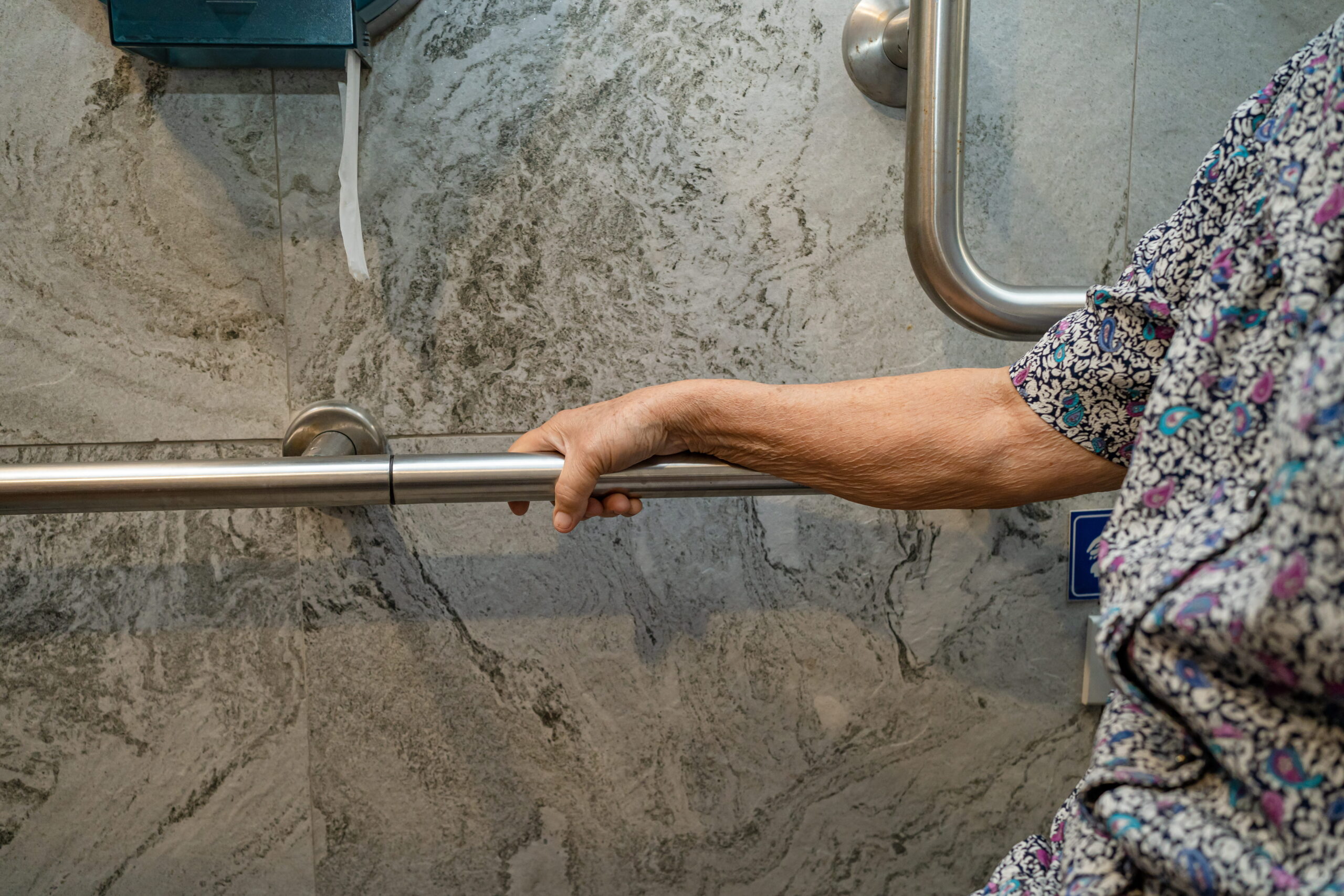
The bathroom—a seemingly innocuous space that statistically becomes one of the most dangerous rooms for seniors. Water, smooth surfaces, and tight spaces create a perfect storm for potential falls. In fact, nearly 80% of senior fall injuries occur in the bathroom, making strategic safety modifications not just smart, but essential.
Critical Bathroom Safety Components
- Non-slip bath mats with strong gripping surfaces
- Raised toilet seats with integrated handles
- Walk-in shower or tub modifications
- Shower chairs and transfer benches
- Strategically placed grab bars
Think of bathroom safety solutions as creating a personal safety ecosystem. Each modification isn’t just about preventing falls—it’s about preserving dignity, independence, and confidence during daily personal care routines.
Shower and Tub Transformation Strategies
- Install a low-threshold shower entry to eliminate stepping barriers
- Add textured, non-slip surfaces inside shower/tub
- Consider handheld shower heads for seated bathing options
- Ensure proper drainage to minimize water accumulation
“Bathroom safety isn’t about restriction—it’s about creating an environment where independence thrives.” – Senior Care Specialist
Pro tip: Modern bathroom safety equipment has become incredibly sophisticated. Gone are the days of clinical-looking medical accessories. Today’s solutions blend seamlessly with home decor, offering safety without sacrificing style. Sleek grab bars that look like towel racks, elegant shower chairs that complement bathroom aesthetics—these aren’t just safety tools, they’re design statements.
Technology-Enhanced Safety Options
- Motion-activated night lights
- Water temperature control systems
- Emergency call buttons
- Smart moisture-detection systems
For families seeking comprehensive senior home care solutions, professional assessments can help identify personalized bathroom safety modifications that respect individual mobility and comfort levels.
Remember, bathroom safety modifications aren’t about making a space feel medical—they’re about creating an environment that supports continued independence. Each carefully chosen adaptation is a silent guardian, ensuring your loved one can maintain personal hygiene with confidence and security.
Quick warning: While DIY modifications might seem cost-effective, improper installation can create more risks. Always consult professionals who understand the nuanced safety requirements for senior bathroom design.
7. Optimize Furniture Arrangement
Furniture isn’t just about decoration—it’s a critical component of fall prevention. An unoptimized living space can transform your home into an obstacle course, turning every movement into a potential risk. Strategic furniture arrangement is like choreographing a safe dance through living spaces, ensuring clear pathways and stable support.
The Strategic Layout Approach
- Create wide, unobstructed walking paths (minimum 36 inches)
- Position furniture to provide natural support points
- Remove unnecessary items that clutter movement areas
- Ensure clear routes between frequently used spaces
Think of your living space as a mobility highway. Every piece of furniture should either support movement or stay completely out of the way. No roadblocks allowed!
Smart Furniture Positioning Techniques
- Place sturdy chairs with armrests near walking routes
- Arrange furniture to create natural “walking rails”
- Ensure furniture is stable and won’t tip if used for support
- Remove low coffee tables or ottomans that create tripping hazards
“In senior home design, furniture isn’t just placed—it’s strategically positioned”
8. Use Assistive Devices
Assistive devices aren’t just tools—they’re confidence boosters and independence preservers. Think of them as personal mobility superheroes, ready to support your loved one’s journey through daily life with dignity and safety.
Essential Assistive Device Categories
- Walking Aids
- Transfer Assistance Devices
- Mobility Support Equipment
- Personal Alert Systems
Key Walking Support Options
- Walkers: Provide stable, multi-point support for balance
- Rollators: Wheeled walkers with built-in seats for rest breaks
- Canes: Lightweight, adjustable single-point support
Pro tip: Modern assistive devices are nothing like the clinical, intimidating equipment of yesteryear. Today’s options come in sleek designs, multiple colors, and ergonomic configurations that feel more like personal accessories than medical equipment.
Smart Technology Integration
- GPS-enabled mobility devices
- Wearable fall detection sensors
- Smartwatch emergency alert systems
- Bluetooth-connected mobility trackers
“The right assistive device doesn’t limit mobility—it expands possibilities.” – Mobility Innovation Expert
When selecting assistive devices, consider these critical factors:
- Individual mobility level
- Specific health conditions
- Personal comfort and confidence
- Ease of use
For seniors seeking personalized home care solutions, professional assessments can help match the perfect assistive devices to individual needs, ensuring maximum safety and independence.
Remember, assistive devices aren’t about highlighting limitations—they’re powerful tools that empower seniors to maintain autonomy, explore their environment confidently, and reduce fall risks. Each device is a silent companion, providing support precisely when and where it’s needed most.
Quick warning: One-size-fits-all doesn’t work with assistive devices. Professional fitting and training are crucial to ensure proper use and maximum effectiveness. What works wonderfully for one senior might be uncomfortable or ineffective for another.
9. Consider Smart Home Technology
Smart home technology isn’t just for tech enthusiasts—it’s a game-changing arsenal in fall prevention for seniors. Imagine a home that doesn’t just passively exist but actively works to keep your loved ones safe, using cutting-edge technology that feels like something out of a sci-fi movie.
Intelligent Fall Detection Systems
- Wearable sensors that detect sudden movements
- Floor-based motion tracking systems
- AI-powered cameras that recognize unusual movements
- Automatic alert systems connected to emergency contacts
These aren’t just gadgets—they’re digital guardians that provide an extra layer of protection and peace of mind. Smart technology transforms a potentially risky environment into a proactive safety network.
Key Smart Home Safety Features
- Motion Sensors: Detect unusual activity or prolonged inactivity
- Voice-Activated Controls: Allow seniors to manage home functions without physical strain
- Automated Lighting: Illuminate paths automatically during night movements
- Remote Monitoring: Enable family members to check in discreetly
“Technology doesn’t replace human care—it amplifies our ability to protect and support our loved ones.” – Senior Tech Innovation Expert
Pro tip: Modern smart home devices are designed with senior-friendly interfaces. We’re talking intuitive controls, larger buttons, clear voice commands, and seamless integration that doesn’t require a computer science degree to operate.
Advanced Technological Solutions
- Artificial Intelligence fall risk prediction
- Machine learning movement pattern analysis
- Integrated health monitoring systems
- Automatic emergency service notifications
For families seeking comprehensive senior care solutions, smart home technology offers an unprecedented blend of independence and safety. It’s like having a vigilant, technologically advanced caregiver watching over your loved one 24/7.
Remember, smart home technology isn’t about replacing human connection—it’s about enhancing safety, providing additional support, and giving seniors and their families extra confidence. Each sensor, each algorithm is a digital safety net, ready to catch potential risks before they become real problems.
Quick warning: While exciting, not all smart home technologies are created equal. Always consult professionals who understand senior-specific needs and can help you navigate the complex world of assistive technologies.
10. Regular Home Safety Assessments
Think of home safety assessments as routine health check-ups for your living environment—proactive, comprehensive evaluations that catch potential risks before they become dangerous realities. Just like our bodies change over time, so do our home safety needs, making regular professional assessments a critical strategy in fall prevention.
What Comprehensive Safety Assessments Include
- Detailed walkthrough of entire living space
- Identification of subtle fall hazards
- Personalized recommendations based on individual mobility
- Current assistive technology evaluation
- Ergonomic and accessibility recommendations
Professional safety assessments aren’t about criticism—they’re collaborative problem-solving sessions designed to empower seniors and their families with actionable insights.
Recommended Assessment Frequency
- Annually for generally healthy seniors
- Every 6 months for those with mobility challenges
- Immediately after any significant health changes
- Following hospital stays or medical procedures
“Prevention isn’t just about avoiding falls—it’s about maintaining independence and confidence.” – Senior Safety Expert
Pro tip: Many professional home care services offer complimentary initial safety assessments. These evaluations can provide invaluable insights into potential home modification strategies tailored to your loved one’s specific needs.
Key Assessment Focus Areas
- Mobility limitations
- Current medical conditions
- Medication side effects
- Strength and balance evaluation
- Environmental risk factors
Modern safety assessments leverage technology and professional expertise. Experts use advanced tools like gait analysis systems, balance assessment technologies, and comprehensive risk evaluation frameworks to provide nuanced recommendations.
Remember, a home safety assessment is more than a checklist—it’s a personalized roadmap to creating a secure, supportive living environment. Each recommendation is a carefully crafted strategy designed to preserve dignity, independence, and peace of mind.
Quick warning: While online checklists can be helpful, they cannot replace professional, in-person assessments. Every senior’s needs are unique, and cookie-cutter approaches can miss critical, personalized safety considerations.
By implementing these home modifications, seniors can create a safer living environment that promotes independence, confidence, and reduced fall risks. Remember, prevention is key to maintaining quality of life and avoiding potential serious injuries.