Which is Better for Your Senior Exercise Routine?
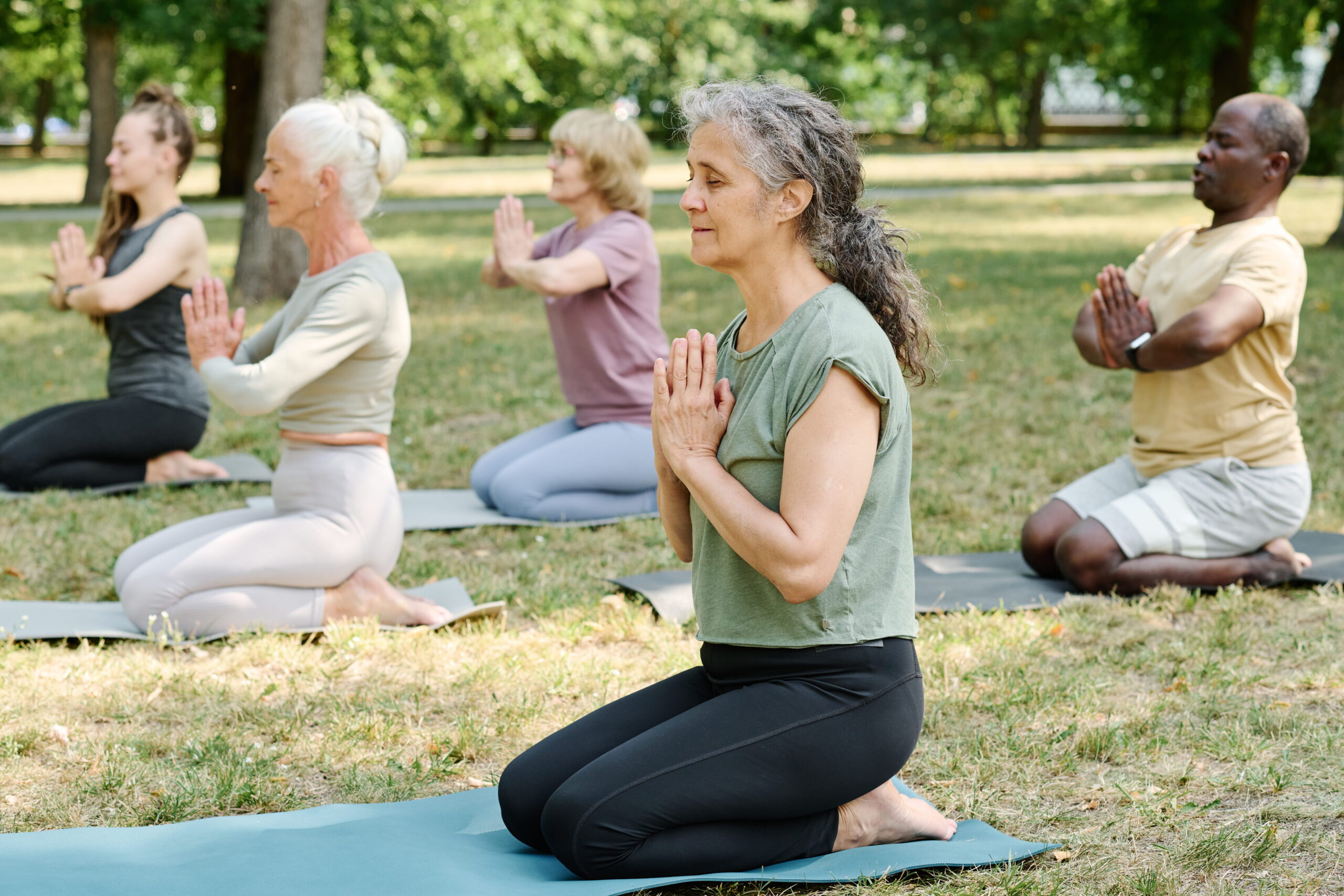
As we journey through our golden years, staying active becomes more than just a fitness goal—it’s a lifeline to maintaining independence, vitality, and joy.
For seniors seeking gentle yet effective senior exercise routines, the age-old debate between yoga and tai chi continues to intrigue health-conscious individuals looking to keep their bodies and minds nimble.
Imagine finding a workout that not only strengthens your body but also nurtures your mental well-being. According to the National Institute of Mental Health, exercise can significantly reduce symptoms of depression and anxiety in older adults—making the choice of the right fitness routine more crucial than ever. Both yoga and tai chi offer remarkable benefits that go beyond traditional senior fitness classes, promising a holistic approach to health that can transform your daily life.
Whether you’re a 65-plus individual eager to maintain mobility or a caregiver searching for the perfect low-impact exercise for seniors, understanding the unique characteristics of yoga and tai chi can help you make an informed decision about your wellness journey. Let’s dive into a comprehensive comparison that will shed light on these two incredible practices, helping you choose the most suitable path to maintaining strength, flexibility, and inner peace.
Understanding the Basics: Yoga and Tai Chi
When it comes to senior exercise routines, yoga and tai chi are like two wise cousins in the world of gentle, mindful movement—each with its own unique personality and approach to wellness. Let’s unpack these fascinating practices that have been helping older adults stay agile and centered for centuries.
The Zen of Yoga: More Than Just Stretching
Yoga isn’t just about twisting yourself into pretzel-like poses—it’s a holistic practice that originated in ancient India, combining physical postures, breathing techniques, and meditation. For seniors, yoga offers a treasure trove of benefits:
- Improves flexibility and balance
- Strengthens core muscles
- Reduces stress and promotes mental clarity
- Can be adapted to various fitness levels
Tai Chi: The Meditative Movement
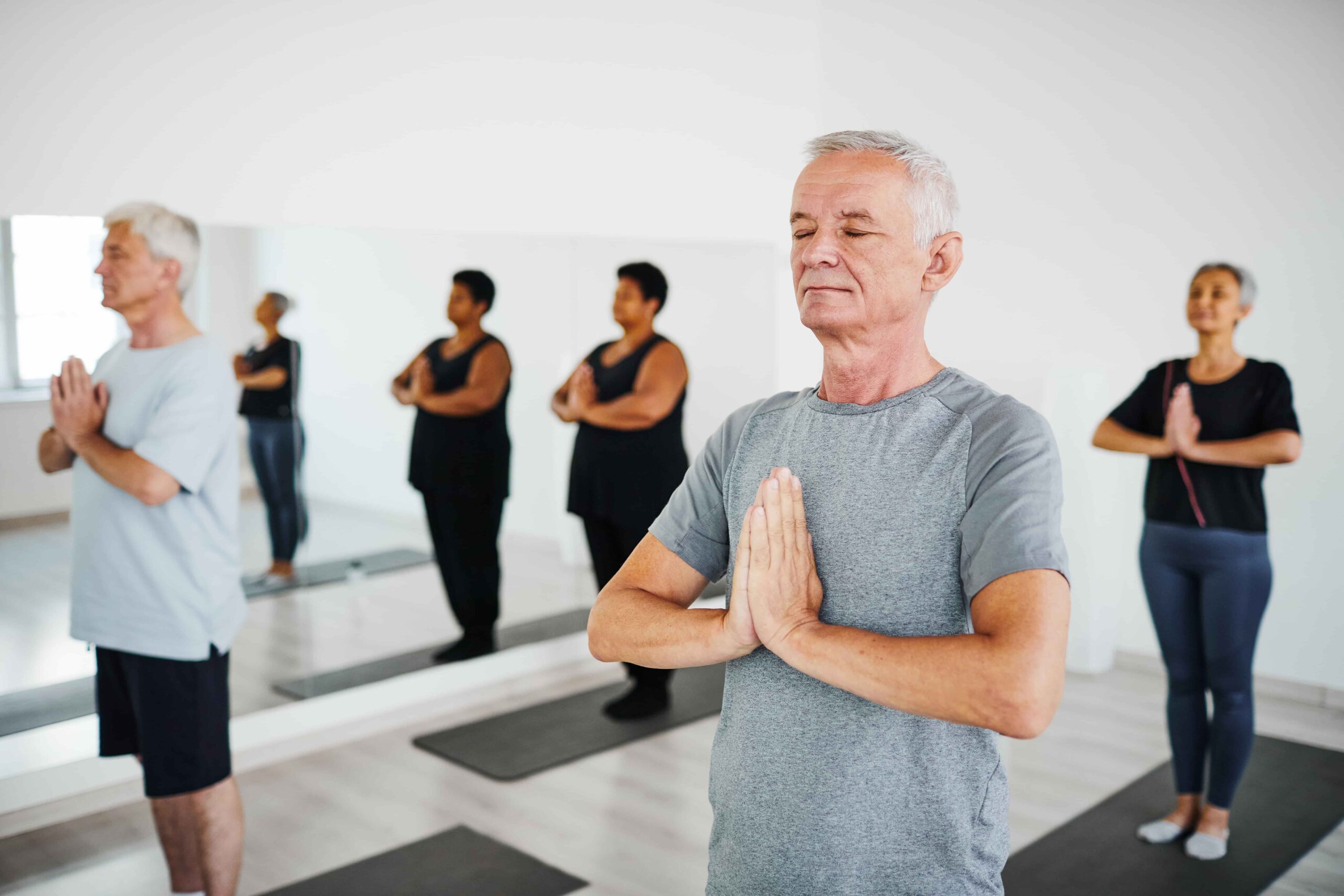
Often described as “meditation in motion”, tai chi is a Chinese martial art that transforms self-defense techniques into a graceful, flowing dance of controlled movements. It’s like a gentle choreography that speaks the language of healing and harmony.
“Tai chi is not just exercise, it’s a conversation between your body and the universe.” – Ancient Chinese Wisdom
Key characteristics of tai chi include:
- Emphasizes smooth, continuous movements
- Focuses on inner energy flow (chi)
- Excellent for improving balance and preventing falls
- Minimal impact on joints
Both practices share a beautiful commonality: they’re not just workouts for seniors, but journeys of self-discovery that happen to keep you physically fit. Whether you choose the structured poses of yoga or the fluid motions of tai chi, you’re investing in a practice that nurtures both body and soul.
Physical Benefits of Yoga for Seniors
When it comes to senior exercise routines, yoga emerges as a gentle yet powerful ally in maintaining physical health and mobility. Think of it as a fountain of youth that doesn’t require magical waters—just a yoga mat and a willingness to move mindfully.
Flexibility: Your Body’s Secret Weapon
As we age, our muscles and joints can feel like rusty hinges in need of some serious WD-40. Yoga acts as that perfect lubricant, gradually increasing flexibility and range of motion. Unlike high-impact workouts that might leave you wincing, yoga’s gentle stretches work magic on stiff muscles and tight joints.
- Improves joint mobility
- Reduces muscle stiffness
- Enhances overall body flexibility
- Helps prevent age-related mobility restrictions
Strength Training Without the Heavy Lifting
Who says you need dumbbells to build strength? Yoga’s bodyweight poses are like nature’s resistance training. Holding poses like warrior stance or chair pose can be more challenging than bench pressing—and far gentler on your joints.
“Yoga doesn’t care how old you are, how inflexible you are, or how many pounds overweight you might be. All that matters is your willingness to show up and do your best.” – Unknown
Balance: Preventing Falls, Boosting Confidence
According to the Centers for Disease Control and Prevention, falls are the leading cause of injury-related deaths among adults 65 and older. Yoga’s focus on core strength and balance creates a natural defense mechanism against potential accidents.
- Strengthens stabilizing muscles
- Improves proprioception (body awareness)
- Builds confidence in movement
- Reduces risk of falls
The beauty of yoga lies in its adaptability. Whether you’re using a chair for support or flowing through standing poses, these gentle exercises for older adults can be customized to meet individual fitness levels and physical capabilities.
Breathing: The Hidden Fitness Hack
Beyond physical postures, yoga’s breathing techniques (pranayama) offer unexpected fitness benefits. Deep, controlled breathing improves lung capacity, enhances oxygen circulation, and can even help manage chronic conditions like hypertension.
Remember, in the world of senior fitness, it’s not about how far you can stretch, but how well you listen to your body. Yoga isn’t just exercise—it’s a compassionate dialogue between your muscles, mind, and spirit.
Tai Chi: The Gentle Martial Art of Healing
Imagine a workout that feels less like exercise and more like a tranquil dance—welcome to the world of tai chi, a senior exercise routine that transforms healing into an art form. Originating in ancient China, tai chi is not just a physical practice but a holistic journey of movement, breath, and inner harmony.
The Essence of Tai Chi: Slow Motion Magic
Unlike high-intensity workouts that leave you breathless, tai chi is the zen master of gentle exercises for older adults. Its slow, deliberate movements are like poetry in motion—each gesture carefully choreographed to promote healing and balance.
- Emphasizes fluid, continuous movements
- Focuses on internal energy flow (chi)
- Minimal joint stress
- Improves overall body coordination
Balance: Your Body’s Built-in Safety Net
For seniors, maintaining balance isn’t just about staying upright—it’s about preserving independence and confidence. Tai chi acts like a natural stabilization system, training your body to move with grace and precision.
“In tai chi, there is no enemy outside, the enemy is within—and we fight it through mindful movement.” – Ancient Tai Chi Wisdom
Joint-Friendly Fitness
Where other workouts for seniors might cause discomfort, tai chi offers a sanctuary of low-impact movement. Its gentle approach makes it ideal for individuals managing arthritis, osteoporosis, or recovering from injuries.
A fascinating study from the National Institute on Aging revealed that regular tai chi practice can significantly improve balance, reduce fall risk, and enhance overall physical function in older adults. It’s like having a built-in physiotherapy session that you actually enjoy!
Mental Wellness: More Than Just Physical Movement
Tai chi transcends physical exercise. It’s a meditation in motion that nurtures mental resilience. By synchronizing breath with movement, practitioners often report:
- Reduced stress and anxiety
- Improved cognitive function
- Enhanced emotional well-being
- Better sleep quality
Whether you’re managing chronic conditions or simply seeking a home exercise routine for seniors, tai chi offers a compassionate, adaptable approach to wellness. It whispers rather than shouts, heals instead of hurts, and transforms exercise from a chore into a celebration of movement.
Remember, in tai chi, every movement tells a story—and your body is the storyteller, writing chapters of strength, flexibility, and inner peace with each gentle flow.
Comparing Health Impacts
When it comes to senior exercise routines, understanding the nuanced health impacts of yoga and tai chi can help you make an informed decision about which practice might best support your wellness journey.
Cardiovascular Health: A Gentle Approach
Both yoga and tai chi offer remarkable cardiovascular benefits without the high-impact stress of traditional cardio workouts. While they might seem gentle, these practices can be surprisingly effective at supporting heart health:
- Tai Chi: Can lower blood pressure and reduce heart disease risk
- Yoga: Helps improve heart rate variability and reduce stress-related cardiovascular strain
- Both practices promote better circulation and blood flow
Mental Wellness: Beyond Physical Movement
The mental health benefits of these practices extend far beyond simple exercise. A fascinating study from the National Institute of Mental Health highlights that targeted exercise can significantly reduce symptoms of depression and anxiety in older adults.
“Movement is medicine for creating change in a person’s physical, emotional, and mental states.” – Carol Welch
Inflammation and Chronic Conditions
For seniors managing chronic conditions, both yoga and tai chi offer promising therapeutic potential:
- Reduces inflammatory markers in the body
- Helps manage symptoms of arthritis
- Supports immune system function
- Provides pain management for various chronic conditions
Cognitive Function: Keeping the Mind Sharp
These gentle exercises for older adults do more than just move the body—they engage the mind in a unique form of mindful movement that can potentially slow cognitive decline.
- Improves concentration and mental clarity
- Enhances neuroplasticity
- Supports memory retention
- Reduces risk of age-related cognitive decline
The beauty of both yoga and tai chi lies in their holistic approach to health. They’re not just workouts for seniors, but comprehensive wellness practices that nurture body, mind, and spirit.
Personalized Practice: Finding Your Perfect Fit
Ultimately, the best senior exercise routine is the one you’ll consistently practice. Whether you’re drawn to yoga’s structured poses or tai chi’s flowing movements, the key is finding a practice that resonates with your body and brings you joy.
As with any new exercise program, it’s crucial to consult with your healthcare provider and start slowly. Listen to your body, respect its limits, and embrace the journey of movement and healing.
Choosing the Right Practice for You
Selecting the ideal senior exercise routine is like finding the perfect dance partner—it’s a personal journey that requires self-awareness, patience, and a touch of intuition. While both yoga and tai chi offer incredible benefits, your individual health needs, physical condition, and personal preferences will ultimately guide your choice.
Assessing Your Physical Condition
Consider these key factors when deciding between yoga and tai chi:
- Joint Health: If you have significant joint issues, tai chi’s ultra-low-impact movements might be more comfortable
- Flexibility: Limited flexibility? Tai chi’s flowing movements could be more forgiving than some yoga poses
- Balance Concerns: Both practices improve balance, but tai chi specifically focuses on stability
Listen to Your Body’s Whispers
Your body is an incredible communicator. Pay attention to how different movements feel. Are you more drawn to yoga’s structured poses or tai chi’s meditative flow? There’s no universal “right” answer—only what feels right for you.
“The body achieves what the mind believes. Choose a practice that speaks to your soul.” – Anonymous
Practical Considerations
Beyond physical capabilities, consider practical aspects of your potential practice:
- Class availability in your area
- Cost of instruction
- Ability to practice at home
- Comfort level with group settings
Starting Your Journey
Pro tip: You don’t have to choose just one! Many seniors find tremendous benefit in alternating between or combining elements of yoga and tai chi. Some local home care providers even offer specialized fitness programs that incorporate both practices.
Remember, the goal isn’t perfection—it’s progress. Whether you’re doing a modified yoga pose or a gentle tai chi movement, you’re investing in your health, mobility, and overall well-being.
Professional Guidance is Key
Before embarking on any new senior fitness program, consult with:
- Your primary healthcare provider
- A certified senior fitness instructor
- A physical therapist familiar with senior exercise routines
They can provide personalized recommendations based on your specific health history and current physical condition.
Final Thoughts
Choosing between yoga and tai chi isn’t about finding the “best” practice—it’s about discovering the most enjoyable, sustainable path to wellness. Approach your decision with curiosity, compassion, and an open mind. Your perfect senior exercise routine is waiting to be discovered!
Whether you choose yoga or tai chi, the most important aspect of senior wellness programs is consistent, gentle movement that supports your physical and mental health. Start slowly, listen to your body, and enjoy the journey of staying active and vibrant.