
Modern Technology Solutions That Enhance Senior Safety and Independence

Smart Home Devices for Enhanced Safety
Imagine a world where your loved one can live independently, yet you can monitor their safety from miles away. Sounds like a sci-fi movie, right? Well, welcome to the future of smart home technology for older adults. With smart devices, we’re not just talking about convenience; we’re talking about peace of mind.
According to AARP, nearly 77% of older adults want to stay in their homes as they age. But let’s face it—home can sometimes feel like a fortress of solitude. Smart home devices break down those barriers by creating a safety net that keeps seniors connected and secure.
Key Smart Devices for Safety
Let’s talk about some game-changing gadgets that have been making waves in the world of senior safety:
- Smart doorbells with cameras: Keep an eye on who’s at the door without leaving your couch.
- Motion sensors: These nifty little devices alert caregivers when movement is detected (or not detected) in key areas.
- Smart smoke detectors: No more worrying about whether your loved one remembered to check the batteries; these send alerts straight to your phone.
- Medication management systems: Automated dispensers can ensure that medications are taken on time, reducing the risk of missed doses.
The Power of Connectivity
But how do these devices actually help? you might wonder. The beauty lies in their interconnectedness. For instance, if a motion sensor detects inactivity in the living room for an extended period, it can trigger an alert to family members or caregivers. This means that if something goes wrong—be it a fall or simply forgetting to get up—help is just a notification away.
Okay, but what if my parent isn’t tech-savvy? That’s a valid concern! Many modern smart home devices are designed with user-friendliness in mind. Think large buttons, voice commands, and intuitive apps that even your tech-averse uncle could navigate after a couple of tries.
Smart Isn’t Just for Techies
But wait! What about privacy? It’s true; we’ve all heard horror stories about data breaches and hackers targeting vulnerable populations. However, many reputable brands prioritize security and offer robust encryption methods. Just remember: educate your loved ones on best practices for online safety, like using strong passwords and enabling two-factor authentication.
Imagine a world where your loved one can live independently, yet you can monitor their safety from miles away. Sounds like a sci-fi movie, right? Well, welcome to the future of smart home technology for older adults. With smart devices, we’re not just talking about convenience; we’re talking about peace of mind.
According to AARP, nearly 77% of older adults want to stay in their homes as they age. But let’s face it—home can sometimes feel like a fortress of solitude. Smart home devices break down those barriers by creating a safety net that keeps seniors connected and secure.
Key Smart Devices for Safety
Let’s talk about some game-changing gadgets that have been making waves in the world of senior safety:
- Smart doorbells with cameras: Keep an eye on who’s at the door without leaving your couch.
- Motion sensors: These nifty little devices alert caregivers when movement is detected (or not detected) in key areas.
- Smart smoke detectors: No more worrying about whether your loved one remembered to check the batteries; these send alerts straight to your phone.
- Medication management systems: Automated dispensers can ensure that medications are taken on time, reducing the risk of missed doses.
The Power of Connectivity
But how do these devices actually help? you might wonder. The beauty lies in their interconnectedness. For instance, if a motion sensor detects inactivity in the living room for an extended period, it can trigger an alert to family members or caregivers. This means that if something goes wrong—be it a fall or simply forgetting to get up—help is just a notification away.
Okay, but what if my parent isn’t tech-savvy? That’s a valid concern! Many modern smart home devices are designed with user-friendliness in mind. Think large buttons, voice commands, and intuitive apps that even your tech-averse uncle could navigate after a couple of tries.
Smart Isn’t Just for Techies
But wait! What about privacy? It’s true; we’ve all heard horror stories about data breaches and hackers targeting vulnerable populations. However, many reputable brands prioritize security and offer robust encryption methods. Just remember: educate your loved ones on best practices for online safety, like using strong passwords and enabling two-factor authentication.
Wearable Technology and Health Monitoring
Imagine a world where your loved one can monitor their health with just a flick of their wrist. Sounds futuristic? Well, this is the reality of wearable technology for older adults. According to the CDC, nearly 80% of older adults have at least one chronic condition, making health monitoring not just a luxury but a necessity.
Wearable devices like smartwatches and fitness trackers are revolutionizing how seniors manage their health. These gadgets don’t just count steps; they track heart rates, detect falls, and even remind users to take medications. For instance, consider a senior named Betty who lives alone. With her smartwatch, she receives alerts if her heart rate spikes or drops too low, allowing her to seek help before things escalate.
Key Features of Wearable Devices
So what makes these wearables so essential? Let’s break down some key features that are game-changers for health monitoring:
- Heart Rate Monitoring: Keep tabs on cardiovascular health in real-time.
- Fall Detection: Automatically alerts emergency contacts if a fall is detected.
- Medication Reminders: Sends notifications when it’s time to take meds.
- Activity Tracking: Encourages movement by tracking daily activity levels.
Wearable technology can reduce hospital visits by enabling proactive health management.
Real-World Impact
But does it really make a difference? you might ask. Absolutely! A study published in the Journal of Medical Internet Research found that seniors using wearable devices reported improved physical activity levels and better management of chronic conditions. Take George, for example; after starting to use his fitness tracker, he became more aware of his daily activity levels and drastically improved his overall health.
But what about the tech-savvy barrier? This is where modern design comes into play. Many wearables now feature large displays and intuitive interfaces tailored for older users. Plus, family members can access data through companion apps to stay informed about their loved one’s health status.
The Human Element
Here’s the kicker—technology isn’t a substitute for human interaction! While wearables provide invaluable data, they should complement regular check-ins from family or caregivers. Regular conversations about how your loved one feels can bridge the gap between tech and emotional well-being.
Imagine a world where your loved one can monitor their health with just a flick of their wrist. Sounds futuristic? Well, this is the reality of wearable technology for older adults. According to the CDC, nearly 80% of older adults have at least one chronic condition, making health monitoring not just a luxury but a necessity.
Wearable devices like smartwatches and fitness trackers are revolutionizing how seniors manage their health. These gadgets don’t just count steps; they track heart rates, detect falls, and even remind users to take medications. For instance, consider a senior named Betty who lives alone. With her smartwatch, she receives alerts if her heart rate spikes or drops too low, allowing her to seek help before things escalate.
Key Features of Wearable Devices
So what makes these wearables so essential? Let’s break down some key features that are game-changers for health monitoring:
- Heart Rate Monitoring: Keep tabs on cardiovascular health in real-time.
- Fall Detection: Automatically alerts emergency contacts if a fall is detected.
- Medication Reminders: Sends notifications when it’s time to take meds.
- Activity Tracking: Encourages movement by tracking daily activity levels.
Wearable technology can reduce hospital visits by enabling proactive health management.
Real-World Impact
But does it really make a difference? you might ask. Absolutely! A study published in the Journal of Medical Internet Research found that seniors using wearable devices reported improved physical activity levels and better management of chronic conditions. Take George, for example; after starting to use his fitness tracker, he became more aware of his daily activity levels and drastically improved his overall health.
But what about the tech-savvy barrier? This is where modern design comes into play. Many wearables now feature large displays and intuitive interfaces tailored for older users. Plus, family members can access data through companion apps to stay informed about their loved one’s health status.
The Human Element
Here’s the kicker—technology isn’t a substitute for human interaction! While wearables provide invaluable data, they should complement regular check-ins from family or caregivers. Regular conversations about how your loved one feels can bridge the gap between tech and emotional well-being.
 Telehealth Solutions for Accessible Healthcare
Imagine your aging parent, nestled comfortably in their favorite armchair, chatting with their doctor without ever having to leave the house. Sounds convenient, right? Well, that’s the magic of telehealth solutions—where healthcare meets technology for older adults.
According to a report from the American Hospital Association, 76% of hospitals now offer telehealth services. This shift isn’t just a trend; it’s a lifeline for many seniors who might find traditional office visits overwhelming or physically challenging.
Take Doris, for example. At 78, she’s not exactly ready to tackle traffic or navigate a crowded waiting room. With her new telehealth setup, she can consult her healthcare provider via video call. No more worrying about missed appointments or exposure to illnesses in waiting rooms—just good old-fashioned health advice from the comfort of home.
Benefits of Telehealth for Seniors
So why is telehealth such a game changer? Let’s break it down:
- Convenience: No travel time means more time spent on what matters.
- Accessibility: Ideal for those with mobility issues or chronic conditions.
- Reduced Stress: Familiar surroundings can ease anxiety during appointments.
- Immediate Care: Quick access to healthcare professionals when needed.
Telehealth can significantly reduce the barriers seniors face in accessing healthcare.
Navigating Telehealth Platforms
But what if my parent struggles with technology? This is a common concern! Many telehealth platforms are designed with user-friendliness in mind. For instance, some apps feature large buttons and simple interfaces that even the most tech-challenged individuals can navigate after a little practice.
Plus, family members can step in as tech support! A quick tutorial on how to log in and start a call can make all the difference.
The Human Touch in Telehealth
Imagine your aging parent, nestled comfortably in their favorite armchair, chatting with their doctor without ever having to leave the house. Sounds convenient, right? Well, that’s the magic of telehealth solutions—where healthcare meets technology for older adults.
According to a report from the American Hospital Association, 76% of hospitals now offer telehealth services. This shift isn’t just a trend; it’s a lifeline for many seniors who might find traditional office visits overwhelming or physically challenging.
Take Doris, for example. At 78, she’s not exactly ready to tackle traffic or navigate a crowded waiting room. With her new telehealth setup, she can consult her healthcare provider via video call. No more worrying about missed appointments or exposure to illnesses in waiting rooms—just good old-fashioned health advice from the comfort of home.
Benefits of Telehealth for Seniors
So why is telehealth such a game changer? Let’s break it down:
- Convenience: No travel time means more time spent on what matters.
- Accessibility: Ideal for those with mobility issues or chronic conditions.
- Reduced Stress: Familiar surroundings can ease anxiety during appointments.
- Immediate Care: Quick access to healthcare professionals when needed.
Telehealth can significantly reduce the barriers seniors face in accessing healthcare.
Navigating Telehealth Platforms
But what if my parent struggles with technology? This is a common concern! Many telehealth platforms are designed with user-friendliness in mind. For instance, some apps feature large buttons and simple interfaces that even the most tech-challenged individuals can navigate after a little practice.
Plus, family members can step in as tech support! A quick tutorial on how to log in and start a call can make all the difference.
The Human Touch in Telehealth
Social Connectivity Tools to Combat Isolation
Did you know that nearly 43% of seniors report feeling lonely? That’s a staggering statistic that highlights a growing issue in our aging population. Loneliness isn’t just an emotional burden; it can lead to serious health problems, making social connectivity tools essential for older adults.
Take Frank, for instance. At 72, he lives alone and often finds himself reminiscing about the good old days with friends who have either moved away or passed on. But thanks to technology for older adults, he’s discovered a new lease on social life through various apps and devices designed specifically to keep him connected.
Key Social Connectivity Tools
So what exactly is out there to help combat isolation? Here are some standout options that have been making waves:
- Video calling platforms like Zoom and FaceTime: These tools allow seniors to see and talk to family members, bridging the gap created by distance.
- Social media platforms tailored for older adults: Websites like Senior Chatters provide a safe space for seniors to connect with peers who share similar interests.
- Online gaming: Believe it or not, games like Words with Friends can foster friendships while keeping minds active.
- Community forums: Websites like Nextdoor connect seniors with local events and neighbors, giving them a sense of belonging.
The right technology can significantly reduce feelings of isolation among older adults.
Real-World Impact
But do these tools really work? you might ask. The answer is a resounding yes! A study from the University of California found that seniors who engage regularly in online social activities report higher levels of happiness and lower levels of depression.
Take Linda, for example—after learning how to use Facebook, she reconnected with high school friends she hadn’t spoken to in decades. Now they have weekly virtual coffee dates! This is just one example of how technology can facilitate genuine connections.
Tech-Savvy Doesn’t Have to Mean Young
Now here’s the kicker—what if your loved one isn’t exactly tech-savvy? Many older adults feel intimidated by new technology. But fear not! User-friendly interfaces are on the rise. Many apps now feature large buttons and simple layouts designed specifically for older users.
Plus, family members can play an active role in helping them get started. A little guidance goes a long way!
In conclusion, embracing technology for older adults isn’t just about gadgets; it’s about enhancing their lives through meaningful connections. Think about ways you can introduce these tools to your loved ones—because everyone deserves companionship!
Did you know that nearly 43% of seniors report feeling lonely? That’s a staggering statistic that highlights a growing issue in our aging population. Loneliness isn’t just an emotional burden; it can lead to serious health problems, making social connectivity tools essential for older adults.
Take Frank, for instance. At 72, he lives alone and often finds himself reminiscing about the good old days with friends who have either moved away or passed on. But thanks to technology for older adults, he’s discovered a new lease on social life through various apps and devices designed specifically to keep him connected.
Key Social Connectivity Tools
So what exactly is out there to help combat isolation? Here are some standout options that have been making waves:
- Video calling platforms like Zoom and FaceTime: These tools allow seniors to see and talk to family members, bridging the gap created by distance.
- Social media platforms tailored for older adults: Websites like Senior Chatters provide a safe space for seniors to connect with peers who share similar interests.
- Online gaming: Believe it or not, games like Words with Friends can foster friendships while keeping minds active.
- Community forums: Websites like Nextdoor connect seniors with local events and neighbors, giving them a sense of belonging.
The right technology can significantly reduce feelings of isolation among older adults.
Real-World Impact
But do these tools really work? you might ask. The answer is a resounding yes! A study from the University of California found that seniors who engage regularly in online social activities report higher levels of happiness and lower levels of depression.
Take Linda, for example—after learning how to use Facebook, she reconnected with high school friends she hadn’t spoken to in decades. Now they have weekly virtual coffee dates! This is just one example of how technology can facilitate genuine connections.
Tech-Savvy Doesn’t Have to Mean Young
Now here’s the kicker—what if your loved one isn’t exactly tech-savvy? Many older adults feel intimidated by new technology. But fear not! User-friendly interfaces are on the rise. Many apps now feature large buttons and simple layouts designed specifically for older users.
Plus, family members can play an active role in helping them get started. A little guidance goes a long way!
In conclusion, embracing technology for older adults isn’t just about gadgets; it’s about enhancing their lives through meaningful connections. Think about ways you can introduce these tools to your loved ones—because everyone deserves companionship!
 Mobility Aids Enhanced by Technology
When was the last time you saw a senior using a walker that looked like it was designed in the 1980s? It’s time to ditch those clunky contraptions for something that actually matches the tech-savvy world we live in. With advancements in mobility aids, older adults are not just getting around; they’re doing so with style and ease.
According to a report by the World Health Organization, nearly 15% of older adults experience some form of mobility impairment. This isn’t just a statistic; it’s a reality that affects their independence and quality of life. Enter technology for older adults—a game-changer in the realm of mobility aids.
Smart Walkers and Rollators
Imagine a walker equipped with sensors that can detect when its user is losing balance. Smart walkers are revolutionizing how seniors navigate their environments. These high-tech devices often come with built-in GPS, fall detection systems, and even health monitoring features. For instance, consider Mary, an active 70-year-old who loves to stroll through her neighborhood park. Her smart walker alerts her family if she takes a tumble, ensuring help is always within reach.
- GPS tracking: Helps caregivers locate their loved ones if they wander off.
- Fall detection: Sends alerts to emergency contacts if a fall is detected.
- Health monitoring: Tracks vital signs like heart rate or oxygen levels.
Smart walkers empower seniors to maintain independence while providing peace of mind for families.
Electric Scooters: Freedom on Wheels
I can finally go grocery shopping without worrying about tiring out! This is what many seniors say after switching to electric scooters. These nifty machines allow for longer distances and less physical strain, making outings enjoyable again. Take Bob, for example—after years of feeling housebound due to mobility issues, his electric scooter has opened up new avenues for social interaction and community engagement.
- “Long battery life: Many models can travel over 20 miles on a single charge.
- “Compact design: Easily fits in most car trunks for convenient transport.
- “User-friendly controls: Designed with intuitive interfaces for easy navigation.
Electric scooters enhance mobility while promoting social engagement among seniors.
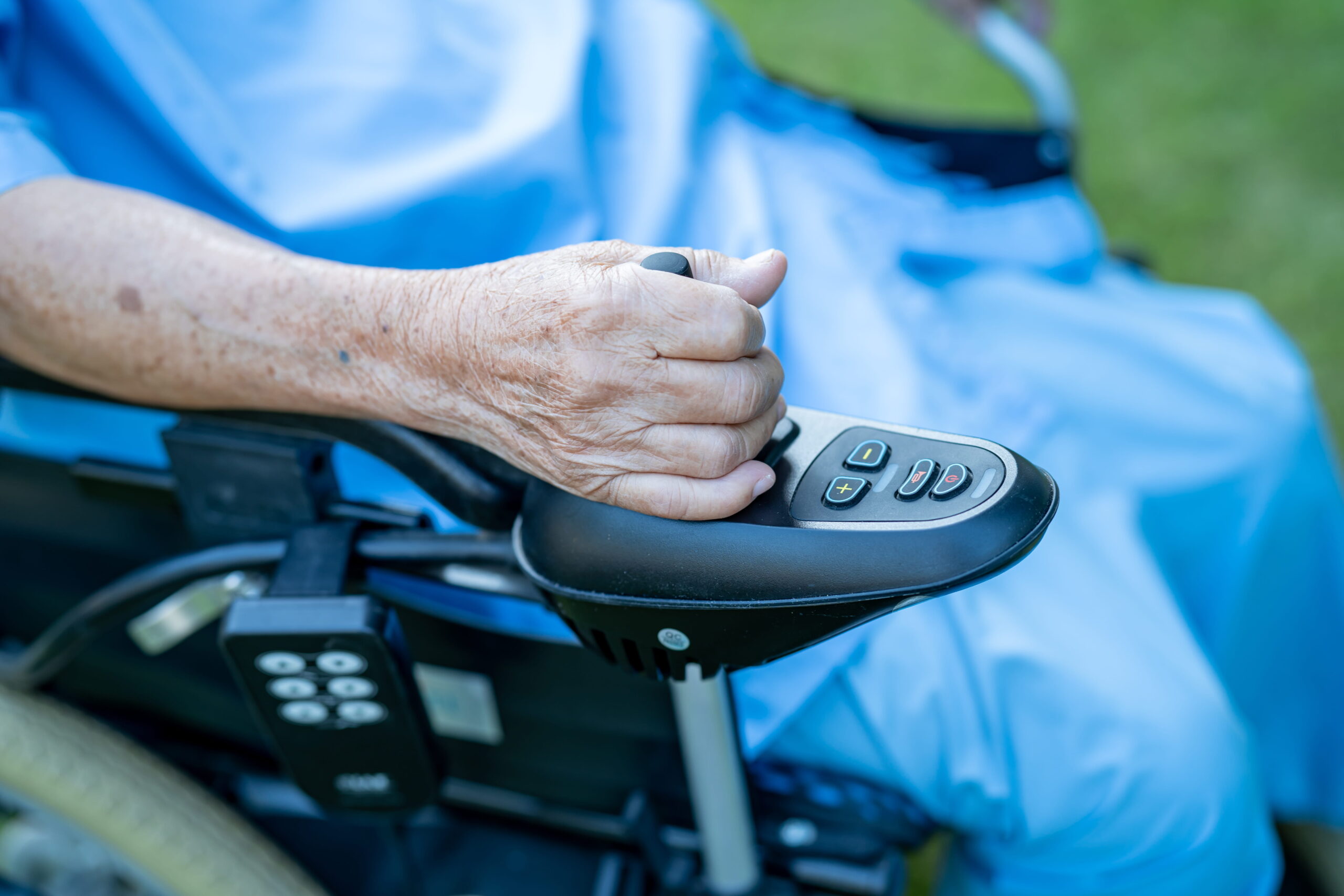
Smart Wheelchairs
- Obstacle detection: Prevents collisions with furniture or walls.
- Voice commands: Allows users to control movements hands-free.
- Smartphone integration: Users can track battery life or set routes via an app.
Smart wheelchairs redefine mobility by combining technology with user-friendly design.
The bottom line? Embracing technology for older adults in mobility aids isn’t just about convenience; it’s about enhancing quality of life. As you explore options for your loved ones, consider how these modern solutions can provide them not only freedom but also peace of mind.
When was the last time you saw a senior using a walker that looked like it was designed in the 1980s? It’s time to ditch those clunky contraptions for something that actually matches the tech-savvy world we live in. With advancements in mobility aids, older adults are not just getting around; they’re doing so with style and ease.
According to a report by the World Health Organization, nearly 15% of older adults experience some form of mobility impairment. This isn’t just a statistic; it’s a reality that affects their independence and quality of life. Enter technology for older adults—a game-changer in the realm of mobility aids.
Smart Walkers and Rollators
Imagine a walker equipped with sensors that can detect when its user is losing balance. Smart walkers are revolutionizing how seniors navigate their environments. These high-tech devices often come with built-in GPS, fall detection systems, and even health monitoring features. For instance, consider Mary, an active 70-year-old who loves to stroll through her neighborhood park. Her smart walker alerts her family if she takes a tumble, ensuring help is always within reach.
- GPS tracking: Helps caregivers locate their loved ones if they wander off.
- Fall detection: Sends alerts to emergency contacts if a fall is detected.
- Health monitoring: Tracks vital signs like heart rate or oxygen levels.
Smart walkers empower seniors to maintain independence while providing peace of mind for families.
Electric Scooters: Freedom on Wheels
I can finally go grocery shopping without worrying about tiring out! This is what many seniors say after switching to electric scooters. These nifty machines allow for longer distances and less physical strain, making outings enjoyable again. Take Bob, for example—after years of feeling housebound due to mobility issues, his electric scooter has opened up new avenues for social interaction and community engagement.
- “Long battery life: Many models can travel over 20 miles on a single charge.
- “Compact design: Easily fits in most car trunks for convenient transport.
- “User-friendly controls: Designed with intuitive interfaces for easy navigation.
Electric scooters enhance mobility while promoting social engagement among seniors.
Smart Wheelchairs
- Obstacle detection: Prevents collisions with furniture or walls.
- Voice commands: Allows users to control movements hands-free.
- Smartphone integration: Users can track battery life or set routes via an app.
Smart wheelchairs redefine mobility by combining technology with user-friendly design.
The bottom line? Embracing technology for older adults in mobility aids isn’t just about convenience; it’s about enhancing quality of life. As you explore options for your loved ones, consider how these modern solutions can provide them not only freedom but also peace of mind.
Assistive Technologies for Daily Living Activities
Let’s face it—daily living activities can feel like a Herculean task for many seniors. Simple things like cooking, cleaning, or even getting dressed can become challenges as mobility decreases and cognitive functions change. Enter technology for older adults—your new best friend in transforming these everyday tasks from daunting to doable.
Consider the case of Eleanor, a vibrant 75-year-old who loves to entertain her family but struggles with chopping vegetables due to arthritis. With the help of assistive kitchen devices, she can now whip up her famous lasagna without wincing in pain. From ergonomic tools to smart appliances, technology is stepping in to make life easier.
Ergonomic Tools and Gadgets
Ergonomic tools are designed specifically to reduce strain and enhance comfort during use. Here are some standout options that have been game-changers in daily living:
- Adaptive utensils: Forks and spoons with built-up handles make eating more manageable.
- Jar openers: Simple devices that take the effort out of twisting stubborn lids.
- Reachers: Long-handled grabbers allow seniors to pick up items without bending over or stretching.
Ergonomic tools can significantly improve quality of life by making daily tasks less painful.
Smart Home Assistants
Hey, Alexa! What’s on my calendar today? Smart home assistants have become invaluable companions for older adults, offering hands-free support for a variety of daily activities. These voice-activated wonders can set reminders, control smart home devices, and even make phone calls—all without lifting a finger.
But what if my parent doesn’t want a device listening in on their conversations? That’s a valid concern! The beauty of these systems lies in their privacy settings. Most allow users to disable features when not needed, ensuring peace of mind while still providing assistance when it counts.
Smart assistants can help seniors maintain independence by simplifying daily tasks.
Tech-Savvy Can Be Learned
But what if my loved one isn’t tech-savvy? This is where patience comes into play. Many older adults may initially resist using technology due to unfamiliarity or fear of making mistakes. A little encouragement goes a long way! Consider setting aside some time each week to explore these gadgets together—turning tech time into quality bonding moments.
In summary, integrating assistive technologies into the daily lives of older adults isn’t just about convenience; it’s about restoring dignity and confidence. As you explore options for your loved ones, think about how these innovative solutions can transform mundane tasks into manageable ones. After all, everyone deserves the chance to enjoy life fully!
Let’s face it—daily living activities can feel like a Herculean task for many seniors. Simple things like cooking, cleaning, or even getting dressed can become challenges as mobility decreases and cognitive functions change. Enter technology for older adults—your new best friend in transforming these everyday tasks from daunting to doable.
Consider the case of Eleanor, a vibrant 75-year-old who loves to entertain her family but struggles with chopping vegetables due to arthritis. With the help of assistive kitchen devices, she can now whip up her famous lasagna without wincing in pain. From ergonomic tools to smart appliances, technology is stepping in to make life easier.
Ergonomic Tools and Gadgets
Ergonomic tools are designed specifically to reduce strain and enhance comfort during use. Here are some standout options that have been game-changers in daily living:
- Adaptive utensils: Forks and spoons with built-up handles make eating more manageable.
- Jar openers: Simple devices that take the effort out of twisting stubborn lids.
- Reachers: Long-handled grabbers allow seniors to pick up items without bending over or stretching.
Ergonomic tools can significantly improve quality of life by making daily tasks less painful.
Smart Home Assistants
Hey, Alexa! What’s on my calendar today? Smart home assistants have become invaluable companions for older adults, offering hands-free support for a variety of daily activities. These voice-activated wonders can set reminders, control smart home devices, and even make phone calls—all without lifting a finger.
But what if my parent doesn’t want a device listening in on their conversations? That’s a valid concern! The beauty of these systems lies in their privacy settings. Most allow users to disable features when not needed, ensuring peace of mind while still providing assistance when it counts.
Smart assistants can help seniors maintain independence by simplifying daily tasks.
Tech-Savvy Can Be Learned
But what if my loved one isn’t tech-savvy? This is where patience comes into play. Many older adults may initially resist using technology due to unfamiliarity or fear of making mistakes. A little encouragement goes a long way! Consider setting aside some time each week to explore these gadgets together—turning tech time into quality bonding moments.
In summary, integrating assistive technologies into the daily lives of older adults isn’t just about convenience; it’s about restoring dignity and confidence. As you explore options for your loved ones, think about how these innovative solutions can transform mundane tasks into manageable ones. After all, everyone deserves the chance to enjoy life fully!
 Data Security and Privacy Considerations in Senior Technology
Did you know that nearly 60% of older adults express concerns about their privacy when using technology? This isn’t just a passing worry; it’s a legitimate concern that can hinder the adoption of life-enhancing devices. As we embrace technology for older adults, understanding data security and privacy becomes paramount.
Imagine a scenario where your tech-savvy parent is using a health monitoring device that tracks their daily activities and vital signs. While the device provides invaluable insights into their health, it also collects sensitive data. If that information falls into the wrong hands, it could lead to identity theft or even scams targeting vulnerable seniors. This isn’t just hypothetical; it’s a reality that many families face today.
Understanding Data Collection
Many devices designed for older adults collect various types of data—ranging from health metrics to daily routines. It’s essential to understand what data is being collected and how it is used. For instance, smart home devices may track when someone enters or leaves a room, which can be useful for monitoring safety but also raises questions about surveillance.
- Health data: Information about heart rate, activity levels, and medication adherence.
- Location data: GPS tracking from wearables or smart walkers.
- Usage patterns: How often devices are used and at what times.
The Importance of Robust Security Measures
To mitigate risks, look for devices from reputable manufacturers who prioritize security. Features such as end-to-end encryption and regular software updates are non-negotiable. For example, if your loved one uses a smart home device, ensure it has strong password policies and two-factor authentication options to keep their information secure.
Important: Always read the privacy policy of any device before purchasing—it should clearly outline how your data will be used and protected.
Educating Seniors on Online Safety
Cybersecurity might sound like something straight out of a spy movie, but it’s crucial for seniors navigating technology today. Teaching them basic online safety practices can go a long way in protecting their personal information. Simple strategies include avoiding sharing sensitive details on social media and recognizing phishing attempts in emails.
In conclusion, as we navigate the landscape of technology for older adults, keeping an eye on data security and privacy is essential. By selecting secure devices and fostering open conversations about online safety, we can enhance our loved ones’ independence while ensuring their personal information remains protected.
Did you know that nearly 60% of older adults express concerns about their privacy when using technology? This isn’t just a passing worry; it’s a legitimate concern that can hinder the adoption of life-enhancing devices. As we embrace technology for older adults, understanding data security and privacy becomes paramount.
Imagine a scenario where your tech-savvy parent is using a health monitoring device that tracks their daily activities and vital signs. While the device provides invaluable insights into their health, it also collects sensitive data. If that information falls into the wrong hands, it could lead to identity theft or even scams targeting vulnerable seniors. This isn’t just hypothetical; it’s a reality that many families face today.
Understanding Data Collection
Many devices designed for older adults collect various types of data—ranging from health metrics to daily routines. It’s essential to understand what data is being collected and how it is used. For instance, smart home devices may track when someone enters or leaves a room, which can be useful for monitoring safety but also raises questions about surveillance.
- Health data: Information about heart rate, activity levels, and medication adherence.
- Location data: GPS tracking from wearables or smart walkers.
- Usage patterns: How often devices are used and at what times.
The Importance of Robust Security Measures
To mitigate risks, look for devices from reputable manufacturers who prioritize security. Features such as end-to-end encryption and regular software updates are non-negotiable. For example, if your loved one uses a smart home device, ensure it has strong password policies and two-factor authentication options to keep their information secure.
Important: Always read the privacy policy of any device before purchasing—it should clearly outline how your data will be used and protected.
Educating Seniors on Online Safety
Cybersecurity might sound like something straight out of a spy movie, but it’s crucial for seniors navigating technology today. Teaching them basic online safety practices can go a long way in protecting their personal information. Simple strategies include avoiding sharing sensitive details on social media and recognizing phishing attempts in emails.
In conclusion, as we navigate the landscape of technology for older adults, keeping an eye on data security and privacy is essential. By selecting secure devices and fostering open conversations about online safety, we can enhance our loved ones’ independence while ensuring their personal information remains protected.
Training and Support Resources for Seniors and Caregivers
Here’s a startling fact: nearly 70% of caregivers report feeling unprepared for the challenges they face. That’s like being handed the keys to a spaceship without any training! When it comes to using technology for older adults, having the right resources can make all the difference.
Consider Lisa, a daughter who recently became her mother’s primary caregiver. She found herself overwhelmed by the array of gadgets meant to boost her mom’s independence. From smart home devices to health monitoring wearables, Lisa wondered how she would ever get a grasp on it all. Fortunately, she discovered training programs specifically designed for caregivers like her.
Online Training Platforms
Online training platforms are a treasure trove for both seniors and their caregivers. Websites like CareAcademy and Aging Life Care Association offer courses that cover everything from using telehealth services to understanding smart home technologies. These platforms empower caregivers with knowledge and skills they need to confidently support their loved ones.
- CareAcademy: Offers video courses tailored for family caregivers.
- Aging Life Care Association: Provides resources on aging-related topics.
- Alzheimer’s Association: Features training on managing cognitive decline.
Community Workshops
Local community centers often host workshops focused on technology education for seniors and caregivers. These hands-on sessions allow participants to engage directly with devices under the guidance of knowledgeable instructors. Imagine your loved one learning how to use a tablet while sipping coffee in a friendly environment—talk about a win-win!
Key takeaway: Community workshops foster social interaction while educating seniors about technology.
Family Support Networks
Here’s a startling fact: nearly 70% of caregivers report feeling unprepared for the challenges they face. That’s like being handed the keys to a spaceship without any training! When it comes to using technology for older adults, having the right resources can make all the difference.
Consider Lisa, a daughter who recently became her mother’s primary caregiver. She found herself overwhelmed by the array of gadgets meant to boost her mom’s independence. From smart home devices to health monitoring wearables, Lisa wondered how she would ever get a grasp on it all. Fortunately, she discovered training programs specifically designed for caregivers like her.
Online Training Platforms
Online training platforms are a treasure trove for both seniors and their caregivers. Websites like CareAcademy and Aging Life Care Association offer courses that cover everything from using telehealth services to understanding smart home technologies. These platforms empower caregivers with knowledge and skills they need to confidently support their loved ones.
- CareAcademy: Offers video courses tailored for family caregivers.
- Aging Life Care Association: Provides resources on aging-related topics.
- Alzheimer’s Association: Features training on managing cognitive decline.
Community Workshops
Local community centers often host workshops focused on technology education for seniors and caregivers. These hands-on sessions allow participants to engage directly with devices under the guidance of knowledgeable instructors. Imagine your loved one learning how to use a tablet while sipping coffee in a friendly environment—talk about a win-win!
Key takeaway: Community workshops foster social interaction while educating seniors about technology.