
Physical Therapy for Elderly Patients: Regaining Mobility and Independence
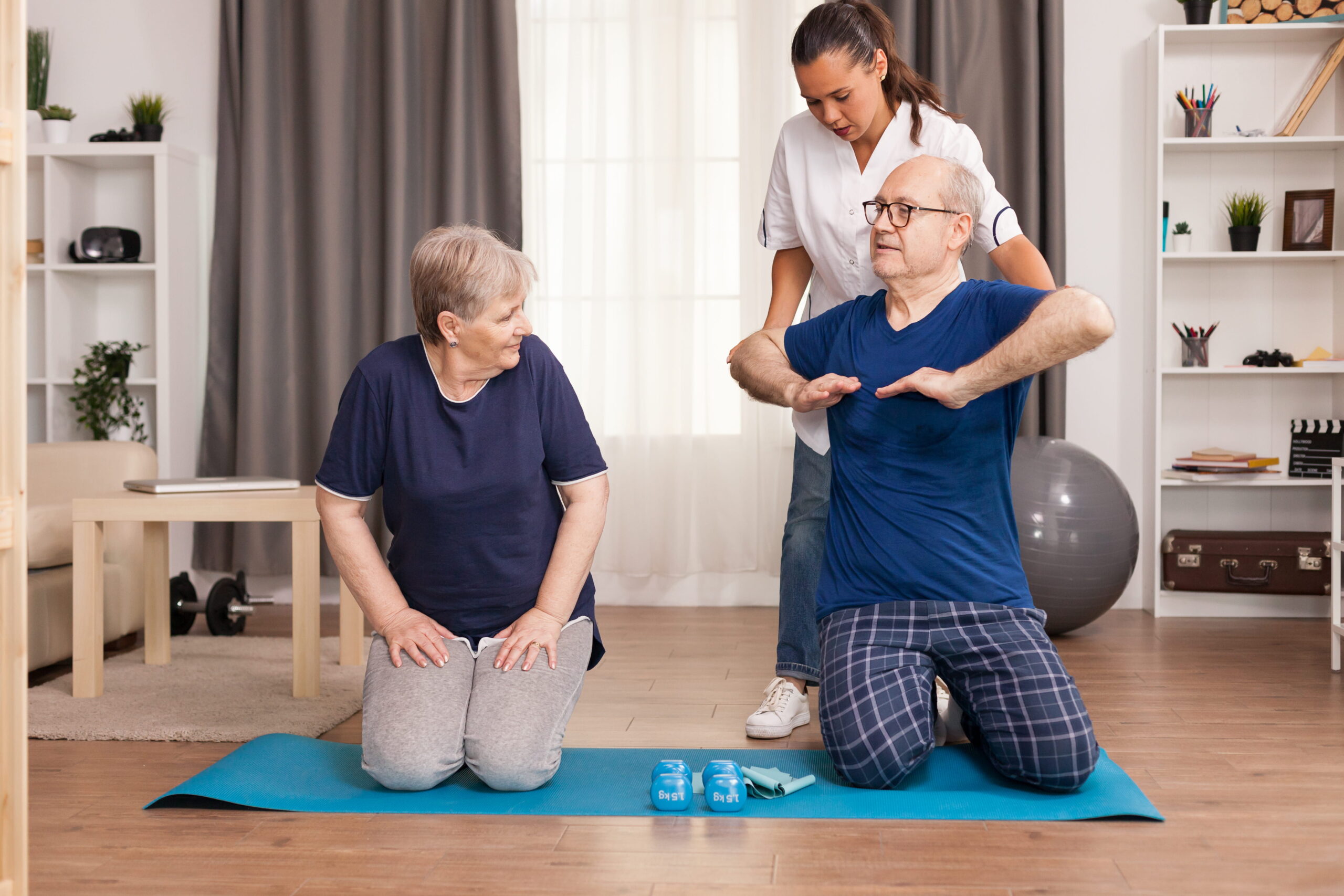
Understanding Age-Related Mobility Challenges
Age-related mobility challenges are multifaceted, often rooted in a combination of physical and psychological factors. Conditions such as arthritis, osteoporosis, and neurological disorders commonly affect elderly patients, leading to decreased strength, flexibility, and balance.
Common conditions affecting mobility in the elderly
Arthritis is particularly prevalent among older adults, impacting joint function and causing pain that limits movement. Osteoporosis contributes to a higher risk of fractures, which can further immobilize patients. Neurological conditions like Parkinson’s disease or stroke can severely impair coordination and balance, creating a cycle of reduced activity that exacerbates these issues.
Impact of muscle atrophy and joint stiffness
Muscle atrophy is another significant concern; as individuals age, they naturally lose muscle mass and strength. This decline can be accelerated by inactivity or illness. Joint stiffness often accompanies this loss of muscle strength, making even simple movements painful or difficult. The combination of these factors leads to increased fall risk and decreased independence.
Psychological factors influencing mobility and independence
Psychological barriers also play a critical role in mobility challenges. Fear of falling can lead to avoidance behaviors that limit physical activity. This fear is often compounded by previous experiences or the observed struggles of peers. Addressing these psychological aspects through supportive therapy can be just as important as focusing on physical rehabilitation.
(Physical therapy for elderly patients not only targets physical limitations but also addresses the emotional components that contribute to mobility challenges.)
Age-related mobility challenges are multifaceted, often rooted in a combination of physical and psychological factors. Conditions such as arthritis, osteoporosis, and neurological disorders commonly affect elderly patients, leading to decreased strength, flexibility, and balance.
Common conditions affecting mobility in the elderly
Arthritis is particularly prevalent among older adults, impacting joint function and causing pain that limits movement. Osteoporosis contributes to a higher risk of fractures, which can further immobilize patients. Neurological conditions like Parkinson’s disease or stroke can severely impair coordination and balance, creating a cycle of reduced activity that exacerbates these issues.
Impact of muscle atrophy and joint stiffness
Muscle atrophy is another significant concern; as individuals age, they naturally lose muscle mass and strength. This decline can be accelerated by inactivity or illness. Joint stiffness often accompanies this loss of muscle strength, making even simple movements painful or difficult. The combination of these factors leads to increased fall risk and decreased independence.
Psychological factors influencing mobility and independence
Psychological barriers also play a critical role in mobility challenges. Fear of falling can lead to avoidance behaviors that limit physical activity. This fear is often compounded by previous experiences or the observed struggles of peers. Addressing these psychological aspects through supportive therapy can be just as important as focusing on physical rehabilitation.
(Physical therapy for elderly patients not only targets physical limitations but also addresses the emotional components that contribute to mobility challenges.)
Assessment Techniques for Tailored Physical Therapy
Effective assessment techniques are crucial in physical therapy for elderly patients, as they allow for personalized treatment plans that address unique mobility challenges. The best approach is to use a combination of functional assessments, standardized tools, and a thorough understanding of each patient’s history and goals.
Functional assessments specific to elderly patients
Functional assessments focus on the patient’s ability to perform daily activities. This can include evaluating their capacity to rise from a seated position, walk a certain distance, or climb stairs. These assessments are particularly beneficial as they provide insight into the patient’s real-world capabilities and limitations, allowing therapists to tailor interventions effectively.
Utilizing standardized tools for mobility evaluation
Standardized tools like the Timed Up and Go (TUG) test or the Berg Balance Scale offer quantifiable metrics regarding mobility and balance. These tools are best suited for situations where objective data is essential to track progress over time. However, reliance solely on these metrics can overlook individual patient nuances that impact their therapy journey.
Incorporating patient history and personal goals into assessments
A comprehensive assessment should also include a detailed review of the patient’s medical history and personal goals. Understanding previous injuries, surgeries, or chronic conditions informs the therapist about potential limitations. Moreover, aligning therapy with the patient’s aspirations—such as returning to gardening or walking their dog—enhances motivation and engagement in treatment.
- Assessments should prioritize functional capabilities over clinical measures alone.
- Engagement with patients about their personal goals can significantly improve adherence to therapy.
(A multi-faceted assessment approach increases the likelihood of achieving meaningful outcomes in physical therapy for elderly patients.)
What many teams get wrong is underestimating the importance of subjective feedback from patients during assessments. While objective measures are critical, ignoring how patients perceive their own limitations can lead to misaligned treatment plans that fail to address their needs comprehensively.
Effective assessment techniques are crucial in physical therapy for elderly patients, as they allow for personalized treatment plans that address unique mobility challenges. The best approach is to use a combination of functional assessments, standardized tools, and a thorough understanding of each patient’s history and goals.
Functional assessments specific to elderly patients
Functional assessments focus on the patient’s ability to perform daily activities. This can include evaluating their capacity to rise from a seated position, walk a certain distance, or climb stairs. These assessments are particularly beneficial as they provide insight into the patient’s real-world capabilities and limitations, allowing therapists to tailor interventions effectively.
Utilizing standardized tools for mobility evaluation
Standardized tools like the Timed Up and Go (TUG) test or the Berg Balance Scale offer quantifiable metrics regarding mobility and balance. These tools are best suited for situations where objective data is essential to track progress over time. However, reliance solely on these metrics can overlook individual patient nuances that impact their therapy journey.
Incorporating patient history and personal goals into assessments
A comprehensive assessment should also include a detailed review of the patient’s medical history and personal goals. Understanding previous injuries, surgeries, or chronic conditions informs the therapist about potential limitations. Moreover, aligning therapy with the patient’s aspirations—such as returning to gardening or walking their dog—enhances motivation and engagement in treatment.
- Assessments should prioritize functional capabilities over clinical measures alone.
- Engagement with patients about their personal goals can significantly improve adherence to therapy.
(A multi-faceted assessment approach increases the likelihood of achieving meaningful outcomes in physical therapy for elderly patients.)
What many teams get wrong is underestimating the importance of subjective feedback from patients during assessments. While objective measures are critical, ignoring how patients perceive their own limitations can lead to misaligned treatment plans that fail to address their needs comprehensively.
Developing Customized Treatment Plans
Customized treatment plans are essential in physical therapy for elderly patients, as they cater to the specific needs and abilities of each individual. The most effective plans incorporate a blend of realistic goal-setting, targeted exercises, and ongoing adjustments based on patient progress.
Setting realistic short-term and long-term goals
Establishing achievable goals is critical. Short-term objectives might include improving chair-to-stand transitions or increasing walking distance by a few minutes. Long-term goals could focus on regaining the ability to participate in social activities or managing daily tasks independently. These goals should be specific, measurable, and tailored to each patient’s aspirations.
However, one limitation is that overly ambitious long-term goals can lead to frustration if not met promptly. This can demotivate patients or even lead them to abandon their therapy altogether. Careful consideration is needed when setting these benchmarks.
Incorporating strength, flexibility, and balance exercises
A well-rounded treatment plan must include exercises that enhance strength, flexibility, and balance. For instance, resistance training can help combat muscle atrophy while flexibility exercises improve joint mobility. Balance training is crucial for fall prevention; simple activities like standing on one leg or using balance boards can be integrated into sessions.
(Many practitioners overestimate the effectiveness of passive therapies such as ultrasound or electrical stimulation without incorporating active engagement through exercise.)
Adjusting plans based on progress and feedback
(Flexibility in treatment plans is vital.) Regularly assessing a patient’s progress allows therapists to adapt exercises accordingly. If a patient excels at certain tasks but struggles with others, the plan should evolve to focus more on areas needing improvement while maintaining motivation through achievements.
- (1) Incorporate regular feedback sessions with patients to align therapy with their experiences.
- (2) Use objective measures alongside subjective feedback for a comprehensive view of progress.
Customized treatment plans are essential in physical therapy for elderly patients, as they cater to the specific needs and abilities of each individual. The most effective plans incorporate a blend of realistic goal-setting, targeted exercises, and ongoing adjustments based on patient progress.
Setting realistic short-term and long-term goals
Establishing achievable goals is critical. Short-term objectives might include improving chair-to-stand transitions or increasing walking distance by a few minutes. Long-term goals could focus on regaining the ability to participate in social activities or managing daily tasks independently. These goals should be specific, measurable, and tailored to each patient’s aspirations.
However, one limitation is that overly ambitious long-term goals can lead to frustration if not met promptly. This can demotivate patients or even lead them to abandon their therapy altogether. Careful consideration is needed when setting these benchmarks.
Incorporating strength, flexibility, and balance exercises
A well-rounded treatment plan must include exercises that enhance strength, flexibility, and balance. For instance, resistance training can help combat muscle atrophy while flexibility exercises improve joint mobility. Balance training is crucial for fall prevention; simple activities like standing on one leg or using balance boards can be integrated into sessions.
(Many practitioners overestimate the effectiveness of passive therapies such as ultrasound or electrical stimulation without incorporating active engagement through exercise.)
Adjusting plans based on progress and feedback
(Flexibility in treatment plans is vital.) Regularly assessing a patient’s progress allows therapists to adapt exercises accordingly. If a patient excels at certain tasks but struggles with others, the plan should evolve to focus more on areas needing improvement while maintaining motivation through achievements.
- (1) Incorporate regular feedback sessions with patients to align therapy with their experiences.
- (2) Use objective measures alongside subjective feedback for a comprehensive view of progress.
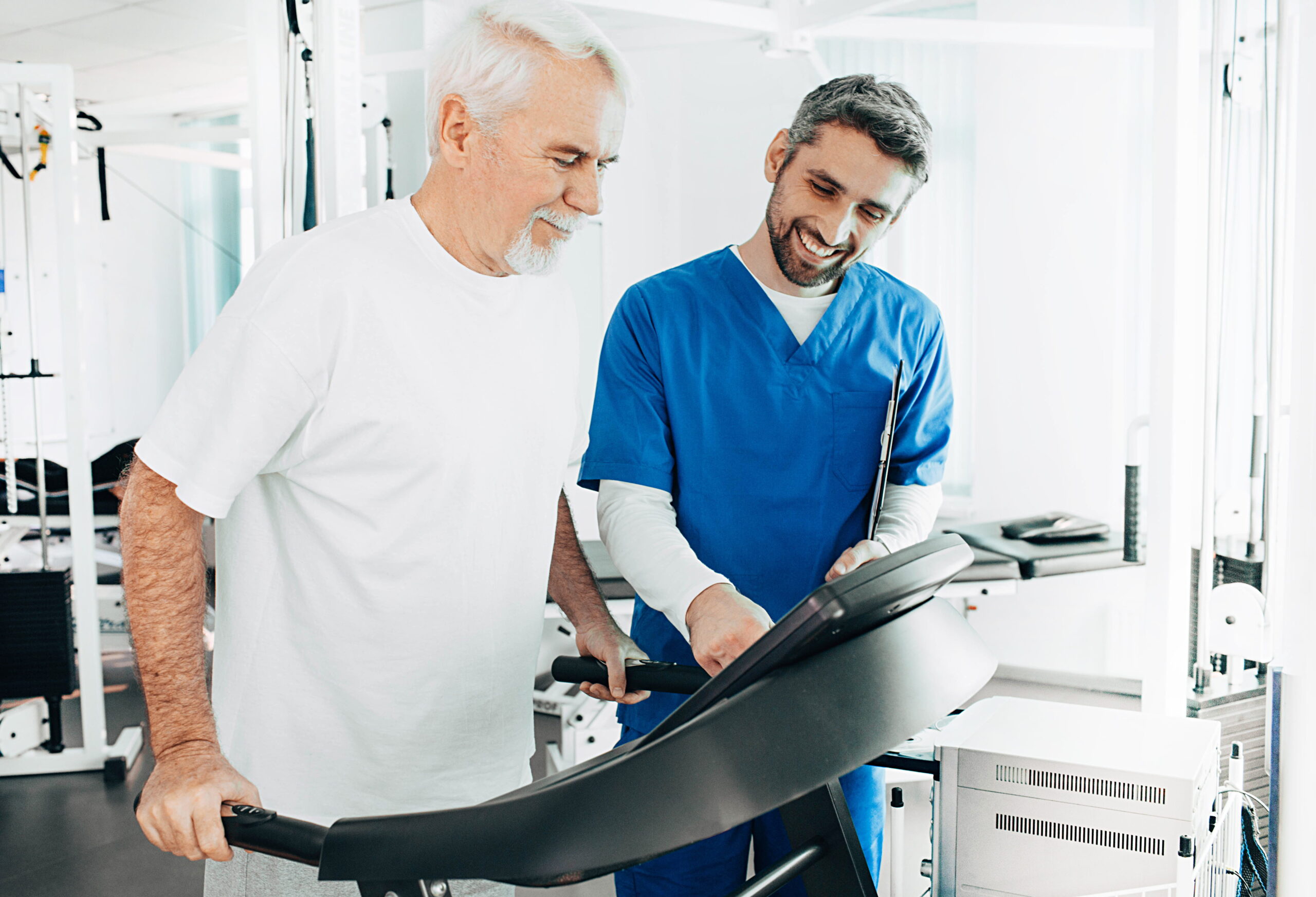
The Role of Technology in Enhancing Physical Therapy
Technology plays a pivotal role in enhancing physical therapy for elderly patients, particularly in improving accessibility and engagement. Telehealth options enable remote consultations, which can be especially beneficial for those with mobility limitations or those living in rural areas.
Telehealth options for remote therapy sessions
Telehealth is best suited for patients who have difficulty traveling to appointments due to health concerns or logistical challenges. It allows therapists to conduct assessments and provide guidance without the need for physical presence. However, a significant limitation is the reliance on technology literacy; not all elderly patients are comfortable using video conferencing tools, which can hinder participation.
For instance, a therapist may schedule weekly video sessions with a patient recovering from hip surgery. During these sessions, the therapist can demonstrate exercises and monitor progress via video feedback, adjusting the treatment plan as needed based on real-time observations.
(Effective telehealth requires both reliable internet access and a willingness from patients to engage with technology.)
Wearable devices for tracking progress and motivation
Wearable devices like fitness trackers are particularly effective for elderly patients aiming to regain mobility. These devices can monitor steps taken, heart rate, and even provide reminders for exercises. They fit best when integrated into a broader rehabilitation plan that includes both physical and motivational components.
(However, over-reliance on these devices can lead to frustration if users feel pressured by metrics rather than focusing on gradual improvement.) For example, an elderly patient might use a smartwatch that tracks their daily walking goals. If they are consistently unable to meet these goals due to fatigue or pain, it could discourage them rather than motivate them.
- (1) Wearable devices should be viewed as tools for encouragement rather than strict performance measures.
- (2) Customizing device settings to align with individual capabilities can enhance user experience.
Virtual reality applications in rehabilitation exercises
(Virtual reality (VR) has emerged as an innovative tool in physical therapy.) It offers immersive environments where elderly patients can practice movements safely while being engaged in interactive scenarios. This approach suits individuals who may lack motivation or find traditional exercises monotonous.
Nonetheless, VR applications require specialized equipment and training for both patients and therapists. The initial investment in technology may not be feasible for all practices or patients. For instance, a rehabilitation center might implement VR sessions where patients simulate walking through different environments—like parks or grocery stores—helping them prepare for real-life situations while improving their confidence.
Misunderstandings often arise regarding the effectiveness of technology-enhanced therapies; many practitioners overestimate the immediate benefits without considering patient comfort levels or the need for personalized adjustments. It’s crucial to recognize that while technology aids rehabilitation efforts, it cannot replace individualized care strategies tailored to each patient’s unique circumstances.
Technology plays a pivotal role in enhancing physical therapy for elderly patients, particularly in improving accessibility and engagement. Telehealth options enable remote consultations, which can be especially beneficial for those with mobility limitations or those living in rural areas.
Telehealth options for remote therapy sessions
Telehealth is best suited for patients who have difficulty traveling to appointments due to health concerns or logistical challenges. It allows therapists to conduct assessments and provide guidance without the need for physical presence. However, a significant limitation is the reliance on technology literacy; not all elderly patients are comfortable using video conferencing tools, which can hinder participation.
For instance, a therapist may schedule weekly video sessions with a patient recovering from hip surgery. During these sessions, the therapist can demonstrate exercises and monitor progress via video feedback, adjusting the treatment plan as needed based on real-time observations.
(Effective telehealth requires both reliable internet access and a willingness from patients to engage with technology.)
Wearable devices for tracking progress and motivation
Wearable devices like fitness trackers are particularly effective for elderly patients aiming to regain mobility. These devices can monitor steps taken, heart rate, and even provide reminders for exercises. They fit best when integrated into a broader rehabilitation plan that includes both physical and motivational components.
(However, over-reliance on these devices can lead to frustration if users feel pressured by metrics rather than focusing on gradual improvement.) For example, an elderly patient might use a smartwatch that tracks their daily walking goals. If they are consistently unable to meet these goals due to fatigue or pain, it could discourage them rather than motivate them.
- (1) Wearable devices should be viewed as tools for encouragement rather than strict performance measures.
- (2) Customizing device settings to align with individual capabilities can enhance user experience.
Virtual reality applications in rehabilitation exercises
(Virtual reality (VR) has emerged as an innovative tool in physical therapy.) It offers immersive environments where elderly patients can practice movements safely while being engaged in interactive scenarios. This approach suits individuals who may lack motivation or find traditional exercises monotonous.
Nonetheless, VR applications require specialized equipment and training for both patients and therapists. The initial investment in technology may not be feasible for all practices or patients. For instance, a rehabilitation center might implement VR sessions where patients simulate walking through different environments—like parks or grocery stores—helping them prepare for real-life situations while improving their confidence.
Misunderstandings often arise regarding the effectiveness of technology-enhanced therapies; many practitioners overestimate the immediate benefits without considering patient comfort levels or the need for personalized adjustments. It’s crucial to recognize that while technology aids rehabilitation efforts, it cannot replace individualized care strategies tailored to each patient’s unique circumstances.
Integrating Family Involvement in Rehabilitation
Family involvement is critical in physical therapy for elderly patients, as it fosters a supportive environment that can enhance recovery and promote independence. Engaging family members not only helps in reinforcing therapeutic exercises but also creates a sense of accountability and encouragement for the patient.
Educating family members on therapeutic exercises
Educating family members about specific therapeutic exercises is essential. When families understand the purpose and mechanics of these exercises, they can assist effectively and encourage consistent practice at home. For example, a therapist might demonstrate how to help an elderly patient perform leg lifts or balance exercises, enabling family members to provide hands-on support during rehabilitation.
Creating a supportive home environment for practice
A supportive home environment significantly influences the success of rehabilitation efforts. Families can facilitate this by ensuring that the home is safe and accessible, removing tripping hazards, and providing necessary equipment like handrails or non-slip mats. However, one limitation is that not all families may have the resources or knowledge to make these adjustments effectively, which can hinder progress.
Strategies for encouraging patient engagement from family caregivers
Family caregivers often play a crucial role in motivating elderly patients to engage with their therapy regimens. Strategies such as setting small, achievable goals together or celebrating milestones can enhance motivation. Many families underestimate the emotional impact of encouragement; simple affirmations from loved ones can significantly boost an elderly patient’s confidence and willingness to participate actively in their rehabilitation.
- (1) Regularly schedule practice sessions that include family participation to reinforce consistency.
- (2) Utilize visual reminders around the house that encourage patients to perform their exercises.
(Family involvement not only aids physical rehabilitation but also addresses emotional well-being.)
(A common misstep among healthcare providers is underestimating the potential resistance from family members regarding their roles in therapy.) Many caregivers feel overwhelmed or unsure about how best to assist, which can lead to disengagement. It’s vital for therapists to provide clear guidance on how families can contribute meaningfully without adding undue stress.
Family involvement is critical in physical therapy for elderly patients, as it fosters a supportive environment that can enhance recovery and promote independence. Engaging family members not only helps in reinforcing therapeutic exercises but also creates a sense of accountability and encouragement for the patient.
Educating family members on therapeutic exercises
Educating family members about specific therapeutic exercises is essential. When families understand the purpose and mechanics of these exercises, they can assist effectively and encourage consistent practice at home. For example, a therapist might demonstrate how to help an elderly patient perform leg lifts or balance exercises, enabling family members to provide hands-on support during rehabilitation.
Creating a supportive home environment for practice
A supportive home environment significantly influences the success of rehabilitation efforts. Families can facilitate this by ensuring that the home is safe and accessible, removing tripping hazards, and providing necessary equipment like handrails or non-slip mats. However, one limitation is that not all families may have the resources or knowledge to make these adjustments effectively, which can hinder progress.
Strategies for encouraging patient engagement from family caregivers
Family caregivers often play a crucial role in motivating elderly patients to engage with their therapy regimens. Strategies such as setting small, achievable goals together or celebrating milestones can enhance motivation. Many families underestimate the emotional impact of encouragement; simple affirmations from loved ones can significantly boost an elderly patient’s confidence and willingness to participate actively in their rehabilitation.
- (1) Regularly schedule practice sessions that include family participation to reinforce consistency.
- (2) Utilize visual reminders around the house that encourage patients to perform their exercises.
(Family involvement not only aids physical rehabilitation but also addresses emotional well-being.)
(A common misstep among healthcare providers is underestimating the potential resistance from family members regarding their roles in therapy.) Many caregivers feel overwhelmed or unsure about how best to assist, which can lead to disengagement. It’s vital for therapists to provide clear guidance on how families can contribute meaningfully without adding undue stress.
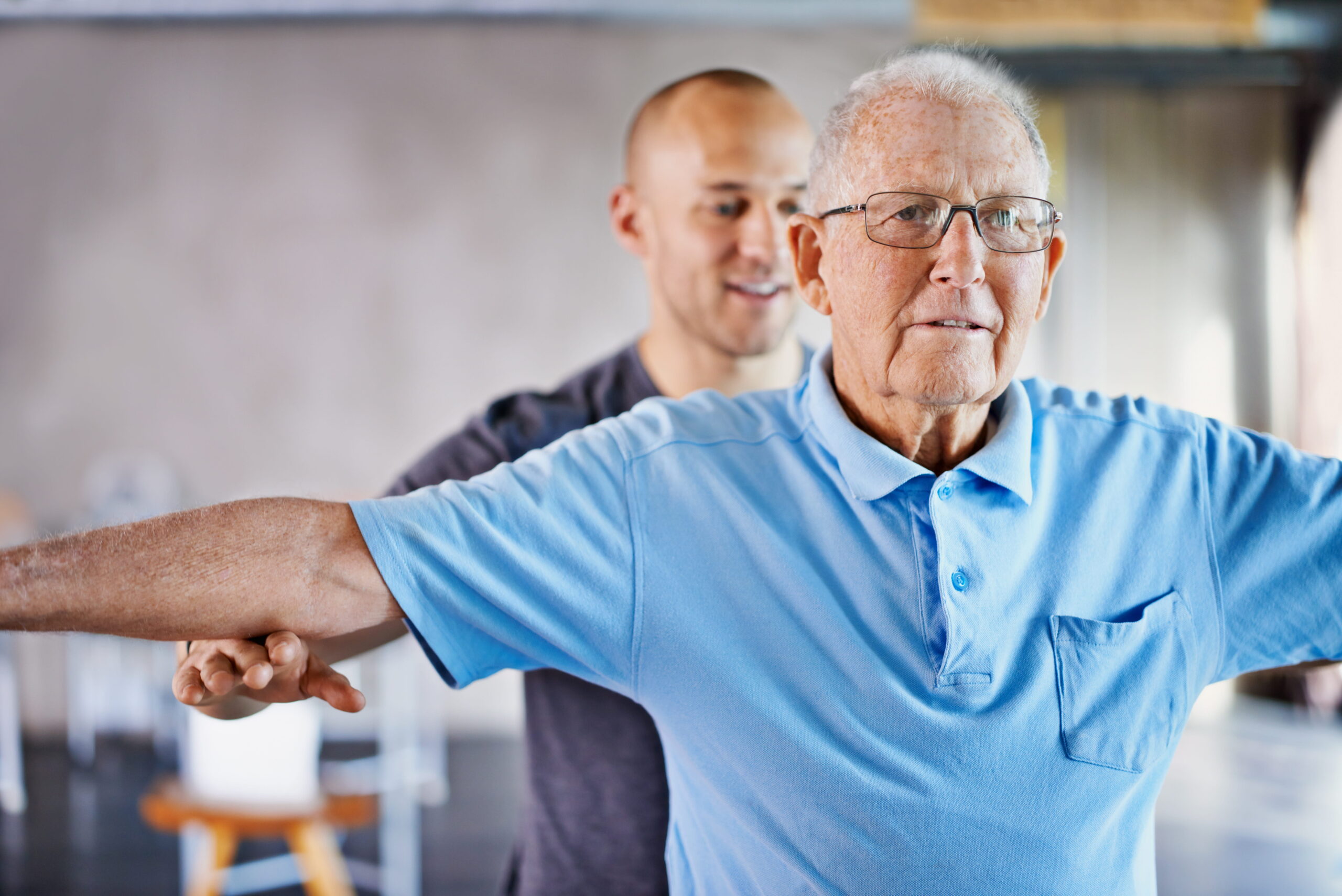
Addressing Psychological Barriers to Mobility
Psychological barriers significantly hinder mobility in elderly patients, often stemming from fears related to falling or sustaining injuries. These fears can create a cycle of avoidance, leading to decreased physical activity and further deterioration of mobility.
Identifying fears related to falling or injury
Recognizing and addressing these fears is crucial. Many elderly individuals have experienced falls or have witnessed peers fall, which amplifies their anxiety about mobility. This fear often translates into reluctance to engage in physical activities that are essential for maintaining strength and balance.
Techniques for building confidence through gradual exposure
Implementing gradual exposure techniques can effectively combat these fears. For instance, therapists can start with simple exercises that are low-risk and progressively increase difficulty as the patient gains confidence. A practical example is having a patient practice standing up from a chair without assistance before advancing to walking short distances.
- Start with seated exercises that promote strength.
- Gradually introduce standing exercises while providing support.
(Gradual exposure not only builds physical capability but also reinforces psychological resilience.)
The role of mental health support in physical rehabilitation
(Integrating mental health support into rehabilitation programs is essential.) Many practitioners overlook the psychological aspect of recovery, assuming that physical therapy alone will suffice. This assumption fails to address underlying anxiety or depression that may inhibit progress.
(For instance, collaborating with mental health professionals can provide patients with coping strategies for their fears.) Regular sessions focused on emotional well-being alongside physical therapy can foster a more holistic approach to recovery.
- Assess emotional readiness before starting physical therapy.
- Incorporate relaxation techniques such as deep breathing during sessions.
(Mental health support enhances the overall effectiveness of physical rehabilitation by addressing both emotional and physical barriers.)
Many teams misjudge the importance of mental health in rehabilitation; they often assume that patients will naturally overcome psychological barriers through physical exercise alone. This oversight can lead to stagnation in progress and increased frustration for both patients and caregivers.
Psychological barriers significantly hinder mobility in elderly patients, often stemming from fears related to falling or sustaining injuries. These fears can create a cycle of avoidance, leading to decreased physical activity and further deterioration of mobility.
Identifying fears related to falling or injury
Recognizing and addressing these fears is crucial. Many elderly individuals have experienced falls or have witnessed peers fall, which amplifies their anxiety about mobility. This fear often translates into reluctance to engage in physical activities that are essential for maintaining strength and balance.
Techniques for building confidence through gradual exposure
Implementing gradual exposure techniques can effectively combat these fears. For instance, therapists can start with simple exercises that are low-risk and progressively increase difficulty as the patient gains confidence. A practical example is having a patient practice standing up from a chair without assistance before advancing to walking short distances.
- Start with seated exercises that promote strength.
- Gradually introduce standing exercises while providing support.
(Gradual exposure not only builds physical capability but also reinforces psychological resilience.)
The role of mental health support in physical rehabilitation
(Integrating mental health support into rehabilitation programs is essential.) Many practitioners overlook the psychological aspect of recovery, assuming that physical therapy alone will suffice. This assumption fails to address underlying anxiety or depression that may inhibit progress.
(For instance, collaborating with mental health professionals can provide patients with coping strategies for their fears.) Regular sessions focused on emotional well-being alongside physical therapy can foster a more holistic approach to recovery.
- Assess emotional readiness before starting physical therapy.
- Incorporate relaxation techniques such as deep breathing during sessions.
(Mental health support enhances the overall effectiveness of physical rehabilitation by addressing both emotional and physical barriers.)
Many teams misjudge the importance of mental health in rehabilitation; they often assume that patients will naturally overcome psychological barriers through physical exercise alone. This oversight can lead to stagnation in progress and increased frustration for both patients and caregivers.
Long-Term Maintenance of Mobility Gains
Sustaining mobility gains achieved through physical therapy for elderly patients requires a structured approach that extends beyond initial treatment. This is best suited for patients who have made progress in therapy but need ongoing support to maintain and further improve their mobility.
A significant limitation is the tendency for patients to revert to sedentary lifestyles once formal therapy ends. Without a solid plan for continued activity, the risk of losing mobility gains increases. Many elderly individuals may lack the motivation or knowledge to engage in regular exercise independently, which can lead to setbacks.
For example, after completing a physical therapy program focused on improving balance and strength, an elderly patient might be encouraged to join a local senior fitness class. This class not only provides structured exercise but also fosters social interaction, which can enhance adherence and enjoyment in maintaining an active lifestyle.
(Many families underestimate the importance of ongoing physical activity after therapy; they often believe that once therapy concludes, no further action is needed.)
Community resources play a vital role in supporting ongoing physical activity. Local senior centers often offer exercise programs tailored specifically for older adults, promoting both physical health and social engagement. However, it’s crucial for caregivers and family members to actively seek out these resources and encourage participation.
(Monitoring health changes that may affect mobility is another critical aspect of long-term maintenance.) Regular check-ins with healthcare providers can help identify new issues such as joint pain or cardiovascular changes that could impact mobility. Many caregivers overlook this aspect, assuming once a patient has completed therapy, their needs are static.
- Establish a weekly exercise routine that includes strength training and flexibility exercises.
- Participate in community fitness classes designed for seniors.
- Schedule regular health assessments to monitor changes that may affect mobility.
Sustaining mobility gains achieved through physical therapy for elderly patients requires a structured approach that extends beyond initial treatment. This is best suited for patients who have made progress in therapy but need ongoing support to maintain and further improve their mobility.
A significant limitation is the tendency for patients to revert to sedentary lifestyles once formal therapy ends. Without a solid plan for continued activity, the risk of losing mobility gains increases. Many elderly individuals may lack the motivation or knowledge to engage in regular exercise independently, which can lead to setbacks.
For example, after completing a physical therapy program focused on improving balance and strength, an elderly patient might be encouraged to join a local senior fitness class. This class not only provides structured exercise but also fosters social interaction, which can enhance adherence and enjoyment in maintaining an active lifestyle.
(Many families underestimate the importance of ongoing physical activity after therapy; they often believe that once therapy concludes, no further action is needed.)
Community resources play a vital role in supporting ongoing physical activity. Local senior centers often offer exercise programs tailored specifically for older adults, promoting both physical health and social engagement. However, it’s crucial for caregivers and family members to actively seek out these resources and encourage participation.
(Monitoring health changes that may affect mobility is another critical aspect of long-term maintenance.) Regular check-ins with healthcare providers can help identify new issues such as joint pain or cardiovascular changes that could impact mobility. Many caregivers overlook this aspect, assuming once a patient has completed therapy, their needs are static.
- Establish a weekly exercise routine that includes strength training and flexibility exercises.
- Participate in community fitness classes designed for seniors.
- Schedule regular health assessments to monitor changes that may affect mobility.
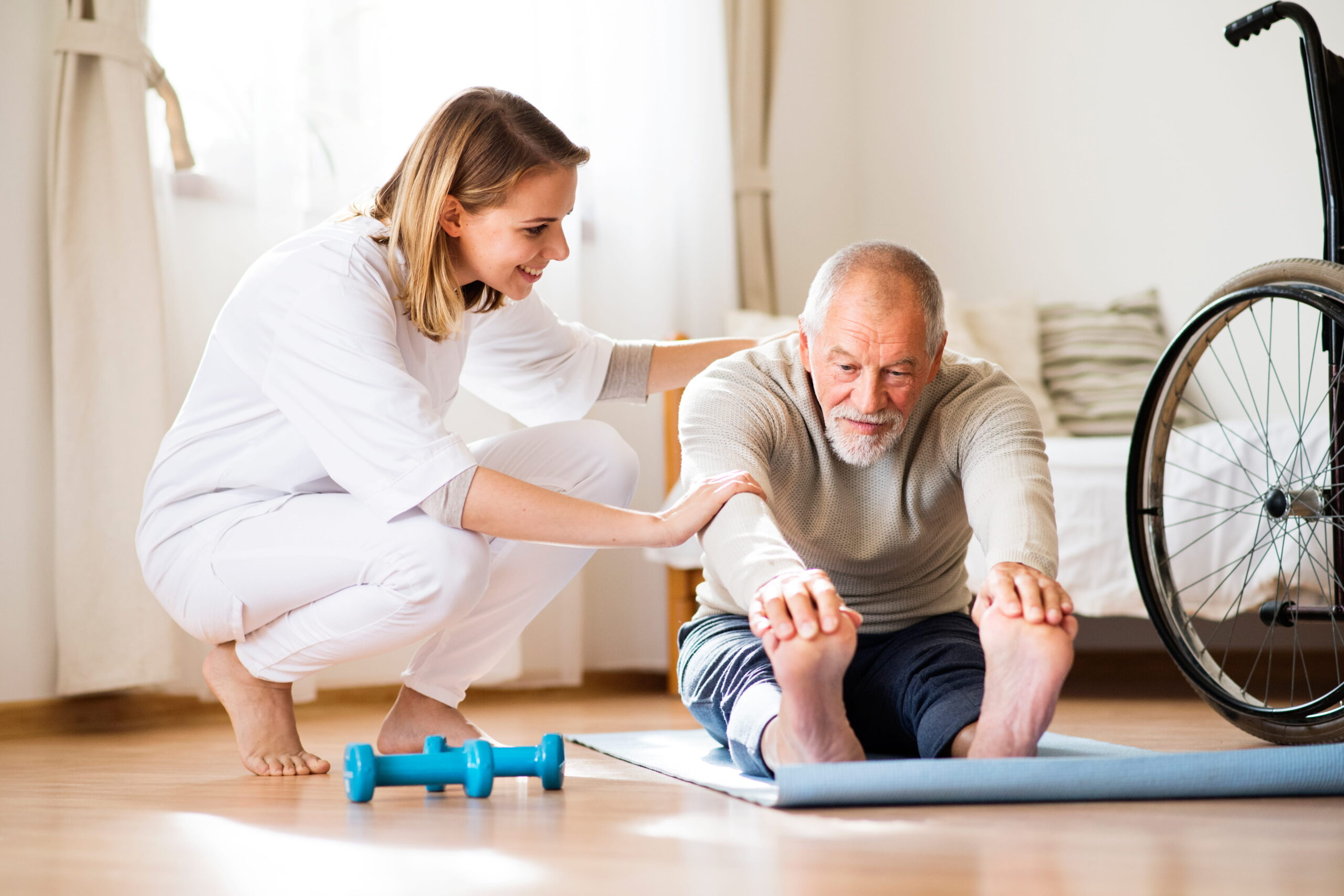
Collaboration Among Healthcare Professionals
Interdisciplinary collaboration is essential in physical therapy for elderly patients, as it ensures that care is comprehensive and addresses all aspects of a patient’s health. This approach fits best when multiple healthcare professionals—physicians, physical therapists, occupational therapists, and caregivers—work together to create a cohesive treatment plan.
Importance of interdisciplinary approaches in elderly care
An interdisciplinary approach allows for the pooling of diverse expertise, leading to more effective treatment strategies. Each professional contributes their unique perspective, which enhances patient outcomes. For instance, a physician can address medical issues while physical therapists focus on mobility and strength training. However, a limitation of this approach is the potential for miscommunication or conflicting objectives among team members, which can derail progress if not managed effectively.
Communicating effectively with physicians, therapists, and caregivers
Effective communication among team members is critical. Regular meetings or updates can ensure that everyone is aligned on treatment goals and patient progress. A practical example includes a weekly case review where each professional shares observations and adjusts the care plan accordingly. This collaborative effort not only improves coordination but also fosters trust among team members.
- (1) Establish clear channels of communication to facilitate information sharing.
- (2) Use shared documentation platforms to keep all team members informed about patient progress.
(Collaboration enhances patient care by addressing both physical and emotional needs through a unified approach.)
Case studies highlighting successful collaborative care models
(Case studies demonstrate the effectiveness of collaborative care models.) For example, one community health center implemented an interdisciplinary team for elderly rehabilitation that included nurses, physical therapists, and social workers. They reported a significant reduction in hospital readmissions due to improved mobility and better management of chronic conditions. However, many teams underestimate the time investment required for effective collaboration; they often expect immediate results without recognizing that building relationships takes time.
Interdisciplinary collaboration is essential in physical therapy for elderly patients, as it ensures that care is comprehensive and addresses all aspects of a patient’s health. This approach fits best when multiple healthcare professionals—physicians, physical therapists, occupational therapists, and caregivers—work together to create a cohesive treatment plan.
Importance of interdisciplinary approaches in elderly care
An interdisciplinary approach allows for the pooling of diverse expertise, leading to more effective treatment strategies. Each professional contributes their unique perspective, which enhances patient outcomes. For instance, a physician can address medical issues while physical therapists focus on mobility and strength training. However, a limitation of this approach is the potential for miscommunication or conflicting objectives among team members, which can derail progress if not managed effectively.
Communicating effectively with physicians, therapists, and caregivers
Effective communication among team members is critical. Regular meetings or updates can ensure that everyone is aligned on treatment goals and patient progress. A practical example includes a weekly case review where each professional shares observations and adjusts the care plan accordingly. This collaborative effort not only improves coordination but also fosters trust among team members.
- (1) Establish clear channels of communication to facilitate information sharing.
- (2) Use shared documentation platforms to keep all team members informed about patient progress.
(Collaboration enhances patient care by addressing both physical and emotional needs through a unified approach.)
Case studies highlighting successful collaborative care models
(Case studies demonstrate the effectiveness of collaborative care models.) For example, one community health center implemented an interdisciplinary team for elderly rehabilitation that included nurses, physical therapists, and social workers. They reported a significant reduction in hospital readmissions due to improved mobility and better management of chronic conditions. However, many teams underestimate the time investment required for effective collaboration; they often expect immediate results without recognizing that building relationships takes time.