
Dressing Challenges for Seniors
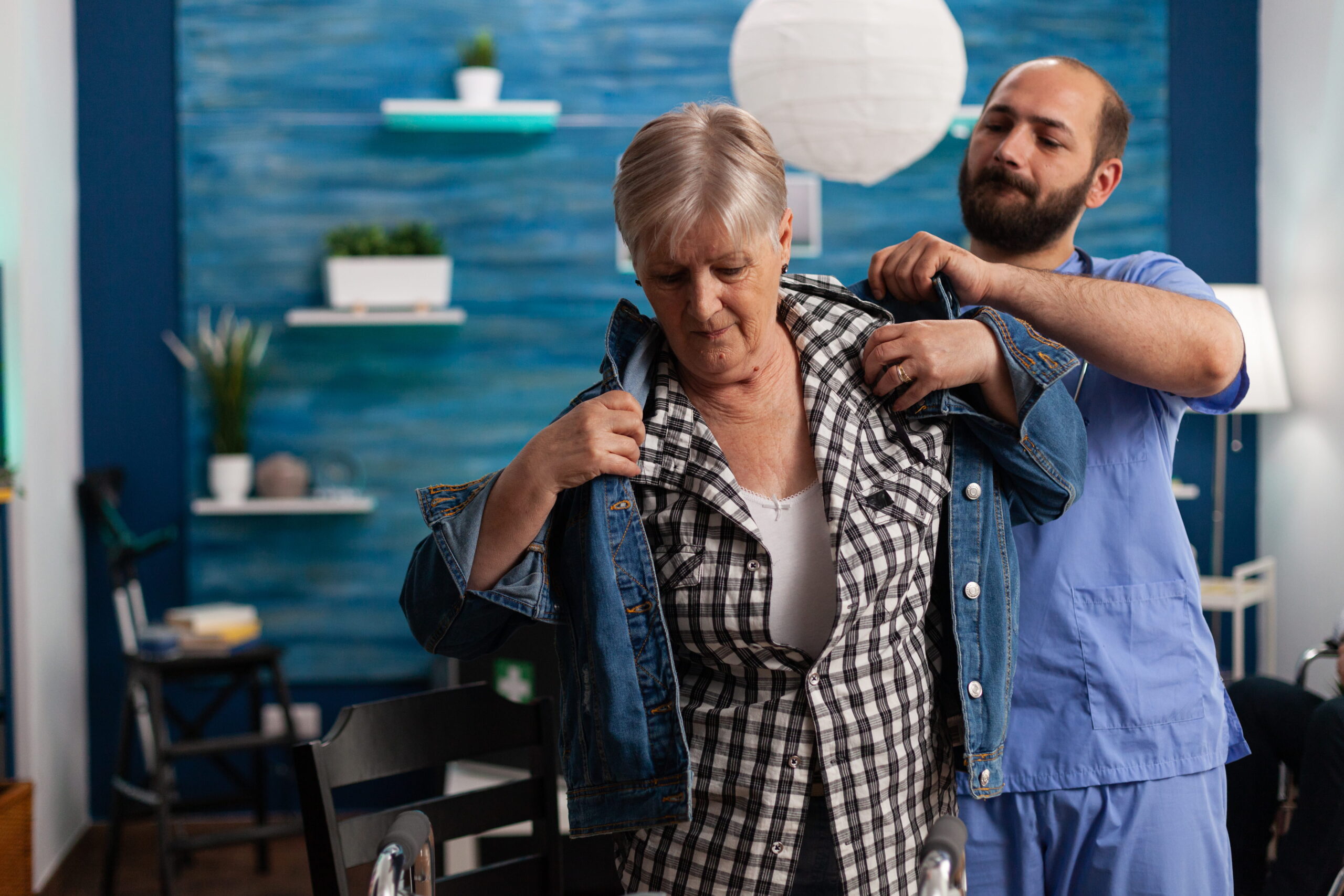
For many seniors, the simple act of getting dressed each day can become a surprising source of frustration and a significant hurdle to maintaining independence. What was once a routine task can transform into a complex challenge due to age-related changes.
At Compassionate Caregivers Home Care, we understand that preserving dignity and autonomy is paramount, and addressing dressing difficulties is a key part of holistic senior care.
The Hidden Struggles: Why Dressing Becomes Difficult
Dressing is a fundamental Activity of Daily Living (ADL) that profoundly impacts a senior’s self-esteem and social engagement. When this ability declines, it can lead to feelings of inadequacy, shame, and even social isolation. The challenges typically stem from a combination of factors:
- Physical Limitations:
- As we age, reduced dexterity, grip strength, and joint stiffness can make manipulating small buttons, zippers, and hooks incredibly difficult. Conditions like arthritis or Parkinson’s disease exacerbate these issues. Balance problems also pose a risk, making it unsafe to stand on one leg while pulling on pants.
- Cognitive Impairments:
- For seniors with dementia or other cognitive declines, choosing appropriate clothing, remembering the sequence of dressing steps, or understanding how fasteners work can be overwhelming. Too many options can lead to confusion and frustration.
- Sensory Challenges:
- Diminished eyesight can make it hard to distinguish colors, read labels, or find specific items in a closet. Reduced tactile sensitivity can also make it difficult to feel and manipulate fasteners.
Compassionate Solutions for Easier Dressing
The good news is that many effective strategies and tools can help seniors dress with greater ease and maintain their independence:
- Adaptive Clothing
- This specialized apparel is designed with senior needs in mind. Look for features like:
- Simplified Closures: Velcro, magnetic buttons, or large snaps replace traditional fasteners, requiring minimal dexterity.
- Easy-to-Wear Designs: Elastic waistbands, wide neck openings, and loose-fitting garments make pulling clothes on and off much simpler. Open-back tops and side-open pants are excellent for those with limited mobility or who use wheelchairs.
- Comfortable Fabrics: Stretchy materials reduce friction and make movement easier.
- Adaptive Footwear: Slip-on shoes with Velcro or elastic, and non-slip soles, enhance safety and ease of use.
- This specialized apparel is designed with senior needs in mind. Look for features like:
- Assistive Devices:
- Simple tools like dressing sticks, button hooks, zipper pulls, and long-handled reachers can extend a senior’s reach and assist with fasteners.
- Environmental & Procedural Adaptations:
- Create a Safe Space: Ensure a sturdy chair with armrests is available for sitting while dressing, reducing fall risks.
- Organize for Success: Keep clothing, undergarments, and accessories within easy reach on lower shelves or waist-height hangers.
- Simplify Choices: For those with cognitive challenges, lay out a single outfit in the correct order or limit options to one or two choices to prevent overwhelm.
- Patience and Encouragement: Allow ample time for dressing, provide clear, simple instructions, and encourage participation to maintain dignity and reduce anxiety.
By implementing these thoughtful strategies, caregivers can transform dressing from a daily struggle into a manageable and dignified experience, empowering seniors to maintain their independence and confidence for as long as possible.