
Home Health Nurses: Professional Care in Your Own Home
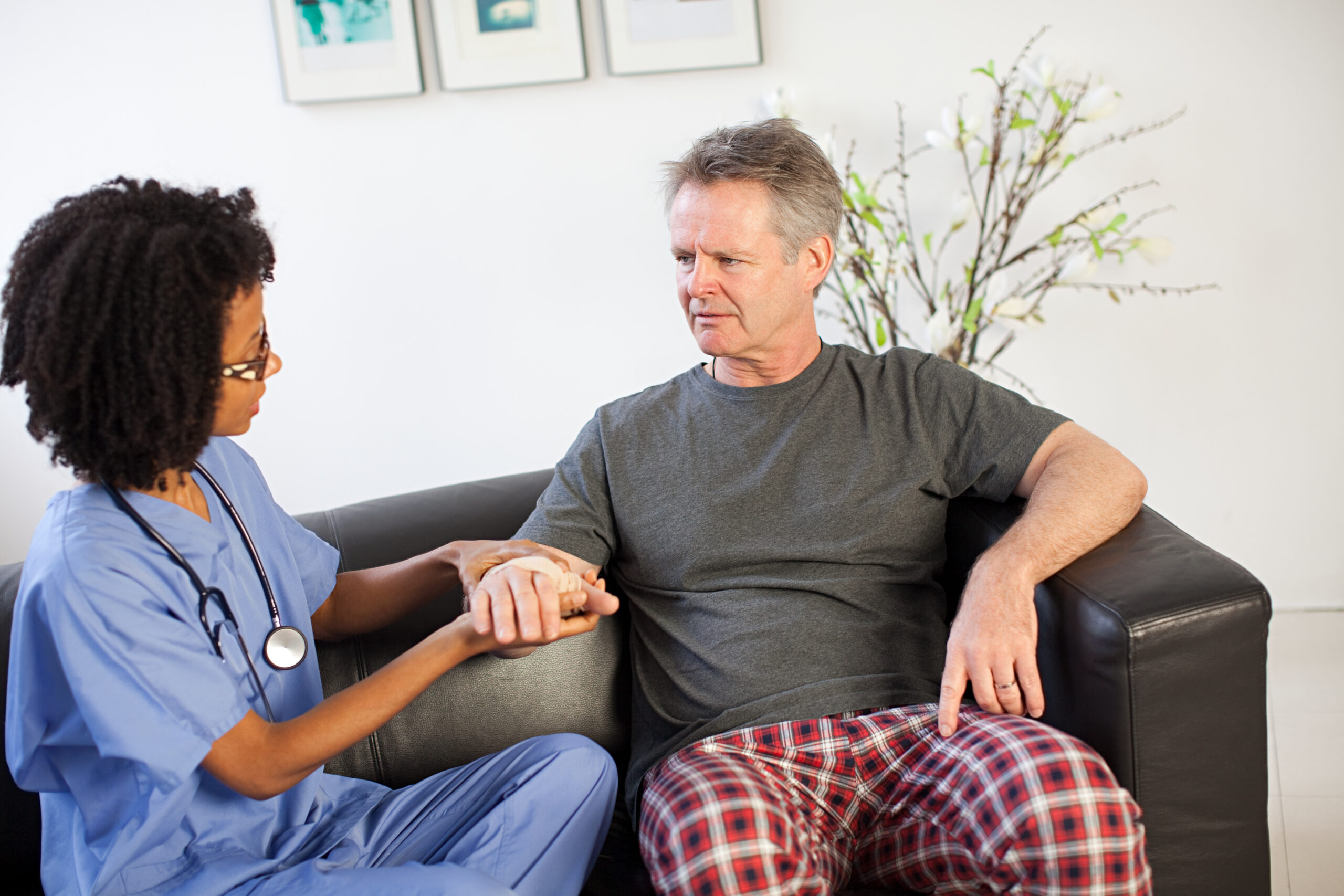
Role and Responsibilities of Home Health Nurses
A staggering 90% of seniors prefer to age in place, but managing their health at home can be a daunting task. Enter the home health nurse, the unsung hero of at-home care who bridges the gap between independence and expert medical support.
Home health nurses play a pivotal role in ensuring that patients receive not just medical attention but also emotional support during their recovery. They’re like the Swiss Army knives of healthcare—equipped to handle everything from medication management to wound care, all while providing a comforting presence.
Comprehensive Medical Care
One of the primary responsibilities of a home health nurse is to deliver comprehensive medical care tailored to the unique needs of each patient. This includes administering medications, monitoring vital signs, and performing physical assessments. For instance, imagine a nurse visiting an elderly patient recovering from hip surgery. They would assess the surgical site for infection, adjust medication dosages as necessary, and provide guidance on mobility exercises—all within the familiar surroundings of home.
Home health nurses often collaborate with physicians to adjust treatment plans based on real-time observations.
Patient Education and Empowerment
Education is another key component of a home health nurse’s role. They empower patients and their families by teaching them about managing chronic conditions like diabetes or heart disease. This might involve demonstrating how to check blood sugar levels or explaining dietary modifications in simple terms. It’s about turning complex medical jargon into actionable steps that families can easily understand.
I remember working with a family whose father had recently been diagnosed with Alzheimer’s disease. The nurse didn’t just provide care; she educated them on effective communication techniques and coping strategies—transforming anxiety into confidence. This kind of empowerment helps families feel more in control during challenging times.
Emotional Support: More Than Just Medical
Home health nurses are not just healthcare providers; they are also emotional anchors for patients and their families. They listen to concerns, offer reassurance, and help navigate the emotional landscape that comes with illness or recovery. A compassionate conversation can be as healing as any medication.
Consider a scenario where an elderly woman feels isolated after losing her husband. A home health nurse’s visit could provide her not only with necessary medical assessments but also with companionship—a listening ear that validates her feelings.
- Medication management
- Wound care and dressing changes
- Monitoring vital signs and symptoms
- Patient education on self-care techniques
- Emotional support for both patients and families
In summary, home health nurses are indispensable assets who provide holistic care that transcends simple medical tasks—they nurture both body and spirit.
A staggering 90% of seniors prefer to age in place, but managing their health at home can be a daunting task. Enter the home health nurse, the unsung hero of at-home care who bridges the gap between independence and expert medical support.
Home health nurses play a pivotal role in ensuring that patients receive not just medical attention but also emotional support during their recovery. They’re like the Swiss Army knives of healthcare—equipped to handle everything from medication management to wound care, all while providing a comforting presence.
Comprehensive Medical Care
One of the primary responsibilities of a home health nurse is to deliver comprehensive medical care tailored to the unique needs of each patient. This includes administering medications, monitoring vital signs, and performing physical assessments. For instance, imagine a nurse visiting an elderly patient recovering from hip surgery. They would assess the surgical site for infection, adjust medication dosages as necessary, and provide guidance on mobility exercises—all within the familiar surroundings of home.
Home health nurses often collaborate with physicians to adjust treatment plans based on real-time observations.
Patient Education and Empowerment
Education is another key component of a home health nurse’s role. They empower patients and their families by teaching them about managing chronic conditions like diabetes or heart disease. This might involve demonstrating how to check blood sugar levels or explaining dietary modifications in simple terms. It’s about turning complex medical jargon into actionable steps that families can easily understand.
I remember working with a family whose father had recently been diagnosed with Alzheimer’s disease. The nurse didn’t just provide care; she educated them on effective communication techniques and coping strategies—transforming anxiety into confidence. This kind of empowerment helps families feel more in control during challenging times.
Emotional Support: More Than Just Medical
Home health nurses are not just healthcare providers; they are also emotional anchors for patients and their families. They listen to concerns, offer reassurance, and help navigate the emotional landscape that comes with illness or recovery. A compassionate conversation can be as healing as any medication.
Consider a scenario where an elderly woman feels isolated after losing her husband. A home health nurse’s visit could provide her not only with necessary medical assessments but also with companionship—a listening ear that validates her feelings.
- Medication management
- Wound care and dressing changes
- Monitoring vital signs and symptoms
- Patient education on self-care techniques
- Emotional support for both patients and families
In summary, home health nurses are indispensable assets who provide holistic care that transcends simple medical tasks—they nurture both body and spirit.