
Finding the Right Personal Care Home: A Guide for Families
Assessing Individual Needs and Preferences
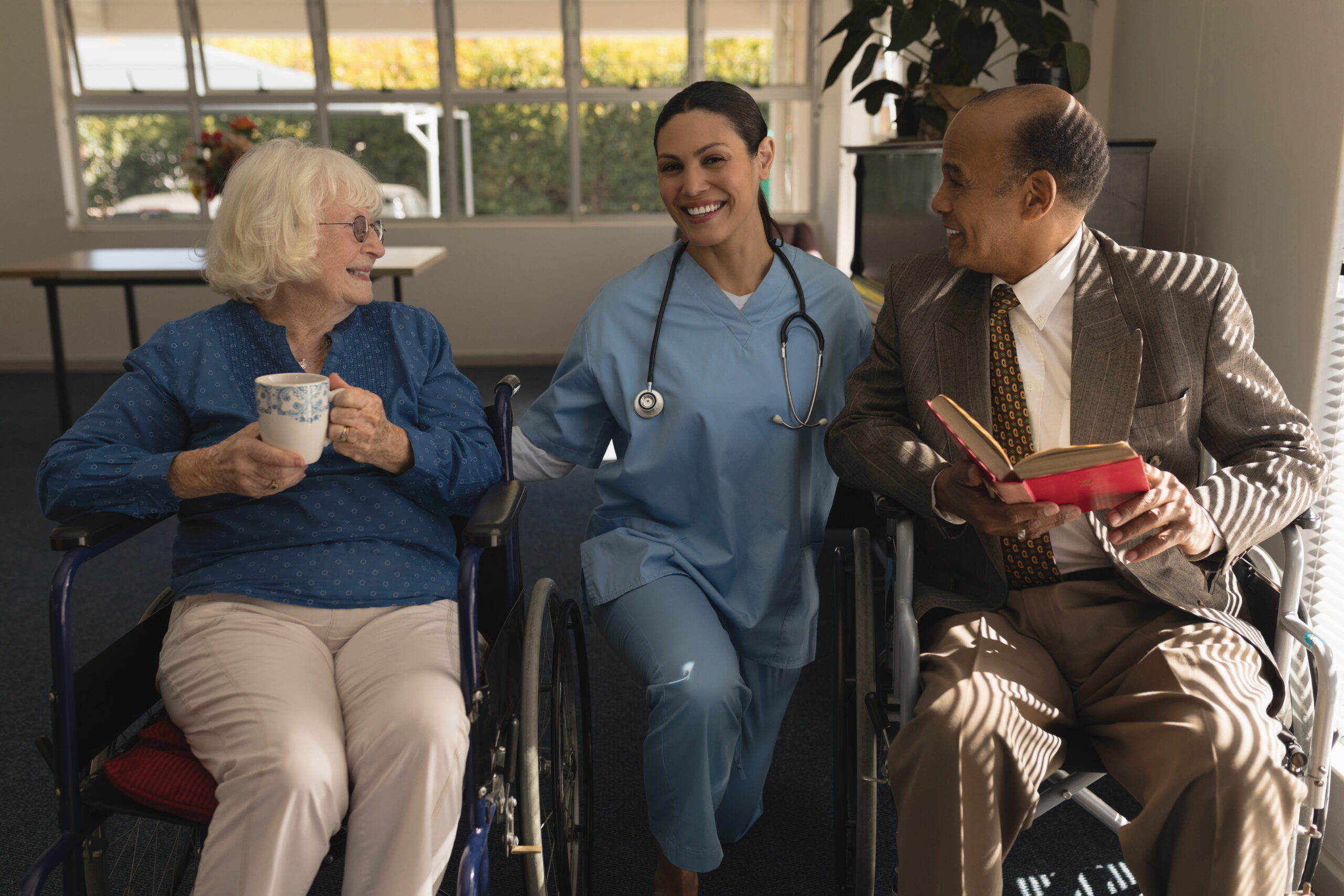
Understanding individual needs and preferences is crucial when selecting a personal care home. This process should start with a thorough assessment of the individual’s physical, emotional, and social requirements. A tailored approach ensures that the chosen facility aligns with the specific needs of your loved one.
Understanding Physical and Medical Requirements
This aspect is best for individuals with specific health conditions that require monitoring or assistance. Families should consider whether the personal care home can accommodate mobility issues, chronic illnesses, or cognitive impairments. A limitation here is that not all facilities are equipped to handle complex medical needs, which could lead to inadequate care if overlooked.
For example, if an elderly person has diabetes, it’s essential to ensure that the staff can manage their dietary restrictions and monitor their blood sugar levels effectively. This might involve asking potential homes about their experience with similar cases during visits.
Evaluating Emotional and Social Needs
Emotional well-being is often underestimated in the decision-making process. It’s critical to assess how well a personal care home fosters social interaction among residents. Facilities that encourage community activities can significantly enhance quality of life for residents who may feel isolated otherwise.
Social engagement is as important as medical care in personal care homes.
Families often overestimate the ability of facilities to provide emotional support simply based on staff-to-resident ratios. While these ratios are important, they do not guarantee meaningful interactions or personalized attention.
Identifying Lifestyle Preferences and Daily Routines
‘Lifestyle compatibility is essential for long-term satisfaction in a personal care home. Understanding daily routines—such as meal times, activity schedules, and visiting hours—can help families identify homes that align with their loved one’s preferences.’
Consider a scenario where an individual enjoys gardening or crafts; finding a facility with outdoor spaces or creative workshops could significantly enhance their happiness.
- Assess physical limitations like mobility issues.
- Evaluate social activities available at each facility.
- Identify lifestyle choices that matter most to your loved one.
Understanding individual needs and preferences is crucial when selecting a personal care home. This process should start with a thorough assessment of the individual’s physical, emotional, and social requirements. A tailored approach ensures that the chosen facility aligns with the specific needs of your loved one.
Understanding Physical and Medical Requirements
This aspect is best for individuals with specific health conditions that require monitoring or assistance. Families should consider whether the personal care home can accommodate mobility issues, chronic illnesses, or cognitive impairments. A limitation here is that not all facilities are equipped to handle complex medical needs, which could lead to inadequate care if overlooked.
For example, if an elderly person has diabetes, it’s essential to ensure that the staff can manage their dietary restrictions and monitor their blood sugar levels effectively. This might involve asking potential homes about their experience with similar cases during visits.
Evaluating Emotional and Social Needs
Emotional well-being is often underestimated in the decision-making process. It’s critical to assess how well a personal care home fosters social interaction among residents. Facilities that encourage community activities can significantly enhance quality of life for residents who may feel isolated otherwise.
Social engagement is as important as medical care in personal care homes.
Families often overestimate the ability of facilities to provide emotional support simply based on staff-to-resident ratios. While these ratios are important, they do not guarantee meaningful interactions or personalized attention.
Identifying Lifestyle Preferences and Daily Routines
‘Lifestyle compatibility is essential for long-term satisfaction in a personal care home. Understanding daily routines—such as meal times, activity schedules, and visiting hours—can help families identify homes that align with their loved one’s preferences.’
Consider a scenario where an individual enjoys gardening or crafts; finding a facility with outdoor spaces or creative workshops could significantly enhance their happiness.
- Assess physical limitations like mobility issues.
- Evaluate social activities available at each facility.
- Identify lifestyle choices that matter most to your loved one.
Researching Local Personal Care Homes
The search for suitable personal care homes near me often begins with online resources. Websites that aggregate reviews and ratings can provide valuable insights into the experiences of current and former residents. This approach is best for families who prefer a preliminary overview before engaging directly with facilities.
Utilizing Online Resources to Find Personal Care Homes Near Me
While online reviews are useful, they come with limitations. Many platforms may feature biased or outdated information, leading families to make decisions based on incomplete data. For instance, a facility may have received positive reviews years ago but failed to maintain quality standards since then.
A practical workflow involves starting with a search for personal care homes near me on review sites like Yelp or Google Maps. After identifying a few options, families should cross-reference these findings with official state inspection reports to verify compliance and quality of care.
Leveraging Community Resources and Local Agencies
Local agencies and community organizations can be invaluable resources when researching personal care homes. These entities often have directories of licensed facilities and can provide guidance tailored to specific needs, making them ideal for families seeking personalized recommendations.
However, relying solely on these resources might not yield comprehensive insights. Some agencies may not have up-to-date information or might lack the depth of knowledge about individual facilities’ reputations. Families should supplement this information by visiting potential homes in person.
Engaging with Healthcare Professionals for Recommendations
Healthcare professionals can offer informed recommendations based on their experiences with various personal care homes. This is particularly beneficial for families dealing with complex medical needs, as they can point out facilities that specialize in specific conditions such as dementia or mobility issues.
Despite their expertise, healthcare providers may not always have the latest information about facility conditions or availability. Families should approach these recommendations as one piece of a larger puzzle and conduct additional research to confirm suitability.
Combining online research, community resources, and professional advice creates a well-rounded understanding of available options.
The search for suitable personal care homes near me often begins with online resources. Websites that aggregate reviews and ratings can provide valuable insights into the experiences of current and former residents. This approach is best for families who prefer a preliminary overview before engaging directly with facilities.
Utilizing Online Resources to Find Personal Care Homes Near Me
While online reviews are useful, they come with limitations. Many platforms may feature biased or outdated information, leading families to make decisions based on incomplete data. For instance, a facility may have received positive reviews years ago but failed to maintain quality standards since then.
A practical workflow involves starting with a search for personal care homes near me on review sites like Yelp or Google Maps. After identifying a few options, families should cross-reference these findings with official state inspection reports to verify compliance and quality of care.
Leveraging Community Resources and Local Agencies
Local agencies and community organizations can be invaluable resources when researching personal care homes. These entities often have directories of licensed facilities and can provide guidance tailored to specific needs, making them ideal for families seeking personalized recommendations.
However, relying solely on these resources might not yield comprehensive insights. Some agencies may not have up-to-date information or might lack the depth of knowledge about individual facilities’ reputations. Families should supplement this information by visiting potential homes in person.
Engaging with Healthcare Professionals for Recommendations
Healthcare professionals can offer informed recommendations based on their experiences with various personal care homes. This is particularly beneficial for families dealing with complex medical needs, as they can point out facilities that specialize in specific conditions such as dementia or mobility issues.
Despite their expertise, healthcare providers may not always have the latest information about facility conditions or availability. Families should approach these recommendations as one piece of a larger puzzle and conduct additional research to confirm suitability.
Combining online research, community resources, and professional advice creates a well-rounded understanding of available options.
Evaluating Quality of Care Standards
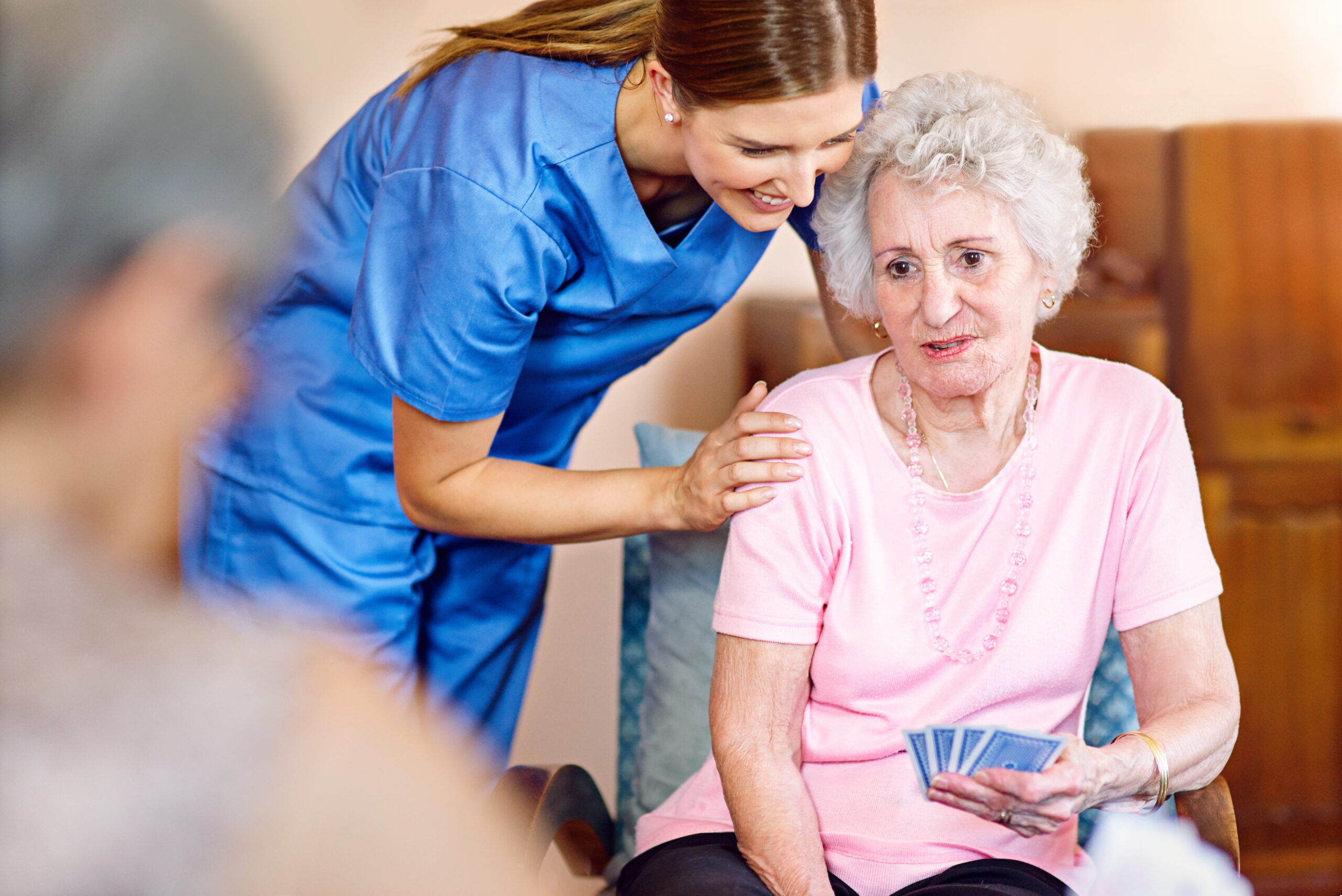
Quality of care standards in personal care homes are non-negotiable for families making decisions about their loved ones. A facility’s compliance with state regulations and its licensing status serve as fundamental indicators of the quality of care provided. Understanding these standards is essential, particularly in ensuring that the home can meet the specific needs of residents.
Understanding State Regulations and Licensing Requirements
State regulations vary widely and are crucial for determining a personal care home’s operational legitimacy. Facilities must adhere to specific guidelines that govern health, safety, and staffing levels. This is best for families who prioritize compliance and accountability in their search for personal care homes near me. However, a limitation is that not all states enforce these regulations equally, leading some facilities to operate with minimal oversight, which can compromise resident safety.
For instance, when evaluating a potential home, families should inquire about recent inspection reports from state health departments. A facility with consistent violations may indicate systemic issues that could affect the quality of care provided.
Investigating Staff Qualifications and Training Programs
Staff qualifications significantly impact the level of care residents receive. Facilities that prioritize comprehensive training programs tend to foster better outcomes for residents. This approach fits best when families are looking for homes that not only meet basic staffing requirements but also emphasize ongoing education and specialized training in areas such as dementia or mobility assistance.
However, families often overestimate the effectiveness of staff qualifications without considering turnover rates within facilities. High staff turnover can disrupt continuity of care and erode trust between residents and caregivers.
A well-trained staff is essential, but stability in staffing is equally important for quality care.
Reviewing Resident-to-Staff Ratios and Care Practices
Resident-to-staff ratios are often touted as a key metric for assessing quality; however, they do not tell the whole story. A low ratio might suggest more individualized attention but does not guarantee effective caregiving practices. This judgment call is critical because many families assume that lower ratios automatically equate to higher quality without investigating how those staff members engage with residents.
For example, if a facility has one caregiver for every three residents but those caregivers are overworked or lack proper training, the quality of care may still be inadequate. Families should ask about the specific practices employed by staff during interactions with residents to gauge whether they align with their loved one’s needs.
Quality of care standards in personal care homes are non-negotiable for families making decisions about their loved ones. A facility’s compliance with state regulations and its licensing status serve as fundamental indicators of the quality of care provided. Understanding these standards is essential, particularly in ensuring that the home can meet the specific needs of residents.
Understanding State Regulations and Licensing Requirements
State regulations vary widely and are crucial for determining a personal care home’s operational legitimacy. Facilities must adhere to specific guidelines that govern health, safety, and staffing levels. This is best for families who prioritize compliance and accountability in their search for personal care homes near me. However, a limitation is that not all states enforce these regulations equally, leading some facilities to operate with minimal oversight, which can compromise resident safety.
For instance, when evaluating a potential home, families should inquire about recent inspection reports from state health departments. A facility with consistent violations may indicate systemic issues that could affect the quality of care provided.
Investigating Staff Qualifications and Training Programs
Staff qualifications significantly impact the level of care residents receive. Facilities that prioritize comprehensive training programs tend to foster better outcomes for residents. This approach fits best when families are looking for homes that not only meet basic staffing requirements but also emphasize ongoing education and specialized training in areas such as dementia or mobility assistance.
However, families often overestimate the effectiveness of staff qualifications without considering turnover rates within facilities. High staff turnover can disrupt continuity of care and erode trust between residents and caregivers.
A well-trained staff is essential, but stability in staffing is equally important for quality care.
Reviewing Resident-to-Staff Ratios and Care Practices
Resident-to-staff ratios are often touted as a key metric for assessing quality; however, they do not tell the whole story. A low ratio might suggest more individualized attention but does not guarantee effective caregiving practices. This judgment call is critical because many families assume that lower ratios automatically equate to higher quality without investigating how those staff members engage with residents.
For example, if a facility has one caregiver for every three residents but those caregivers are overworked or lack proper training, the quality of care may still be inadequate. Families should ask about the specific practices employed by staff during interactions with residents to gauge whether they align with their loved one’s needs.
Visiting Potential Care Homes: Key Considerations
A visit to potential personal care homes near me is an essential step in the selection process, as it allows families to assess the environment and quality of care firsthand. This is best for families who want to gauge not just the physical space but also the interactions between staff and residents.
Preparing a Checklist for Facility Visits
Creating a checklist can streamline visits and ensure that critical aspects are not overlooked. Families should include items such as cleanliness, safety features, and availability of amenities. However, a common limitation is that checklists can lead to a mechanical evaluation that misses emotional nuances—how residents feel about their surroundings matters just as much as physical attributes.
For instance, during a visit, families might note if common areas are tidy but should also observe whether residents appear engaged or content. A checklist might miss these subtleties.
Observing the Environment and Resident Interactions
The atmosphere within a personal care home can significantly affect residents’ well-being. Families should look for signs of engagement among residents and staff interactions that seem genuine rather than scripted. A limitation here is that some homes may stage interactions during tours to create a favorable impression; thus, visiting at different times may provide more accurate insights.
For example, observing how staff respond to resident needs during unannounced visits can reveal much about the facility’s culture and care philosophy.
Asking Critical Questions During Tours
Asking questions is crucial in evaluating personal care homes. Families should inquire about staff training protocols, emergency procedures, and how they handle resident grievances. Many families overestimate the effectiveness of verbal assurances from management without verifying them through independent research or follow-up questions.
- What training do staff members receive regarding specific medical conditions?
- How often are activities tailored to different resident abilities?
- What measures are in place for family communication regarding health updates?
Care facilities often present their best side; discerning families must look beyond surface-level impressions.
A visit to potential personal care homes near me is an essential step in the selection process, as it allows families to assess the environment and quality of care firsthand. This is best for families who want to gauge not just the physical space but also the interactions between staff and residents.
Preparing a Checklist for Facility Visits
Creating a checklist can streamline visits and ensure that critical aspects are not overlooked. Families should include items such as cleanliness, safety features, and availability of amenities. However, a common limitation is that checklists can lead to a mechanical evaluation that misses emotional nuances—how residents feel about their surroundings matters just as much as physical attributes.
For instance, during a visit, families might note if common areas are tidy but should also observe whether residents appear engaged or content. A checklist might miss these subtleties.
Observing the Environment and Resident Interactions
The atmosphere within a personal care home can significantly affect residents’ well-being. Families should look for signs of engagement among residents and staff interactions that seem genuine rather than scripted. A limitation here is that some homes may stage interactions during tours to create a favorable impression; thus, visiting at different times may provide more accurate insights.
For example, observing how staff respond to resident needs during unannounced visits can reveal much about the facility’s culture and care philosophy.
Asking Critical Questions During Tours
Asking questions is crucial in evaluating personal care homes. Families should inquire about staff training protocols, emergency procedures, and how they handle resident grievances. Many families overestimate the effectiveness of verbal assurances from management without verifying them through independent research or follow-up questions.
- What training do staff members receive regarding specific medical conditions?
- How often are activities tailored to different resident abilities?
- What measures are in place for family communication regarding health updates?
Care facilities often present their best side; discerning families must look beyond surface-level impressions.
 Understanding Financial Implications and Options
Navigating the financial landscape of personal care homes is critical for families. Understanding payment methods, long-term financial planning, and available assistance programs is essential for making informed decisions.
Exploring Payment Methods: Private Pay, Insurance, Medicaid Options
Private pay is often the simplest option but can quickly deplete savings, making it best suited for families with significant resources. Insurance may cover some costs but often comes with restrictions and limits that can lead to unexpected out-of-pocket expenses. Medicaid can provide assistance for those who qualify, yet navigating its eligibility requirements can be complex and time-consuming.
Many families mistakenly assume that once they qualify for Medicaid, all costs will be covered without understanding the nuances of asset limits and income thresholds. This misconception can lead to frustration when unexpected expenses arise.
Assessing Long-Term Financial Planning for Care Costs
Long-term financial planning is crucial when considering personal care homes. Families should evaluate not only current expenses but also potential increases in care needs over time. This foresight ensures that funding remains sustainable as care requirements evolve.
A common oversight is underestimating future costs associated with higher levels of care, which can leave families scrambling for resources later on. Engaging a financial advisor specialized in elder care can provide clarity on these projections.
Investigating Available Financial Assistance Programs
Various state and federal programs offer financial assistance options that families might overlook, including veterans’ benefits or local non-profits focused on elder care support. These resources can significantly alleviate the burden of costs if properly utilized.
Families often misjudge the availability or accessibility of these programs, believing they are too complicated to navigate. In reality, many organizations have staff dedicated to helping families understand their options and apply for assistance.
Understanding the full range of financial implications is essential; neglecting this aspect can lead to unsustainable decisions.
Navigating the financial landscape of personal care homes is critical for families. Understanding payment methods, long-term financial planning, and available assistance programs is essential for making informed decisions.
Exploring Payment Methods: Private Pay, Insurance, Medicaid Options
Private pay is often the simplest option but can quickly deplete savings, making it best suited for families with significant resources. Insurance may cover some costs but often comes with restrictions and limits that can lead to unexpected out-of-pocket expenses. Medicaid can provide assistance for those who qualify, yet navigating its eligibility requirements can be complex and time-consuming.
Many families mistakenly assume that once they qualify for Medicaid, all costs will be covered without understanding the nuances of asset limits and income thresholds. This misconception can lead to frustration when unexpected expenses arise.
Assessing Long-Term Financial Planning for Care Costs
Long-term financial planning is crucial when considering personal care homes. Families should evaluate not only current expenses but also potential increases in care needs over time. This foresight ensures that funding remains sustainable as care requirements evolve.
A common oversight is underestimating future costs associated with higher levels of care, which can leave families scrambling for resources later on. Engaging a financial advisor specialized in elder care can provide clarity on these projections.
Investigating Available Financial Assistance Programs
Various state and federal programs offer financial assistance options that families might overlook, including veterans’ benefits or local non-profits focused on elder care support. These resources can significantly alleviate the burden of costs if properly utilized.
Families often misjudge the availability or accessibility of these programs, believing they are too complicated to navigate. In reality, many organizations have staff dedicated to helping families understand their options and apply for assistance.
Understanding the full range of financial implications is essential; neglecting this aspect can lead to unsustainable decisions.
Involving Family Members in the Decision-Making Process
Engaging family members in the decision-making process for selecting a personal care home is crucial. This approach is best for families who recognize that multiple perspectives can enhance the decision’s quality and acceptance. Involving siblings and other relatives ensures that everyone feels heard and valued, which can ease potential conflicts down the line.
Facilitating Family Discussions About Care Options
Structured discussions among family members about care options can lead to more informed choices. Families often overlook the importance of setting an agenda for these conversations, which can help keep discussions focused and productive. For example, a family might meet to discuss specific needs, preferences, and concerns regarding potential personal care homes near me. This structured approach enables all voices to be heard while minimizing emotional friction.
Addressing Concerns from Siblings or Other Relatives
Concerns from siblings or relatives can surface during discussions about care options, especially if there are differing opinions on what constitutes appropriate care. It’s essential to acknowledge these concerns openly rather than dismiss them, as unresolved issues can lead to resentment later. A practical way to address this is by inviting each family member to articulate their viewpoints and experiences with caregiving, thereby fostering empathy and understanding.
Creating a Support Network for Ongoing Decisions
Establishing a support network among family members ensures that ongoing decisions regarding care are collaborative rather than unilateral. This network might involve regular check-ins or updates about the loved one’s condition and needs, which keeps everyone informed and engaged in the process. Many families underestimate how vital this ongoing communication is; without it, important decisions may become contentious or overlooked.
Involving family members early in discussions fosters collaboration and reduces future conflicts.
Engaging family members in the decision-making process for selecting a personal care home is crucial. This approach is best for families who recognize that multiple perspectives can enhance the decision’s quality and acceptance. Involving siblings and other relatives ensures that everyone feels heard and valued, which can ease potential conflicts down the line.
Facilitating Family Discussions About Care Options
Structured discussions among family members about care options can lead to more informed choices. Families often overlook the importance of setting an agenda for these conversations, which can help keep discussions focused and productive. For example, a family might meet to discuss specific needs, preferences, and concerns regarding potential personal care homes near me. This structured approach enables all voices to be heard while minimizing emotional friction.
Addressing Concerns from Siblings or Other Relatives
Concerns from siblings or relatives can surface during discussions about care options, especially if there are differing opinions on what constitutes appropriate care. It’s essential to acknowledge these concerns openly rather than dismiss them, as unresolved issues can lead to resentment later. A practical way to address this is by inviting each family member to articulate their viewpoints and experiences with caregiving, thereby fostering empathy and understanding.
Creating a Support Network for Ongoing Decisions
Establishing a support network among family members ensures that ongoing decisions regarding care are collaborative rather than unilateral. This network might involve regular check-ins or updates about the loved one’s condition and needs, which keeps everyone informed and engaged in the process. Many families underestimate how vital this ongoing communication is; without it, important decisions may become contentious or overlooked.
Involving family members early in discussions fosters collaboration and reduces future conflicts.
 Transitioning to a Personal Care Home: Strategies for Success
Successful transitions to personal care homes require thoughtful strategies that address emotional, social, and practical needs. This is particularly important for families seeking personal care homes near me where their loved ones can thrive in a new environment.
Preparing the Individual Emotionally for the Move
Emotional preparation is crucial. Families should engage their loved ones in conversations about the move well in advance, focusing on the positive aspects of living in a community setting. This approach fits best when individuals are open to discussion and can express their feelings about leaving their current home.
However, one limitation is that not all individuals will respond positively to these discussions. Some may resist change or feel anxious about leaving familiar surroundings. In such cases, it’s essential to validate their feelings and provide reassurance that they will still have opportunities for independence and social interaction.
For example, if an elderly parent expresses anxiety about moving, families might create a photo album of the new facility and its activities to help ease concerns. This tangible connection can help bridge the emotional gap between their current life and what lies ahead.
Establishing Routines to Ease the Transition Period
Establishing routines can significantly ease the transition period. Consistency helps individuals feel more secure in their new environment. Families should work with care home staff to develop daily schedules that incorporate familiar activities such as meal times, exercise routines, or favorite hobbies.
Routine is often overestimated as a simple solution; however, it requires diligence from both family members and care staff to ensure adherence. Without consistent reinforcement, routines may falter, leading to confusion or distress for residents.
Creating a routine takes time but pays off by fostering stability during a significant life change.
Maintaining Connections with Family and Friends Post-Move
Social connections are vital for emotional health post-move. Families must prioritize regular visits and phone calls to help maintain these ties. Scheduling weekly family visits or virtual check-ins can provide ongoing support while allowing loved ones to remain connected with their social circles.
Successful transitions to personal care homes require thoughtful strategies that address emotional, social, and practical needs. This is particularly important for families seeking personal care homes near me where their loved ones can thrive in a new environment.
Preparing the Individual Emotionally for the Move
Emotional preparation is crucial. Families should engage their loved ones in conversations about the move well in advance, focusing on the positive aspects of living in a community setting. This approach fits best when individuals are open to discussion and can express their feelings about leaving their current home.
However, one limitation is that not all individuals will respond positively to these discussions. Some may resist change or feel anxious about leaving familiar surroundings. In such cases, it’s essential to validate their feelings and provide reassurance that they will still have opportunities for independence and social interaction.
For example, if an elderly parent expresses anxiety about moving, families might create a photo album of the new facility and its activities to help ease concerns. This tangible connection can help bridge the emotional gap between their current life and what lies ahead.
Establishing Routines to Ease the Transition Period
Establishing routines can significantly ease the transition period. Consistency helps individuals feel more secure in their new environment. Families should work with care home staff to develop daily schedules that incorporate familiar activities such as meal times, exercise routines, or favorite hobbies.
Routine is often overestimated as a simple solution; however, it requires diligence from both family members and care staff to ensure adherence. Without consistent reinforcement, routines may falter, leading to confusion or distress for residents.
Creating a routine takes time but pays off by fostering stability during a significant life change.
Maintaining Connections with Family and Friends Post-Move
Social connections are vital for emotional health post-move. Families must prioritize regular visits and phone calls to help maintain these ties. Scheduling weekly family visits or virtual check-ins can provide ongoing support while allowing loved ones to remain connected with their social circles.