Easy Cognitive Activities for Seniors
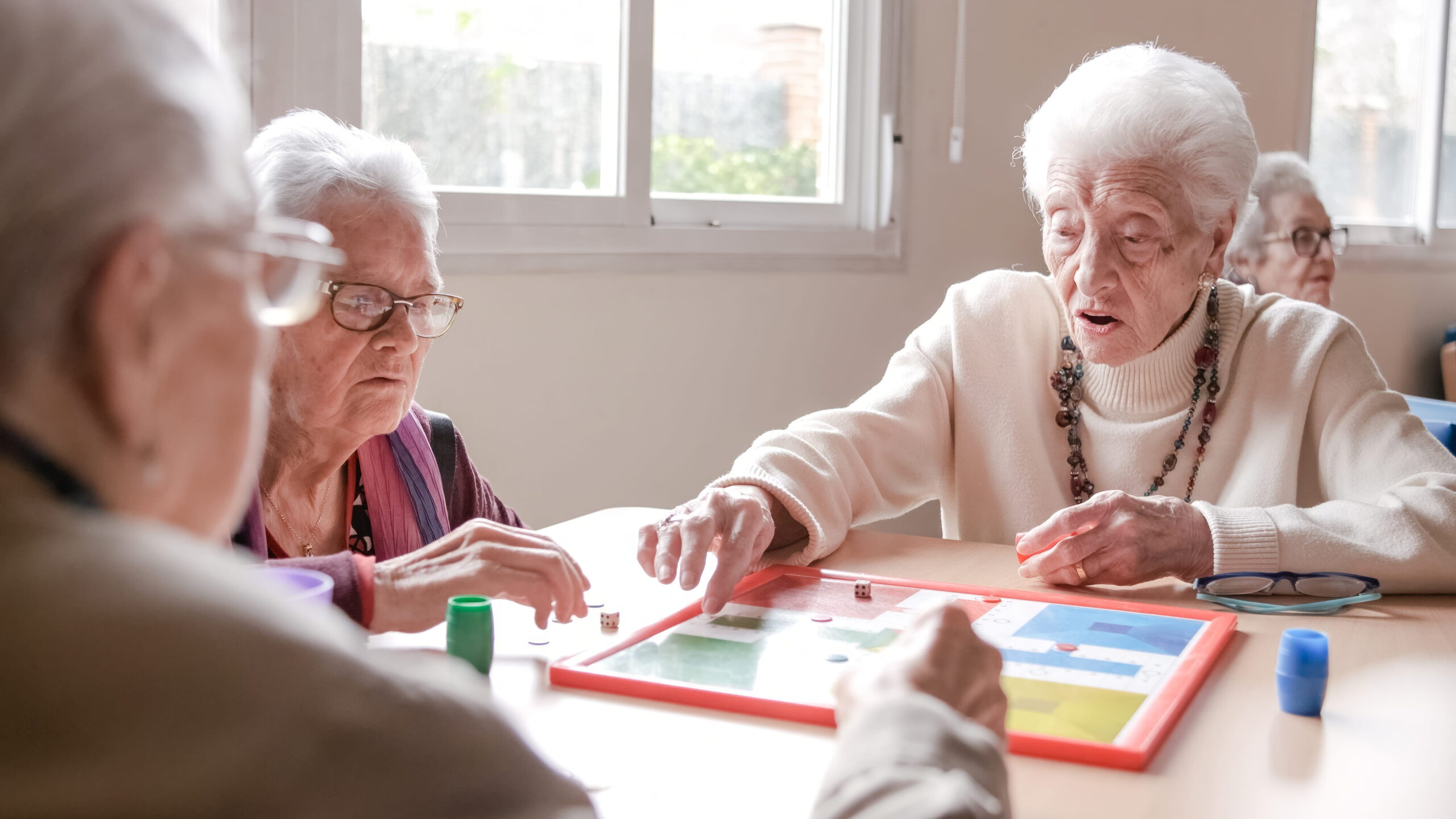
As we age, our memories can become less reliable, creating challenges for seniors and their loved ones. But what if we could turn memory maintenance into an engaging, enjoyable process?
At Compassionate Caregivers, we understand that cognitive health isn’t just about medical interventions—it’s about creating personalized, stimulating experiences that keep the mind active and vibrant. Easy memory exercises for seniors aren’t just clinical tasks; they’re opportunities for connection, learning, and maintaining independence.
Imagine transforming everyday moments into brain-boosting activities that feel less like work and more like fun. Whether you’re a family member seeking ways to support an aging parent or a senior looking to maintain cognitive sharpness, there’s a world of gentle yet effective mental workouts waiting to be explored. Our approach isn’t about complex technical interventions, but simple, meaningful strategies that can make a significant difference in cognitive resilience.
“Memory is not just about remembering—it’s about staying engaged with the world around us.” – Compassionate Caregivers Team
In the following sections, we’ll dive into practical, enjoyable ways to keep your brain nimble and your memories vivid, all from the comfort of home. Get ready to discover how simple cognitive activities can become powerful tools for senior mental wellness.
Understanding the Importance of Memory Exercises for Seniors
Memory isn’t just a function—it’s the thread that weaves our personal narratives together. For seniors, maintaining cognitive health goes beyond medical recommendations; it’s about preserving dignity, independence, and the rich tapestry of life experiences. Research consistently shows that regular mental stimulation can significantly slow cognitive decline and enhance overall quality of life.
Think of your brain like a muscle: without consistent exercise, it can gradually lose strength and flexibility. Memory exercises aren’t about performing complex mental gymnastics, but engaging in enjoyable activities that challenge and stimulate neural pathways.
Why Memory Exercises Matter
- Helps maintain cognitive independence
- Reduces risk of age-related memory loss
- Boosts confidence and emotional well-being
- Creates opportunities for social engagement
- Potentially delays onset of cognitive disorders
The beauty of memory exercises lies in their accessibility. Unlike intensive physical workouts, these cognitive activities can be seamlessly integrated into daily routines. Whether it’s solving a crossword puzzle, learning a new skill, or recalling cherished memories, each mental challenge is a step towards maintaining cognitive resilience.
“Aging is not lost youth but a new stage of opportunity and strength.” – Betty Friedan
Moreover, these exercises aren’t just about preventing decline—they’re about empowerment. By proactively engaging in mental workouts tailored for seniors, individuals can continue to learn, grow, and surprise themselves with their mental agility.
Assessing Individual Cognitive Needs
Every senior’s cognitive journey is unique, much like a fingerprint of mental experiences. Just as we wouldn’t recommend the same exercise routine for every body type, cognitive exercises must be personalized to individual needs, capabilities, and current mental health status.
Factors in Cognitive Assessment
- Current memory function level
- Pre-existing medical conditions
- Personal interests and motivation
- Emotional and psychological state
- Physical capabilities and limitations
Professional assessment is crucial in developing an effective memory exercise plan. Working with healthcare professionals—like our RN-supervised care teams at Compassionate Caregivers—can help identify precise cognitive strengths and potential areas of improvement.
Comprehensive Evaluation Approaches
A thorough cognitive assessment typically involves multiple evaluation methods:
- Standardized Cognitive Tests: Screening tools like the Mini-Mental State Examination (MMSE) provide baseline cognitive functioning insights
- Medical History Review: Understanding past neurological conditions or medications affecting cognitive performance
- Personal Interview: Discovering individual challenges, interests, and motivation levels
- Family Input: Gathering observations about daily cognitive functioning from close relatives
“Understanding an individual’s cognitive landscape is the first step in creating meaningful mental exercise strategies.” – Compassionate Caregivers Research Team
Remember, cognitive assessment isn’t about labeling limitations but discovering potential. By recognizing each senior’s unique mental profile, we can design targeted memory enhancement strategies that are both effective and enjoyable.
Red Flags to Watch
- Consistent short-term memory difficulties
- Increased confusion during familiar tasks
- Difficulty following conversations
- Struggling with previously simple problem-solving
If these signs persist, consulting a healthcare professional becomes paramount. Early detection and personalized intervention can make a significant difference in maintaining cognitive health and quality of life.
Easy Memory Exercises for Seniors at Home
Transforming your home into a cognitive playground doesn’t require expensive equipment or complicated setups. In fact, some of the most effective memory exercises are surprisingly simple, engaging, and can be seamlessly woven into daily routines.
Daily Memory-Boosting Activities
- Photo Memory Storytelling: Gather old family albums and challenge yourself to recall specific details about each photo. When was it taken? Who’s in the picture? What memories does it evoke?
- Kitchen Creativity Challenge: Try cooking a recipe from memory without looking at the cookbook. This engages multiple cognitive skills—memory, sequencing, and motor skills.
- Word Association Games: Start with a random word and challenge yourself to create a chain of connected words. For example, “Apple” might lead to “Pie” → “Baking” → “Kitchen” → “Cooking”.
These aren’t just exercises—they’re mental adventures that can spark joy, trigger nostalgic memories, and keep the brain wonderfully nimble. Think of them as brain yoga, but way more fun!
Technology-Assisted Memory Training
In today’s digital age, smartphones and tablets offer incredible cognitive training opportunities. Apps like Lumosity, Peak, and CogniFit provide personalized brain training games designed specifically for seniors. These platforms offer:
- Adaptive difficulty levels
- Tracking of cognitive improvements
- Varied game types targeting different mental skills
- Engaging, gamified learning experiences
“Mental fitness is just as important as physical fitness—and can be just as enjoyable!” – Compassionate Caregivers Team
Low-Tech Memory Boosters
Not a tech enthusiast? No problem! Traditional methods can be equally effective:
- Jigsaw Puzzles: Excellent for spatial reasoning and short-term memory
- Crossword and Sudoku: Classic brain teasers that challenge problem-solving skills
- Card Games: Uno, Solitaire, or Memory can significantly boost cognitive function
- Musical Recall: Listen to old favorite songs and try remembering associated memories
The key is consistency and enjoyment. Memory exercises shouldn’t feel like a chore but a delightful mental workout. For seniors needing additional support, professional home care services can help design personalized cognitive engagement strategies.
Safety and Comfort Considerations
While exploring these memory exercises, always prioritize:
- Comfortable environment
- Appropriate difficulty levels
- Regular breaks
- Emotional support from family or caregivers
Remember, every mental challenge is a victory. Some days will be easier than others, and that’s perfectly okay. The goal is continuous engagement, not perfection.
“Your brain is a remarkable organ—treat it with curiosity, kindness, and playfulness.” – Compassionate Caregivers Wellness Team
Creating a Consistent Exercise Routine
Consistency is the secret sauce of any successful memory exercise plan. Just like physical fitness, cognitive training requires a structured, sustainable approach that fits seamlessly into daily life. Think of it as creating a “brain fitness” schedule that’s as natural as your morning coffee routine.
Designing Your Personalized Routine
The most effective memory exercise plans aren’t rigid—they’re flexible, enjoyable, and tailored to individual preferences. Here’s a strategic approach to building a sustainable cognitive workout routine:
- Start Small: Begin with 15-20 minute sessions, gradually increasing duration as comfort grows
- Choose Variety: Mix different types of memory exercises to keep things interesting
- Set Consistent Times: Link exercises to existing daily habits, like after breakfast or before afternoon tea
- Track Progress: Use a simple journal or app to monitor improvements and stay motivated
Sample Weekly Memory Exercise Schedule
| Day | Morning Activity | Afternoon Activity |
|---|---|---|
| Monday | Crossword Puzzle | Photo Memory Storytelling |
| Tuesday | Word Association Games | Digital Brain Training App |
| Wednesday | Jigsaw Puzzle | Cooking from Memory |
| Thursday | Musical Memory Recall | Card Games |
| Friday | Sudoku | Family Story Sharing |
Pro tip: The magic isn’t in perfection, but in participation. Some days will feel easier than others, and that’s completely normal. Professional caregivers can help adapt the routine as needed.
Motivation and Accountability Strategies
- Involve family members in exercise sessions
- Celebrate small victories and improvements
- Use reward systems to maintain engagement
- Consider buddy systems with friends or caregivers
“Consistency turns good intentions into real cognitive improvements.” – Compassionate Caregivers Wellness Team
Remember, creating a memory exercise routine isn’t about perfection—it’s about progress. Each mental challenge is a step towards maintaining cognitive vitality, independence, and joy. Listen to your body, be patient with yourself, and most importantly, have fun!
When to Seek Professional Guidance
If you’re struggling to maintain a routine or notice significant cognitive changes, don’t hesitate to consult healthcare professionals. Professional home care services can provide personalized support and expert guidance tailored to individual needs.

Supporting Cognitive Health Holistically
Cognitive health isn’t just about mental exercises—it’s a comprehensive approach that encompasses physical, emotional, and social well-being. Think of your brain as a complex ecosystem that thrives on balanced, holistic care.
Nutrition: Brain Food Matters
What you eat directly impacts cognitive function. Consider these brain-boosting nutritional strategies:
- Omega-3 rich foods like fatty fish and walnuts
- Antioxidant-packed berries and dark leafy greens
- Hydration—water is crucial for optimal brain performance
- Moderate intake of brain-friendly foods like turmeric and dark chocolate
Physical Movement and Cognitive Connection
Exercise isn’t just for muscles—it’s a powerful cognitive enhancer. Regular physical activity:
- Increases blood flow to the brain
- Promotes neuroplasticity
- Reduces stress and inflammation
- Stimulates growth of new brain cells
“A healthy body nurtures a sharp mind. Movement is medicine for cognitive wellness.” – Compassionate Caregivers Wellness Team
Social Engagement: The Emotional Workout
Human connections are like mental gymnastics. Social interactions:
- Challenge communication skills
- Provide emotional stimulation
- Reduce risk of depression and cognitive decline
- Create opportunities for learning and adaptation
Whether it’s joining community groups, video calling family, or participating in senior centers, social connections are vital cognitive preservers. Professional caregivers can help facilitate these meaningful interactions.
Sleep: The Unsung Cognitive Hero
Quality sleep is when your brain does its most important maintenance work. Prioritize:
- Consistent sleep schedule
- Creating a restful bedroom environment
- Limiting screen time before bed
- Managing stress through relaxation techniques
“Holistic health is about nurturing the whole person, not just treating symptoms.” – Compassionate Caregivers Research Team
By embracing a comprehensive approach to cognitive health, seniors can maintain mental vitality, independence, and joy. Remember, every small, intentional choice contributes to your brain’s resilience and well-being.
When to Seek Professional Guidance
Navigating memory changes can feel like walking through a foggy landscape, where familiar paths suddenly become uncertain. While many cognitive shifts are a natural part of aging, some signs indicate it’s time to seek professional guidance beyond home-based memory exercises.
Red Flags Signaling Professional Intervention
- Persistent Memory Lapses: Frequent forgetting of recent conversations, appointments, or important details that significantly disrupt daily life
- Dramatic Personality Changes: Sudden shifts in mood, increased confusion, or uncharacteristic behavioral patterns
- Difficulty with Familiar Tasks: Struggling to complete routine activities like managing finances, cooking, or following simple instructions
- Disorientation: Getting lost in familiar environments or experiencing challenges with time and place recognition
Think of these signs like warning lights on a car’s dashboard—they’re not just minor inconveniences but potential indicators of underlying cognitive health concerns that require professional assessment.
Benefits of Professional Cognitive Evaluation
- Comprehensive neurological screening
- Personalized care strategy development
- Early detection of potential cognitive disorders
- Tailored recommendations for managing cognitive changes
“Early intervention isn’t about limitation—it’s about empowerment and maintaining quality of life.” – Compassionate Caregivers Healthcare Team
Professional guidance doesn’t mean surrendering independence. Instead, it’s a collaborative approach to understanding and supporting cognitive health. Specialized home care professionals can provide nuanced, compassionate assessments that go beyond standard medical evaluations.
Who Can Help?
- Neurologists specializing in geriatric care
- Geriatric psychiatrists
- Memory care specialists
- Neuropsychologists
At Compassionate Caregivers, we understand that seeking help can feel overwhelming. Our team offers supportive, judgment-free guidance to help families navigate these sensitive transitions with dignity and hope.
“Seeking help is a sign of strength, not weakness. Your cognitive journey is unique, and you’re never alone.” – Compassionate Caregivers Support Team
Remember, professional guidance isn’t about limitations—it’s about creating personalized strategies that preserve independence, cognitive function, and overall quality of life. Every step taken is a step towards understanding, support, and continued personal growth.
Memory exercise plans are not one-size-fits-all. The key is personalization, consistency, and creating an enjoyable experience that supports cognitive health. By implementing these strategies, seniors can take proactive steps to maintain mental agility and enjoy a higher quality of life.