
How Pet Therapy Improves Senior Health and Happiness
Physiological Benefits of Pet Interaction
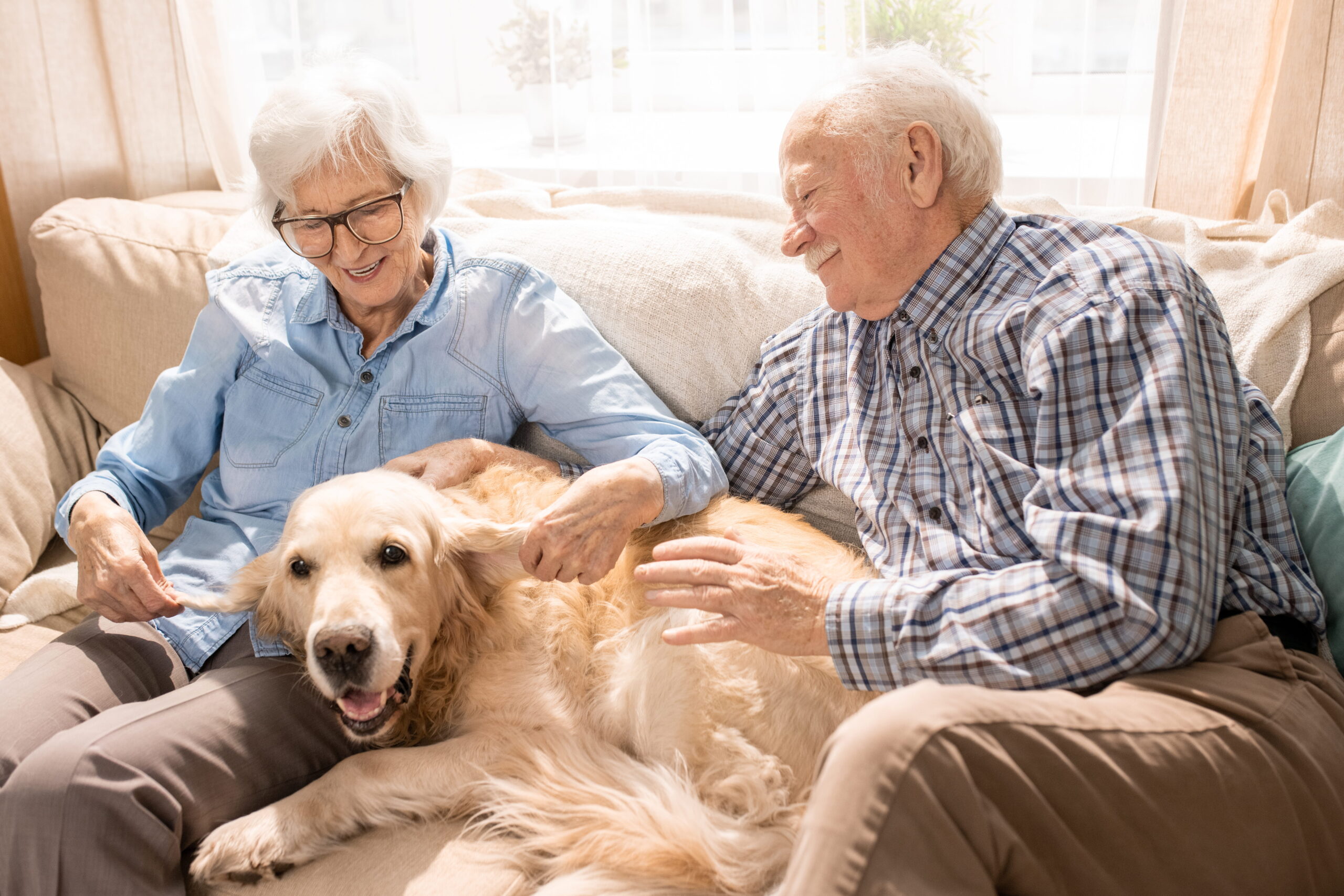
Engaging with pets provides notable physiological benefits for seniors, particularly in managing stress and enhancing physical health. The presence of companion animals can lead to tangible improvements in blood pressure, cortisol levels, and overall physical activity.
Reduction in Blood Pressure Through Pet Companionship
Studies have shown that simply petting a dog or cat can result in lower blood pressure readings. This effect is particularly valuable for seniors who may already be at risk for hypertension. Regular interaction with pets promotes relaxation and encourages a more stable cardiovascular system.
Decreased Cortisol Levels Associated with Stress Relief
The act of caring for a pet has been linked to decreased cortisol levels, a hormone associated with stress. For older adults facing the challenges of aging, this reduction can alleviate feelings of anxiety and promote emotional well-being. Lower stress levels correlate with improved immune function and overall health.
Improvement in Physical Activity Levels Due to Pet Care Responsibilities
Caring for pets often necessitates increased physical activity, whether through walks or playtime. This added movement is crucial for seniors, as it combats sedentary lifestyles that can lead to various health issues. Engaging with pets not only boosts physical fitness but also enhances mobility and coordination.
- Best for seniors seeking companionship that also promotes physical health.
- Ideal for those looking to manage stress without medication.
Pets provide both emotional support and physiological benefits that are critical for senior wellness.
‘While the benefits are clear, it’s important to recognize that pet ownership also comes with responsibilities that may not suit every senior’s lifestyle. For example, those with limited mobility may find it challenging to care for an active dog.’
Psychological Impacts on Mental Health
Pet therapy delivers significant psychological benefits for seniors, particularly in mitigating symptoms of depression and anxiety. The presence of companion animals can create a sense of security and comfort that is often lacking in the lives of older adults.
Mitigation of Symptoms Related to Depression and Anxiety
For seniors grappling with loneliness or feelings of despair, pet therapy can serve as a powerful intervention. Studies indicate that interacting with animals can reduce feelings of isolation and promote emotional stability. This is especially beneficial for those who may not have regular social interactions.
Enhancement of Mood Through Consistent Animal Interaction
Regular interaction with pets has been shown to elevate mood levels significantly. The act of petting an animal releases oxytocin, a hormone associated with bonding and happiness. This consistent engagement can lead to improved overall emotional health, making it particularly effective for seniors who require ongoing support.
Promotion of Cognitive Engagement Through Pet-Related Activities
‘Engaging seniors in pet-related activities—such as grooming, training, or simply playing—can stimulate cognitive functions. These activities encourage mental engagement and provide a sense of purpose, which are crucial for maintaining cognitive health in aging adults.
- ‘Best for seniors who experience isolation or depression.
- ‘Ideal for those looking to enhance their daily emotional well-being.
The healing power of pets extends beyond companionship; it actively contributes to mental resilience among older adults.
Despite these benefits, it’s essential to recognize the limitations associated with pet therapy. Not all seniors are capable or willing to engage with animals due to mobility issues or past trauma related to pets. Misunderstanding this can lead caregivers to overestimate the universal applicability of pet therapy.
Social Connectivity and Community Engagement
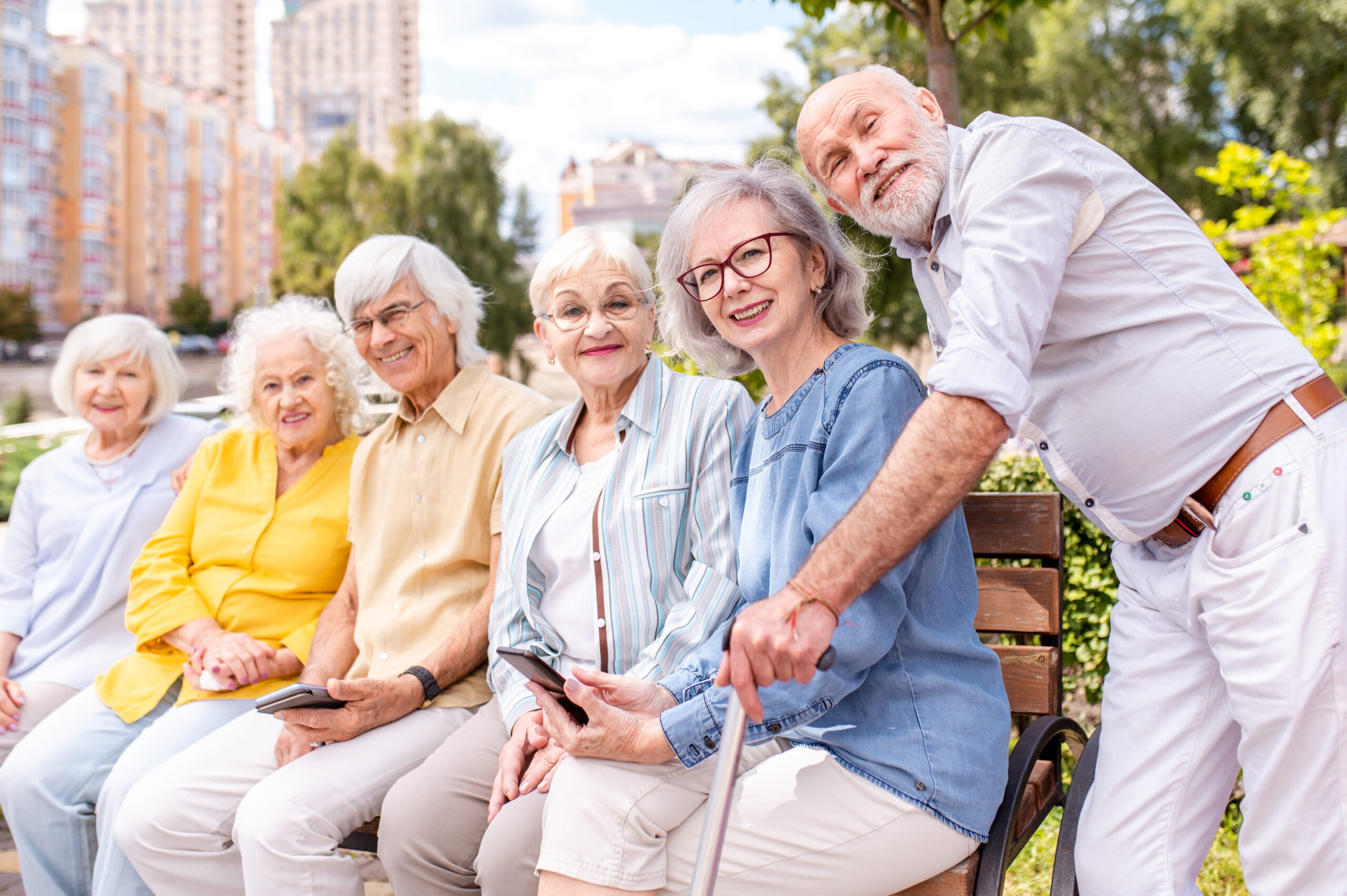
Pet therapy significantly enhances social connectivity among seniors, serving as a catalyst for both personal and communal engagement. The presence of pets in therapeutic settings facilitates interactions that might otherwise be absent, fostering relationships among seniors and their caregivers.
Facilitation of Social Interactions Among Seniors Through Group Pet Therapy Sessions
Group pet therapy sessions are particularly effective in breaking down social barriers. These sessions create an environment where seniors can share experiences and engage in conversation while interacting with animals. This shared activity not only promotes bonding among participants but also encourages the development of friendships that extend beyond the therapy setting.
Strengthening Family Bonds as Pets Become Shared Family Members
When pets are integrated into family dynamics, they often become a focal point for connection. Families may find themselves engaging more frequently with their senior loved ones to discuss pet care, share responsibilities, or simply enjoy time together with the animal. This shared responsibility can enhance familial relationships and provide a common topic for discussion.
Encouragement of Community Involvement Via Pet-Related Events or Volunteering
‘Community events centered around pets—such as adoption drives or pet parades—offer seniors opportunities to engage with others outside their immediate circles. Participation in these activities can foster a sense of belonging and purpose within the community, combating feelings of isolation that many older adults experience.
- ‘Best suited for seniors looking to enhance their social networks through shared interests.
- ‘Ideal for families seeking to strengthen bonds by involving pets in their daily lives.
Pets not only provide companionship but also act as facilitators of social engagement among seniors.
However, it’s crucial to acknowledge that not all seniors will thrive in group settings or have the energy to participate actively in community events. Misjudging this can lead caregivers to overestimate the benefits of social engagement through pets without considering individual preferences and capabilities.
Role of Routine and Structure in Daily Life
Establishing a routine centered around pet care significantly enhances the daily lives of seniors. The predictability of caring for a pet not only provides structure but also instills a sense of normalcy that can be comforting amidst the uncertainties of aging.
The best-fit scenario for implementing pet therapy revolves around seniors who thrive on routine and require motivation to engage in daily activities. For these individuals, the responsibilities associated with pet ownership can lead to improved mental and physical health outcomes.
However, it’s crucial to recognize that not all seniors are suited for the demands of pet ownership. Those with severe mobility issues or cognitive impairments may struggle with the physical and mental responsibilities that come with caring for an animal. This limitation can lead to frustration and potential neglect of both the pet and the senior’s well-being.
Sense of Purpose Derived from Caring for a Living Being
Caring for a pet offers seniors a renewed sense of purpose, which can be particularly beneficial during times when they may feel isolated or unproductive. This engagement fosters emotional connections that are vital for mental health, helping to combat feelings of loneliness.
‘For example, a senior who walks their dog daily is likely to experience increased motivation to get out of bed and engage with their environment. This simple act not only promotes physical activity but also leads to social interactions with other dog owners, thereby enhancing their overall quality of life.
‘Consistency in Daily Activities Contributing to Overall Stability
‘Routine is essential for stability in senior life. Regularly scheduled activities related to pet care—such as feeding, grooming, or walking—provide structure that can mitigate feelings of chaos or unpredictability often associated with aging.
‘The structured nature of caring for pets can create meaningful daily goals that enhance overall emotional well-being among seniors.
Misunderstanding the role routines play in senior lives often leads caregivers to overestimate the benefits pets provide without considering how these routines are integrated into daily life. Simply having a pet does not guarantee improved health outcomes; it is the consistency and engagement fostered by routine that truly matters.
Tailored Approaches for Different Health Conditions
Effective pet therapy requires a nuanced approach that considers the unique health conditions of each senior. Tailoring therapy to individual needs not only maximizes the benefits of pet therapy for seniors but also ensures that the experience is safe and enjoyable.
Customization of Therapy Pets Based on Individual Health Needs
Choosing the right type of animal is crucial. For instance, dogs are often selected for their ability to encourage mobility and physical activity, while cats may be preferred for their calming presence. Understanding these dynamics allows caregivers to match pets with seniors who can benefit most from their specific traits.
Incorporation of Specific Training Techniques to Address Cognitive Impairments
Training techniques can also be tailored to meet cognitive needs. For example, therapy animals trained to assist those with dementia can provide reminders or prompts that help seniors engage with their environment more effectively. This targeted approach can enhance cognitive stimulation and improve overall mental health.
Consideration of Allergies or Phobias When Selecting Therapy Animals
‘Caregivers often overlook potential allergies or phobias when introducing pets into a senior’s life. This oversight can lead to negative experiences that detract from the therapeutic benefits. It is essential to assess any sensitivities beforehand, as introducing an unsuitable animal can cause stress rather than relief.
- ‘Best for seniors with specific emotional or physical needs requiring tailored support.
- ‘Ideal when selecting animals based on individual preferences and health conditions.
Customizing pet therapy approaches enhances effectiveness and safety for seniors.
A common misconception is that any pet will suffice for therapeutic purposes. In reality, many teams overestimate the effectiveness of generic animal interactions without considering specific health conditions or preferences. This misjudgment can lead to ineffective therapies that fail to address the unique needs of each senior.
Barriers and Considerations in Implementing Pet Therapy
Implementing pet therapy for seniors is not without its challenges. The most significant barrier often lies in the assessment of living environments to ensure they are safe and suitable for pets. This is crucial because an unsafe environment can lead to accidents or stress for both the senior and the animal.
Assessment of Living Environments for Safety and Suitability for Pets
For instance, a senior living in a small apartment may struggle with a large dog that requires space to roam. Conversely, a senior with mobility issues might find it challenging to manage a pet that needs regular outdoor exercise. Caregivers must evaluate these factors meticulously before introducing a pet into a senior’s life.
Understanding Potential Costs Associated with Pet Care and Therapy Programs
Financial considerations are another critical aspect. While the emotional benefits of pets for seniors are well-documented, the costs associated with pet care—such as food, veterinary visits, and grooming—can be substantial. Many families underestimate these expenses, which can lead to financial strain or inadequate care for the animal.
Addressing Concerns About Animal Behavior and Hygiene in Therapeutic Settings
‘Concerns regarding animal behavior also pose challenges. Not all animals are naturally suited for therapy roles; some may exhibit anxiety or aggression that could harm interactions with seniors. Proper training and assessment of animals before introducing them into therapeutic settings is essential to mitigate these risks.
- ‘Best suited for seniors who have stable living conditions and can afford ongoing pet care.
- ‘Ideal when caregivers are proactive about evaluating both environmental safety and animal compatibility.
Underestimating the complexities involved in integrating pets into senior care can lead to negative outcomes for both parties.
A common mistake is assuming that any pet will be beneficial without considering specific needs or potential drawbacks. This oversight can result in mismatches that not only fail to provide therapeutic benefits but may also exacerbate existing issues such as depression or anxiety among seniors.
Evaluating the Efficacy of Pet Therapy Programs
Determining the effectiveness of pet therapy programs for seniors requires a structured approach to evaluation. Programs that are well-designed and implemented can yield measurable benefits, but without proper metrics, it’s challenging to assess their true impact.
Methods for Measuring Improvements in Senior Well-Being Post-Therapy
Quantitative and qualitative assessments are essential for measuring improvements in seniors’ well-being following pet therapy. Surveys and standardized assessment tools can gauge emotional health, social engagement, and even physical activity levels before and after therapy sessions. For instance, using validated scales like the Geriatric Depression Scale (GDS) or measuring changes in mobility can provide concrete data on the effectiveness of these programs.
Case Studies Highlighting Successful Implementations in Various Settings
Numerous case studies illustrate the successful application of pet therapy across different environments, from assisted living facilities to hospice care. For example, a program implemented in a senior community center showed that participants experienced a notable reduction in feelings of loneliness and an increase in social interactions after regular sessions with therapy dogs. These real-world examples underscore the adaptability of pet therapy to meet diverse needs.
Feedback Mechanisms from Participants and Caregivers to Refine Programs
‘Collecting feedback is critical for refining pet therapy programs. Caregivers and participants should be encouraged to share their experiences through structured interviews or focus groups. This feedback can reveal insights into what aspects of the program are most beneficial and highlight areas needing improvement, such as animal compatibility or session frequency.
- Best suited for facilities seeking structured ways to enhance residents emotional and physical health.
- ‘Ideal for caregivers looking to implement evidence-based interventions that demonstrate clear outcomes.
Regular evaluation ensures that pet therapy programs remain effective and responsive to seniors evolving needs.
‘However, many organizations underestimate the complexity involved in evaluating these programs. They often rely solely on anecdotal evidence or overlook specific metrics that truly reflect success. This oversight can lead them to overestimate the efficacy of their initiatives without recognizing areas for improvement.
‘Incorporating a systematic approach not only enhances program credibility but also fosters trust among stakeholders by demonstrating tangible results.