
The Healing Power of Pet Therapy for Senior Well-Being
Physiological Benefits of Pet Therapy for Seniors
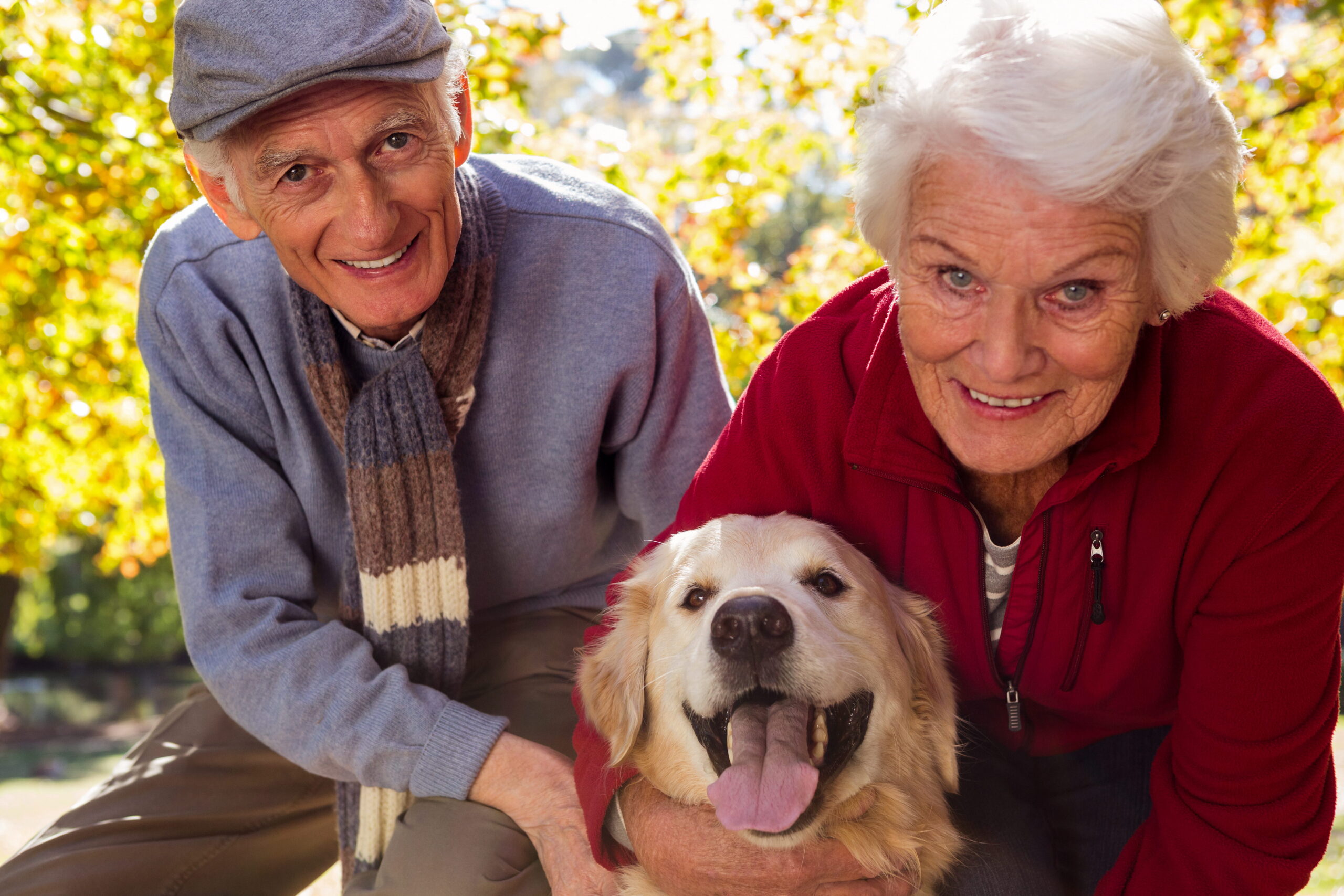
Imagine a world where your heart rate drops, stress melts away, and joy fills the room—all thanks to a furry friend. Sounds like magic? It’s not; it’s just the incredible physiological benefits of pet therapy for seniors.
Research shows that interacting with pets can lead to a significant decrease in cortisol levels (the stress hormone) and an increase in oxytocin (the love hormone). In fact, one study found that seniors who engaged in pet therapy experienced up to a 40% reduction in feelings of loneliness and anxiety. That’s no small feat!
Heart Health and Blood Pressure
For seniors, cardiovascular health is paramount. Pets can play a pivotal role here. The simple act of petting a dog or cat can lower blood pressure and heart rate. A study published by the American Heart Association highlighted that pet owners had lower cholesterol levels compared to non-pet owners. So, if your mom’s been complaining about her blood pressure lately, maybe it’s time for her to adopt a little furball!
Improved Mobility and Physical Activity
Let’s face it: getting older can sometimes feel like being trapped in molasses when it comes to mobility. But guess what? A playful pup or an energetic kitten can be the perfect motivator! Taking care of pets encourages seniors to move more—whether it’s walking the dog or simply bending down to scoop up some kibble. This increased physical activity not only helps maintain muscle strength but also enhances flexibility, which is crucial for preventing falls.
Key takeaway: Regular interaction with pets can lead to better heart health and increased physical activity among seniors.
Cognitive Benefits
What did I come into this room for again? If this sounds familiar, you’re not alone—cognitive decline is a common concern among seniors. Engaging with pets can stimulate mental processes and improve cognitive function. Activities like training a dog or playing fetch require focus and memory recall, giving those brain cells a workout while also providing companionship.
But I don’t have time for all that! you might say. Well, even minimal interaction—like simply watching fish swim in an aquarium—can provide calming effects that enhance mental clarity.
The Fur Factor: Emotional Well-Being
The fur factor isn’t just about cuteness; it’s about emotional connections that lead to physiological changes! Seniors often face isolation as friends pass away or family moves away. Pets fill that void beautifully. The companionship they offer combats feelings of loneliness while providing unconditional love—a remedy that’s hard to beat.
Imagine a world where your heart rate drops, stress melts away, and joy fills the room—all thanks to a furry friend. Sounds like magic? It’s not; it’s just the incredible physiological benefits of pet therapy for seniors.
Research shows that interacting with pets can lead to a significant decrease in cortisol levels (the stress hormone) and an increase in oxytocin (the love hormone). In fact, one study found that seniors who engaged in pet therapy experienced up to a 40% reduction in feelings of loneliness and anxiety. That’s no small feat!
Heart Health and Blood Pressure
For seniors, cardiovascular health is paramount. Pets can play a pivotal role here. The simple act of petting a dog or cat can lower blood pressure and heart rate. A study published by the American Heart Association highlighted that pet owners had lower cholesterol levels compared to non-pet owners. So, if your mom’s been complaining about her blood pressure lately, maybe it’s time for her to adopt a little furball!
Improved Mobility and Physical Activity
Let’s face it: getting older can sometimes feel like being trapped in molasses when it comes to mobility. But guess what? A playful pup or an energetic kitten can be the perfect motivator! Taking care of pets encourages seniors to move more—whether it’s walking the dog or simply bending down to scoop up some kibble. This increased physical activity not only helps maintain muscle strength but also enhances flexibility, which is crucial for preventing falls.
Key takeaway: Regular interaction with pets can lead to better heart health and increased physical activity among seniors.
Cognitive Benefits
What did I come into this room for again? If this sounds familiar, you’re not alone—cognitive decline is a common concern among seniors. Engaging with pets can stimulate mental processes and improve cognitive function. Activities like training a dog or playing fetch require focus and memory recall, giving those brain cells a workout while also providing companionship.
But I don’t have time for all that! you might say. Well, even minimal interaction—like simply watching fish swim in an aquarium—can provide calming effects that enhance mental clarity.
The Fur Factor: Emotional Well-Being
The fur factor isn’t just about cuteness; it’s about emotional connections that lead to physiological changes! Seniors often face isolation as friends pass away or family moves away. Pets fill that void beautifully. The companionship they offer combats feelings of loneliness while providing unconditional love—a remedy that’s hard to beat.
 Psychological Impact of Animal Companionship
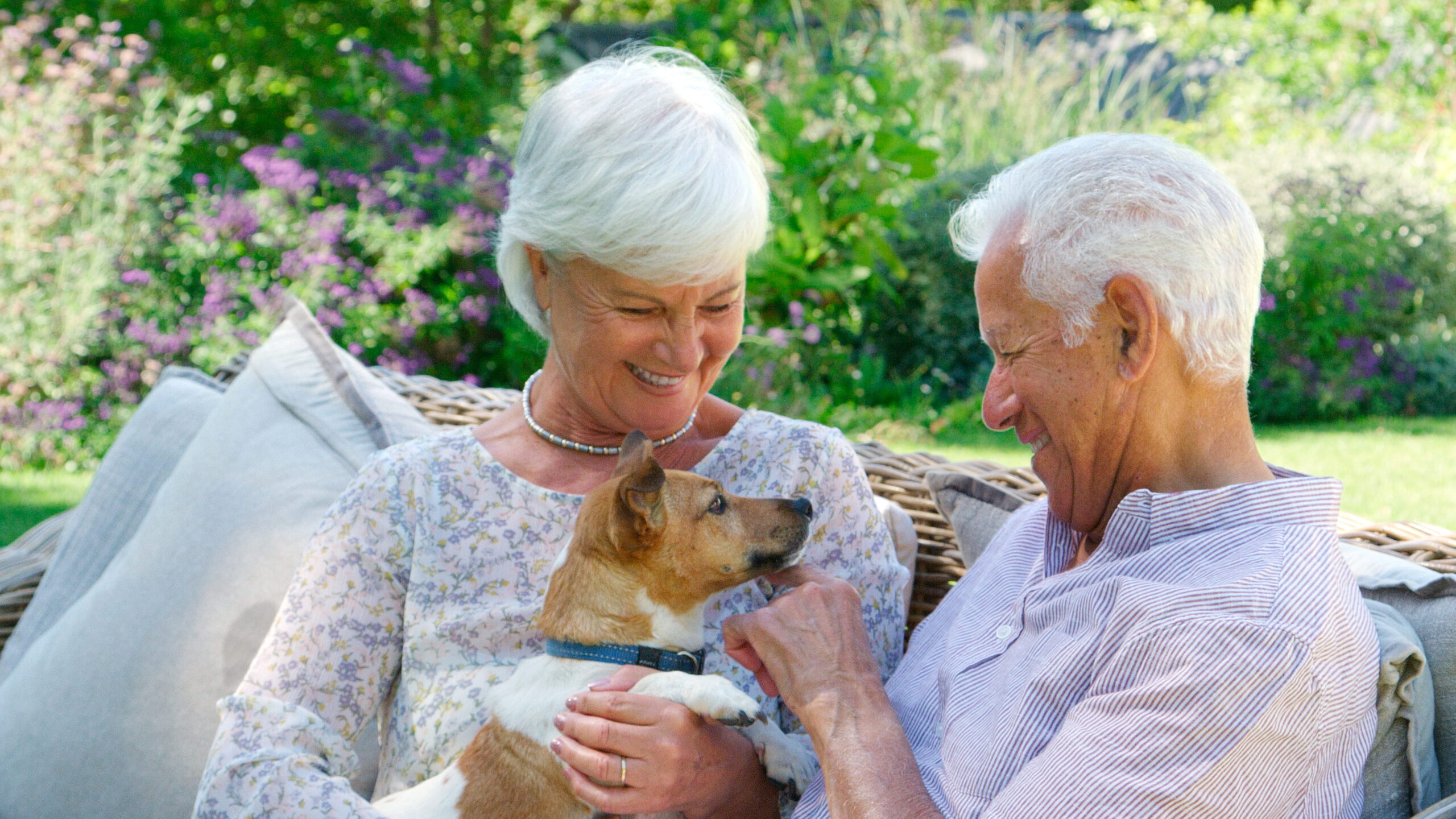
Feeling a little blue? You’re not alone—almost 25% of seniors experience depression, often stemming from loneliness. But here’s the twist: a wagging tail or a gentle purr can be a game-changer. The psychological impact of animal companionship is profound, especially when it comes to the benefits of pet therapy for seniors.
Imagine your elderly neighbor, Mrs. Thompson, who recently lost her husband. She spends most days staring at the walls, reminiscing about better times. Enter Bella, a lively golden retriever with an uncanny ability to sense sadness. Just a few visits from Bella and suddenly Mrs. Thompson is smiling again, sharing stories about her life while tossing a tennis ball for her new furry friend.
Combatting Loneliness
Pets provide more than just physical companionship; they serve as emotional anchors for seniors grappling with isolation. A recent study revealed that pet owners report significantly lower levels of loneliness compared to those without pets. It’s like having a built-in support system that doesn’t judge or criticize—just unconditional love and companionship.
- Pets encourage social interactions—think dog parks or neighborhood walks.
- They create opportunities for routine and responsibility.
- Pets can reduce feelings of anxiety by providing physical touch and affection.
Boosting Mental Health
Pet therapy isn’t just about snuggles; it’s about stimulating the mind! Research shows that engaging with animals can lead to increased levels of serotonin and dopamine—those feel-good neurotransmitters that combat depression. Imagine seniors participating in activities like training their pets or playing interactive games; these actions not only stimulate cognitive function but also foster joy and laughter.
Interacting with pets can increase serotonin and dopamine levels in seniors, significantly improving their mental health.
The Pawsitive Effect
The Pawsitive Effect isn’t just a cute phrase; it’s real science! When seniors interact with pets, their body releases oxytocin—the same hormone that helps mothers bond with their babies. This biological response creates feelings of trust and connection, which are vital for emotional health.
Next time you think about the benefits of pet therapy for seniors, remember it’s not just about having something cute to cuddle; it’s about creating bonds that enrich lives. Whether it’s through fostering connections or simply providing joy in everyday moments, pets truly have an incredible impact on mental wellness.
Feeling a little blue? You’re not alone—almost 25% of seniors experience depression, often stemming from loneliness. But here’s the twist: a wagging tail or a gentle purr can be a game-changer. The psychological impact of animal companionship is profound, especially when it comes to the benefits of pet therapy for seniors.
Imagine your elderly neighbor, Mrs. Thompson, who recently lost her husband. She spends most days staring at the walls, reminiscing about better times. Enter Bella, a lively golden retriever with an uncanny ability to sense sadness. Just a few visits from Bella and suddenly Mrs. Thompson is smiling again, sharing stories about her life while tossing a tennis ball for her new furry friend.
Combatting Loneliness
Pets provide more than just physical companionship; they serve as emotional anchors for seniors grappling with isolation. A recent study revealed that pet owners report significantly lower levels of loneliness compared to those without pets. It’s like having a built-in support system that doesn’t judge or criticize—just unconditional love and companionship.
- Pets encourage social interactions—think dog parks or neighborhood walks.
- They create opportunities for routine and responsibility.
- Pets can reduce feelings of anxiety by providing physical touch and affection.
Boosting Mental Health
Pet therapy isn’t just about snuggles; it’s about stimulating the mind! Research shows that engaging with animals can lead to increased levels of serotonin and dopamine—those feel-good neurotransmitters that combat depression. Imagine seniors participating in activities like training their pets or playing interactive games; these actions not only stimulate cognitive function but also foster joy and laughter.
Interacting with pets can increase serotonin and dopamine levels in seniors, significantly improving their mental health.
The Pawsitive Effect
The Pawsitive Effect isn’t just a cute phrase; it’s real science! When seniors interact with pets, their body releases oxytocin—the same hormone that helps mothers bond with their babies. This biological response creates feelings of trust and connection, which are vital for emotional health.
Next time you think about the benefits of pet therapy for seniors, remember it’s not just about having something cute to cuddle; it’s about creating bonds that enrich lives. Whether it’s through fostering connections or simply providing joy in everyday moments, pets truly have an incredible impact on mental wellness.
Social Engagement Through Pet Therapy Programs
Imagine a world where your loved one not only has a furry companion but also enjoys the company of others who share that same passion. Pet therapy programs are more than just a way to cuddle with cute animals—they’re powerful tools for social engagement that can significantly enhance the benefits of pet therapy for seniors.
Consider this: studies show that seniors who participate in group pet therapy sessions report a staggering 60% increase in social interactions compared to those who don’t. That’s not just numbers; it’s about building connections and community among peers who may have felt isolated.
Creating Community Connections
Pet therapy programs often bring together seniors from various backgrounds, fostering friendships and camaraderie. Take, for instance, a local senior center that hosts weekly visits from therapy dogs. Residents gather not just to pet the dogs but to share stories, laughter, and even snacks—because let’s face it, who doesn’t bond over cookies and canines?
Social interaction through pet therapy can help reduce feelings of isolation and loneliness among seniors.
Building Routine and Responsibility
Engaging with pets not only boosts emotional health; it also helps establish routine and responsibility. Seniors participating in these programs often find themselves looking forward to their weekly sessions, creating a sense of purpose. Imagine Mr. Johnson, an 82-year-old widower who takes on the role of dog walker during group visits. He thrives on the responsibility while making new friends along the way!
- Seniors learn to care for animals, fostering a sense of purpose.
- Regular participation encourages physical activity through walking or playing.
- Group settings provide opportunities for sharing experiences and forming bonds.
 Fur-tastic Friendships
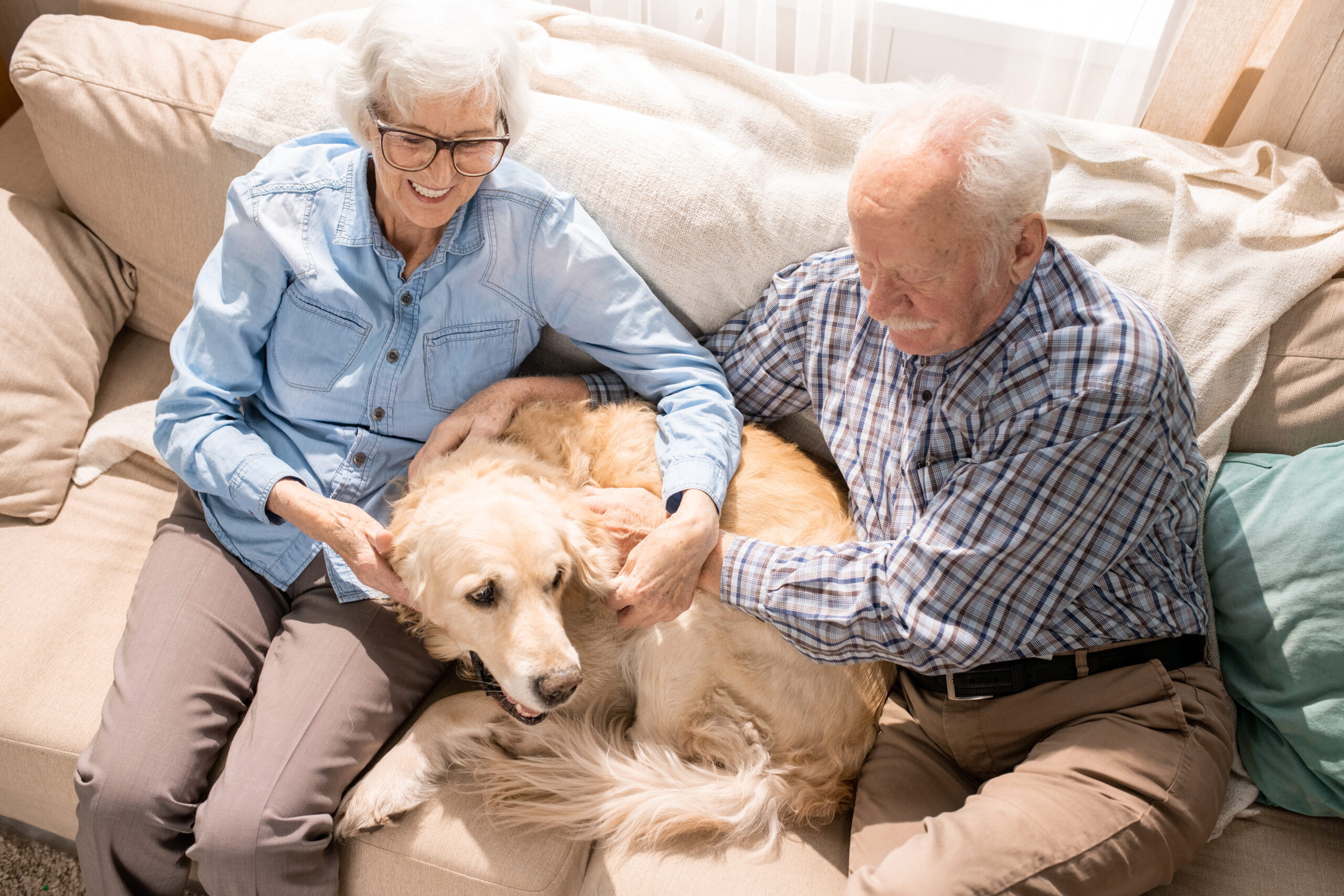
Fur-tastic friendships often blossom in these settings! Engaging with pets creates natural conversation starters. As seniors bond over their shared love for animals, they forge friendships that extend beyond the therapy sessions—think coffee dates or even joint outings to local parks. These connections can lead to lasting relationships that combat loneliness long after the pets leave.
The beauty of these programs lies not only in their immediate benefits but also in their ability to create lasting connections among participants. It’s about transforming lives through love—both human and animal.
So next time you consider how your loved one might benefit from pet therapy, remember it’s not just about cuddling up with a furry friend; it’s about fostering community ties that enrich lives and promote well-being.
Imagine a world where your loved one not only has a furry companion but also enjoys the company of others who share that same passion. Pet therapy programs are more than just a way to cuddle with cute animals—they’re powerful tools for social engagement that can significantly enhance the benefits of pet therapy for seniors.
Consider this: studies show that seniors who participate in group pet therapy sessions report a staggering 60% increase in social interactions compared to those who don’t. That’s not just numbers; it’s about building connections and community among peers who may have felt isolated.
Creating Community Connections
Pet therapy programs often bring together seniors from various backgrounds, fostering friendships and camaraderie. Take, for instance, a local senior center that hosts weekly visits from therapy dogs. Residents gather not just to pet the dogs but to share stories, laughter, and even snacks—because let’s face it, who doesn’t bond over cookies and canines?
Social interaction through pet therapy can help reduce feelings of isolation and loneliness among seniors.
Building Routine and Responsibility
Engaging with pets not only boosts emotional health; it also helps establish routine and responsibility. Seniors participating in these programs often find themselves looking forward to their weekly sessions, creating a sense of purpose. Imagine Mr. Johnson, an 82-year-old widower who takes on the role of dog walker during group visits. He thrives on the responsibility while making new friends along the way!
- Seniors learn to care for animals, fostering a sense of purpose.
- Regular participation encourages physical activity through walking or playing.
- Group settings provide opportunities for sharing experiences and forming bonds.
Fur-tastic Friendships
Fur-tastic friendships often blossom in these settings! Engaging with pets creates natural conversation starters. As seniors bond over their shared love for animals, they forge friendships that extend beyond the therapy sessions—think coffee dates or even joint outings to local parks. These connections can lead to lasting relationships that combat loneliness long after the pets leave.
The beauty of these programs lies not only in their immediate benefits but also in their ability to create lasting connections among participants. It’s about transforming lives through love—both human and animal.
So next time you consider how your loved one might benefit from pet therapy, remember it’s not just about cuddling up with a furry friend; it’s about fostering community ties that enrich lives and promote well-being.
Tailoring Pet Therapy to Individual Needs
Not every senior is the same, and that’s where the magic of tailoring pet therapy comes in. Take Mrs. Jenkins, an 82-year-old who adores cats but is terrified of dogs. When her family introduced her to a gentle therapy cat named Whiskers, it was like watching a flower bloom in spring! The companionship and comfort Whiskers provided were precisely what she needed to combat her loneliness.
On the flip side, consider Mr. Thompson, a former marathon runner who thrives on energy and activity. For him, a lively dog like Max could be the perfect match, encouraging him to get outside and move again. The benefits of pet therapy for seniors aren’t just about cuddles; it’s about finding the right furry friend that fits their personality and lifestyle.
Understanding Individual Preferences
When tailoring pet therapy, it’s crucial to assess what each individual enjoys or feels comfortable with. Some seniors may prefer low-maintenance pets like fish or reptiles that require minimal interaction but still provide calming effects. Others might benefit from more interactive pets that encourage physical activity and engagement.
- Consider the senior’s previous experiences with animals.
- Evaluate their physical abilities—can they walk a dog or just enjoy watching fish?
- Take into account any allergies or fears—safety first!
Creating Customized Interaction Plans
Once you’ve identified preferences, the next step involves creating customized interaction plans. For Mrs. Jenkins, this might mean scheduling regular visits from Whiskers along with gentle activities like brushing or playing with toys. For Mr. Thompson, it could include daily walks with Max followed by training sessions to keep his mind sharp.
Tailoring interactions ensures that seniors not only enjoy their time with pets but also reap maximum emotional and physical benefits.
The best part? These tailored approaches can lead to stronger bonds between seniors and their pets, resulting in enhanced joy and reduced feelings of isolation.
Not every senior is the same, and that’s where the magic of tailoring pet therapy comes in. Take Mrs. Jenkins, an 82-year-old who adores cats but is terrified of dogs. When her family introduced her to a gentle therapy cat named Whiskers, it was like watching a flower bloom in spring! The companionship and comfort Whiskers provided were precisely what she needed to combat her loneliness.
On the flip side, consider Mr. Thompson, a former marathon runner who thrives on energy and activity. For him, a lively dog like Max could be the perfect match, encouraging him to get outside and move again. The benefits of pet therapy for seniors aren’t just about cuddles; it’s about finding the right furry friend that fits their personality and lifestyle.
Understanding Individual Preferences
When tailoring pet therapy, it’s crucial to assess what each individual enjoys or feels comfortable with. Some seniors may prefer low-maintenance pets like fish or reptiles that require minimal interaction but still provide calming effects. Others might benefit from more interactive pets that encourage physical activity and engagement.
- Consider the senior’s previous experiences with animals.
- Evaluate their physical abilities—can they walk a dog or just enjoy watching fish?
- Take into account any allergies or fears—safety first!
Creating Customized Interaction Plans
Once you’ve identified preferences, the next step involves creating customized interaction plans. For Mrs. Jenkins, this might mean scheduling regular visits from Whiskers along with gentle activities like brushing or playing with toys. For Mr. Thompson, it could include daily walks with Max followed by training sessions to keep his mind sharp.
Tailoring interactions ensures that seniors not only enjoy their time with pets but also reap maximum emotional and physical benefits.
The best part? These tailored approaches can lead to stronger bonds between seniors and their pets, resulting in enhanced joy and reduced feelings of isolation.
 Training and Certification for Therapy Animals
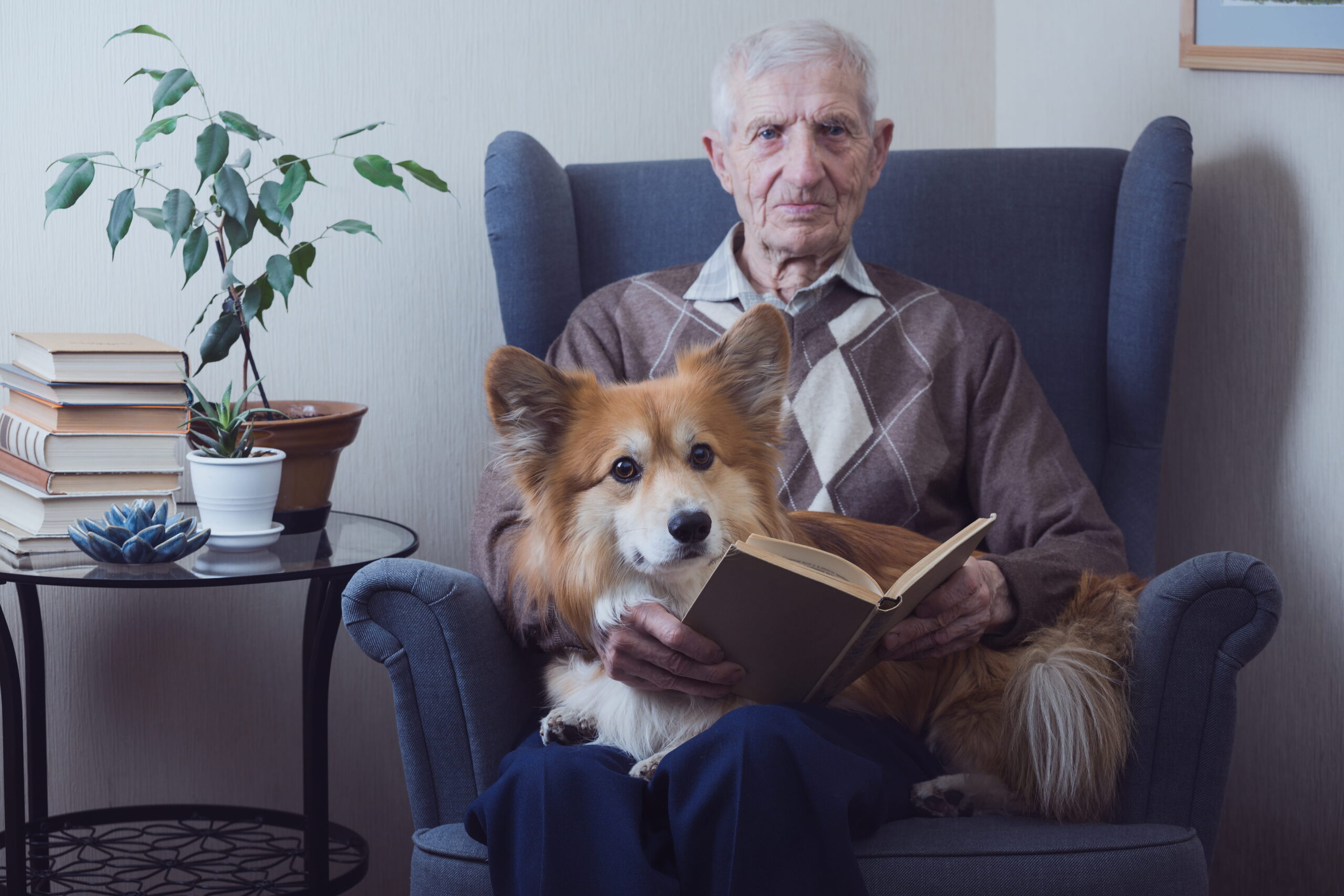
Did you know that only about 15% of therapy animals actually receive formal training? That’s right! While many furry companions have the innate ability to comfort, not all are equipped with the skills needed to thrive in therapeutic settings. This is where training and certification come into play, ensuring these animals can provide the maximum benefits of pet therapy for seniors.
Imagine a scenario where a therapy dog arrives at a senior care facility. If that pup has undergone proper training, they’ll be calm, friendly, and responsive to both their handler and the seniors they’re visiting. However, without training, you might end up with a hyperactive pooch that’s more interested in chasing butterflies than providing comfort. Not exactly what you want for your loved ones!
The Importance of Certification
Certification is crucial for ensuring that therapy animals meet specific standards of behavior and temperament. Organizations like Pet Partners or Therapy Dogs International set rigorous guidelines that cover everything from socialization skills to health requirements. This certification process not only protects the seniors receiving therapy but also ensures the safety and well-being of the animals involved.
Think about it: Would you trust someone with your health who hasn’t gone through any formal training? The same applies here! A certified therapy animal is more than just a cute face; they are trained to handle different environments and situations while remaining calm under pressure.
Training Techniques
Training for therapy animals typically includes basic obedience commands like sit, stay, and come—essentially making sure they can listen when it counts. But it goes beyond just commands; socialization is key! These animals must be comfortable around diverse groups of people, including those with mobility aids or other special needs.
- Exposure to various environments (e.g., hospitals, nursing homes)
- Desensitization to loud noises or sudden movements
- Positive reinforcement techniques to encourage desired behaviors
*Important takeaway: Proper training ensures that therapy animals can provide safe and effective emotional support.
The Right Match Concept
Did you know that only about 15% of therapy animals actually receive formal training? That’s right! While many furry companions have the innate ability to comfort, not all are equipped with the skills needed to thrive in therapeutic settings. This is where training and certification come into play, ensuring these animals can provide the maximum benefits of pet therapy for seniors.
Imagine a scenario where a therapy dog arrives at a senior care facility. If that pup has undergone proper training, they’ll be calm, friendly, and responsive to both their handler and the seniors they’re visiting. However, without training, you might end up with a hyperactive pooch that’s more interested in chasing butterflies than providing comfort. Not exactly what you want for your loved ones!
The Importance of Certification
Certification is crucial for ensuring that therapy animals meet specific standards of behavior and temperament. Organizations like Pet Partners or Therapy Dogs International set rigorous guidelines that cover everything from socialization skills to health requirements. This certification process not only protects the seniors receiving therapy but also ensures the safety and well-being of the animals involved.
Think about it: Would you trust someone with your health who hasn’t gone through any formal training? The same applies here! A certified therapy animal is more than just a cute face; they are trained to handle different environments and situations while remaining calm under pressure.
Training Techniques
Training for therapy animals typically includes basic obedience commands like sit, stay, and come—essentially making sure they can listen when it counts. But it goes beyond just commands; socialization is key! These animals must be comfortable around diverse groups of people, including those with mobility aids or other special needs.
- Exposure to various environments (e.g., hospitals, nursing homes)
- Desensitization to loud noises or sudden movements
- Positive reinforcement techniques to encourage desired behaviors
*Important takeaway: Proper training ensures that therapy animals can provide safe and effective emotional support.
The Right Match Concept