
Understanding Home Hospice Care: Comfort and Dignity at Home
Key Principles of Home Hospice Care

Home hospice care excels in providing a holistic approach to patient care, focusing on the physical, emotional, and spiritual needs of patients nearing the end of life. This model is best suited for individuals who prioritize comfort and dignity over aggressive treatments. The emphasis is on symptom management and quality of life, rather than curative interventions.
Holistic Approach to Patient Care
A holistic approach means addressing not just the medical aspects but also the psychological and social dimensions of care. This integration ensures that patients receive comprehensive support tailored to their unique circumstances. For instance, a patient may receive pain management alongside counseling services to address anxiety about dying. However, this approach can be resource-intensive, requiring skilled professionals who understand multiple facets of care.
Interdisciplinary Team Roles
An interdisciplinary team typically includes physicians, nurses, social workers, and chaplains who collaborate to create a personalized care plan. Each member brings specialized knowledge that enriches the overall care experience. For example, while a nurse focuses on medical needs, a social worker might assist with family dynamics or financial concerns. This collaborative model is effective but can lead to challenges in communication if roles are not clearly defined.
Focus on Quality of Life Over Curative Treatment
“Home hospice care shifts the focus from curative treatment to enhancing quality of life during the final stages. This often involves making difficult decisions about forgoing aggressive therapies that may cause more harm than good. Many families struggle with this shift in mindset, mistakenly believing that choosing hospice means giving up hope. In reality, it allows patients to spend their remaining time comfortably surrounded by loved ones without unnecessary distress.
Choosing home hospice care does not equate to abandoning treatment; it’s about prioritizing comfort and quality of life.
Home hospice care excels in providing a holistic approach to patient care, focusing on the physical, emotional, and spiritual needs of patients nearing the end of life. This model is best suited for individuals who prioritize comfort and dignity over aggressive treatments. The emphasis is on symptom management and quality of life, rather than curative interventions.
Holistic Approach to Patient Care
A holistic approach means addressing not just the medical aspects but also the psychological and social dimensions of care. This integration ensures that patients receive comprehensive support tailored to their unique circumstances. For instance, a patient may receive pain management alongside counseling services to address anxiety about dying. However, this approach can be resource-intensive, requiring skilled professionals who understand multiple facets of care.
Interdisciplinary Team Roles
An interdisciplinary team typically includes physicians, nurses, social workers, and chaplains who collaborate to create a personalized care plan. Each member brings specialized knowledge that enriches the overall care experience. For example, while a nurse focuses on medical needs, a social worker might assist with family dynamics or financial concerns. This collaborative model is effective but can lead to challenges in communication if roles are not clearly defined.
Focus on Quality of Life Over Curative Treatment
“Home hospice care shifts the focus from curative treatment to enhancing quality of life during the final stages. This often involves making difficult decisions about forgoing aggressive therapies that may cause more harm than good. Many families struggle with this shift in mindset, mistakenly believing that choosing hospice means giving up hope. In reality, it allows patients to spend their remaining time comfortably surrounded by loved ones without unnecessary distress.
Choosing home hospice care does not equate to abandoning treatment; it’s about prioritizing comfort and quality of life.
Eligibility Criteria for Home Hospice Care
Home hospice care is best suited for individuals diagnosed with a terminal illness, typically with a prognosis of six months or less to live. This model works effectively when patients and families prioritize comfort and quality of life over aggressive curative measures.
Understanding Terminal Illness Definitions
The definition of terminal illness is critical in determining eligibility. Conditions such as advanced cancer, end-stage heart disease, or progressive neurological disorders fall under this category. Misunderstanding these definitions can lead to premature enrollment or denial of services, impacting the quality of care received.
Assessment Processes for Enrollment
Enrollment in home hospice care involves a thorough assessment process conducted by healthcare professionals. This typically includes evaluating the patient’s medical history, current symptoms, and overall prognosis. A common pitfall is assuming that all patients with serious illnesses automatically qualify; each case must be individually assessed to confirm eligibility.
Role of Healthcare Providers in Eligibility Determination
Healthcare providers play a pivotal role in determining eligibility for home hospice care. Physicians must communicate effectively with patients and families about prognosis and treatment options. A frequent misstep occurs when providers fail to discuss hospice options early enough, which can delay access to necessary support services.
- Patients must have a terminal diagnosis confirmed by a physician.
- Family members should be involved in discussions about care preferences.
- Ongoing assessments are necessary to ensure that the patient’s needs continue to be met.
Eligibility for home hospice care hinges not just on diagnosis but also on patient and family readiness to embrace this approach.
Home hospice care is best suited for individuals diagnosed with a terminal illness, typically with a prognosis of six months or less to live. This model works effectively when patients and families prioritize comfort and quality of life over aggressive curative measures.
Understanding Terminal Illness Definitions
The definition of terminal illness is critical in determining eligibility. Conditions such as advanced cancer, end-stage heart disease, or progressive neurological disorders fall under this category. Misunderstanding these definitions can lead to premature enrollment or denial of services, impacting the quality of care received.
Assessment Processes for Enrollment
Enrollment in home hospice care involves a thorough assessment process conducted by healthcare professionals. This typically includes evaluating the patient’s medical history, current symptoms, and overall prognosis. A common pitfall is assuming that all patients with serious illnesses automatically qualify; each case must be individually assessed to confirm eligibility.
Role of Healthcare Providers in Eligibility Determination
Healthcare providers play a pivotal role in determining eligibility for home hospice care. Physicians must communicate effectively with patients and families about prognosis and treatment options. A frequent misstep occurs when providers fail to discuss hospice options early enough, which can delay access to necessary support services.
- Patients must have a terminal diagnosis confirmed by a physician.
- Family members should be involved in discussions about care preferences.
- Ongoing assessments are necessary to ensure that the patient’s needs continue to be met.
Eligibility for home hospice care hinges not just on diagnosis but also on patient and family readiness to embrace this approach.
Personalized Care Plans in Home Hospice
Personalized care plans are essential in home hospice care, as they address the unique needs and preferences of each patient. This approach is most effective for individuals who require tailored support that reflects their specific medical conditions, emotional states, and family dynamics.
Tailoring Care to Individual Patient Needs
Each patient presents a distinct set of circumstances that necessitates a carefully crafted care plan. For instance, a patient with late-stage cancer may need intensive pain management and emotional support, while another with advanced dementia might benefit from increased social interaction and familiar routines. The challenge lies in accurately assessing these needs and implementing a plan that adapts as conditions change.
Incorporating Family Preferences and Values
Family involvement is crucial in developing personalized care plans. Decisions about treatment options often reflect the values and beliefs of both the patient and their family members. For example, some families may prioritize aggressive symptom management, while others might prefer a more palliative approach focused on comfort. Failing to engage families effectively can lead to dissatisfaction with care or misalignment between services provided and the family’s expectations.
Regular Updates and Adjustments to Care Plans
Care plans must be dynamic; they require regular reviews to ensure they remain relevant as patients’ conditions evolve. A common oversight is assuming that an initial plan will suffice throughout the hospice period. For instance, if a patient’s pain levels increase or new symptoms arise, immediate adjustments should be made to address these changes effectively.
‘Personalized care plans are not static; they must evolve alongside the patient’s changing needs.’
Home hospice care often gets misrepresented as a one-size-fits-all solution. Many teams underestimate the importance of ongoing communication with families about their loved one’s evolving needs. This oversight can lead to gaps in care or unmet expectations.
Personalized care plans are essential in home hospice care, as they address the unique needs and preferences of each patient. This approach is most effective for individuals who require tailored support that reflects their specific medical conditions, emotional states, and family dynamics.
Tailoring Care to Individual Patient Needs
Each patient presents a distinct set of circumstances that necessitates a carefully crafted care plan. For instance, a patient with late-stage cancer may need intensive pain management and emotional support, while another with advanced dementia might benefit from increased social interaction and familiar routines. The challenge lies in accurately assessing these needs and implementing a plan that adapts as conditions change.
Incorporating Family Preferences and Values
Family involvement is crucial in developing personalized care plans. Decisions about treatment options often reflect the values and beliefs of both the patient and their family members. For example, some families may prioritize aggressive symptom management, while others might prefer a more palliative approach focused on comfort. Failing to engage families effectively can lead to dissatisfaction with care or misalignment between services provided and the family’s expectations.
Regular Updates and Adjustments to Care Plans
Care plans must be dynamic; they require regular reviews to ensure they remain relevant as patients’ conditions evolve. A common oversight is assuming that an initial plan will suffice throughout the hospice period. For instance, if a patient’s pain levels increase or new symptoms arise, immediate adjustments should be made to address these changes effectively.
‘Personalized care plans are not static; they must evolve alongside the patient’s changing needs.’
Home hospice care often gets misrepresented as a one-size-fits-all solution. Many teams underestimate the importance of ongoing communication with families about their loved one’s evolving needs. This oversight can lead to gaps in care or unmet expectations.
Emotional and Psychological Support in Home Hospice
Emotional and psychological support is a critical component of home hospice care, as it addresses the mental health needs of both patients and their families. This support is best suited for those who are navigating the complexities of terminal illness, where feelings of fear, anxiety, and grief are prevalent. While medical care focuses on physical symptoms, neglecting the emotional aspect can lead to a diminished quality of life.
Addressing Mental Health Needs of Patients and Families
Incorporating mental health support into home hospice care involves recognizing the emotional turmoil that often accompanies terminal diagnoses. Patients may experience depression or anxiety about their prognosis, while families may struggle with anticipatory grief. A common oversight is assuming that physical comfort alone will suffice; without addressing these emotional needs, overall care can be ineffective. For example, a patient receiving pain management may still feel isolated or fearful if their emotional distress goes unaddressed.
Utilizing Counseling Services and Support Groups
Counseling services and support groups can provide essential outlets for patients and families coping with terminal illness. These resources are especially beneficial for individuals who may feel alone in their experiences. However, one limitation is that not all hospice programs offer robust mental health resources; some may rely solely on medical staff to address these concerns. Engaging a licensed counselor or therapist can enhance emotional well-being significantly.
Strategies for Coping with Grief and Loss
‘Coping strategies are vital in helping families manage grief effectively during this challenging time. Techniques such as journaling, engaging in creative outlets, or participating in family discussions about feelings can foster an environment where emotions are expressed openly. Many families underestimate the importance of proactive grief management; they might believe that simply being present is enough when in reality, structured activities can significantly aid healing.
- Encourage open communication among family members about feelings.
- Incorporate regular check-ins with mental health professionals.
- Utilize community resources like support groups to share experiences.
Proactive emotional support can enhance the overall experience of home hospice care by fostering connection and understanding among family members.
Emotional and psychological support is a critical component of home hospice care, as it addresses the mental health needs of both patients and their families. This support is best suited for those who are navigating the complexities of terminal illness, where feelings of fear, anxiety, and grief are prevalent. While medical care focuses on physical symptoms, neglecting the emotional aspect can lead to a diminished quality of life.
Addressing Mental Health Needs of Patients and Families
Incorporating mental health support into home hospice care involves recognizing the emotional turmoil that often accompanies terminal diagnoses. Patients may experience depression or anxiety about their prognosis, while families may struggle with anticipatory grief. A common oversight is assuming that physical comfort alone will suffice; without addressing these emotional needs, overall care can be ineffective. For example, a patient receiving pain management may still feel isolated or fearful if their emotional distress goes unaddressed.
Utilizing Counseling Services and Support Groups
Counseling services and support groups can provide essential outlets for patients and families coping with terminal illness. These resources are especially beneficial for individuals who may feel alone in their experiences. However, one limitation is that not all hospice programs offer robust mental health resources; some may rely solely on medical staff to address these concerns. Engaging a licensed counselor or therapist can enhance emotional well-being significantly.
Strategies for Coping with Grief and Loss
‘Coping strategies are vital in helping families manage grief effectively during this challenging time. Techniques such as journaling, engaging in creative outlets, or participating in family discussions about feelings can foster an environment where emotions are expressed openly. Many families underestimate the importance of proactive grief management; they might believe that simply being present is enough when in reality, structured activities can significantly aid healing.
- Encourage open communication among family members about feelings.
- Incorporate regular check-ins with mental health professionals.
- Utilize community resources like support groups to share experiences.
Proactive emotional support can enhance the overall experience of home hospice care by fostering connection and understanding among family members.
 Navigating Communication with Healthcare Providers
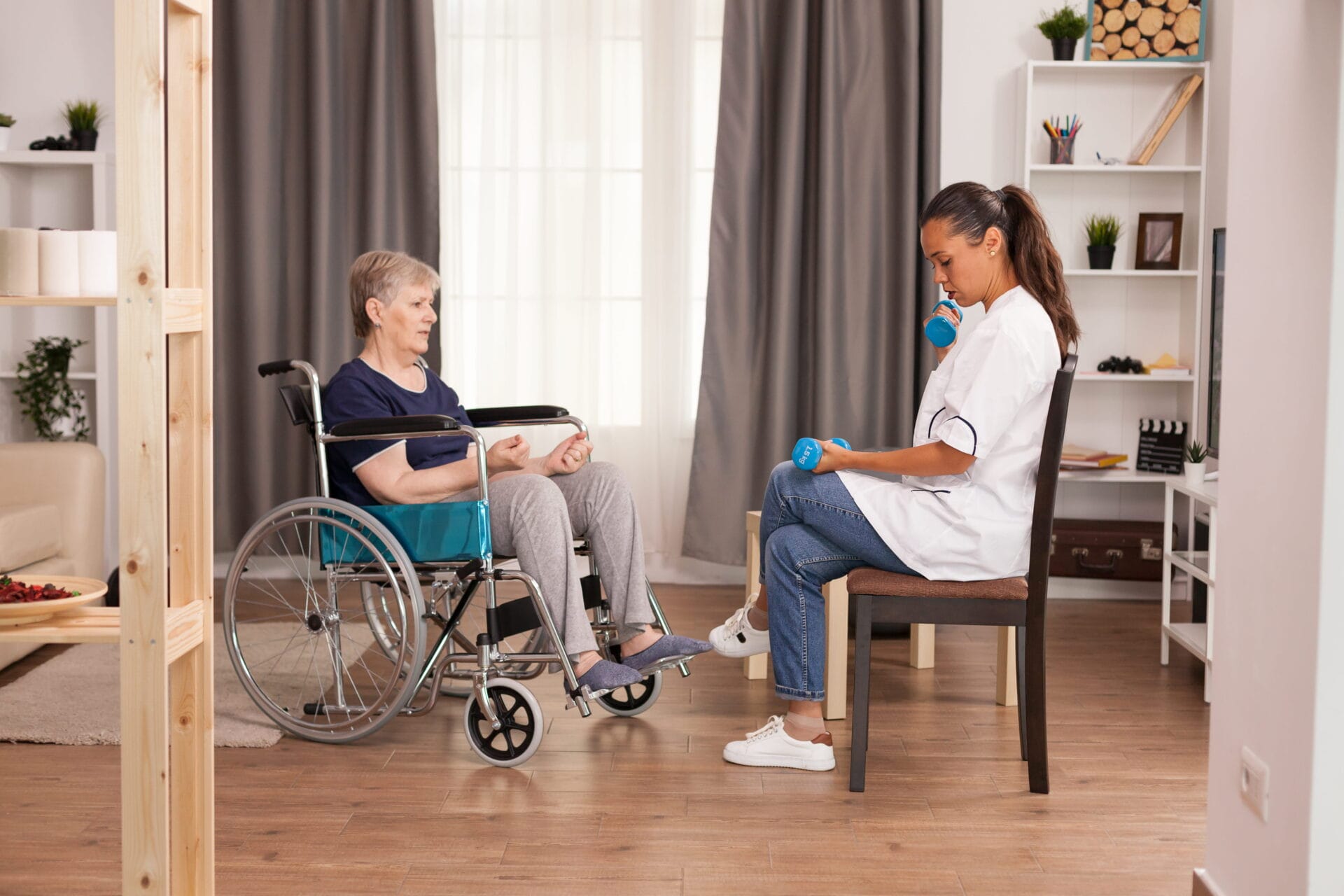
Effective communication with healthcare providers is crucial in home hospice care, particularly for caregivers who often serve as the primary advocates for patients. This approach is best suited for those who are proactive in seeking clarity about treatment options and care plans, ensuring that the patient’s needs are prioritized.
Effective Communication Strategies for Caregivers
Caregivers benefit from adopting a structured approach when communicating with healthcare providers. This includes preparing specific questions ahead of appointments and summarizing discussions to confirm understanding. However, one limitation is that many caregivers may feel overwhelmed by the medical environment, leading to missed opportunities for important clarifications. For instance, a caregiver might leave a meeting without fully understanding medication changes or symptom management strategies.
Understanding Medical Jargon and Treatment Options
‘Medical jargon can be a significant barrier to effective communication. Caregivers must strive to clarify terminology that may not be familiar, as misunderstandings can impact patient care. A common misstep is assuming that healthcare professionals will automatically explain everything; instead, caregivers should feel empowered to ask for simpler explanations when necessary. For example, if a doctor mentions palliative sedation, the caregiver should request clarification on what that entails and how it affects the patient’s quality of life.
Advocating for Patient Needs Within the Healthcare System
‘Advocacy is paramount in navigating the complexities of home hospice care. Caregivers must not only communicate needs but also actively push for necessary services or adjustments in care plans. One critical oversight occurs when caregivers underestimate their role as advocates; they might assume that healthcare providers will recognize and address all patient needs without prompting. For instance, if a patient experiences increased pain levels, it is essential for caregivers to articulate this concern clearly and insist on reassessment of pain management strategies.
- ‘Prepare specific questions before meetings with healthcare providers to ensure all concerns are addressed.
- ‘Summarize discussions after meetings to confirm understanding and follow-up actions.
- ‘Request clarification on medical terms or treatment options whenever needed.
‘Effective communication can significantly enhance patient outcomes by ensuring all parties are aligned on care goals.
Effective communication with healthcare providers is crucial in home hospice care, particularly for caregivers who often serve as the primary advocates for patients. This approach is best suited for those who are proactive in seeking clarity about treatment options and care plans, ensuring that the patient’s needs are prioritized.
Effective Communication Strategies for Caregivers
Caregivers benefit from adopting a structured approach when communicating with healthcare providers. This includes preparing specific questions ahead of appointments and summarizing discussions to confirm understanding. However, one limitation is that many caregivers may feel overwhelmed by the medical environment, leading to missed opportunities for important clarifications. For instance, a caregiver might leave a meeting without fully understanding medication changes or symptom management strategies.
Understanding Medical Jargon and Treatment Options
‘Medical jargon can be a significant barrier to effective communication. Caregivers must strive to clarify terminology that may not be familiar, as misunderstandings can impact patient care. A common misstep is assuming that healthcare professionals will automatically explain everything; instead, caregivers should feel empowered to ask for simpler explanations when necessary. For example, if a doctor mentions palliative sedation, the caregiver should request clarification on what that entails and how it affects the patient’s quality of life.
Advocating for Patient Needs Within the Healthcare System
‘Advocacy is paramount in navigating the complexities of home hospice care. Caregivers must not only communicate needs but also actively push for necessary services or adjustments in care plans. One critical oversight occurs when caregivers underestimate their role as advocates; they might assume that healthcare providers will recognize and address all patient needs without prompting. For instance, if a patient experiences increased pain levels, it is essential for caregivers to articulate this concern clearly and insist on reassessment of pain management strategies.
- ‘Prepare specific questions before meetings with healthcare providers to ensure all concerns are addressed.
- ‘Summarize discussions after meetings to confirm understanding and follow-up actions.
- ‘Request clarification on medical terms or treatment options whenever needed.
‘Effective communication can significantly enhance patient outcomes by ensuring all parties are aligned on care goals.
Role of Family Caregivers in Home Hospice Settings
Family caregivers are central to the success of home hospice care, often serving as the primary source of support for patients. This role is best suited for individuals who are emotionally invested in their loved ones’ well-being and are prepared to navigate the complexities of caregiving while managing their own needs.
Balancing Caregiving Responsibilities with Personal Well-Being
One significant challenge family caregivers face is balancing their caregiving responsibilities with personal well-being. Many caregivers underestimate the emotional and physical toll that caregiving can take, leading to burnout. For example, a caregiver may spend long hours attending to a loved one’s needs while neglecting their own health or social connections, which can lead to feelings of isolation and stress.
Training Opportunities for Family Caregivers
Training opportunities can significantly enhance a caregiver’s ability to provide effective support. Programs that cover topics such as pain management, communication skills, and emotional support techniques equip caregivers with practical tools. However, many families overlook these resources, assuming that caregiving knowledge is intuitive. This assumption can lead to mismanagement of care tasks and increased stress for both the caregiver and patient.
Establishing Boundaries and Seeking Respite Care
‘Establishing boundaries is crucial for family caregivers to maintain their mental health. Many caregivers mistakenly believe they must be available at all times; this mindset often leads to exhaustion and resentment. For instance, scheduling regular respite care allows caregivers time to recharge without feeling guilty about stepping away from their duties. Not recognizing the importance of this practice can result in diminished quality of care due to caregiver fatigue.
Caregiver well-being directly impacts patient care; when caregivers prioritize self-care, they are better equipped to provide compassionate support.
Family caregivers are central to the success of home hospice care, often serving as the primary source of support for patients. This role is best suited for individuals who are emotionally invested in their loved ones’ well-being and are prepared to navigate the complexities of caregiving while managing their own needs.
Balancing Caregiving Responsibilities with Personal Well-Being
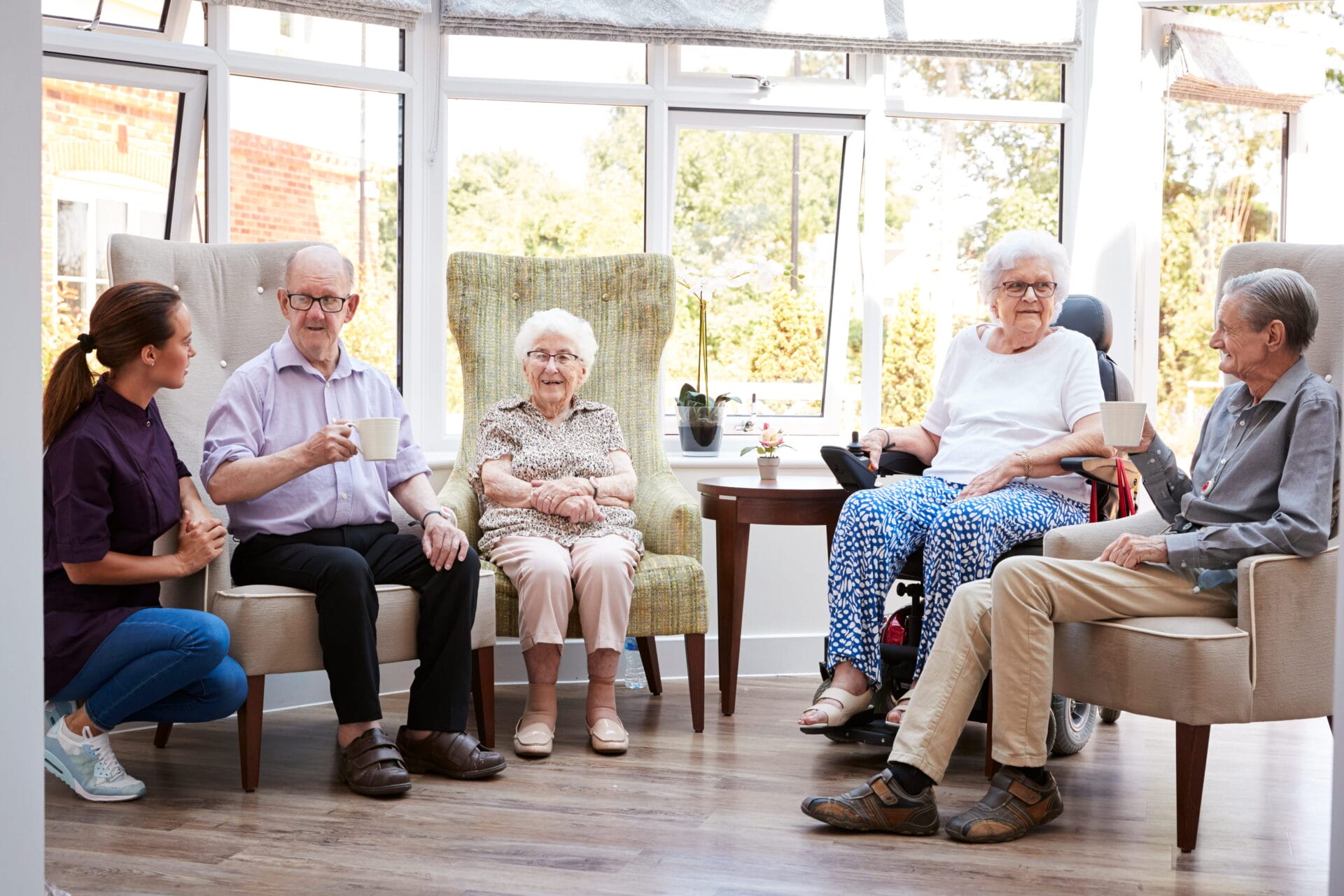
One significant challenge family caregivers face is balancing their caregiving responsibilities with personal well-being. Many caregivers underestimate the emotional and physical toll that caregiving can take, leading to burnout. For example, a caregiver may spend long hours attending to a loved one’s needs while neglecting their own health or social connections, which can lead to feelings of isolation and stress.
Training Opportunities for Family Caregivers
Training opportunities can significantly enhance a caregiver’s ability to provide effective support. Programs that cover topics such as pain management, communication skills, and emotional support techniques equip caregivers with practical tools. However, many families overlook these resources, assuming that caregiving knowledge is intuitive. This assumption can lead to mismanagement of care tasks and increased stress for both the caregiver and patient.
Establishing Boundaries and Seeking Respite Care
‘Establishing boundaries is crucial for family caregivers to maintain their mental health. Many caregivers mistakenly believe they must be available at all times; this mindset often leads to exhaustion and resentment. For instance, scheduling regular respite care allows caregivers time to recharge without feeling guilty about stepping away from their duties. Not recognizing the importance of this practice can result in diminished quality of care due to caregiver fatigue.
Caregiver well-being directly impacts patient care; when caregivers prioritize self-care, they are better equipped to provide compassionate support.
Pain Management Techniques in Home Hospice Care
Effective pain management is a cornerstone of home hospice care, aimed at ensuring patients experience comfort and dignity during their final days. This approach is best suited for individuals who prioritize quality of life over curative treatments, recognizing that pain relief is not merely about alleviating physical discomfort but also enhancing emotional well-being.
Pharmacological Options Available at Home
Pharmacological interventions are critical in managing pain effectively. Common options include opioids, non-steroidal anti-inflammatory drugs (NSAIDs), and adjuvant medications such as antidepressants or anticonvulsants. However, one significant limitation of relying solely on pharmacological methods is the potential for side effects, such as sedation or constipation, which can complicate patient care. Families should be prepared to monitor these effects closely and communicate any concerns with healthcare providers.
Non-Pharmacological Approaches to Pain Relief
Non-pharmacological strategies can complement medication in managing pain. Techniques such as massage therapy, acupuncture, and guided imagery have shown effectiveness in reducing discomfort. For instance, a caregiver might use gentle massage to alleviate tension or anxiety in a patient. However, many families underestimate the importance of these approaches, believing that medication alone suffices for effective pain management.
Monitoring Effectiveness of Pain Management Strategies
‘Monitoring the effectiveness of pain management strategies is crucial for ensuring that patients receive optimal care. Regular assessments should involve discussing pain levels with patients and adjusting treatment plans accordingly. A common error among caregivers is assuming that once a medication regimen is established, it will remain effective without reevaluation; this can lead to inadequate pain control as the patient’s condition evolves.
- ‘Keep a daily log of pain levels and responses to medications or therapies.
- ‘Communicate openly with healthcare providers about any changes in symptoms or side effects.
- ‘Involve patients in discussions about their pain management preferences and experiences.
Comprehensive pain management requires both pharmacological and non-pharmacological approaches tailored to individual needs.
Effective pain management is a cornerstone of home hospice care, aimed at ensuring patients experience comfort and dignity during their final days. This approach is best suited for individuals who prioritize quality of life over curative treatments, recognizing that pain relief is not merely about alleviating physical discomfort but also enhancing emotional well-being.
Pharmacological Options Available at Home
Pharmacological interventions are critical in managing pain effectively. Common options include opioids, non-steroidal anti-inflammatory drugs (NSAIDs), and adjuvant medications such as antidepressants or anticonvulsants. However, one significant limitation of relying solely on pharmacological methods is the potential for side effects, such as sedation or constipation, which can complicate patient care. Families should be prepared to monitor these effects closely and communicate any concerns with healthcare providers.
Non-Pharmacological Approaches to Pain Relief
Non-pharmacological strategies can complement medication in managing pain. Techniques such as massage therapy, acupuncture, and guided imagery have shown effectiveness in reducing discomfort. For instance, a caregiver might use gentle massage to alleviate tension or anxiety in a patient. However, many families underestimate the importance of these approaches, believing that medication alone suffices for effective pain management.
Monitoring Effectiveness of Pain Management Strategies
‘Monitoring the effectiveness of pain management strategies is crucial for ensuring that patients receive optimal care. Regular assessments should involve discussing pain levels with patients and adjusting treatment plans accordingly. A common error among caregivers is assuming that once a medication regimen is established, it will remain effective without reevaluation; this can lead to inadequate pain control as the patient’s condition evolves.
- ‘Keep a daily log of pain levels and responses to medications or therapies.
- ‘Communicate openly with healthcare providers about any changes in symptoms or side effects.
- ‘Involve patients in discussions about their pain management preferences and experiences.
Comprehensive pain management requires both pharmacological and non-pharmacological approaches tailored to individual needs.
Cultural Considerations in Home Hospice Care
Incorporating cultural considerations into home hospice care is essential for providing compassionate and respectful support to patients and their families. This approach is particularly effective for families from diverse backgrounds who may have specific beliefs and practices surrounding death and dying.
Respecting Diverse Beliefs About Death and Dying
Different cultures have unique perspectives on death that can significantly impact end-of-life care. For example, some cultures may view death as a natural transition, while others may see it as a tragic event requiring mourning rituals. Failure to recognize these beliefs can lead to misunderstandings and dissatisfaction with care. Healthcare providers must engage in open dialogue with families to understand their cultural values, ensuring that care aligns with these beliefs.
Incorporating Cultural Practices into End-of-Life Care Plans
‘Integrating cultural practices into care plans can enhance the comfort and dignity of patients. For instance, some families may wish to include specific rituals or ceremonies as part of the dying process. However, one limitation is that not all hospice providers are equipped to accommodate these practices due to lack of training or resources. It is vital for families to communicate their needs clearly, enabling caregivers to adapt care plans accordingly.
Engaging Community Resources That Align with Cultural Values
‘Utilizing community resources that resonate with cultural values can significantly enhance the support system around the patient. This might include engaging local religious leaders or cultural organizations that provide additional emotional or spiritual support. Many caregivers overlook these resources, assuming that hospice services alone will suffice; this often results in a lack of comprehensive support for both patients and families.
Cultural competence in home hospice care is not just beneficial; it is essential for ensuring dignity during the dying process.
Incorporating cultural considerations into home hospice care is essential for providing compassionate and respectful support to patients and their families. This approach is particularly effective for families from diverse backgrounds who may have specific beliefs and practices surrounding death and dying.
Respecting Diverse Beliefs About Death and Dying
Different cultures have unique perspectives on death that can significantly impact end-of-life care. For example, some cultures may view death as a natural transition, while others may see it as a tragic event requiring mourning rituals. Failure to recognize these beliefs can lead to misunderstandings and dissatisfaction with care. Healthcare providers must engage in open dialogue with families to understand their cultural values, ensuring that care aligns with these beliefs.
Incorporating Cultural Practices into End-of-Life Care Plans
‘Integrating cultural practices into care plans can enhance the comfort and dignity of patients. For instance, some families may wish to include specific rituals or ceremonies as part of the dying process. However, one limitation is that not all hospice providers are equipped to accommodate these practices due to lack of training or resources. It is vital for families to communicate their needs clearly, enabling caregivers to adapt care plans accordingly.
Engaging Community Resources That Align with Cultural Values
‘Utilizing community resources that resonate with cultural values can significantly enhance the support system around the patient. This might include engaging local religious leaders or cultural organizations that provide additional emotional or spiritual support. Many caregivers overlook these resources, assuming that hospice services alone will suffice; this often results in a lack of comprehensive support for both patients and families.
Cultural competence in home hospice care is not just beneficial; it is essential for ensuring dignity during the dying process.
 Transitioning from Hospital to Home Hospice Care
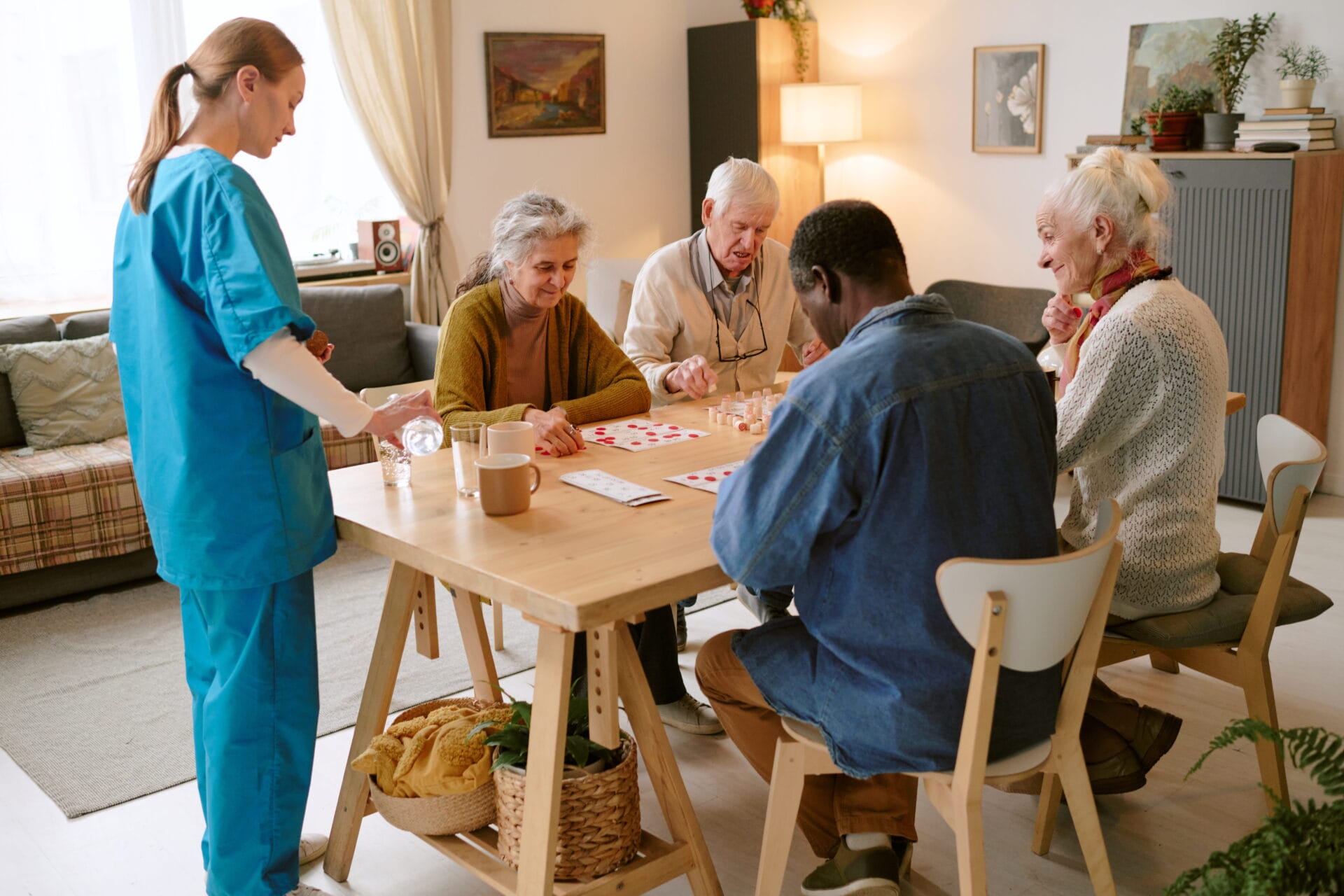
The transition from hospital to home hospice care is crucial for ensuring that patients receive the comfort and dignity they deserve during their final days. This process is best suited for patients who have been stabilized in a hospital setting but require ongoing support that aligns with their end-of-life preferences.
Planning Discharge Processes Effectively
Effective discharge planning is essential to facilitate a smooth transition. This involves not only coordinating logistics but also ensuring that the patient’s care plan is clearly communicated to both hospital staff and home hospice teams. One common limitation is that discharge processes can be rushed, leading to inadequate preparation at home, which may leave families feeling overwhelmed or unsupported.
Coordinating Between Hospital Staff and Home Hospice Teams
‘Coordination between hospital staff and home hospice teams can significantly impact the quality of care received post-discharge. Clear communication regarding medications, symptom management, and specific patient needs is vital. However, many hospitals lack established protocols for this handoff, resulting in fragmented care. For instance, if medication adjustments made during hospitalization are not communicated effectively, it can lead to confusion and potential harm at home.
Ensuring Continuity of Care During Transition
‘Continuity of care during this transition phase is critical for maintaining patient comfort. Families often assume that once the patient returns home, all necessary support will be automatically available; this assumption frequently leads to gaps in services. For example, if a family expects a nurse visit immediately after discharge but encounters scheduling delays, it could result in unmanaged symptoms or heightened anxiety for both the patient and family members.
A well-coordinated transition can improve patient outcomes and family satisfaction significantly.
The transition from hospital to home hospice care is crucial for ensuring that patients receive the comfort and dignity they deserve during their final days. This process is best suited for patients who have been stabilized in a hospital setting but require ongoing support that aligns with their end-of-life preferences.
Planning Discharge Processes Effectively
Effective discharge planning is essential to facilitate a smooth transition. This involves not only coordinating logistics but also ensuring that the patient’s care plan is clearly communicated to both hospital staff and home hospice teams. One common limitation is that discharge processes can be rushed, leading to inadequate preparation at home, which may leave families feeling overwhelmed or unsupported.
Coordinating Between Hospital Staff and Home Hospice Teams
‘Coordination between hospital staff and home hospice teams can significantly impact the quality of care received post-discharge. Clear communication regarding medications, symptom management, and specific patient needs is vital. However, many hospitals lack established protocols for this handoff, resulting in fragmented care. For instance, if medication adjustments made during hospitalization are not communicated effectively, it can lead to confusion and potential harm at home.
Ensuring Continuity of Care During Transition
‘Continuity of care during this transition phase is critical for maintaining patient comfort. Families often assume that once the patient returns home, all necessary support will be automatically available; this assumption frequently leads to gaps in services. For example, if a family expects a nurse visit immediately after discharge but encounters scheduling delays, it could result in unmanaged symptoms or heightened anxiety for both the patient and family members.
A well-coordinated transition can improve patient outcomes and family satisfaction significantly.