
Quality Elderly Care Services Available in Your Local Area

Understanding the Spectrum of Elderly Care Services
Did you know that nearly 90% of seniors prefer to age in place? Yet, many families are unsure about how to support their loved ones effectively while they do so. The landscape of elderly care near me is as diverse as the needs of our aging population, and understanding this spectrum can be a game changer.
The Various Types of Elderly Care
Elderly care services can be categorized into several key types, each tailored to different levels of need. Think of it like a buffet: there’s something for everyone, but not every dish suits every palate.
- In-Home Care: For those who want to remain in their own space with assistance.
- Assisted Living Facilities: Ideal for seniors needing more structured support.
- Nursing Homes: For individuals requiring extensive medical care and supervision.
- Respite Care: Temporary relief for primary caregivers, offering a much-needed break.
- Memory Care Units: Specialized environments for seniors with dementia or Alzheimer’s.
Each option has its unique benefits and challenges. For instance, in-home care allows for personalized attention but requires family involvement in the decision-making process. On the flip side, assisted living facilities provide social engagement but may feel overwhelming for some seniors.
The Emotional Journey
Choosing care is often as emotional as it is logistical. Picture a daughter named Sarah who’s balancing her job while trying to figure out the best elderly care near her for her mother. It’s not just about finding help; it’s about ensuring her mom feels loved and respected during this transition. Sarah’s journey highlights a common struggle: the emotional weight that comes with these decisions.
Quality elderly care is not just about services offered; it’s about creating a supportive environment that honors dignity and independence.
What Can You Do? – Taking Action
“So what can you do if you’re facing this daunting task? First, assess your loved one’s specific needs—medical, social, emotional—and then explore local options thoroughly. Reach out to community resources or organizations specializing in elderly care; they can provide invaluable insights tailored to your area.
Did you know that nearly 90% of seniors prefer to age in place? Yet, many families are unsure about how to support their loved ones effectively while they do so. The landscape of elderly care near me is as diverse as the needs of our aging population, and understanding this spectrum can be a game changer.
The Various Types of Elderly Care
Elderly care services can be categorized into several key types, each tailored to different levels of need. Think of it like a buffet: there’s something for everyone, but not every dish suits every palate.
- In-Home Care: For those who want to remain in their own space with assistance.
- Assisted Living Facilities: Ideal for seniors needing more structured support.
- Nursing Homes: For individuals requiring extensive medical care and supervision.
- Respite Care: Temporary relief for primary caregivers, offering a much-needed break.
- Memory Care Units: Specialized environments for seniors with dementia or Alzheimer’s.
Each option has its unique benefits and challenges. For instance, in-home care allows for personalized attention but requires family involvement in the decision-making process. On the flip side, assisted living facilities provide social engagement but may feel overwhelming for some seniors.
The Emotional Journey
Choosing care is often as emotional as it is logistical. Picture a daughter named Sarah who’s balancing her job while trying to figure out the best elderly care near her for her mother. It’s not just about finding help; it’s about ensuring her mom feels loved and respected during this transition. Sarah’s journey highlights a common struggle: the emotional weight that comes with these decisions.
Quality elderly care is not just about services offered; it’s about creating a supportive environment that honors dignity and independence.
What Can You Do? – Taking Action
“So what can you do if you’re facing this daunting task? First, assess your loved one’s specific needs—medical, social, emotional—and then explore local options thoroughly. Reach out to community resources or organizations specializing in elderly care; they can provide invaluable insights tailored to your area.
 Evaluating Local Elderly Care Providers
Finding the right elderly care near me can feel like searching for a needle in a haystack, especially when you consider that nearly 70% of seniors will require long-term care at some point. With so many options available, it’s crucial to evaluate providers thoroughly to ensure your loved one receives the best possible care.
Start with Research
Begin by compiling a list of local elderly care providers. Use online resources, community bulletin boards, and even word of mouth from friends or family. Websites like AgingCare and Care.com can be treasure troves of information. Don’t forget to check reviews and ratings; they can give you insight into the experiences of other families.
Assess Their Credentials
Once you have a shortlist, dig deeper into each provider’s credentials. Are they licensed? What are their staff qualifications? A reputable elderly care service should be transparent about their certifications and training programs. For instance, if you’re considering a home care agency, ensure that their caregivers are trained in CPR and first aid—because let’s face it, emergencies don’t schedule appointments.
Pro Tip: Look for agencies that have RN oversight on their care plans; this ensures your loved one receives expert medical attention when needed.
Visit in Person
You wouldn’t buy a car without taking it for a test drive, right? The same goes for elderly care providers. Schedule visits to see the facilities or meet the caregivers in person. Pay attention to the environment: is it clean and welcoming? Do the staff seem engaged and compassionate? Trust your gut; if something feels off, it probably is.
Ask the Right Questions
What’s your approach to personalized care? This is just one of many questions you should ask potential providers. Inquire about how they handle specific needs related to mobility, medication management, or even dietary restrictions. Also, ask about their emergency protocols—because let’s be real: life can throw curveballs at any moment.
- How do you ensure caregiver continuity? (Because consistency matters!)
- What are your policies on family involvement? (You want them to encourage visits!)
- Can you provide references from current families? (A little social proof goes a long way.)
After gathering all this information, sit down with your family to discuss which provider aligns best with your loved one’s needs and preferences. Remember that choosing elderly care is not just about finding help; it’s about ensuring peace of mind for both your loved one and yourself.
Finding the right elderly care near me can feel like searching for a needle in a haystack, especially when you consider that nearly 70% of seniors will require long-term care at some point. With so many options available, it’s crucial to evaluate providers thoroughly to ensure your loved one receives the best possible care.
Start with Research
Begin by compiling a list of local elderly care providers. Use online resources, community bulletin boards, and even word of mouth from friends or family. Websites like AgingCare and Care.com can be treasure troves of information. Don’t forget to check reviews and ratings; they can give you insight into the experiences of other families.
Assess Their Credentials
Once you have a shortlist, dig deeper into each provider’s credentials. Are they licensed? What are their staff qualifications? A reputable elderly care service should be transparent about their certifications and training programs. For instance, if you’re considering a home care agency, ensure that their caregivers are trained in CPR and first aid—because let’s face it, emergencies don’t schedule appointments.
Pro Tip: Look for agencies that have RN oversight on their care plans; this ensures your loved one receives expert medical attention when needed.
Visit in Person
You wouldn’t buy a car without taking it for a test drive, right? The same goes for elderly care providers. Schedule visits to see the facilities or meet the caregivers in person. Pay attention to the environment: is it clean and welcoming? Do the staff seem engaged and compassionate? Trust your gut; if something feels off, it probably is.
Ask the Right Questions
What’s your approach to personalized care? This is just one of many questions you should ask potential providers. Inquire about how they handle specific needs related to mobility, medication management, or even dietary restrictions. Also, ask about their emergency protocols—because let’s be real: life can throw curveballs at any moment.
- How do you ensure caregiver continuity? (Because consistency matters!)
- What are your policies on family involvement? (You want them to encourage visits!)
- Can you provide references from current families? (A little social proof goes a long way.)
After gathering all this information, sit down with your family to discuss which provider aligns best with your loved one’s needs and preferences. Remember that choosing elderly care is not just about finding help; it’s about ensuring peace of mind for both your loved one and yourself.
Navigating Financial Aspects of Elderly Care
Brace yourself: the average cost of elderly care can range from ,000 to over ,000 a month, depending on the type of service. That’s not pocket change! If you’re like many families, you might find yourself staring at your bank account wondering how on earth you’re going to manage this financial rollercoaster.
Consider the case of Mark and Lisa, who recently faced a tough decision about their father’s care. After realizing that he needed assistance with daily activities but wanted to stay at home, they were hit with the reality of in-home care costs. They quickly learned that while they could opt for a less expensive option, it often meant compromising on quality—a choice no one wants to make.
Understanding Your Options
When exploring elderly care near me, it’s vital to understand the financial implications of each option. In-home care might seem pricey upfront, but it can actually be more cost-effective in the long run compared to assisted living or nursing homes—especially if your loved one only needs a few hours of help each day.
- In-Home Care: Flexible hours and personalized attention.
- Assisted Living: Monthly fees cover room and board but can add up quickly.
- Nursing Homes: Comprehensive medical support comes at a premium.
- Respite Care: Great for temporary relief but still incurs costs.
Financial Assistance Programs
Good news—there are several resources available to help ease the financial burden. Programs like Medicaid and veterans’ benefits can significantly offset costs for eligible seniors. It’s worth investigating whether your loved one qualifies for assistance; it might just save you from dipping into retirement funds.
Important Tip: Always ask potential providers about payment options and whether they accept insurance or government aid.
But wait! Before signing any contracts or making commitments, consult with a financial advisor who specializes in eldercare. They can help you create a budget tailored to your family’s situation while ensuring that your loved one receives quality care without sacrificing your own financial stability.
The Emotional Toll
Let’s not forget the emotional side of this journey. Mark and Lisa found themselves torn between wanting their father to receive excellent care and fearing what it would mean for their own finances. This emotional toll is common among families navigating these decisions—it’s not just about dollars and cents; it’s about dignity and quality of life.
Ultimately, while navigating these financial aspects may feel daunting, taking proactive steps can lead to better outcomes for everyone involved. Remember: you’re not alone in this journey! Reach out for support—whether it’s from community resources or professionals who specialize in elderly care planning.
Brace yourself: the average cost of elderly care can range from $3,000 to over $8,000 a month, depending on the type of service. That’s not pocket change! If you’re like many families, you might find yourself staring at your bank account wondering how on earth you’re going to manage this financial rollercoaster.
Consider the case of Mark and Lisa, who recently faced a tough decision about their father’s care. After realizing that he needed assistance with daily activities but wanted to stay at home, they were hit with the reality of in-home care costs. They quickly learned that while they could opt for a less expensive option, it often meant compromising on quality—a choice no one wants to make.
Understanding Your Options
When exploring elderly care near me, it’s vital to understand the financial implications of each option. In-home care might seem pricey upfront, but it can actually be more cost-effective in the long run compared to assisted living or nursing homes—especially if your loved one only needs a few hours of help each day.
- In-Home Care: Flexible hours and personalized attention.
- Assisted Living: Monthly fees cover room and board but can add up quickly.
- Nursing Homes: Comprehensive medical support comes at a premium.
- Respite Care: Great for temporary relief but still incurs costs.
Financial Assistance Programs
Good news—there are several resources available to help ease the financial burden. Programs like Medicaid and veterans’ benefits can significantly offset costs for eligible seniors. It’s worth investigating whether your loved one qualifies for assistance; it might just save you from dipping into retirement funds.
Important Tip: Always ask potential providers about payment options and whether they accept insurance or government aid.
But wait! Before signing any contracts or making commitments, consult with a financial advisor who specializes in eldercare. They can help you create a budget tailored to your family’s situation while ensuring that your loved one receives quality care without sacrificing your own financial stability.
The Emotional Toll
Let’s not forget the emotional side of this journey. Mark and Lisa found themselves torn between wanting their father to receive excellent care and fearing what it would mean for their own finances. This emotional toll is common among families navigating these decisions—it’s not just about dollars and cents; it’s about dignity and quality of life.
Ultimately, while navigating these financial aspects may feel daunting, taking proactive steps can lead to better outcomes for everyone involved. Remember: you’re not alone in this journey! Reach out for support—whether it’s from community resources or professionals who specialize in elderly care planning.
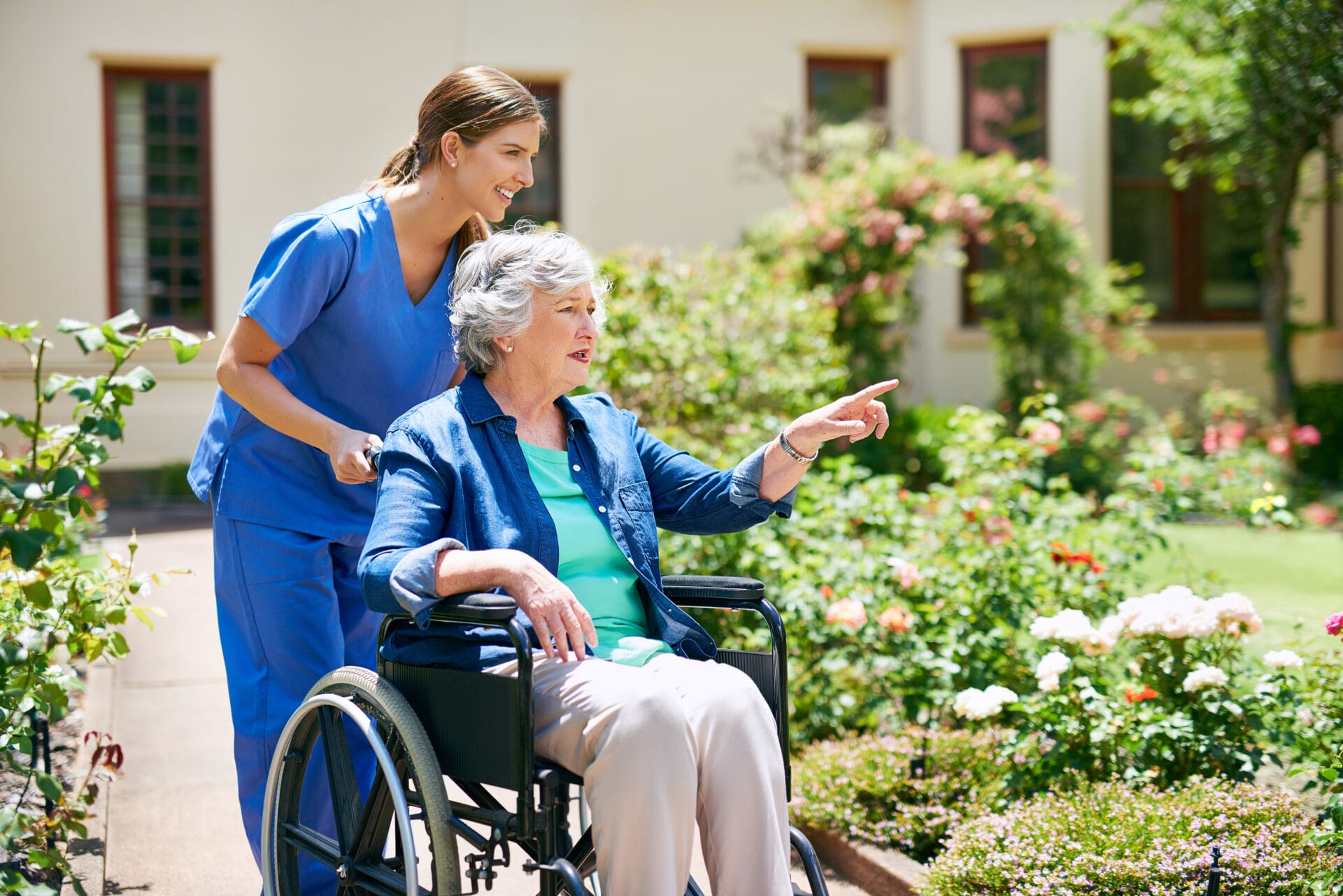
Tailoring Care to Individual Needs
Here’s a startling fact: nearly 80% of seniors have at least one chronic condition that requires ongoing management. This isn’t just a statistic; it’s a reality that families face every day when searching for elderly care near me. The challenge lies in finding the right fit—because let’s be honest, cookie-cutter solutions are about as effective as trying to wear someone else’s shoes.
Imagine Tom, an active 75-year-old who loves gardening but struggles with arthritis. His daughter, Lisa, is on the hunt for a caregiving service. She quickly realizes that while many options exist, not all of them cater to Tom’s specific needs. Some caregivers may not understand how to assist him without compromising his independence or passion for gardening.
Personalized care plans can significantly enhance the quality of life for seniors.
Understanding Individual Needs
The first step in tailoring care is understanding what your loved one truly needs. This goes beyond medical requirements; it’s about their lifestyle, preferences, and emotional well-being. For example, if your parent enjoys socializing, a caregiver who can engage them in conversation or accompany them to community events could make all the difference.
- Assess medical conditions: Are there specific health issues that require specialized attention?
- Consider daily routines: What does their typical day look like? How can caregivers support it?
- Factor in emotional needs: Are they feeling lonely or anxious? What social interactions do they crave?
Creating a Care Plan
One size fits all is not just outdated; it’s downright dangerous when it comes to elderly care. A well-crafted care plan should be as unique as the person it’s designed for. This plan should integrate medical care with personal preferences and daily activities.
For instance, Lisa discovered that Tom’s love for gardening could be incorporated into his daily routine with help from caregivers who understand how to assist him without taking away his independence. They could join him outside to tend to flowers while ensuring he doesn’t overexert himself.
The Role of Communication
Communication is key—both between family members and caregivers. It’s essential that everyone involved understands the goals of the care plan and feels comfortable voicing concerns or suggestions. Regular check-ins can help adjust the plan as needed, ensuring it evolves with your loved one’s changing needs.
In conclusion, tailoring elderly care isn’t just about meeting physical health requirements; it’s about enhancing quality of life through personalized attention and understanding individual needs. So as you explore options for elderly care near me, keep your loved one’s unique preferences at the forefront—it will make all the difference!
Here’s a startling fact: nearly 80% of seniors have at least one chronic condition that requires ongoing management. This isn’t just a statistic; it’s a reality that families face every day when searching for elderly care near me. The challenge lies in finding the right fit—because let’s be honest, cookie-cutter solutions are about as effective as trying to wear someone else’s shoes.
Imagine Tom, an active 75-year-old who loves gardening but struggles with arthritis. His daughter, Lisa, is on the hunt for a caregiving service. She quickly realizes that while many options exist, not all of them cater to Tom’s specific needs. Some caregivers may not understand how to assist him without compromising his independence or passion for gardening.
Personalized care plans can significantly enhance the quality of life for seniors.
Understanding Individual Needs
The first step in tailoring care is understanding what your loved one truly needs. This goes beyond medical requirements; it’s about their lifestyle, preferences, and emotional well-being. For example, if your parent enjoys socializing, a caregiver who can engage them in conversation or accompany them to community events could make all the difference.
- Assess medical conditions: Are there specific health issues that require specialized attention?
- Consider daily routines: What does their typical day look like? How can caregivers support it?
- Factor in emotional needs: Are they feeling lonely or anxious? What social interactions do they crave?
Creating a Care Plan
One size fits all is not just outdated; it’s downright dangerous when it comes to elderly care. A well-crafted care plan should be as unique as the person it’s designed for. This plan should integrate medical care with personal preferences and daily activities.
For instance, Lisa discovered that Tom’s love for gardening could be incorporated into his daily routine with help from caregivers who understand how to assist him without taking away his independence. They could join him outside to tend to flowers while ensuring he doesn’t overexert himself.
The Role of Communication
Communication is key—both between family members and caregivers. It’s essential that everyone involved understands the goals of the care plan and feels comfortable voicing concerns or suggestions. Regular check-ins can help adjust the plan as needed, ensuring it evolves with your loved one’s changing needs.
In conclusion, tailoring elderly care isn’t just about meeting physical health requirements; it’s about enhancing quality of life through personalized attention and understanding individual needs. So as you explore options for elderly care near me, keep your loved one’s unique preferences at the forefront—it will make all the difference!
Technology in Elderly Care Services
Here’s a jaw-dropper: by 2025, it’s estimated that over 50% of seniors will be using some form of technology to manage their health. That’s not just a trend; it’s a revolution in elderly care near me that families can’t afford to overlook.
Imagine Edith, an 82-year-old with a penchant for knitting and a collection of vibrant yarns. She lives independently but has started to feel the weight of isolation and the occasional forgetfulness. Enter technology: with the right tools, Edith can maintain her independence while ensuring her safety and connection to family.
Smart Home Devices
Smart home devices are like having a personal assistant on standby. From smart speakers that remind seniors about medication schedules to smart thermostats that learn their preferences, these gadgets can significantly enhance daily living. For example, an elderly person can use voice commands to adjust lighting or play their favorite tunes without getting up—perfect for those days when mobility feels like climbing Mount Everest.
Wearable Health Tech
Then there are wearables—think smartwatches and fitness trackers. These devices do more than just count steps; they monitor heart rates, detect falls, and even send alerts to caregivers if something seems off. Take George, for instance; after receiving a smartwatch as a gift from his daughter, he not only tracks his daily walks but also gives her peace of mind knowing he’s got help at the touch of a button.
Wearable technology empowers seniors by providing vital health data while promoting independence.
Telehealth Services
Telehealth is another game-changer—especially during times when visiting doctors in person feels daunting. Seniors can consult healthcare providers from the comfort of their homes through video calls or apps. This not only saves time but also reduces the stress associated with travel for appointments. Picture Ruth, who would rather avoid the hassle of traffic and long waiting rooms; she now enjoys virtual check-ups in her cozy armchair with her cat purring beside her.
But here’s the catch: Not every senior is tech-savvy, which means family members often play a crucial role in helping them adopt these technologies. It might take some patience (and maybe a few tutorial videos), but once they get the hang of it, both parties will likely wonder how they ever managed without it!
So what should you do? As you explore elderly care near me, consider how technology can be integrated into your loved one’s daily routine. Look for local services that offer tech support or training sessions specifically aimed at seniors—it could make all the difference in their willingness to embrace this new world.
Here’s a jaw-dropper: by 2025, it’s estimated that over 50% of seniors will be using some form of technology to manage their health. That’s not just a trend; it’s a revolution in elderly care near me that families can’t afford to overlook.
Imagine Edith, an 82-year-old with a penchant for knitting and a collection of vibrant yarns. She lives independently but has started to feel the weight of isolation and the occasional forgetfulness. Enter technology: with the right tools, Edith can maintain her independence while ensuring her safety and connection to family.
Smart Home Devices
Smart home devices are like having a personal assistant on standby. From smart speakers that remind seniors about medication schedules to smart thermostats that learn their preferences, these gadgets can significantly enhance daily living. For example, an elderly person can use voice commands to adjust lighting or play their favorite tunes without getting up—perfect for those days when mobility feels like climbing Mount Everest.
Wearable Health Tech
Then there are wearables—think smartwatches and fitness trackers. These devices do more than just count steps; they monitor heart rates, detect falls, and even send alerts to caregivers if something seems off. Take George, for instance; after receiving a smartwatch as a gift from his daughter, he not only tracks his daily walks but also gives her peace of mind knowing he’s got help at the touch of a button.
Wearable technology empowers seniors by providing vital health data while promoting independence.
Telehealth Services
Telehealth is another game-changer—especially during times when visiting doctors in person feels daunting. Seniors can consult healthcare providers from the comfort of their homes through video calls or apps. This not only saves time but also reduces the stress associated with travel for appointments. Picture Ruth, who would rather avoid the hassle of traffic and long waiting rooms; she now enjoys virtual check-ups in her cozy armchair with her cat purring beside her.
But here’s the catch: Not every senior is tech-savvy, which means family members often play a crucial role in helping them adopt these technologies. It might take some patience (and maybe a few tutorial videos), but once they get the hang of it, both parties will likely wonder how they ever managed without it!
So what should you do? As you explore elderly care near me, consider how technology can be integrated into your loved one’s daily routine. Look for local services that offer tech support or training sessions specifically aimed at seniors—it could make all the difference in their willingness to embrace this new world.

Legal Considerations in Elderly Care
Think about this: approximately 80% of seniors will require some form of long-term care, yet many families are blissfully unaware of the legal implications involved. It’s like planning a road trip without checking the map—exciting until you find yourself lost in a legal maze.
Navigating the legal landscape of elderly care can feel overwhelming, especially when it comes to understanding guardianship, power of attorney, and advance directives. For instance, let’s say your dad has been diagnosed with early-stage dementia. Without proper legal documents in place, making decisions on his behalf could become a bureaucratic nightmare.
Understanding Power of Attorney
Power of Attorney (POA) is a critical document that allows someone to make financial or medical decisions for another person when they can no longer do so themselves. Imagine Sarah again—this time she’s scrambling to find a lawyer because her mother is unable to manage her finances due to declining health. Without POA, Sarah might have to go through a lengthy court process just to gain access to her mom’s accounts.
- Durable Power of Attorney: Remains effective even if the person becomes incapacitated.
- Springing Power of Attorney: Takes effect only under certain conditions, such as incapacity.
Advance Directives and Living Wills
Advance directives sounds formal and intimidating, but it simply refers to documents that outline your loved one’s wishes regarding medical treatment if they can’t communicate them later. This includes living wills that specify what life-sustaining treatments they want or don’t want.
Having these documents in place can save families from difficult decisions during emotional times.
Imagine having to decide whether to keep your father on life support without knowing what he would have wanted. Advance directives take that burden off your shoulders by clearly stating his wishes ahead of time.
(Re)Assessing Guardianship Needs
Guardianship might sound like something from a fantasy novel, but in the real world, it refers to legally appointing someone to make decisions for another person who is incapable of doing so. This often comes into play when there are no existing POA documents or when family dynamics complicate decision-making.
Consider Tom again—he’s facing health challenges but hasn’t set up any legal protections. His children might need to petition for guardianship if he becomes unable to make decisions for himself. This could lead not only to delays in care but also emotional strife among family members.
It’s crucial for families considering elderly care near me to discuss these topics openly while their loved ones are still able to participate in the conversation. Not only does this foster trust and transparency, but it also ensures that everyone is on the same page regarding expectations and responsibilities.
In conclusion, while navigating the legal considerations surrounding elderly care may seem daunting at first glance, taking proactive steps can safeguard your loved one’s wishes and ease familial tensions down the line. So grab those legal pads and start planning; you’ll be glad you did!
Think about this: approximately 80% of seniors will require some form of long-term care, yet many families are blissfully unaware of the legal implications involved. It’s like planning a road trip without checking the map—exciting until you find yourself lost in a legal maze.
Navigating the legal landscape of elderly care can feel overwhelming, especially when it comes to understanding guardianship, power of attorney, and advance directives. For instance, let’s say your dad has been diagnosed with early-stage dementia. Without proper legal documents in place, making decisions on his behalf could become a bureaucratic nightmare.
Understanding Power of Attorney
Power of Attorney (POA) is a critical document that allows someone to make financial or medical decisions for another person when they can no longer do so themselves. Imagine Sarah again—this time she’s scrambling to find a lawyer because her mother is unable to manage her finances due to declining health. Without POA, Sarah might have to go through a lengthy court process just to gain access to her mom’s accounts.
- Durable Power of Attorney: Remains effective even if the person becomes incapacitated.
- Springing Power of Attorney: Takes effect only under certain conditions, such as incapacity.
Advance Directives and Living Wills
Advance directives sounds formal and intimidating, but it simply refers to documents that outline your loved one’s wishes regarding medical treatment if they can’t communicate them later. This includes living wills that specify what life-sustaining treatments they want or don’t want.
Having these documents in place can save families from difficult decisions during emotional times.
Imagine having to decide whether to keep your father on life support without knowing what he would have wanted. Advance directives take that burden off your shoulders by clearly stating his wishes ahead of time.
(Re)Assessing Guardianship Needs
Guardianship might sound like something from a fantasy novel, but in the real world, it refers to legally appointing someone to make decisions for another person who is incapable of doing so. This often comes into play when there are no existing POA documents or when family dynamics complicate decision-making.
Consider Tom again—he’s facing health challenges but hasn’t set up any legal protections. His children might need to petition for guardianship if he becomes unable to make decisions for himself. This could lead not only to delays in care but also emotional strife among family members.
It’s crucial for families considering elderly care near me to discuss these topics openly while their loved ones are still able to participate in the conversation. Not only does this foster trust and transparency, but it also ensures that everyone is on the same page regarding expectations and responsibilities.
In conclusion, while navigating the legal considerations surrounding elderly care may seem daunting at first glance, taking proactive steps can safeguard your loved one’s wishes and ease familial tensions down the line. So grab those legal pads and start planning; you’ll be glad you did!
Cultural Competence in Elderly Care Services
Here’s a thought: nearly 25% of seniors in the U.S. belong to minority groups, yet many elderly care services still operate under a one-size-fits-all approach. This disconnect can lead to misunderstandings and inadequate care for those from diverse backgrounds.
Why Cultural Competence Matters
Cultural competence in elderly care near me isn’t just a nice-to-have; it’s essential for effective communication, trust-building, and overall satisfaction. Imagine Maria, an 82-year-old Latina who prefers her caregivers to speak Spanish and understand her cultural traditions. If her caregivers overlook these preferences, she may feel isolated and misunderstood, which can negatively impact her emotional well-being.
- Effective Communication: Language barriers can lead to misinterpretations of medical needs.
- Respect for Traditions: Acknowledging cultural practices fosters trust and comfort.
- Tailored Care Plans: Individualized approaches enhance the quality of life.
Real-World Implications
Let’s consider a scenario: a home care agency in your area is known for its excellent service but lacks staff trained in cultural competence. When they assign a caregiver who doesn’t understand the dietary restrictions of an Asian senior or the spiritual needs of an African American elder, it can lead to frustration on both sides. The family might feel their loved one isn’t receiving the care they deserve, while the caregiver may feel ill-equipped to meet those needs.
Understanding cultural nuances is crucial for providing quality elderly care that truly resonates with patients.
What Can You Do? – Advocating for Cultural Competence
So how do you ensure your loved one receives culturally competent elderly care near you? Start by asking potential providers about their training programs related to cultural sensitivity. Look for agencies that actively recruit diverse staff members who reflect the community they serve. This not only enhances communication but also instills confidence in families seeking help.
- Ask about language support services available during caregiving.
- Inquire about how they incorporate cultural practices into care plans.
- Seek testimonials from families with similar backgrounds to yours.
Here’s a thought: nearly 25% of seniors in the U.S. belong to minority groups, yet many elderly care services still operate under a one-size-fits-all approach. This disconnect can lead to misunderstandings and inadequate care for those from diverse backgrounds.
Why Cultural Competence Matters
Cultural competence in elderly care near me isn’t just a nice-to-have; it’s essential for effective communication, trust-building, and overall satisfaction. Imagine Maria, an 82-year-old Latina who prefers her caregivers to speak Spanish and understand her cultural traditions. If her caregivers overlook these preferences, she may feel isolated and misunderstood, which can negatively impact her emotional well-being.
- Effective Communication: Language barriers can lead to misinterpretations of medical needs.
- Respect for Traditions: Acknowledging cultural practices fosters trust and comfort.
- Tailored Care Plans: Individualized approaches enhance the quality of life.
Real-World Implications
Let’s consider a scenario: a home care agency in your area is known for its excellent service but lacks staff trained in cultural competence. When they assign a caregiver who doesn’t understand the dietary restrictions of an Asian senior or the spiritual needs of an African American elder, it can lead to frustration on both sides. The family might feel their loved one isn’t receiving the care they deserve, while the caregiver may feel ill-equipped to meet those needs.
Understanding cultural nuances is crucial for providing quality elderly care that truly resonates with patients.
What Can You Do? – Advocating for Cultural Competence
So how do you ensure your loved one receives culturally competent elderly care near you? Start by asking potential providers about their training programs related to cultural sensitivity. Look for agencies that actively recruit diverse staff members who reflect the community they serve. This not only enhances communication but also instills confidence in families seeking help.
- Ask about language support services available during caregiving.
- Inquire about how they incorporate cultural practices into care plans.
- Seek testimonials from families with similar backgrounds to yours.

Building a Support Network Around Seniors
Here’s a sobering thought: nearly 60% of seniors report feeling isolated, which can lead to serious mental health issues. If you think about it, that’s like throwing a party and no one shows up—no fun at all!
Building a support network around seniors isn’t just nice; it’s essential for their well-being. Picture this: your aging parent, once the life of the party, now spends most of their days alone, flipping through old photo albums while the world outside their window moves on without them. That’s where you come in! Creating a robust support system can transform their experience from loneliness to connection.
The Power of Community Connections
First things first: leverage community resources! Local senior centers often offer activities and social events that cater to various interests—from arts and crafts to bingo nights. Encourage your loved one to participate. Not only does this help them meet new friends, but it also keeps them engaged and active.
- Check out local senior centers for events.
- Look into volunteer opportunities—giving back can be incredibly fulfilling.
- Explore classes or workshops that align with their hobbies.
Family Involvement is Key
It takes a village isn’t just a catchy phrase; it’s a reality when it comes to elderly care. Regular family visits can make an enormous difference in your loved one’s emotional health. Schedule weekly family dinners or game nights where everyone pitches in—yes, even the kids! This not only strengthens family bonds but also reassures your senior that they are still an integral part of the family unit.
Regular family visits can significantly improve a senior’s emotional well-being.
Technology – The Unsung Hero
Don’t underestimate technology as part of your support network! Video calls can bridge the gap when physical visits aren’t possible. Little Timmy may not be able to visit Grandma every week, but with FaceTime or Zoom, they can still share laughs and stories without leaving home. Plus, there are apps designed specifically for seniors that help them connect with others and even play games!
- Set up regular video calls with family members.
- Introduce them to social media platforms designed for seniors.
- Explore online classes or forums related to their interests.
Ultimately, building a support network around seniors requires intentionality and creativity. Start small by encouraging community connections and making time for family visits—every little bit counts! And remember, as you explore elderly care near me options, consider how a holistic approach that includes emotional support will enrich your loved one’s life far beyond what any service alone could provide.
Here’s a sobering thought: nearly 60% of seniors report feeling isolated, which can lead to serious mental health issues. If you think about it, that’s like throwing a party and no one shows up—no fun at all!
Building a support network around seniors isn’t just nice; it’s essential for their well-being. Picture this: your aging parent, once the life of the party, now spends most of their days alone, flipping through old photo albums while the world outside their window moves on without them. That’s where you come in! Creating a robust support system can transform their experience from loneliness to connection.
The Power of Community Connections
First things first: leverage community resources! Local senior centers often offer activities and social events that cater to various interests—from arts and crafts to bingo nights. Encourage your loved one to participate. Not only does this help them meet new friends, but it also keeps them engaged and active.
- Check out local senior centers for events.
- Look into volunteer opportunities—giving back can be incredibly fulfilling.
- Explore classes or workshops that align with their hobbies.
Family Involvement is Key
It takes a village isn’t just a catchy phrase; it’s a reality when it comes to elderly care. Regular family visits can make an enormous difference in your loved one’s emotional health. Schedule weekly family dinners or game nights where everyone pitches in—yes, even the kids! This not only strengthens family bonds but also reassures your senior that they are still an integral part of the family unit.
Regular family visits can significantly improve a senior’s emotional well-being.
Technology – The Unsung Hero
Don’t underestimate technology as part of your support network! Video calls can bridge the gap when physical visits aren’t possible. Little Timmy may not be able to visit Grandma every week, but with FaceTime or Zoom, they can still share laughs and stories without leaving home. Plus, there are apps designed specifically for seniors that help them connect with others and even play games!
- Set up regular video calls with family members.
- Introduce them to social media platforms designed for seniors.
- Explore online classes or forums related to their interests.
Ultimately, building a support network around seniors requires intentionality and creativity. Start small by encouraging community connections and making time for family visits—every little bit counts! And remember, as you explore elderly care near me options, consider how a holistic approach that includes emotional support will enrich your loved one’s life far beyond what any service alone could provide.