
Ultimate Home Safety Checklist for Seniors and Their Caregivers
Environmental Modifications for Increased Safety
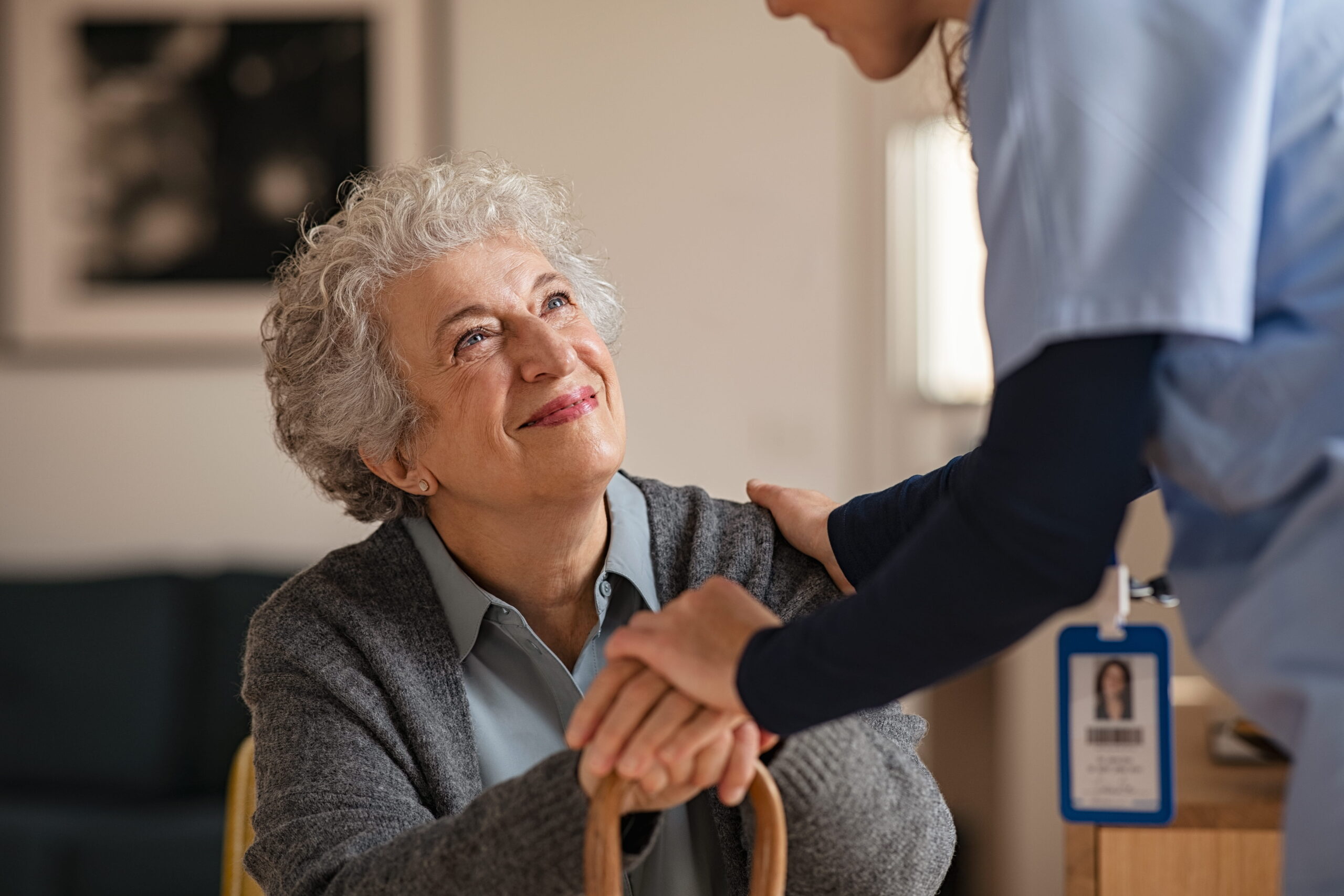
Did you know that nearly 1 in 4 seniors experience a fall each year? That’s a staggering statistic, and it highlights why home safety for seniors is not just a checklist item—it’s a necessity. Imagine your aging parent navigating their home with the same ease they had in their younger years, without the constant worry of tripping over an unseen obstacle or struggling to reach for something on a high shelf.
Assessing the Environment
Before making any modifications, it’s essential to conduct a thorough assessment of your loved one’s living space. Think about it: what good is a safety checklist if you don’t know where the hazards lie? Grab a notepad and walk through each room, looking for potential dangers. Is there clutter on the floor? Are rugs slipping around like they’re auditioning for Dancing with the Stars? Take note of anything that could pose a risk.
Key Modifications to Consider
- Install grab bars in bathrooms near toilets and showers.
- Add non-slip mats in wet areas such as kitchens and bathrooms.
- Ensure adequate lighting throughout the house, especially on staircases.
- Remove throw rugs or secure them with double-sided tape.
- Consider motion-sensor lights for hallways and entrances.
Safety first might sound cliché, but it’s true! Simple modifications can drastically reduce the risk of falls. For instance, grab bars are more than just handy—they’re lifesavers. Installing them can give your loved one that extra support when they need it most. Plus, they can be stylish! Yes, you heard me right—grab bars come in various designs that won’t make your bathroom look like a hospital ward.
A well-lit home is a safe home.
Smart Home Safety Features
Smart technology isn’t just for tech enthusiasts; it can be an absolute game-changer in promoting home safety for seniors. Think about smart doorbells that allow your loved one to see who’s at the door without getting up or smart thermostats that adjust temperatures automatically—no more fiddling with knobs! These features can enhance comfort while keeping safety at the forefront.
But wait, you might say. What if my parent isn’t tech-savvy? That’s where you come in! A little training goes a long way. Spend some quality time showing them how these devices work—it’s not just about safety; it’s about empowerment too!
Did you know that nearly 1 in 4 seniors experience a fall each year? That’s a staggering statistic, and it highlights why home safety for seniors is not just a checklist item—it’s a necessity. Imagine your aging parent navigating their home with the same ease they had in their younger years, without the constant worry of tripping over an unseen obstacle or struggling to reach for something on a high shelf.
Assessing the Environment
Before making any modifications, it’s essential to conduct a thorough assessment of your loved one’s living space. Think about it: what good is a safety checklist if you don’t know where the hazards lie? Grab a notepad and walk through each room, looking for potential dangers. Is there clutter on the floor? Are rugs slipping around like they’re auditioning for Dancing with the Stars? Take note of anything that could pose a risk.
Key Modifications to Consider
- Install grab bars in bathrooms near toilets and showers.
- Add non-slip mats in wet areas such as kitchens and bathrooms.
- Ensure adequate lighting throughout the house, especially on staircases.
- Remove throw rugs or secure them with double-sided tape.
- Consider motion-sensor lights for hallways and entrances.
Safety first might sound cliché, but it’s true! Simple modifications can drastically reduce the risk of falls. For instance, grab bars are more than just handy—they’re lifesavers. Installing them can give your loved one that extra support when they need it most. Plus, they can be stylish! Yes, you heard me right—grab bars come in various designs that won’t make your bathroom look like a hospital ward.
A well-lit home is a safe home.
Smart Home Safety Features
Smart technology isn’t just for tech enthusiasts; it can be an absolute game-changer in promoting home safety for seniors. Think about smart doorbells that allow your loved one to see who’s at the door without getting up or smart thermostats that adjust temperatures automatically—no more fiddling with knobs! These features can enhance comfort while keeping safety at the forefront.
But wait, you might say. What if my parent isn’t tech-savvy? That’s where you come in! A little training goes a long way. Spend some quality time showing them how these devices work—it’s not just about safety; it’s about empowerment too!
Emergency Preparedness and Response Plans
Picture this: a sudden storm knocks out power, and your aging parent is left fumbling in the dark, unsure of what to do next. It’s a scenario no one wants to imagine, yet it’s more common than you think. According to the Federal Emergency Management Agency (FEMA), nearly 60% of seniors live in areas prone to natural disasters. That’s a staggering number, and it underscores the importance of having a solid emergency preparedness and response plan in place.
Creating an emergency plan isn’t just about having a flashlight handy or knowing where the first aid kit is located. It requires a thoughtful approach that considers unique needs and challenges faced by seniors. For instance, if your loved one has mobility issues, how will they evacuate quickly? If they rely on medications, do they have enough supply on hand? These are crucial details that can make all the difference when disaster strikes.
Components of an Effective Emergency Plan
- Emergency contact list: Include family members, caregivers, and local emergency services.
- Evacuation routes: Identify safe paths out of the home and community.
- Supplies kit: Stock up on non-perishable food, water, medications, and essential items.
- Communication plan: Establish how you’ll stay connected during an emergency.
Let’s break this down further—an emergency contact list is like having a lifeline at your fingertips. It should not only include phone numbers but also any specific instructions for caregivers or responders about your loved one’s needs. For example, if they have allergies or require assistance with mobility aids, make sure those details are noted clearly.
And don’t forget about practicing! Just like fire drills in school, rehearsing your plan can help ease anxiety when an actual emergency occurs. Role-playing different scenarios can also empower seniors to act confidently when it matters most.
A well-prepared senior is not just ready for emergencies—they’re empowered!
Response Plans: The Next Step
But what happens after we’ve prepared? you might ask. This is where response plans come into play. These are specific actions to take once an emergency occurs—think of them as your safety playbook. Whether it’s knowing who to call first or what steps to follow if evacuation becomes necessary, having these plans laid out can significantly reduce panic during chaotic moments.
Picture this: a sudden storm knocks out power, and your aging parent is left fumbling in the dark, unsure of what to do next. It’s a scenario no one wants to imagine, yet it’s more common than you think. According to the Federal Emergency Management Agency (FEMA), nearly 60% of seniors live in areas prone to natural disasters. That’s a staggering number, and it underscores the importance of having a solid emergency preparedness and response plan in place.
Creating an emergency plan isn’t just about having a flashlight handy or knowing where the first aid kit is located. It requires a thoughtful approach that considers unique needs and challenges faced by seniors. For instance, if your loved one has mobility issues, how will they evacuate quickly? If they rely on medications, do they have enough supply on hand? These are crucial details that can make all the difference when disaster strikes.
Components of an Effective Emergency Plan
- Emergency contact list: Include family members, caregivers, and local emergency services.
- Evacuation routes: Identify safe paths out of the home and community.
- Supplies kit: Stock up on non-perishable food, water, medications, and essential items.
- Communication plan: Establish how you’ll stay connected during an emergency.
Let’s break this down further—an emergency contact list is like having a lifeline at your fingertips. It should not only include phone numbers but also any specific instructions for caregivers or responders about your loved one’s needs. For example, if they have allergies or require assistance with mobility aids, make sure those details are noted clearly.
And don’t forget about practicing! Just like fire drills in school, rehearsing your plan can help ease anxiety when an actual emergency occurs. Role-playing different scenarios can also empower seniors to act confidently when it matters most.
A well-prepared senior is not just ready for emergencies—they’re empowered!
Response Plans: The Next Step
But what happens after we’ve prepared? you might ask. This is where response plans come into play. These are specific actions to take once an emergency occurs—think of them as your safety playbook. Whether it’s knowing who to call first or what steps to follow if evacuation becomes necessary, having these plans laid out can significantly reduce panic during chaotic moments.
 Health Monitoring and Medication Management
Imagine this: your aging parent is juggling multiple medications, and you’re left wondering if they’re taking the right ones at the right times. It’s not just a headache; it can lead to serious health risks. In fact, studies show that nearly 50% of seniors take at least five medications daily, which increases the chances of medication errors. That’s a staggering statistic that should make anyone pause.
Medication mismanagement can lead to hospitalization.
Let’s face it—keeping track of prescriptions can feel like a part-time job. Between refill dates, dosages, and potential interactions, it’s no wonder caregivers often feel overwhelmed. But fear not! With a few smart strategies, you can turn this chaos into calm.
Create a Medication Schedule
First things first: create a medication schedule. Think of it as your loved one’s personal road map to health. Use a pill organizer with compartments for each day of the week—or even better, invest in one with slots for different times of the day. This way, you’ll know if they’ve taken their morning meds or if they’re still waiting on that afternoon dose.
- Choose a consistent time for medication intake.
- Use alarms or reminders on their smartphone or through smart home devices.
- Document any changes in medications or dosages immediately.
Utilize Technology for Tracking
There’s an app for that! is more than just a catchy phrase; it’s reality in today’s tech-savvy world. Consider using medication management apps designed specifically for seniors and caregivers. These apps can send reminders, track dosages, and even alert you when it’s time to refill prescriptions.
A well-monitored health plan is as crucial as any safety feature in the home.
But what if technology isn’t your loved one’s strong suit? You might ask. No worries! A simple whiteboard on the fridge with daily checkboxes can work wonders too. Just make sure it’s easily visible and accessible!
‘Regular Health Check-Ups are Key
Regular check-ups are non-negotiable when it comes to health monitoring. Schedule appointments with their primary care physician at least once every six months—or more frequently if there are ongoing health concerns. During these visits, discuss all medications being taken to ensure there’s no overlap or dangerous interactions.
- Bring all current medications to appointments.
- Ask about potential side effects.
- Inquire about any new treatments that may be beneficial.
Lastly, don’t underestimate the power of family involvement! Regularly checking in on their health status not only fosters connection but also ensures everyone is on the same page regarding their care plan.
Imagine this: your aging parent is juggling multiple medications, and you’re left wondering if they’re taking the right ones at the right times. It’s not just a headache; it can lead to serious health risks. In fact, studies show that nearly 50% of seniors take at least five medications daily, which increases the chances of medication errors. That’s a staggering statistic that should make anyone pause.
Medication mismanagement can lead to hospitalization.
Let’s face it—keeping track of prescriptions can feel like a part-time job. Between refill dates, dosages, and potential interactions, it’s no wonder caregivers often feel overwhelmed. But fear not! With a few smart strategies, you can turn this chaos into calm.
Create a Medication Schedule
First things first: create a medication schedule. Think of it as your loved one’s personal road map to health. Use a pill organizer with compartments for each day of the week—or even better, invest in one with slots for different times of the day. This way, you’ll know if they’ve taken their morning meds or if they’re still waiting on that afternoon dose.
- Choose a consistent time for medication intake.
- Use alarms or reminders on their smartphone or through smart home devices.
- Document any changes in medications or dosages immediately.
Utilize Technology for Tracking
There’s an app for that! is more than just a catchy phrase; it’s reality in today’s tech-savvy world. Consider using medication management apps designed specifically for seniors and caregivers. These apps can send reminders, track dosages, and even alert you when it’s time to refill prescriptions.
A well-monitored health plan is as crucial as any safety feature in the home.
But what if technology isn’t your loved one’s strong suit? You might ask. No worries! A simple whiteboard on the fridge with daily checkboxes can work wonders too. Just make sure it’s easily visible and accessible!
‘Regular Health Check-Ups are Key
Regular check-ups are non-negotiable when it comes to health monitoring. Schedule appointments with their primary care physician at least once every six months—or more frequently if there are ongoing health concerns. During these visits, discuss all medications being taken to ensure there’s no overlap or dangerous interactions.
- Bring all current medications to appointments.
- Ask about potential side effects.
- Inquire about any new treatments that may be beneficial.
Lastly, don’t underestimate the power of family involvement! Regularly checking in on their health status not only fosters connection but also ensures everyone is on the same page regarding their care plan.
Technology Integration for Enhanced Safety
Imagine a world where your aging parent can call for help without having to fumble for a phone. Sounds dreamy, right? Well, it’s becoming a reality thanks to the wonders of technology. In fact, according to a recent study, nearly 90% of seniors believe that technology can help them live independently longer. This isn’t just about convenience; it’s about safety—and that’s where the home safety for seniors checklist gets a serious upgrade.
Smart Devices: A Caregiver’s Best Friend
Smart devices are like having an invisible safety net around your loved one. From smart speakers that can make calls with just a voice command to wearable devices that monitor health metrics, these gadgets can help ensure seniors stay safe and connected without feeling overwhelmed by tech.
- Smart doorbells with video capabilities allow seniors to see who is at the door without getting up.
- Wearable emergency buttons provide immediate access to help with just the press of a button.
- Home monitoring systems can alert caregivers if unusual activity is detected—like if your loved one hasn’t moved from their favorite chair all day.
Empowerment through technology leads to increased confidence and independence!
Training Days: Bridging the Tech Gap
But what if my parent struggles with technology? you might wonder. That’s where you come in! Think of it as your very own training camp. Set aside some time to walk them through these devices—show them how it works, and let them practice. It’s not just about teaching; it’s about building their confidence and comfort level with these tools.
- (1) Start small: Introduce one device at a time.
- (2) Use simple language—avoid jargon that might confuse them.
- (3) Encourage questions! The more they ask, the more they learn.
The Reality Check: Addressing Concerns
Now, let’s address the elephant in the room: privacy concerns. Many seniors worry about being monitored or feeling like they’re losing their independence. It’s crucial to have open conversations about why these technologies are beneficial for their safety and well-being.
Reassure them that these tools are designed to enhance their lifestyle—not control it. Emphasize how they can maintain autonomy while still enjoying peace of mind.
Incorporating technology into your home safety for seniors checklist isn’t just an option anymore—it’s becoming essential. By embracing these innovations, you’re not only enhancing safety but also empowering your loved ones to live life on their terms.
Technology isn’t here to replace caregivers; it’s here to support them!
Imagine a world where your aging parent can call for help without having to fumble for a phone. Sounds dreamy, right? Well, it’s becoming a reality thanks to the wonders of technology. In fact, according to a recent study, nearly 90% of seniors believe that technology can help them live independently longer. This isn’t just about convenience; it’s about safety—and that’s where the home safety for seniors checklist gets a serious upgrade.
Smart Devices: A Caregiver’s Best Friend
Smart devices are like having an invisible safety net around your loved one. From smart speakers that can make calls with just a voice command to wearable devices that monitor health metrics, these gadgets can help ensure seniors stay safe and connected without feeling overwhelmed by tech.
- Smart doorbells with video capabilities allow seniors to see who is at the door without getting up.
- Wearable emergency buttons provide immediate access to help with just the press of a button.
- Home monitoring systems can alert caregivers if unusual activity is detected—like if your loved one hasn’t moved from their favorite chair all day.
Empowerment through technology leads to increased confidence and independence!
Training Days: Bridging the Tech Gap
But what if my parent struggles with technology? you might wonder. That’s where you come in! Think of it as your very own training camp. Set aside some time to walk them through these devices—show them how it works, and let them practice. It’s not just about teaching; it’s about building their confidence and comfort level with these tools.
- (1) Start small: Introduce one device at a time.
- (2) Use simple language—avoid jargon that might confuse them.
- (3) Encourage questions! The more they ask, the more they learn.
The Reality Check: Addressing Concerns
Now, let’s address the elephant in the room: privacy concerns. Many seniors worry about being monitored or feeling like they’re losing their independence. It’s crucial to have open conversations about why these technologies are beneficial for their safety and well-being.
Reassure them that these tools are designed to enhance their lifestyle—not control it. Emphasize how they can maintain autonomy while still enjoying peace of mind.
Incorporating technology into your home safety for seniors checklist isn’t just an option anymore—it’s becoming essential. By embracing these innovations, you’re not only enhancing safety but also empowering your loved ones to live life on their terms.
Technology isn’t here to replace caregivers; it’s here to support them!
 Personal Care and Daily Living Assistance
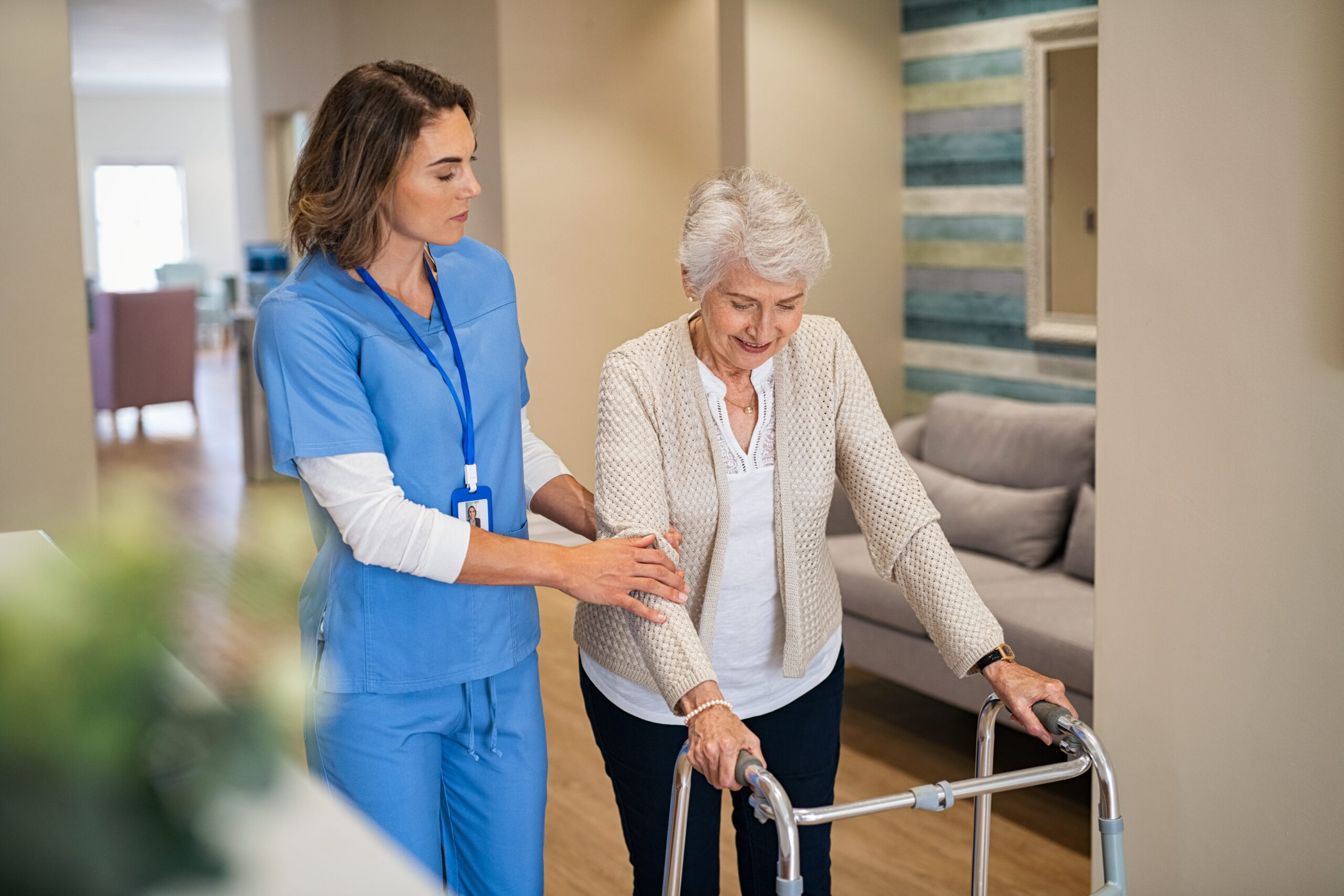
Imagine your aging parent attempting to navigate daily tasks like dressing, bathing, or preparing meals—tasks that once felt second nature now become daunting challenges. This is the reality for many seniors, and it’s why personal care and daily living assistance should be a cornerstone of any home safety for seniors checklist.
In fact, studies reveal that nearly 70% of seniors require assistance with at least one activity of daily living (ADL). That’s not just a number; it represents countless families grappling with the emotional toll of watching their loved ones struggle. It’s time to address this head-on.
Identifying Personal Care Needs
The first step is understanding what specific assistance your loved one requires. This can range from help with basic hygiene to more complex tasks like managing medications or preparing meals. Take a moment to observe: Are they having trouble reaching the sink? Do they forget to take their medications? These signs are crucial in identifying their needs.
- Bathing and grooming assistance: Ensure they can maintain personal hygiene without risking falls.
- Meal preparation: Nutritious meals are essential, but cooking can become unsafe or overwhelming.
- Medication reminders: Help them stay on schedule with their prescriptions.
- Mobility support: Offer assistance with walking aids or getting in and out of chairs.
A little help goes a long way in maintaining dignity and independence.
‘Creating a Supportive Environment
‘Creating a supportive environment involves more than just physical modifications; it’s about fostering a sense of security and independence. Consider involving your loved one in decisions about their care—after all, they know what works best for them.’
For instance, if they prefer showering over bathing, make sure the bathroom is equipped with non-slip mats and grab bars. If meal prep is becoming an issue, look into meal delivery services that cater to dietary needs while ensuring your loved one feels involved in choosing their meals.
‘Finding the Right Assistance
When considering external help, whether through family members or professional caregivers, it’s essential to find someone who understands the unique needs of seniors. A compassionate caregiver can make all the difference—think of them as your loved one’s safety net.
Look for agencies that conduct thorough background checks and provide training focused on elderly care. A well-trained caregiver not only assists with daily tasks but also brings companionship—a crucial element often overlooked.
- (1) Check reviews or ask for recommendations from other families.
- (2) Conduct interviews to ensure compatibility between your loved one and the caregiver.
- (3) Discuss specific needs openly—communication is key!
Choosing the right caregiver isn’t just about skills; it’s about building trust.
Ultimately, personal care and daily living assistance are vital components of any home safety for seniors checklist. By addressing these needs thoughtfully, you’re not only enhancing safety but also enriching quality of life. Remember—safety isn’t just about preventing accidents; it’s about fostering independence and dignity.
Imagine your aging parent attempting to navigate daily tasks like dressing, bathing, or preparing meals—tasks that once felt second nature now become daunting challenges. This is the reality for many seniors, and it’s why personal care and daily living assistance should be a cornerstone of any home safety for seniors checklist.
In fact, studies reveal that nearly 70% of seniors require assistance with at least one activity of daily living (ADL). That’s not just a number; it represents countless families grappling with the emotional toll of watching their loved ones struggle. It’s time to address this head-on.
Identifying Personal Care Needs
The first step is understanding what specific assistance your loved one requires. This can range from help with basic hygiene to more complex tasks like managing medications or preparing meals. Take a moment to observe: Are they having trouble reaching the sink? Do they forget to take their medications? These signs are crucial in identifying their needs.
- Bathing and grooming assistance: Ensure they can maintain personal hygiene without risking falls.
- Meal preparation: Nutritious meals are essential, but cooking can become unsafe or overwhelming.
- Medication reminders: Help them stay on schedule with their prescriptions.
- Mobility support: Offer assistance with walking aids or getting in and out of chairs.
A little help goes a long way in maintaining dignity and independence.
‘Creating a Supportive Environment
‘Creating a supportive environment involves more than just physical modifications; it’s about fostering a sense of security and independence. Consider involving your loved one in decisions about their care—after all, they know what works best for them.’
For instance, if they prefer showering over bathing, make sure the bathroom is equipped with non-slip mats and grab bars. If meal prep is becoming an issue, look into meal delivery services that cater to dietary needs while ensuring your loved one feels involved in choosing their meals.
‘Finding the Right Assistance
When considering external help, whether through family members or professional caregivers, it’s essential to find someone who understands the unique needs of seniors. A compassionate caregiver can make all the difference—think of them as your loved one’s safety net.
Look for agencies that conduct thorough background checks and provide training focused on elderly care. A well-trained caregiver not only assists with daily tasks but also brings companionship—a crucial element often overlooked.
- (1) Check reviews or ask for recommendations from other families.
- (2) Conduct interviews to ensure compatibility between your loved one and the caregiver.
- (3) Discuss specific needs openly—communication is key!
Choosing the right caregiver isn’t just about skills; it’s about building trust.
Ultimately, personal care and daily living assistance are vital components of any home safety for seniors checklist. By addressing these needs thoughtfully, you’re not only enhancing safety but also enriching quality of life. Remember—safety isn’t just about preventing accidents; it’s about fostering independence and dignity.

Social Engagement and Mental Well-being
Loneliness can be as dangerous as a slippery floor for seniors. In fact, a staggering 43% of seniors report feeling lonely on a regular basis, which can lead to serious health issues like depression and cognitive decline. That’s not just a statistic; it’s a wake-up call for families and caregivers alike.
Imagine your aging parent, once the life of the party, now finding joy in reruns of their favorite shows instead of engaging with friends or family. It’s not just sad—it can be detrimental to their mental health. Social engagement isn’t merely a nice-to-have; it’s an essential part of maintaining well-being in the golden years.
The Importance of Connection
Staying socially active helps keep the mind sharp and spirits high. Engaging in conversations, sharing stories, or even participating in group activities can enhance cognitive function and emotional resilience. Think about it: when was the last time your loved one laughed heartily? Laughter is like medicine—it boosts mood and strengthens connections.
- Regular phone calls or video chats with family members.
- Participation in community events or classes tailored for seniors.
- Joining clubs or groups that align with their interests—like gardening or book clubs.
Social engagement is key to preventing loneliness and enhancing mental well-being.
‘Creating Opportunities for Interaction
As caregivers, we play a pivotal role in facilitating these social interactions. It might mean organizing regular family gatherings or simply encouraging your loved one to attend local community events. Remember that social activities don’t have to be grand; even small interactions can make a significant impact.
Consider setting up weekly game nights with family members where everyone joins via video call—who doesn’t love a little friendly competition? Or perhaps explore local senior centers that offer classes or outings designed specifically for older adults.
‘Technology as an Ally
In this digital age, technology can be your best friend in keeping seniors connected. From social media platforms to video conferencing tools, there are endless ways to bridge the gap between generations. Teach them how to use these tools—after all, who wouldn’t want to see their grandkids’ faces more often?
Loneliness can be as dangerous as a slippery floor for seniors. In fact, a staggering 43% of seniors report feeling lonely on a regular basis, which can lead to serious health issues like depression and cognitive decline. That’s not just a statistic; it’s a wake-up call for families and caregivers alike.
Imagine your aging parent, once the life of the party, now finding joy in reruns of their favorite shows instead of engaging with friends or family. It’s not just sad—it can be detrimental to their mental health. Social engagement isn’t merely a nice-to-have; it’s an essential part of maintaining well-being in the golden years.
The Importance of Connection
Staying socially active helps keep the mind sharp and spirits high. Engaging in conversations, sharing stories, or even participating in group activities can enhance cognitive function and emotional resilience. Think about it: when was the last time your loved one laughed heartily? Laughter is like medicine—it boosts mood and strengthens connections.
- Regular phone calls or video chats with family members.
- Participation in community events or classes tailored for seniors.
- Joining clubs or groups that align with their interests—like gardening or book clubs.
Social engagement is key to preventing loneliness and enhancing mental well-being.
‘Creating Opportunities for Interaction
As caregivers, we play a pivotal role in facilitating these social interactions. It might mean organizing regular family gatherings or simply encouraging your loved one to attend local community events. Remember that social activities don’t have to be grand; even small interactions can make a significant impact.
Consider setting up weekly game nights with family members where everyone joins via video call—who doesn’t love a little friendly competition? Or perhaps explore local senior centers that offer classes or outings designed specifically for older adults.
‘Technology as an Ally
In this digital age, technology can be your best friend in keeping seniors connected. From social media platforms to video conferencing tools, there are endless ways to bridge the gap between generations. Teach them how to use these tools—after all, who wouldn’t want to see their grandkids’ faces more often?
Home Security Measures to Prevent Intrusions
Did you know that homes without a security system are nearly three times more likely to be broken into? That’s not just a statistic; it’s a call to action for anyone concerned about home safety, especially for seniors. Picture your loved one feeling secure in their own home, knowing that they have taken proactive steps to keep intruders at bay. It’s time to get serious about home security measures.
Home safety for seniors checklist: Security is non-negotiable!
Let’s start with the basics. Installing a solid door and high-quality locks is like putting on armor for your home. Think of it this way: if your front door looks like it could be kicked in by a toddler, it might be time for an upgrade. Look for deadbolts and reinforced strike plates—these are essential components that make it much harder for an intruder to gain access.
Investing in Security Systems
While traditional locks are crucial, investing in a security system can elevate your peace of mind exponentially. Modern systems come equipped with features like motion detectors, cameras, and alarms that can alert you (and the authorities) at the first sign of trouble. Imagine your aging parent receiving an instant notification on their smartphone when someone approaches their front door—a game changer!
- Consider smart doorbells with video capabilities.
- Look into motion-sensor lights around entry points.
- Explore comprehensive security systems that offer remote monitoring.
But what if my parent finds technology intimidating? you might ask. That’s where you come in! A little hands-on training can go a long way. Spend some time showing them how these devices work; it’s not just about safety—it’s about giving them confidence in using technology.
‘Neighborhood Watch: A Community Approach
A strong community can be one of the best defenses against crime. Encourage your loved one to join or form a neighborhood watch group. This not only fosters connections with neighbors but also creates a united front against potential intruders. Regularly communicating with neighbors about suspicious activities can make everyone feel safer.
‘Safety is best when we work together; community matters!
Lastly, let’s not forget about the importance of outdoor lighting. Well-lit exteriors deter criminals because they prefer working under the cover of darkness. Consider adding solar-powered lights along pathways and near entry points—these not only enhance safety but also beautify the landscape.
Did you know that homes without a security system are nearly three times more likely to be broken into? That’s not just a statistic; it’s a call to action for anyone concerned about home safety, especially for seniors. Picture your loved one feeling secure in their own home, knowing that they have taken proactive steps to keep intruders at bay. It’s time to get serious about home security measures.
Home safety for seniors checklist: Security is non-negotiable!
Let’s start with the basics. Installing a solid door and high-quality locks is like putting on armor for your home. Think of it this way: if your front door looks like it could be kicked in by a toddler, it might be time for an upgrade. Look for deadbolts and reinforced strike plates—these are essential components that make it much harder for an intruder to gain access.
Investing in Security Systems
While traditional locks are crucial, investing in a security system can elevate your peace of mind exponentially. Modern systems come equipped with features like motion detectors, cameras, and alarms that can alert you (and the authorities) at the first sign of trouble. Imagine your aging parent receiving an instant notification on their smartphone when someone approaches their front door—a game changer!
- Consider smart doorbells with video capabilities.
- Look into motion-sensor lights around entry points.
- Explore comprehensive security systems that offer remote monitoring.
But what if my parent finds technology intimidating? you might ask. That’s where you come in! A little hands-on training can go a long way. Spend some time showing them how these devices work; it’s not just about safety—it’s about giving them confidence in using technology.
‘Neighborhood Watch: A Community Approach
A strong community can be one of the best defenses against crime. Encourage your loved one to join or form a neighborhood watch group. This not only fosters connections with neighbors but also creates a united front against potential intruders. Regularly communicating with neighbors about suspicious activities can make everyone feel safer.
‘Safety is best when we work together; community matters!
Lastly, let’s not forget about the importance of outdoor lighting. Well-lit exteriors deter criminals because they prefer working under the cover of darkness. Consider adding solar-powered lights along pathways and near entry points—these not only enhance safety but also beautify the landscape.