
Safe and Effective Strength Exercises for Seniors to Stay Active

Understanding the Unique Needs of Seniors in Strength Training
Here’s a shocker: nearly 80% of older adults don’t get the recommended amount of physical activity. That’s like trying to bake a cake without flour—good luck with that! When it comes to strength exercises for seniors, understanding their unique needs is crucial for creating effective and safe programs.
Seniors often face challenges that younger individuals might not consider. Think about it: joint pain, balance issues, and the occasional ‘senior moment’ can all derail a workout plan faster than you can say ‘dumbbell.’ Plus, many seniors have pre-existing health conditions that require tailored approaches to strength training.
Physical Limitations and Health Conditions
Imagine a vibrant 72-year-old woman named Betty who loves gardening but struggles with arthritis in her hands. For her, traditional strength exercises might feel daunting or even painful. It’s essential to adapt workouts that cater to her specific limitations while still providing the benefits of strength training.
A recent study found that seniors who engage in regular strength training can improve their muscle mass and functional abilities significantly. This means Betty could potentially lift heavier pots or bend down to tend to her flowers without discomfort. The key is finding exercises that work for her body, not against it.
The Importance of Balance and Flexibility
Strength training isn’t just about bulking up; it’s also about maintaining balance and flexibility—two critical components for seniors. A fall can lead to serious injuries, so incorporating balance-focused strength exercises is vital. Think of activities like standing on one leg while holding onto a chair or using resistance bands to strengthen core muscles.
Strength exercises for seniors should focus on functional movements that mimic daily activities.
Creating an Engaging Routine
Boredom is the enemy of progress! This saying holds true for seniors too. Creating an engaging routine tailored to their interests can make all the difference. For instance, if someone enjoys dancing, incorporating dance-based movements into their strength training could keep them motivated and excited about working out.
So what does this mean for caregivers? It means you need to listen closely and adapt workouts based on feedback from your loved ones or clients. If they’re not feeling a certain exercise, don’t force it! Instead, explore alternatives that align with their preferences.
In conclusion, understanding the unique needs of seniors in strength training goes beyond just picking up weights; it’s about crafting personalized experiences that empower them physically and emotionally. So let’s get creative—after all, every little bit helps!
Here’s a shocker: nearly 80% of older adults don’t get the recommended amount of physical activity. That’s like trying to bake a cake without flour—good luck with that! When it comes to strength exercises for seniors, understanding their unique needs is crucial for creating effective and safe programs.
Seniors often face challenges that younger individuals might not consider. Think about it: joint pain, balance issues, and the occasional ‘senior moment’ can all derail a workout plan faster than you can say ‘dumbbell.’ Plus, many seniors have pre-existing health conditions that require tailored approaches to strength training.
Physical Limitations and Health Conditions
Imagine a vibrant 72-year-old woman named Betty who loves gardening but struggles with arthritis in her hands. For her, traditional strength exercises might feel daunting or even painful. It’s essential to adapt workouts that cater to her specific limitations while still providing the benefits of strength training.
A recent study found that seniors who engage in regular strength training can improve their muscle mass and functional abilities significantly. This means Betty could potentially lift heavier pots or bend down to tend to her flowers without discomfort. The key is finding exercises that work for her body, not against it.
The Importance of Balance and Flexibility
Strength training isn’t just about bulking up; it’s also about maintaining balance and flexibility—two critical components for seniors. A fall can lead to serious injuries, so incorporating balance-focused strength exercises is vital. Think of activities like standing on one leg while holding onto a chair or using resistance bands to strengthen core muscles.
Strength exercises for seniors should focus on functional movements that mimic daily activities.
Creating an Engaging Routine
Boredom is the enemy of progress! This saying holds true for seniors too. Creating an engaging routine tailored to their interests can make all the difference. For instance, if someone enjoys dancing, incorporating dance-based movements into their strength training could keep them motivated and excited about working out.
So what does this mean for caregivers? It means you need to listen closely and adapt workouts based on feedback from your loved ones or clients. If they’re not feeling a certain exercise, don’t force it! Instead, explore alternatives that align with their preferences.
In conclusion, understanding the unique needs of seniors in strength training goes beyond just picking up weights; it’s about crafting personalized experiences that empower them physically and emotionally. So let’s get creative—after all, every little bit helps!
Key Considerations for Designing Strength Exercise Programs
Designing strength exercises for seniors isn’t a one-size-fits-all approach; it’s more like tailoring a suit. Each individual has unique needs, abilities, and preferences that must be woven into their workout fabric. Think about it: would you wear a suit that’s two sizes too small? Not likely! Similarly, seniors need programs that fit them perfectly.
Assessing Individual Needs
Start with a thorough assessment of each senior’s health status and fitness level. This includes understanding any chronic conditions, mobility limitations, or previous injuries. A practical example: let’s say you’re working with Frank, an 80-year-old who recently had knee surgery. His program will look very different from Mary, an active 75-year-old who walks every day. A tailored approach not only enhances safety but also boosts confidence.
Setting Realistic Goals
Goals should be as personalized as your favorite pair of sneakers. Instead of aiming for unrealistic targets like lifting heavy weights right away, focus on achievable milestones. For instance, if Frank’s goal is to walk without discomfort, the initial focus could be on strengthening his leg muscles with low-impact exercises like seated leg lifts or wall squats.
Strength exercises for seniors should prioritize gradual progression over intensity.
Incorporating Variety
Variety is the spice of life isn’t just a catchy phrase; it’s crucial in exercise programming too! Mixing different types of strength exercises keeps things fresh and engaging. Incorporate resistance bands, light weights, bodyweight movements, and even functional tasks like standing up from a chair repeatedly. For example, if Mary enjoys gardening, integrating movements that mimic digging or lifting can make her workouts feel purposeful!
Monitoring Progress and Feedback
No news is good news doesn’t apply here! Regularly check in with seniors about their experiences during workouts to ensure they feel comfortable and challenged without being overwhelmed. If Frank reports soreness after leg lifts but finds joy in resistance band exercises instead, pivoting based on his feedback can lead to better outcomes.
Safety First Mindset
In summary, designing effective strength exercise programs for seniors requires a thoughtful blend of assessment, personalization, variety, feedback loops, and safety considerations. By taking these factors into account—and keeping things fun—you’ll empower older adults to stay active while feeling confident in their abilities.
Designing strength exercises for seniors isn’t a one-size-fits-all approach; it’s more like tailoring a suit. Each individual has unique needs, abilities, and preferences that must be woven into their workout fabric. Think about it: would you wear a suit that’s two sizes too small? Not likely! Similarly, seniors need programs that fit them perfectly.
Assessing Individual Needs
Start with a thorough assessment of each senior’s health status and fitness level. This includes understanding any chronic conditions, mobility limitations, or previous injuries. A practical example: let’s say you’re working with Frank, an 80-year-old who recently had knee surgery. His program will look very different from Mary, an active 75-year-old who walks every day. A tailored approach not only enhances safety but also boosts confidence.
Setting Realistic Goals
Goals should be as personalized as your favorite pair of sneakers. Instead of aiming for unrealistic targets like lifting heavy weights right away, focus on achievable milestones. For instance, if Frank’s goal is to walk without discomfort, the initial focus could be on strengthening his leg muscles with low-impact exercises like seated leg lifts or wall squats.
Strength exercises for seniors should prioritize gradual progression over intensity.
Incorporating Variety
Variety is the spice of life isn’t just a catchy phrase; it’s crucial in exercise programming too! Mixing different types of strength exercises keeps things fresh and engaging. Incorporate resistance bands, light weights, bodyweight movements, and even functional tasks like standing up from a chair repeatedly. For example, if Mary enjoys gardening, integrating movements that mimic digging or lifting can make her workouts feel purposeful!
Monitoring Progress and Feedback
No news is good news doesn’t apply here! Regularly check in with seniors about their experiences during workouts to ensure they feel comfortable and challenged without being overwhelmed. If Frank reports soreness after leg lifts but finds joy in resistance band exercises instead, pivoting based on his feedback can lead to better outcomes.
Safety First Mindset
In summary, designing effective strength exercise programs for seniors requires a thoughtful blend of assessment, personalization, variety, feedback loops, and safety considerations. By taking these factors into account—and keeping things fun—you’ll empower older adults to stay active while feeling confident in their abilities.
 Safe Equipment Options for Senior Strength Training
Picture this: a senior named Harold, who’s ready to pump some iron but is overwhelmed by the intimidating equipment at the gym. He’s not alone—many older adults feel like a deer in headlights when faced with the weight room. But here’s the good news: there are plenty of safe and effective equipment options that can help seniors like Harold build strength without the fear of injury.
The Power of Resistance Bands
Resistance bands are like the Swiss Army knife of strength training for seniors. They’re portable, versatile, and easy on the joints—perfect for those who might have mobility issues or arthritis. With bands, seniors can perform a wide range of exercises that mimic everyday movements, from seated rows to leg extensions. Plus, they come in various resistance levels, making it easy to progress as strength improves.
Resistance bands can provide effective strength training without heavy weights.
Dumbbells: The Classic Choice
Don’t underestimate the power of dumbbells! These little weights pack a punch when it comes to building muscle. For seniors, starting with lighter weights (think 1-5 pounds) allows them to focus on form and control rather than sheer strength. Exercises like bicep curls and shoulder presses can be done seated or standing, making them adaptable for different fitness levels.
- Start with light weights to master form.
- Use a stable chair or wall for support during exercises.
- Increase weight gradually as confidence grows.
Stability Balls: Fun and Functional
Sit on a ball? Isn’t that just for kids? Not quite! Stability balls are fantastic tools for improving balance and core strength among seniors. They can be used for seated exercises or even as a support during standing movements. Imagine Harold doing chest presses while sitting on a stability ball—he’s not just building muscle; he’s also engaging his core and improving his stability!
Chair Workouts with Body Weight
| Equipment | Benefits |
|---|---|
| Resistance Bands | Portable and joint-friendly. |
| Dumbbells | Classic choice for targeted muscle building. |
| Stability Balls | Improve balance while exercising. |
| Chair Workouts | Safe way to incorporate bodyweight exercises. |
The takeaway here is simple: choosing safe equipment options is essential in ensuring seniors can enjoy their strength exercises without fear of injury. Whether it’s resistance bands or dumbbells, each tool has its unique benefits that cater specifically to their needs.
Next time you’re helping an older adult set up their workout routine, consider these options! Remember, it’s all about making them feel empowered and confident as they embrace their fitness journey.
Picture this: a senior named Harold, who’s ready to pump some iron but is overwhelmed by the intimidating equipment at the gym. He’s not alone—many older adults feel like a deer in headlights when faced with the weight room. But here’s the good news: there are plenty of safe and effective equipment options that can help seniors like Harold build strength without the fear of injury.
The Power of Resistance Bands
Resistance bands are like the Swiss Army knife of strength training for seniors. They’re portable, versatile, and easy on the joints—perfect for those who might have mobility issues or arthritis. With bands, seniors can perform a wide range of exercises that mimic everyday movements, from seated rows to leg extensions. Plus, they come in various resistance levels, making it easy to progress as strength improves.
Resistance bands can provide effective strength training without heavy weights.
Dumbbells: The Classic Choice
Don’t underestimate the power of dumbbells! These little weights pack a punch when it comes to building muscle. For seniors, starting with lighter weights (think 1-5 pounds) allows them to focus on form and control rather than sheer strength. Exercises like bicep curls and shoulder presses can be done seated or standing, making them adaptable for different fitness levels.
- Start with light weights to master form.
- Use a stable chair or wall for support during exercises.
- Increase weight gradually as confidence grows.
Stability Balls: Fun and Functional
Sit on a ball? Isn’t that just for kids? Not quite! Stability balls are fantastic tools for improving balance and core strength among seniors. They can be used for seated exercises or even as a support during standing movements. Imagine Harold doing chest presses while sitting on a stability ball—he’s not just building muscle; he’s also engaging his core and improving his stability!
Chair Workouts with Body Weight
| Equipment | Benefits |
|---|---|
| Resistance Bands | Portable and joint-friendly. |
| Dumbbells | Classic choice for targeted muscle building. |
| Stability Balls | Improve balance while exercising. |
| Chair Workouts | Safe way to incorporate bodyweight exercises. |
The takeaway here is simple: choosing safe equipment options is essential in ensuring seniors can enjoy their strength exercises without fear of injury. Whether it’s resistance bands or dumbbells, each tool has its unique benefits that cater specifically to their needs.
Next time you’re helping an older adult set up their workout routine, consider these options! Remember, it’s all about making them feel empowered and confident as they embrace their fitness journey.
Effective Upper Body Strength Exercises for Seniors
Imagine a lively 68-year-old named George, who dreams of lifting his grandkids with ease but feels like his arms are made of spaghetti. Sound familiar? Many seniors face similar challenges, but effective upper body strength exercises can help them regain their power and confidence.
Why Upper Body Strength Matters
Upper body strength is crucial for daily activities like reaching for that top shelf or carrying groceries. It’s not just about aesthetics; it’s about functionality! A study published in the Journal of Aging Research found that improving upper body strength significantly enhances overall mobility and independence in seniors.
Top Exercises to Try
- Seated Dumbbell Shoulder Press: Sit tall in a sturdy chair, hold light dumbbells at shoulder height, and press upwards. This builds shoulder strength without straining balance.
- Wall Push-Ups: Stand an arm’s length away from a wall. Place your palms on the wall and perform push-ups. This is a great way to build chest and arm strength safely.
- Resistance Band Rows: Secure a resistance band around a sturdy post at waist height. Pull the band towards you while keeping elbows close to your sides—ideal for strengthening the back.
Consistency is key! Aim for two to three sessions per week to see real improvements.
Safety Tips for Upper Body Workouts
Start Slow: If George hasn’t exercised in years, jumping into heavy weights is a recipe for disaster. Begin with lighter weights or resistance bands and focus on form first.
Listen to Your Body: Encourage seniors to pay attention to any discomfort or pain during exercises. If something feels off, it’s okay to modify or skip that movement.
So what’s next? Encourage your loved ones or clients to try these exercises at home or in a class setting—just make sure they have support nearby! With patience and practice, they’ll be lifting their grandkids before they know it.
Imagine a lively 68-year-old named George, who dreams of lifting his grandkids with ease but feels like his arms are made of spaghetti. Sound familiar? Many seniors face similar challenges, but effective upper body strength exercises can help them regain their power and confidence.
Why Upper Body Strength Matters
Upper body strength is crucial for daily activities like reaching for that top shelf or carrying groceries. It’s not just about aesthetics; it’s about functionality! A study published in the Journal of Aging Research found that improving upper body strength significantly enhances overall mobility and independence in seniors.
Top Exercises to Try
- Seated Dumbbell Shoulder Press: Sit tall in a sturdy chair, hold light dumbbells at shoulder height, and press upwards. This builds shoulder strength without straining balance.
- Wall Push-Ups: Stand an arm’s length away from a wall. Place your palms on the wall and perform push-ups. This is a great way to build chest and arm strength safely.
- Resistance Band Rows: Secure a resistance band around a sturdy post at waist height. Pull the band towards you while keeping elbows close to your sides—ideal for strengthening the back.
Consistency is key! Aim for two to three sessions per week to see real improvements.
Safety Tips for Upper Body Workouts
Start Slow: If George hasn’t exercised in years, jumping into heavy weights is a recipe for disaster. Begin with lighter weights or resistance bands and focus on form first.
Listen to Your Body: Encourage seniors to pay attention to any discomfort or pain during exercises. If something feels off, it’s okay to modify or skip that movement.
So what’s next? Encourage your loved ones or clients to try these exercises at home or in a class setting—just make sure they have support nearby! With patience and practice, they’ll be lifting their grandkids before they know it.
 Targeting Lower Body Strength: Exercises That Promote Stability
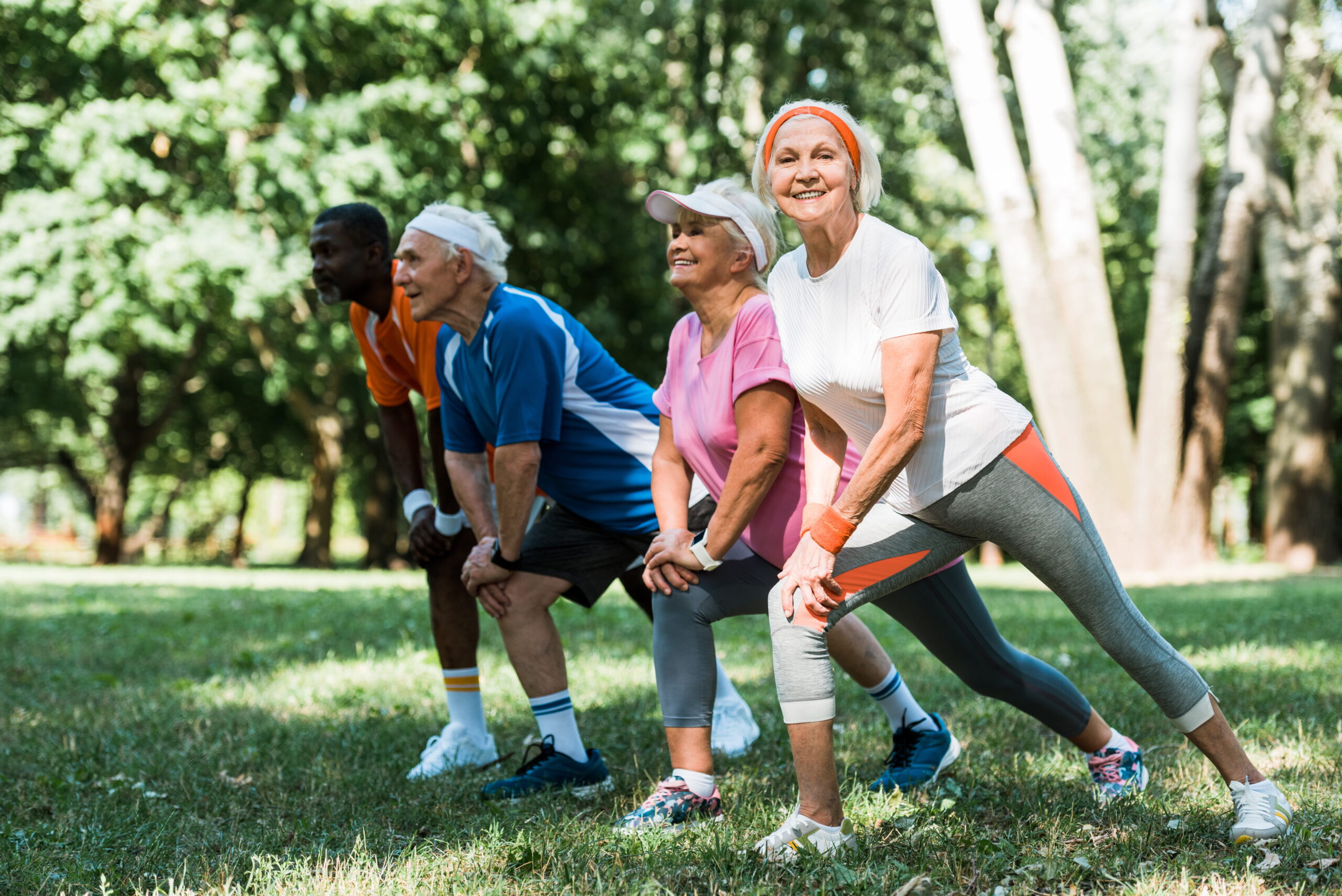
Did you know that nearly 30% of seniors experience a fall each year? That’s like playing a game of Jenga where the stakes are your bones! Strengthening the lower body is crucial not only for mobility but also for preventing those pesky falls. When it comes to strength exercises for seniors, targeting the legs and core can make all the difference in maintaining balance and stability.
Let’s take a moment to consider a relatable scenario: imagine a sprightly 75-year-old named Edna who loves to stroll through the park but feels her knees wobble more than she’d like. By focusing on lower body strength exercises, Edna can regain her confidence and stride without feeling like she’s auditioning for a circus act!
Key Lower Body Strength Exercises
Here are some fantastic exercises that can help seniors like Edna boost their lower body strength while promoting stability:
- Chair Squats: Stand in front of a sturdy chair, lower yourself as if you’re going to sit down, then rise back up. This mimics everyday movements and builds leg strength safely.
- Calf Raises: Stand tall and slowly lift your heels off the ground, then lower them back down. This strengthens calves and improves balance.
- Side Leg Raises: While holding onto a chair for support, lift one leg out to the side, keeping it straight. This targets hip muscles essential for stability.
Incorporating Core Stability
The core isn’t just about abs; it’s about overall stability! A strong core supports better posture and balance—two vital components for seniors. Think of it as the foundation of a house; without it, everything else is at risk of toppling over.
- Seated Marches: While sitting in a chair, lift one knee at a time as if marching. This engages core muscles while being easy on the joints.
- Standing Side Bends: Stand with feet shoulder-width apart and gently lean side to side. This helps stretch and strengthen oblique muscles.
So what’s next? Encourage your loved ones or clients to try these exercises regularly—ideally two to three times per week—to build strength and confidence in their movements.
Did you know that nearly 30% of seniors experience a fall each year? That’s like playing a game of Jenga where the stakes are your bones! Strengthening the lower body is crucial not only for mobility but also for preventing those pesky falls. When it comes to strength exercises for seniors, targeting the legs and core can make all the difference in maintaining balance and stability.
Let’s take a moment to consider a relatable scenario: imagine a sprightly 75-year-old named Edna who loves to stroll through the park but feels her knees wobble more than she’d like. By focusing on lower body strength exercises, Edna can regain her confidence and stride without feeling like she’s auditioning for a circus act!
Key Lower Body Strength Exercises
Here are some fantastic exercises that can help seniors like Edna boost their lower body strength while promoting stability:
- Chair Squats: Stand in front of a sturdy chair, lower yourself as if you’re going to sit down, then rise back up. This mimics everyday movements and builds leg strength safely.
- Calf Raises: Stand tall and slowly lift your heels off the ground, then lower them back down. This strengthens calves and improves balance.
- Side Leg Raises: While holding onto a chair for support, lift one leg out to the side, keeping it straight. This targets hip muscles essential for stability.
Incorporating Core Stability
The core isn’t just about abs; it’s about overall stability! A strong core supports better posture and balance—two vital components for seniors. Think of it as the foundation of a house; without it, everything else is at risk of toppling over.
- Seated Marches: While sitting in a chair, lift one knee at a time as if marching. This engages core muscles while being easy on the joints.
- Standing Side Bends: Stand with feet shoulder-width apart and gently lean side to side. This helps stretch and strengthen oblique muscles.
So what’s next? Encourage your loved ones or clients to try these exercises regularly—ideally two to three times per week—to build strength and confidence in their movements.
Integrating Core Strengthening into Senior Workouts
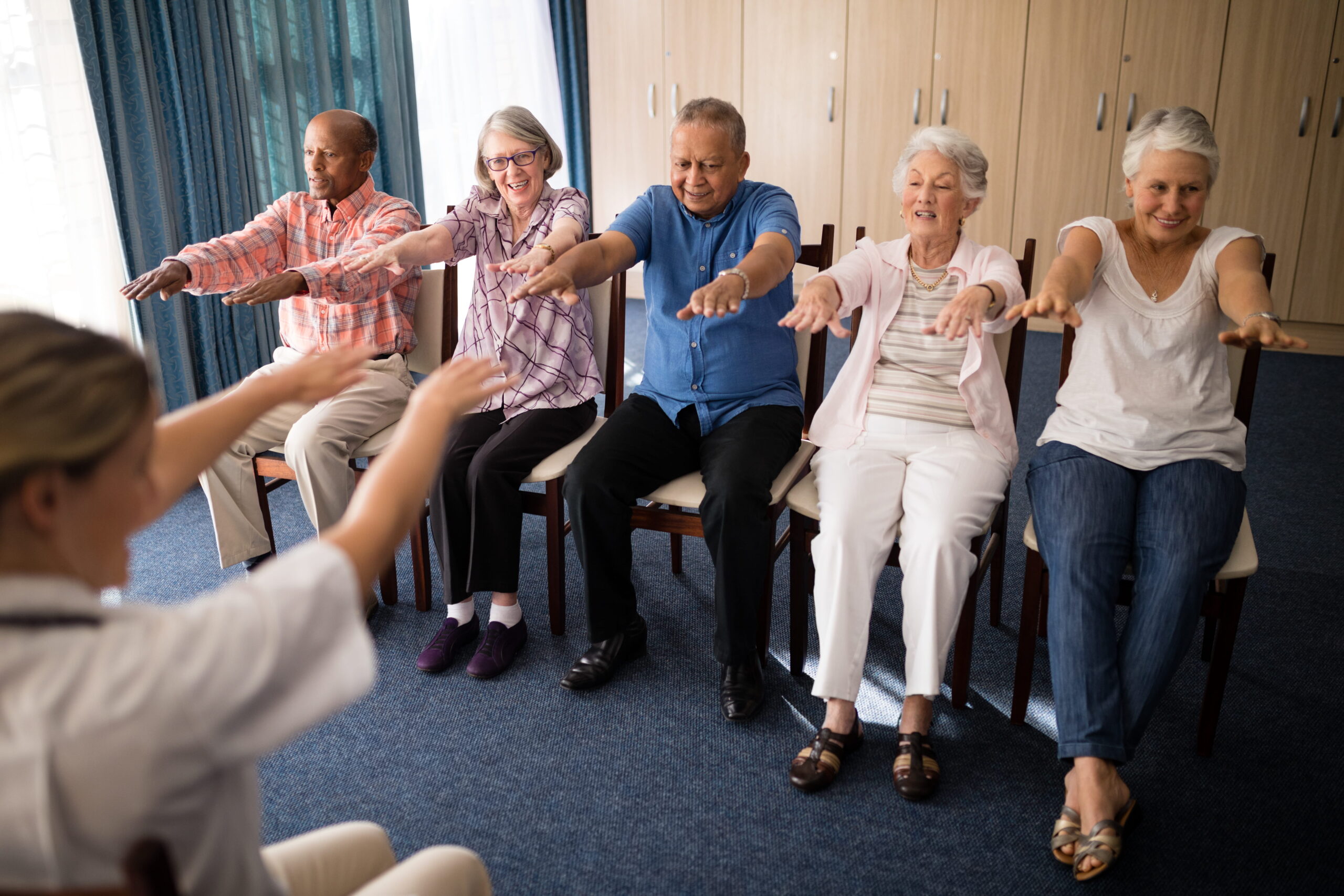
Here’s a fun fact: nearly 30% of seniors experience a fall each year, often due to weak core muscles. Think of the core as the unsung hero of stability; without it, everything else can feel like a game of Jenga waiting to topple over. So how do we integrate core strengthening into senior workouts? Let’s break it down.
Understanding the Core’s Role
The core isn’t just about those elusive six-pack abs; it’s a complex group of muscles that supports posture, balance, and overall mobility. For seniors, a strong core translates to better stability and reduced risk of falls. Remember Edna from earlier? Strengthening her core can make all the difference in her park strolls!
Simple Core Exercises for Seniors
- Seated Leg Lifts: While sitting in a sturdy chair, lift one leg at a time, engaging your abdominal muscles. This is gentle yet effective.
- Wall Sits: Stand with your back against a wall and slide down until your knees are at a right angle. Hold for as long as comfortable—this works those core stabilizers!
- Chair Twists: Sit tall in a chair and gently twist your torso side to side. This not only engages the core but also improves flexibility.
Consistency is key! Aim for these exercises two to three times per week.
Creating an Engaging Routine
Boredom is the enemy of progress rings true here too! Integrating variety keeps workouts fresh. Mix in dance-based movements or even light yoga stretches that emphasize core engagement—think about movements that mimic daily activities like reaching for items on high shelves.
So what’s next? Encourage your loved ones or clients to try these simple yet effective exercises regularly—after all, every bit helps in building that all-important strength!
Here’s a fun fact: nearly 30% of seniors experience a fall each year, often due to weak core muscles. Think of the core as the unsung hero of stability; without it, everything else can feel like a game of Jenga waiting to topple over. So how do we integrate core strengthening into senior workouts? Let’s break it down.
Understanding the Core’s Role
The core isn’t just about those elusive six-pack abs; it’s a complex group of muscles that supports posture, balance, and overall mobility. For seniors, a strong core translates to better stability and reduced risk of falls. Remember Edna from earlier? Strengthening her core can make all the difference in her park strolls!
Simple Core Exercises for Seniors
- Seated Leg Lifts: While sitting in a sturdy chair, lift one leg at a time, engaging your abdominal muscles. This is gentle yet effective.
- Wall Sits: Stand with your back against a wall and slide down until your knees are at a right angle. Hold for as long as comfortable—this works those core stabilizers!
- Chair Twists: Sit tall in a chair and gently twist your torso side to side. This not only engages the core but also improves flexibility.
Consistency is key! Aim for these exercises two to three times per week.
Creating an Engaging Routine
Boredom is the enemy of progress rings true here too! Integrating variety keeps workouts fresh. Mix in dance-based movements or even light yoga stretches that emphasize core engagement—think about movements that mimic daily activities like reaching for items on high shelves.
So what’s next? Encourage your loved ones or clients to try these simple yet effective exercises regularly—after all, every bit helps in building that all-important strength!
 Monitoring Progress and Adjusting Exercise Regimens
Here’s a reality check: about 40% of seniors drop out of exercise programs within the first six months. That’s like planting a garden and then forgetting to water it—no blooms, just frustration! Monitoring progress and adjusting exercise regimens is essential to keep seniors engaged and thriving with strength exercises.
Take Frank, for instance. He started his journey with strength exercises for seniors after knee surgery, but after a few weeks, he felt his routine was becoming stale. Instead of giving up, Frank decided to track his progress, and that made all the difference. By keeping a simple log of his workouts, he could see how far he’d come—those leg lifts became easier, and he even added resistance bands into the mix!
Establishing Baselines
Before diving into any adjustments, it’s crucial to establish baselines. This means assessing where each senior is starting from. For example, if Betty can only do five seated leg lifts without discomfort at first, that’s her baseline. Keep track of these initial numbers—this way, you’ll have something tangible to measure against as she progresses.
Regular Check-Ins
Consistency is key! Schedule regular check-ins with seniors about their feelings towards their workouts. Are they feeling stronger? Is anything causing discomfort? These conversations can reveal valuable insights that inform necessary changes in their routines. If Frank mentions struggling with leg lifts but feels great doing resistance band exercises instead, it’s time to pivot!
Adjusting regimens based on feedback can significantly enhance adherence to strength training programs.
Setting New Goals
What gets measured gets managed—and that includes goals! As seniors progress in their strength exercises for seniors, it’s important to set new milestones that keep them motivated. For instance, if Betty has built up her leg strength enough to do ten leg lifts comfortably, challenge her by introducing more complex movements or increasing resistance gradually.
‘Celebrate Small Wins
‘Progress isn’t just about lifting heavier weights; it’s about celebrating those small victories too! Whether it’s completing an extra set or feeling less fatigued after a workout session, acknowledging these achievements boosts morale and encourages continued effort. Maybe throw in some fun rewards—a healthy treat or an outing—to make it even more exciting!
Here’s a reality check: about 40% of seniors drop out of exercise programs within the first six months. That’s like planting a garden and then forgetting to water it—no blooms, just frustration! Monitoring progress and adjusting exercise regimens is essential to keep seniors engaged and thriving with strength exercises.
Take Frank, for instance. He started his journey with strength exercises for seniors after knee surgery, but after a few weeks, he felt his routine was becoming stale. Instead of giving up, Frank decided to track his progress, and that made all the difference. By keeping a simple log of his workouts, he could see how far he’d come—those leg lifts became easier, and he even added resistance bands into the mix!
Establishing Baselines
Before diving into any adjustments, it’s crucial to establish baselines. This means assessing where each senior is starting from. For example, if Betty can only do five seated leg lifts without discomfort at first, that’s her baseline. Keep track of these initial numbers—this way, you’ll have something tangible to measure against as she progresses.
Regular Check-Ins
Consistency is key! Schedule regular check-ins with seniors about their feelings towards their workouts. Are they feeling stronger? Is anything causing discomfort? These conversations can reveal valuable insights that inform necessary changes in their routines. If Frank mentions struggling with leg lifts but feels great doing resistance band exercises instead, it’s time to pivot!
Adjusting regimens based on feedback can significantly enhance adherence to strength training programs.
Setting New Goals
What gets measured gets managed—and that includes goals! As seniors progress in their strength exercises for seniors, it’s important to set new milestones that keep them motivated. For instance, if Betty has built up her leg strength enough to do ten leg lifts comfortably, challenge her by introducing more complex movements or increasing resistance gradually.
‘Celebrate Small Wins
‘Progress isn’t just about lifting heavier weights; it’s about celebrating those small victories too! Whether it’s completing an extra set or feeling less fatigued after a workout session, acknowledging these achievements boosts morale and encourages continued effort. Maybe throw in some fun rewards—a healthy treat or an outing—to make it even more exciting!
Creating a Supportive Environment for Exercise at Home
Here’s a thought: a well-structured home environment can be just as impactful on exercise adherence as the workouts themselves. In fact, studies show that seniors who have supportive surroundings are more likely to engage in strength exercises regularly. It’s like having a cheerleader in your living room!
Consider the case of Linda, a 70-year-old who decided to take up strength exercises for seniors after her daughter encouraged her. At first, she struggled with motivation, often finding excuses to skip workouts. But once she transformed her living room into a cozy exercise space—complete with bright lighting, motivational quotes on the wall, and easy access to her weights—everything changed. Linda found herself looking forward to her workout sessions!
Declutter and Designate
The first step in creating a supportive environment is decluttering the workout area. A clean space reduces distractions and minimizes the risk of falls—especially important for seniors! Designate an area in the home specifically for exercise, whether it’s a corner of the living room or a spare bedroom. This space should be inviting and easy to access.
- Remove tripping hazards like loose rugs or clutter.
- Ensure adequate lighting; consider adding lamps if necessary.
- Make sure equipment is easily reachable but stored safely.
Incorporate Comfort and Motivation
Comfort is key! Seniors are more likely to stick with their strength exercises if they feel comfortable in their environment. This means investing in supportive mats or cushions for floor exercises and ensuring that chairs used for seated workouts are sturdy and stable.
A motivational environment can boost commitment to regular exercise.
Motivation can come from various sources—think about adding music that your loved ones enjoy or even setting up a calendar where they can mark off their completed workouts. Celebrate milestones together; perhaps share success stories with family members to create an atmosphere of encouragement!
Buddy Up for Accountability
Having someone join them can make all the difference! Whether it’s family members participating alongside them or scheduling regular video calls with friends who share similar fitness goals, social connections can help keep spirits high and accountability strong.
In summary, creating a supportive environment for strength exercises at home is about more than just safety; it’s about fostering motivation and enjoyment too! Encourage your loved ones to take small steps towards building their ideal workout space—it could be the boost they need to stay active and engaged.
Here’s a thought: a well-structured home environment can be just as impactful on exercise adherence as the workouts themselves. In fact, studies show that seniors who have supportive surroundings are more likely to engage in strength exercises regularly. It’s like having a cheerleader in your living room!
Consider the case of Linda, a 70-year-old who decided to take up strength exercises for seniors after her daughter encouraged her. At first, she struggled with motivation, often finding excuses to skip workouts. But once she transformed her living room into a cozy exercise space—complete with bright lighting, motivational quotes on the wall, and easy access to her weights—everything changed. Linda found herself looking forward to her workout sessions!
Declutter and Designate
The first step in creating a supportive environment is decluttering the workout area. A clean space reduces distractions and minimizes the risk of falls—especially important for seniors! Designate an area in the home specifically for exercise, whether it’s a corner of the living room or a spare bedroom. This space should be inviting and easy to access.
- Remove tripping hazards like loose rugs or clutter.
- Ensure adequate lighting; consider adding lamps if necessary.
- Make sure equipment is easily reachable but stored safely.
Incorporate Comfort and Motivation
Comfort is key! Seniors are more likely to stick with their strength exercises if they feel comfortable in their environment. This means investing in supportive mats or cushions for floor exercises and ensuring that chairs used for seated workouts are sturdy and stable.
A motivational environment can boost commitment to regular exercise.
Motivation can come from various sources—think about adding music that your loved ones enjoy or even setting up a calendar where they can mark off their completed workouts. Celebrate milestones together; perhaps share success stories with family members to create an atmosphere of encouragement!
Buddy Up for Accountability
Having someone join them can make all the difference! Whether it’s family members participating alongside them or scheduling regular video calls with friends who share similar fitness goals, social connections can help keep spirits high and accountability strong.
In summary, creating a supportive environment for strength exercises at home is about more than just safety; it’s about fostering motivation and enjoyment too! Encourage your loved ones to take small steps towards building their ideal workout space—it could be the boost they need to stay active and engaged.