
Dementia Care for Seniors: Compassionate Support Strategies

Understanding the Stages of Dementia

Every 65 seconds, someone in the U.S. is diagnosed with Alzheimer’s disease. That’s not just a statistic; it’s a reality that hits families hard, often leaving them scrambling to understand what lies ahead. Dementia care for seniors is not just about managing symptoms; it’s about navigating a journey that unfolds in stages, each with its own challenges and opportunities for support.
The Stages of Dementia: A Roadmap
Dementia doesn’t just spring up overnight; it’s more like a slow-moving train that gradually reveals its complexity. Understanding these stages can empower caregivers and families to provide better dementia care for seniors, ensuring they feel supported at every turn.
- Stage 1: No Impairment – Seniors may show no signs of dementia but may experience subtle changes in memory.
- Stage 2: Very Mild Cognitive Decline – Forgetfulness increases, but it doesn’t interfere significantly with daily life.
- Stage 3: Mild Cognitive Decline – Friends or family may notice difficulties with word-finding or remembering names.
- Stage 4: Moderate Cognitive Decline – Clear-cut symptoms emerge; seniors might struggle to perform complex tasks like managing finances.
- Stage 5: Moderately Severe Cognitive Decline – Seniors need assistance with daily activities and may become confused about where they are or the date.
- Stage 6: Severe Cognitive Decline – Memory worsens significantly; seniors often forget personal history and require help with basic needs.
- Stage 7: Very Severe Cognitive Decline – Seniors lose the ability to respond verbally or physically and require extensive assistance.
But wait! Isn’t there an overlap? you might ask. Absolutely! Each stage can vary widely among individuals. Some may glide through these stages gracefully while others might find themselves stuck in one longer than expected. This variability can be both frustrating and confusing.
Key takeaway: Understanding these stages is crucial for effective dementia care for seniors.
Tailoring Care to Each Stage
What does this mean for me? you might wonder. Tailoring your approach to the specific stage of dementia can make all the difference. For instance, in earlier stages, engaging activities like puzzles or memory games can stimulate cognitive function and maintain a sense of independence.
But what about when things get tougher? As dementia progresses, patience becomes your best friend. Creating a calm environment filled with familiar items can reduce anxiety and confusion for seniors facing severe cognitive decline.
So what’s next? Recognizing these stages isn’t just an academic exercise — it’s about crafting compassionate strategies that resonate on a personal level. As you navigate this path, remember that understanding is your greatest ally in providing effective dementia care for seniors.
Every 65 seconds, someone in the U.S. is diagnosed with Alzheimer’s disease. That’s not just a statistic; it’s a reality that hits families hard, often leaving them scrambling to understand what lies ahead. Dementia care for seniors is not just about managing symptoms; it’s about navigating a journey that unfolds in stages, each with its own challenges and opportunities for support.
The Stages of Dementia: A Roadmap
Dementia doesn’t just spring up overnight; it’s more like a slow-moving train that gradually reveals its complexity. Understanding these stages can empower caregivers and families to provide better dementia care for seniors, ensuring they feel supported at every turn.
- Stage 1: No Impairment – Seniors may show no signs of dementia but may experience subtle changes in memory.
- Stage 2: Very Mild Cognitive Decline – Forgetfulness increases, but it doesn’t interfere significantly with daily life.
- Stage 3: Mild Cognitive Decline – Friends or family may notice difficulties with word-finding or remembering names.
- Stage 4: Moderate Cognitive Decline – Clear-cut symptoms emerge; seniors might struggle to perform complex tasks like managing finances.
- Stage 5: Moderately Severe Cognitive Decline – Seniors need assistance with daily activities and may become confused about where they are or the date.
- Stage 6: Severe Cognitive Decline – Memory worsens significantly; seniors often forget personal history and require help with basic needs.
- Stage 7: Very Severe Cognitive Decline – Seniors lose the ability to respond verbally or physically and require extensive assistance.
But wait! Isn’t there an overlap? you might ask. Absolutely! Each stage can vary widely among individuals. Some may glide through these stages gracefully while others might find themselves stuck in one longer than expected. This variability can be both frustrating and confusing.
Key takeaway: Understanding these stages is crucial for effective dementia care for seniors.
Tailoring Care to Each Stage
What does this mean for me? you might wonder. Tailoring your approach to the specific stage of dementia can make all the difference. For instance, in earlier stages, engaging activities like puzzles or memory games can stimulate cognitive function and maintain a sense of independence.
But what about when things get tougher? As dementia progresses, patience becomes your best friend. Creating a calm environment filled with familiar items can reduce anxiety and confusion for seniors facing severe cognitive decline.
So what’s next? Recognizing these stages isn’t just an academic exercise — it’s about crafting compassionate strategies that resonate on a personal level. As you navigate this path, remember that understanding is your greatest ally in providing effective dementia care for seniors.
Creating a Safe and Supportive Environment
Imagine walking into a room where everything feels just right — the lighting is soft, familiar photos adorn the walls, and the scent of a favorite meal wafts through the air. For seniors with dementia, this isn’t just comfort; it’s essential for their well-being. A safe and supportive environment can significantly enhance their quality of life.
Studies show that nearly 60% of seniors with dementia experience anxiety due to unfamiliar surroundings. This is more than just a statistic; it’s a daily reality for families who want nothing but peace for their loved ones. Creating an environment that feels like home can be a game changer in dementia care for seniors.
Familiarity: The Key Ingredient
Familiarity breeds comfort, and comfort breeds calmness. When designing spaces for seniors with dementia, incorporating familiar items from their past can help ease anxiety. Think about it: a beloved armchair or family photos can spark memories and provide reassurance in moments of confusion.
- Use familiar colors that resonate with the senior’s history.
- Incorporate personal items like quilts or heirlooms.
- Create designated spaces for activities they enjoy, such as reading nooks or crafting corners.
A comforting space can reduce agitation and promote feelings of safety.
Safety First: Practical Considerations
Safety isn’t just about avoiding falls; it encompasses emotional security too. Start by removing potential hazards like sharp objects or cluttered pathways that could lead to accidents. Ensure that doors are secure but not locked away from loved ones who may wander — this balance is crucial in dementia care for seniors.
- “Install grab bars in bathrooms to prevent slips.
- “Use non-slip mats throughout the home.
- “Consider smart home technology that allows caregivers to monitor safely without being intrusive.
Engagement: Keeping Minds Active
An engaging environment can work wonders in preventing cognitive decline. Activities tailored to their interests not only stimulate memory but also foster social interactions. Think gardening, puzzles, or even simple cooking tasks! These small tasks empower seniors while allowing them to feel productive.
Creating an environment where seniors feel safe and engaged isn’t just beneficial—it’s transformative. By focusing on familiarity, safety, and engagement, caregivers can significantly improve the quality of life for those living with dementia.
So what’s next? Take stock of your loved one’s space today! Small changes can make all the difference in ensuring they feel secure and supported every day.
Imagine walking into a room where everything feels just right — the lighting is soft, familiar photos adorn the walls, and the scent of a favorite meal wafts through the air. For seniors with dementia, this isn’t just comfort; it’s essential for their well-being. A safe and supportive environment can significantly enhance their quality of life.
Studies show that nearly 60% of seniors with dementia experience anxiety due to unfamiliar surroundings. This is more than just a statistic; it’s a daily reality for families who want nothing but peace for their loved ones. Creating an environment that feels like home can be a game changer in dementia care for seniors.
Familiarity: The Key Ingredient
Familiarity breeds comfort, and comfort breeds calmness. When designing spaces for seniors with dementia, incorporating familiar items from their past can help ease anxiety. Think about it: a beloved armchair or family photos can spark memories and provide reassurance in moments of confusion.
- Use familiar colors that resonate with the senior’s history.
- Incorporate personal items like quilts or heirlooms.
- Create designated spaces for activities they enjoy, such as reading nooks or crafting corners.
A comforting space can reduce agitation and promote feelings of safety.
Safety First: Practical Considerations
Safety isn’t just about avoiding falls; it encompasses emotional security too. Start by removing potential hazards like sharp objects or cluttered pathways that could lead to accidents. Ensure that doors are secure but not locked away from loved ones who may wander — this balance is crucial in dementia care for seniors.
- “Install grab bars in bathrooms to prevent slips.
- “Use non-slip mats throughout the home.
- “Consider smart home technology that allows caregivers to monitor safely without being intrusive.
Engagement: Keeping Minds Active
An engaging environment can work wonders in preventing cognitive decline. Activities tailored to their interests not only stimulate memory but also foster social interactions. Think gardening, puzzles, or even simple cooking tasks! These small tasks empower seniors while allowing them to feel productive.
Creating an environment where seniors feel safe and engaged isn’t just beneficial—it’s transformative. By focusing on familiarity, safety, and engagement, caregivers can significantly improve the quality of life for those living with dementia.
So what’s next? Take stock of your loved one’s space today! Small changes can make all the difference in ensuring they feel secure and supported every day.

Effective Communication Techniques

When it comes to dementia care for seniors, communication can feel like trying to solve a Rubik’s Cube blindfolded — frustrating and confusing. Yet, effective communication is the lifeline that connects caregivers to their loved ones, often making the difference between a peaceful interaction and a challenging one.
Did you know that nearly 70% of caregivers report feeling overwhelmed by communication challenges with seniors experiencing dementia?
1. Speak Clearly and Calmly
Imagine you’re trying to understand someone speaking a foreign language while juggling three balls. That’s how seniors with dementia might feel when conversations get too fast or complicated. Slow down your speech, use simple words, and maintain a calm tone. This isn’t just about clarity; it’s about creating an atmosphere of safety where they feel comfortable expressing themselves.
2. Use Non-Verbal Cues
Sometimes words are overrated! Non-verbal cues can be your best friend in dementia care for seniors. A warm smile, gentle touch, or reassuring nod can convey more than any sentence ever could. For instance, when asking if they want to go for a walk, point towards the door while smiling — it’s like sending them an invitation without saying a word!
3. Focus on One Topic at a Time
Too many cooks spoil the broth might not apply here directly, but too many topics can definitely spoil the conversation! Keep discussions focused on one subject at a time to avoid overwhelming them. For example, if discussing family members, stick to one person before moving on to another — this clarity helps them process information without feeling lost.
4. Validate Their Feelings
I understand how you feel can be magic words in dementia care for seniors. Validating feelings helps build trust and connection. If they express confusion or frustration about something simple like forgetting where they put their glasses, acknowledge their feelings instead of dismissing them: It’s okay; I forget things too sometimes! Let’s look for them together. This approach fosters emotional support while encouraging cooperation.
5. Be Patient and Give Time
So what should you take away from all this? Effective communication techniques are crucial tools in your caregiving toolkit. By adapting your approach and focusing on connection rather than just conversation, you’ll enhance the quality of interactions with your loved ones living with dementia.
When it comes to dementia care for seniors, communication can feel like trying to solve a Rubik’s Cube blindfolded — frustrating and confusing. Yet, effective communication is the lifeline that connects caregivers to their loved ones, often making the difference between a peaceful interaction and a challenging one.
Did you know that nearly 70% of caregivers report feeling overwhelmed by communication challenges with seniors experiencing dementia?
1. Speak Clearly and Calmly
Imagine you’re trying to understand someone speaking a foreign language while juggling three balls. That’s how seniors with dementia might feel when conversations get too fast or complicated. Slow down your speech, use simple words, and maintain a calm tone. This isn’t just about clarity; it’s about creating an atmosphere of safety where they feel comfortable expressing themselves.
2. Use Non-Verbal Cues
Sometimes words are overrated! Non-verbal cues can be your best friend in dementia care for seniors. A warm smile, gentle touch, or reassuring nod can convey more than any sentence ever could. For instance, when asking if they want to go for a walk, point towards the door while smiling — it’s like sending them an invitation without saying a word!
3. Focus on One Topic at a Time
Too many cooks spoil the broth might not apply here directly, but too many topics can definitely spoil the conversation! Keep discussions focused on one subject at a time to avoid overwhelming them. For example, if discussing family members, stick to one person before moving on to another — this clarity helps them process information without feeling lost.
4. Validate Their Feelings
I understand how you feel can be magic words in dementia care for seniors. Validating feelings helps build trust and connection. If they express confusion or frustration about something simple like forgetting where they put their glasses, acknowledge their feelings instead of dismissing them: It’s okay; I forget things too sometimes! Let’s look for them together. This approach fosters emotional support while encouraging cooperation.
5. Be Patient and Give Time
So what should you take away from all this? Effective communication techniques are crucial tools in your caregiving toolkit. By adapting your approach and focusing on connection rather than just conversation, you’ll enhance the quality of interactions with your loved ones living with dementia.
Engagement through Activities and Socialization
Did you know that engaging seniors with dementia in activities can reduce anxiety and improve mood by up to 50%? That’s not just a number; it’s a lifeline for families trying to navigate the complexities of dementia care for seniors. Think about it: when was the last time you felt truly connected while doing something you love?
Many caregivers often overlook the power of activities and socialization, assuming that seniors with dementia are too far gone to enjoy anything. This couldn’t be further from the truth. In fact, engaging activities can spark joy, stimulate cognitive function, and create meaningful connections — even in advanced stages of dementia.
The Power of Routine
Establishing a routine filled with enjoyable activities can provide structure and predictability, which is crucial for seniors experiencing cognitive decline. For instance, consider setting aside time each day for a favorite hobby or social interaction. Whether it’s gardening on Wednesdays or playing bingo on Fridays, these routines not only give seniors something to look forward to but also help them feel anchored.
- Art therapy sessions that allow for creative expression.
- Regular family visits or virtual gatherings.
- Simple cooking tasks that involve familiar recipes.
Key takeaway: Engaging in regular activities can significantly enhance emotional well-being and cognitive function.
Socialization: The Unsung Hero
But my loved one is shy! you might say. Fear not! Socialization doesn’t have to mean throwing a party every week. It can be as simple as inviting one friend over for tea or joining a small group activity at a local community center. These interactions can reignite memories and foster connections that are vital for emotional health.
Consider this: A study found that social interaction can lead to improved cognitive performance among seniors with dementia. It’s like giving their brains a workout while simultaneously lifting their spirits!
Adapting Activities to Interests
Every senior is unique, so why should their activities be any different? Tailoring engagement strategies based on personal interests can make all the difference. If your loved one was an avid gardener before their diagnosis, why not create a small indoor garden? Or if they enjoyed music, consider organizing sing-alongs or listening sessions featuring their favorite tunes.
- Identify past hobbies: What did they love doing?
- Explore new interests: Is there something they’ve always wanted to try?
- Involve them in planning: Let them choose what they want to do!
So what’s next on this journey? Start small! Introduce one new activity this week based on your loved one’s interests. You might be surprised at how much joy it brings — both for them and for you.
Did you know that engaging seniors with dementia in activities can reduce anxiety and improve mood by up to 50%? That’s not just a number; it’s a lifeline for families trying to navigate the complexities of dementia care for seniors. Think about it: when was the last time you felt truly connected while doing something you love?
Many caregivers often overlook the power of activities and socialization, assuming that seniors with dementia are too far gone to enjoy anything. This couldn’t be further from the truth. In fact, engaging activities can spark joy, stimulate cognitive function, and create meaningful connections — even in advanced stages of dementia.
The Power of Routine
Establishing a routine filled with enjoyable activities can provide structure and predictability, which is crucial for seniors experiencing cognitive decline. For instance, consider setting aside time each day for a favorite hobby or social interaction. Whether it’s gardening on Wednesdays or playing bingo on Fridays, these routines not only give seniors something to look forward to but also help them feel anchored.
- Art therapy sessions that allow for creative expression.
- Regular family visits or virtual gatherings.
- Simple cooking tasks that involve familiar recipes.
Key takeaway: Engaging in regular activities can significantly enhance emotional well-being and cognitive function.
Socialization: The Unsung Hero
But my loved one is shy! you might say. Fear not! Socialization doesn’t have to mean throwing a party every week. It can be as simple as inviting one friend over for tea or joining a small group activity at a local community center. These interactions can reignite memories and foster connections that are vital for emotional health.
Consider this: A study found that social interaction can lead to improved cognitive performance among seniors with dementia. It’s like giving their brains a workout while simultaneously lifting their spirits!
Adapting Activities to Interests
Every senior is unique, so why should their activities be any different? Tailoring engagement strategies based on personal interests can make all the difference. If your loved one was an avid gardener before their diagnosis, why not create a small indoor garden? Or if they enjoyed music, consider organizing sing-alongs or listening sessions featuring their favorite tunes.
- Identify past hobbies: What did they love doing?
- Explore new interests: Is there something they’ve always wanted to try?
- Involve them in planning: Let them choose what they want to do!
So what’s next on this journey? Start small! Introduce one new activity this week based on your loved one’s interests. You might be surprised at how much joy it brings — both for them and for you.

Managing Behavioral Challenges in Dementia Care
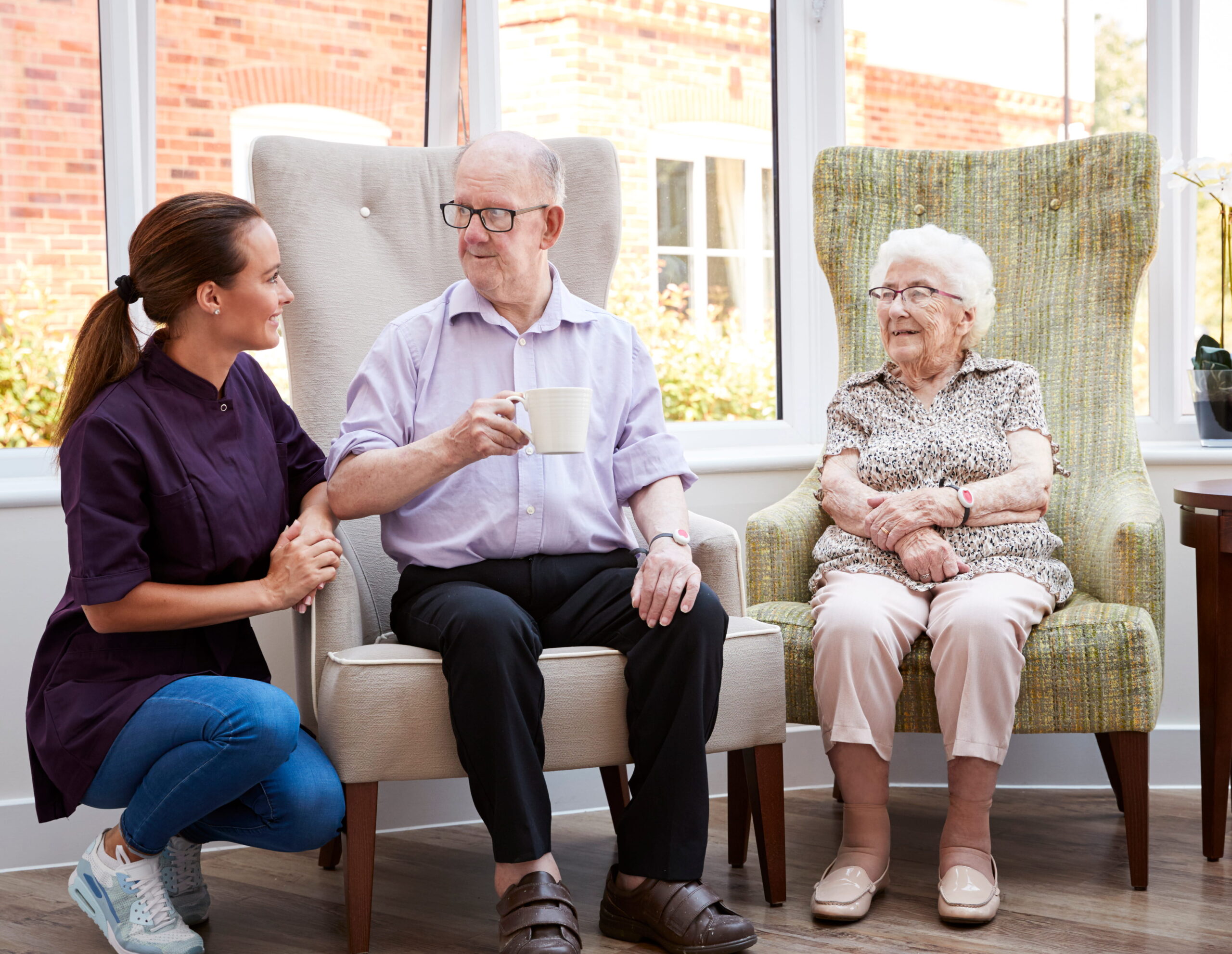
Behavioral challenges in dementia care for seniors can feel like trying to navigate a minefield blindfolded. One moment everything seems fine, and the next, you’re faced with unexpected outbursts or confusion that leave you scratching your head. Did you know that nearly 90% of individuals with dementia will experience some form of behavioral symptom? That’s a staggering number that highlights the need for effective strategies to manage these situations.
Understanding the Root Causes
Before jumping into solutions, it’s essential to understand why these behaviors occur. Often, they stem from unmet needs — think hunger, pain, or even boredom. For instance, imagine a senior who becomes agitated during meal times. It could be due to discomfort from sitting too long or simply because their favorite dish isn’t on the menu. Identifying these triggers can be your secret weapon.
Strategies for Managing Behavioral Challenges
- Establish a Routine: Consistency is key. A predictable schedule can provide comfort and reduce anxiety.
- Create a Calm Environment: Soft lighting and familiar items can soothe agitation.
- Engage in Meaningful Activities: Tailor activities to their interests to keep them mentally stimulated.
- Use Redirection Techniques: If they become upset, gently redirect their focus to something enjoyable.
For example, let’s consider a scenario where an elderly man named Frank becomes increasingly frustrated during family visits. Instead of forcing conversation about current events, try engaging him with an old photo album filled with memories from his youth. This not only redirects his focus but also taps into his emotional reservoir — a win-win!
Key takeaway: Understanding triggers and employing tailored strategies can significantly improve interactions.
When All Else Fails Techniques
“Sometimes, despite our best efforts, behaviors escalate beyond what we can manage alone. In such cases, it’s crucial to have techniques at your disposal that help de-escalate situations safely. A calming presence is essential — think of it like being the eye of the storm amid chaos.
- Stay Calm: Your demeanor sets the tone; take deep breaths before approaching.
- Listen Actively: Sometimes they just need someone to hear them out.
- Use Simple Language: Keep communication clear and straightforward.
- Know When to Walk Away: If tensions rise too high, it’s okay to step back and revisit later.
Navigating behavioral challenges in dementia care for seniors is no small feat; it requires patience and understanding. Remember that each day is unique — some days will be smoother than others. The key takeaway here? Stay observant and flexible in your approach while keeping your loved one’s comfort at the forefront.
Behavioral challenges in dementia care for seniors can feel like trying to navigate a minefield blindfolded. One moment everything seems fine, and the next, you’re faced with unexpected outbursts or confusion that leave you scratching your head. Did you know that nearly 90% of individuals with dementia will experience some form of behavioral symptom? That’s a staggering number that highlights the need for effective strategies to manage these situations.
Understanding the Root Causes
Before jumping into solutions, it’s essential to understand why these behaviors occur. Often, they stem from unmet needs — think hunger, pain, or even boredom. For instance, imagine a senior who becomes agitated during meal times. It could be due to discomfort from sitting too long or simply because their favorite dish isn’t on the menu. Identifying these triggers can be your secret weapon.
Strategies for Managing Behavioral Challenges
- Establish a Routine: Consistency is key. A predictable schedule can provide comfort and reduce anxiety.
- Create a Calm Environment: Soft lighting and familiar items can soothe agitation.
- Engage in Meaningful Activities: Tailor activities to their interests to keep them mentally stimulated.
- Use Redirection Techniques: If they become upset, gently redirect their focus to something enjoyable.
For example, let’s consider a scenario where an elderly man named Frank becomes increasingly frustrated during family visits. Instead of forcing conversation about current events, try engaging him with an old photo album filled with memories from his youth. This not only redirects his focus but also taps into his emotional reservoir — a win-win!
Key takeaway: Understanding triggers and employing tailored strategies can significantly improve interactions.
When All Else Fails Techniques
“Sometimes, despite our best efforts, behaviors escalate beyond what we can manage alone. In such cases, it’s crucial to have techniques at your disposal that help de-escalate situations safely. A calming presence is essential — think of it like being the eye of the storm amid chaos.
- Stay Calm: Your demeanor sets the tone; take deep breaths before approaching.
- Listen Actively: Sometimes they just need someone to hear them out.
- Use Simple Language: Keep communication clear and straightforward.
- Know When to Walk Away: If tensions rise too high, it’s okay to step back and revisit later.
Navigating behavioral challenges in dementia care for seniors is no small feat; it requires patience and understanding. Remember that each day is unique — some days will be smoother than others. The key takeaway here? Stay observant and flexible in your approach while keeping your loved one’s comfort at the forefront.
Support for Caregivers: Resources and Coping Strategies
Did you know that nearly 40% of caregivers for seniors with dementia report feeling overwhelmed and emotionally drained? That’s not just a statistic; it’s a reality that can lead to burnout faster than you can say, Where did I put my coffee? Caring for a loved one with dementia is a marathon, not a sprint, and without the right support, even the most dedicated caregivers can find themselves struggling.
Recognizing the Need for Support
First things first: acknowledging that you need help isn’t a sign of weakness; it’s an act of strength. Caregivers often wear many hats—nurse, chef, therapist, and sometimes even detective. It’s easy to feel isolated when you’re juggling so many roles. But guess what? You don’t have to do it alone. Support networks are out there waiting for you to tap into them.
- Join local or online caregiver support groups.
- Reach out to friends and family — don’t hesitate to ask for help.
- Consider respite care services to give yourself a break.
Coping Strategies for Daily Challenges
Self-care isn’t just a buzzword; it’s your new best friend. Taking care of yourself is crucial if you’re going to provide effective dementia care for seniors. Think about incorporating small daily practices that recharge your batteries—whether it’s taking a walk, indulging in your favorite hobby, or simply enjoying five minutes of silence with your morning coffee.
You can’t pour from an empty cup.
But what if I don’t have time? you might wonder. Well, let’s be real: if you don’t carve out time for yourself now, you’ll likely find yourself running on fumes later. Even brief moments of self-care can make a big difference in your mental health.
- (1) Schedule short breaks throughout your day — even five minutes counts!
- (2) Practice mindfulness or meditation techniques to help center yourself.
- (3) Keep a journal where you can express your thoughts and feelings.
Ask for Help is Not Just Advice — It’s Essential
Help is just an ask away! Whether it’s professional assistance or simply leaning on friends or family members who understand what you’re going through. Organizations like the Alzheimer’s Association offer resources ranging from educational materials to local support groups tailored specifically for caregivers.
So what’s next on this journey? Embrace the idea that seeking support isn’t just about surviving; it’s about thriving as both a caregiver and an individual. Start by reaching out today—whether it’s joining an online forum or simply calling up that friend who always knows how to lighten your mood.
Did you know that nearly 40% of caregivers for seniors with dementia report feeling overwhelmed and emotionally drained? That’s not just a statistic; it’s a reality that can lead to burnout faster than you can say, Where did I put my coffee? Caring for a loved one with dementia is a marathon, not a sprint, and without the right support, even the most dedicated caregivers can find themselves struggling.
Recognizing the Need for Support
First things first: acknowledging that you need help isn’t a sign of weakness; it’s an act of strength. Caregivers often wear many hats—nurse, chef, therapist, and sometimes even detective. It’s easy to feel isolated when you’re juggling so many roles. But guess what? You don’t have to do it alone. Support networks are out there waiting for you to tap into them.
- Join local or online caregiver support groups.
- Reach out to friends and family — don’t hesitate to ask for help.
- Consider respite care services to give yourself a break.
Coping Strategies for Daily Challenges
Self-care isn’t just a buzzword; it’s your new best friend. Taking care of yourself is crucial if you’re going to provide effective dementia care for seniors. Think about incorporating small daily practices that recharge your batteries—whether it’s taking a walk, indulging in your favorite hobby, or simply enjoying five minutes of silence with your morning coffee.
You can’t pour from an empty cup.
But what if I don’t have time? you might wonder. Well, let’s be real: if you don’t carve out time for yourself now, you’ll likely find yourself running on fumes later. Even brief moments of self-care can make a big difference in your mental health.
- (1) Schedule short breaks throughout your day — even five minutes counts!
- (2) Practice mindfulness or meditation techniques to help center yourself.
- (3) Keep a journal where you can express your thoughts and feelings.
Ask for Help is Not Just Advice — It’s Essential
Help is just an ask away! Whether it’s professional assistance or simply leaning on friends or family members who understand what you’re going through. Organizations like the Alzheimer’s Association offer resources ranging from educational materials to local support groups tailored specifically for caregivers.
So what’s next on this journey? Embrace the idea that seeking support isn’t just about surviving; it’s about thriving as both a caregiver and an individual. Start by reaching out today—whether it’s joining an online forum or simply calling up that friend who always knows how to lighten your mood.
Legal and Financial Considerations in Dementia Care

Navigating the world of dementia care for seniors isn’t just about providing compassionate support; it also involves a maze of legal and financial decisions that can leave even the most organized families feeling overwhelmed. Did you know that nearly 60% of families caring for someone with dementia face significant financial strain? That’s not just a statistic; it’s a reality that can affect both the caregiver’s well-being and the quality of care provided.
Understanding Legal Preparations
When it comes to dementia care for seniors, having the right legal documents in place can be as crucial as having a first aid kit. Start by ensuring your loved one has a durable power of attorney (POA) in place. This allows someone you trust to make financial and healthcare decisions when they can no longer do so themselves. Without this, families may find themselves scrambling at critical moments.
- Durable Power of Attorney: Designates someone to make decisions on behalf of your loved one.
- Healthcare Proxy: Allows someone to make medical decisions when your loved one is incapacitated.
- Living Will: Specifies preferences regarding end-of-life care.
Key takeaway: Legal documents are essential for ensuring your loved one’s wishes are respected.
Financial Planning: The Elephant in the Room
Let’s face it: the costs associated with dementia care can feel like an elephant sitting on your wallet. From home modifications to medical expenses, planning ahead is non-negotiable. On average, families spend over ,000 per year on dementia-related care. Knowing what financial options are available can help lighten this burden.
- (1) Long-Term Care Insurance: If purchased early enough, this can cover many costs associated with dementia care.
- (2) Medicaid and Medicare: Understanding what these programs cover can save families from unexpected expenses.
- (3) Veterans Benefits: If applicable, these benefits can provide additional support for veterans and their spouses.
The Talk: Discussing Care Options
The Talk isn’t just about discussing end-of-life wishes; it’s about laying out a comprehensive plan for future care. This conversation might feel uncomfortable but delaying it could lead to misunderstandings or conflicts later on. Approach this discussion with empathy, focusing on how important their wishes are to you.
What if my loved one resists? you might ask. Remember, patience is key! Frame the discussion around their values and preferences rather than making it solely about logistics. For example, ask them how they envision their ideal living situation or what activities they want to continue enjoying.
In conclusion, navigating legal and financial considerations in dementia care for seniors may feel daunting, but proactive planning is your best ally. Equip yourself with knowledge about necessary documents and financial resources while fostering open communication with your loved one about their wishes.
Remember: Early preparation ensures peace of mind and respect for your loved one’s desires.
Navigating the world of dementia care for seniors isn’t just about providing compassionate support; it also involves a maze of legal and financial decisions that can leave even the most organized families feeling overwhelmed. Did you know that nearly 60% of families caring for someone with dementia face significant financial strain? That’s not just a statistic; it’s a reality that can affect both the caregiver’s well-being and the quality of care provided.
Understanding Legal Preparations
When it comes to dementia care for seniors, having the right legal documents in place can be as crucial as having a first aid kit. Start by ensuring your loved one has a durable power of attorney (POA) in place. This allows someone you trust to make financial and healthcare decisions when they can no longer do so themselves. Without this, families may find themselves scrambling at critical moments.
- Durable Power of Attorney: Designates someone to make decisions on behalf of your loved one.
- Healthcare Proxy: Allows someone to make medical decisions when your loved one is incapacitated.
- Living Will: Specifies preferences regarding end-of-life care.
Key takeaway: Legal documents are essential for ensuring your loved one’s wishes are respected.
Financial Planning: The Elephant in the Room
Let’s face it: the costs associated with dementia care can feel like an elephant sitting on your wallet. From home modifications to medical expenses, planning ahead is non-negotiable. On average, families spend over $80,000 per year on dementia-related care. Knowing what financial options are available can help lighten this burden.
- (1) Long-Term Care Insurance: If purchased early enough, this can cover many costs associated with dementia care.
- (2) Medicaid and Medicare: Understanding what these programs cover can save families from unexpected expenses.
- (3) Veterans Benefits: If applicable, these benefits can provide additional support for veterans and their spouses.
The Talk: Discussing Care Options
The Talk isn’t just about discussing end-of-life wishes; it’s about laying out a comprehensive plan for future care. This conversation might feel uncomfortable but delaying it could lead to misunderstandings or conflicts later on. Approach this discussion with empathy, focusing on how important their wishes are to you.
What if my loved one resists? you might ask. Remember, patience is key! Frame the discussion around their values and preferences rather than making it solely about logistics. For example, ask them how they envision their ideal living situation or what activities they want to continue enjoying.
In conclusion, navigating legal and financial considerations in dementia care for seniors may feel daunting, but proactive planning is your best ally. Equip yourself with knowledge about necessary documents and financial resources while fostering open communication with your loved one about their wishes.
Remember: Early preparation ensures peace of mind and respect for your loved one’s desires.
Collaborative Approaches with Healthcare Professionals
When it comes to dementia care for seniors, collaboration isn’t just a nice-to-have; it’s a must. A staggering 80% of caregivers report that involving healthcare professionals has significantly improved their loved ones’ quality of life. Yet, many families still navigate this journey solo, missing out on valuable insights and support.
Imagine this: a family caring for an elderly parent with moderate dementia decides to tackle the challenges alone, armed only with internet research and well-meaning advice from friends. The result? Confusion, frustration, and a sense of isolation. Now picture the same family working alongside a team of healthcare professionals — doctors, nurses, social workers — all aligned to provide tailored dementia care for seniors. Suddenly, they have access to expert guidance and resources that can transform their approach.
Building Your Care Team
Creating an effective care team involves more than just gathering names; it’s about finding the right mix of expertise. Start by identifying key players who can contribute to your loved one’s well-being:
- Primary Care Physician: They provide ongoing health assessments and manage medications.
- Geriatric Specialist: Focused on aging-related issues, they offer tailored advice for dementia care.
- Social Worker: They can help navigate resources and support services available in your community.
- Occupational Therapist: These professionals design interventions that enhance daily living skills.
A multidisciplinary approach ensures comprehensive support tailored to individual needs.
Communication is Key
How do I even start talking to healthcare professionals? This is a common concern among families. Here’s the thing: open communication is crucial. Schedule regular check-ins with your care team to discuss your loved one’s condition and adapt strategies as needed. Don’t hesitate to ask questions or voice concerns — after all, you’re their advocate!
But what if I disagree with their recommendations? This is where collaboration shines! Healthy discussions about differing opinions can lead to innovative solutions tailored specifically for your loved one.
When it comes to dementia care for seniors, collaboration isn’t just a nice-to-have; it’s a must. A staggering 80% of caregivers report that involving healthcare professionals has significantly improved their loved ones’ quality of life. Yet, many families still navigate this journey solo, missing out on valuable insights and support.
Imagine this: a family caring for an elderly parent with moderate dementia decides to tackle the challenges alone, armed only with internet research and well-meaning advice from friends. The result? Confusion, frustration, and a sense of isolation. Now picture the same family working alongside a team of healthcare professionals — doctors, nurses, social workers — all aligned to provide tailored dementia care for seniors. Suddenly, they have access to expert guidance and resources that can transform their approach.
Building Your Care Team
Creating an effective care team involves more than just gathering names; it’s about finding the right mix of expertise. Start by identifying key players who can contribute to your loved one’s well-being:
- Primary Care Physician: They provide ongoing health assessments and manage medications.
- Geriatric Specialist: Focused on aging-related issues, they offer tailored advice for dementia care.
- Social Worker: They can help navigate resources and support services available in your community.
- Occupational Therapist: These professionals design interventions that enhance daily living skills.
A multidisciplinary approach ensures comprehensive support tailored to individual needs.
Communication is Key
How do I even start talking to healthcare professionals? This is a common concern among families. Here’s the thing: open communication is crucial. Schedule regular check-ins with your care team to discuss your loved one’s condition and adapt strategies as needed. Don’t hesitate to ask questions or voice concerns — after all, you’re their advocate!
But what if I disagree with their recommendations? This is where collaboration shines! Healthy discussions about differing opinions can lead to innovative solutions tailored specifically for your loved one.