
Home Care for Seniors: Maintaining Independence and Quality of Life

Understanding the Spectrum of Home Care Services

Did you know that nearly 90% of seniors prefer to age in place rather than move to a facility? This isn’t just a whimsical desire; it’s a heartfelt wish for independence. But how can we make this happen? Enter the world of home care for seniors, where services are as varied as the needs they address.
Types of Home Care Services
Home care for seniors isn’t a one-size-fits-all situation. It’s more like a buffet where you can pick and choose what suits your loved one’s needs best. From companionship to skilled nursing, here’s a quick breakdown:
- Companionship: For those who need someone to chat with or play cards.
- Personal Care: Assistance with daily activities like bathing and dressing.
- Homemaker Services: Help with light housekeeping, meal preparation, and laundry.
- Skilled Nursing: Medical care provided by licensed professionals, including medication management.
Choosing the right service can significantly affect your loved one’s quality of life.
Tailoring Care Plans
One size fits all is great for socks but terrible for home care. Each senior has unique needs based on their health conditions, preferences, and lifestyle. A thoughtful approach means creating personalized care plans that adapt as those needs change.
For example, consider Mary, an active 75-year-old who loves gardening but struggles with mobility after her hip surgery. A tailored plan might include personal care assistance to help her safely navigate her home while also providing companionship for those long gardening chats she cherishes.
‘Navigating the Decision-Making Process
‘Making decisions about home care can feel overwhelming—like trying to choose the best flavor at an ice cream shop with too many options! Here are some key points to consider when navigating this process:
- Assess Your Loved One’s Needs: What kind of assistance do they truly require?
- Consult Healthcare Professionals: Get input from doctors or specialists who understand their medical history.
- Involve Your Loved One: Their comfort and preferences should be at the forefront of any decision-making.
- Explore Options: Research different agencies and services available in your area.
The ultimate goal is simple yet profound: ensuring that our loved ones maintain their dignity and independence while receiving the support they need.
Did you know that nearly 90% of seniors prefer to age in place rather than move to a facility? This isn’t just a whimsical desire; it’s a heartfelt wish for independence. But how can we make this happen? Enter the world of home care for seniors, where services are as varied as the needs they address.
Types of Home Care Services
Home care for seniors isn’t a one-size-fits-all situation. It’s more like a buffet where you can pick and choose what suits your loved one’s needs best. From companionship to skilled nursing, here’s a quick breakdown:
- Companionship: For those who need someone to chat with or play cards.
- Personal Care: Assistance with daily activities like bathing and dressing.
- Homemaker Services: Help with light housekeeping, meal preparation, and laundry.
- Skilled Nursing: Medical care provided by licensed professionals, including medication management.
Choosing the right service can significantly affect your loved one’s quality of life.
Tailoring Care Plans
One size fits all is great for socks but terrible for home care. Each senior has unique needs based on their health conditions, preferences, and lifestyle. A thoughtful approach means creating personalized care plans that adapt as those needs change.
For example, consider Mary, an active 75-year-old who loves gardening but struggles with mobility after her hip surgery. A tailored plan might include personal care assistance to help her safely navigate her home while also providing companionship for those long gardening chats she cherishes.
‘Navigating the Decision-Making Process
‘Making decisions about home care can feel overwhelming—like trying to choose the best flavor at an ice cream shop with too many options! Here are some key points to consider when navigating this process:
- Assess Your Loved One’s Needs: What kind of assistance do they truly require?
- Consult Healthcare Professionals: Get input from doctors or specialists who understand their medical history.
- Involve Your Loved One: Their comfort and preferences should be at the forefront of any decision-making.
- Explore Options: Research different agencies and services available in your area.
The ultimate goal is simple yet profound: ensuring that our loved ones maintain their dignity and independence while receiving the support they need.
Assessment of Individual Needs for Tailored Care Plans
A staggering 70% of seniors will need some form of long-term care in their lifetime, but many families still struggle to pinpoint exactly what that care should look like. Without a clear assessment of individual needs, the risk of mismatched services skyrockets—leading to frustration for both seniors and their caregivers.
Imagine this: your father, a once-vibrant storyteller, now finds it hard to recall his favorite tales because he’s overwhelmed with daily tasks. He needs more than just a caregiver; he requires someone who understands his unique blend of independence and support needs. This is where tailored care plans shine—they’re not just about meeting basic requirements; they’re about enhancing quality of life.
The Importance of a Comprehensive Assessment
Tailored care plans begin with a deep dive into the individual’s health history, preferences, and daily routines. It’s not just about checking boxes on a form; it’s about understanding the nuances that make up each person’s life. For instance, if your loved one loves morning walks but struggles with balance, their plan might include physical therapy sessions focused on stability while ensuring they can still enjoy their strolls.
- Health Conditions: Chronic illnesses or mobility issues that require specific attention.
- Daily Routines: Understanding how they spend their day helps tailor assistance.
- Social Preferences: Some seniors thrive on social interaction while others prefer solitude.
- Cognitive Abilities: Assessing memory and cognitive function is crucial for safety.
A well-rounded assessment can lead to more effective care and happier seniors.
‘Involving the Right People
‘Getting it right isn’t solely on family members. Involving healthcare professionals is key to crafting an effective care plan. Doctors, nurses, and even therapists can provide insights that families might overlook. For example, if your mother has diabetes but also loves baking cookies for her grandkids, a dietitian can help create a plan that allows her to indulge without compromising her health.
Ultimately, assessing individual needs isn’t just about creating a checklist; it’s about weaving together the threads of health, preferences, and lifestyle into a beautiful tapestry of personalized home care for seniors. As you embark on this journey for your loved ones’ independence and quality of life, remember: every detail matters!
A staggering 70% of seniors will need some form of long-term care in their lifetime, but many families still struggle to pinpoint exactly what that care should look like. Without a clear assessment of individual needs, the risk of mismatched services skyrockets—leading to frustration for both seniors and their caregivers.
Imagine this: your father, a once-vibrant storyteller, now finds it hard to recall his favorite tales because he’s overwhelmed with daily tasks. He needs more than just a caregiver; he requires someone who understands his unique blend of independence and support needs. This is where tailored care plans shine—they’re not just about meeting basic requirements; they’re about enhancing quality of life.
The Importance of a Comprehensive Assessment
Tailored care plans begin with a deep dive into the individual’s health history, preferences, and daily routines. It’s not just about checking boxes on a form; it’s about understanding the nuances that make up each person’s life. For instance, if your loved one loves morning walks but struggles with balance, their plan might include physical therapy sessions focused on stability while ensuring they can still enjoy their strolls.
- Health Conditions: Chronic illnesses or mobility issues that require specific attention.
- Daily Routines: Understanding how they spend their day helps tailor assistance.
- Social Preferences: Some seniors thrive on social interaction while others prefer solitude.
- Cognitive Abilities: Assessing memory and cognitive function is crucial for safety.
A well-rounded assessment can lead to more effective care and happier seniors.
‘Involving the Right People
‘Getting it right isn’t solely on family members. Involving healthcare professionals is key to crafting an effective care plan. Doctors, nurses, and even therapists can provide insights that families might overlook. For example, if your mother has diabetes but also loves baking cookies for her grandkids, a dietitian can help create a plan that allows her to indulge without compromising her health.
Ultimately, assessing individual needs isn’t just about creating a checklist; it’s about weaving together the threads of health, preferences, and lifestyle into a beautiful tapestry of personalized home care for seniors. As you embark on this journey for your loved ones’ independence and quality of life, remember: every detail matters!
Creating a Safe Home Environment for Seniors
Let’s face it: a home that feels like a fortress of safety is the ultimate goal for seniors and their families. With falls being the leading cause of injury among older adults—accounting for over 800,000 hospitalizations annually—creating a safe environment is not just a nice-to-have; it’s essential.
Imagine your elderly neighbor, Mrs. Thompson, who loves her independence but has trouble with stairs after her knee surgery. Her home, filled with tripping hazards like loose rugs and cluttered hallways, becomes an obstacle course rather than a sanctuary. The good news? With some thoughtful adjustments, we can transform any space into a safe haven.
Identifying Hazards
The first step in creating a safe home environment is identifying potential hazards. This goes beyond just looking for slippery floors or poor lighting; it’s about understanding how your loved one interacts with their space.
- Check for loose rugs and carpets that could cause trips.
- Ensure all rooms are well-lit, especially staircases and hallways.
- Remove clutter from walkways to create clear paths.
- Install grab bars in bathrooms near toilets and tubs.
- Use non-slip mats in the kitchen and bathroom.
‘Making Smart Modifications
‘Once you’ve identified hazards, it’s time to make modifications. Think of this as giving the home an upgrade—one that prioritizes safety without sacrificing comfort or style.’
- ‘Consider installing stairlifts or ramps if stairs are unavoidable.
- ‘Replace doorknobs with lever handles for easier access.
- ‘Invest in smart home technology that allows seniors to control lights and alarms from their phones or voice commands.
- Use furniture that provides support while sitting or standing, like armchairs with sturdy arms.
A few thoughtful changes can significantly reduce risks and enhance comfort.
‘Engaging Professional Help
Sometimes, DIY isn’t enough. Engaging professionals who specialize in home modifications can provide insights you might not have considered. These experts can assess your loved one’s needs and recommend tailored solutions that fit within the budget.
In conclusion, ensuring our loved ones have a safe space at home is an ongoing process that requires vigilance and care. As you think about how to implement these changes, remember: every little bit counts toward maintaining independence while providing peace of mind.
Let’s face it: a home that feels like a fortress of safety is the ultimate goal for seniors and their families. With falls being the leading cause of injury among older adults—accounting for over 800,000 hospitalizations annually—creating a safe environment is not just a nice-to-have; it’s essential.
Imagine your elderly neighbor, Mrs. Thompson, who loves her independence but has trouble with stairs after her knee surgery. Her home, filled with tripping hazards like loose rugs and cluttered hallways, becomes an obstacle course rather than a sanctuary. The good news? With some thoughtful adjustments, we can transform any space into a safe haven.
Identifying Hazards
The first step in creating a safe home environment is identifying potential hazards. This goes beyond just looking for slippery floors or poor lighting; it’s about understanding how your loved one interacts with their space.
- Check for loose rugs and carpets that could cause trips.
- Ensure all rooms are well-lit, especially staircases and hallways.
- Remove clutter from walkways to create clear paths.
- Install grab bars in bathrooms near toilets and tubs.
- Use non-slip mats in the kitchen and bathroom.
‘Making Smart Modifications
‘Once you’ve identified hazards, it’s time to make modifications. Think of this as giving the home an upgrade—one that prioritizes safety without sacrificing comfort or style.’
- ‘Consider installing stairlifts or ramps if stairs are unavoidable.
- ‘Replace doorknobs with lever handles for easier access.
- ‘Invest in smart home technology that allows seniors to control lights and alarms from their phones or voice commands.
- Use furniture that provides support while sitting or standing, like armchairs with sturdy arms.
A few thoughtful changes can significantly reduce risks and enhance comfort.
‘Engaging Professional Help
Sometimes, DIY isn’t enough. Engaging professionals who specialize in home modifications can provide insights you might not have considered. These experts can assess your loved one’s needs and recommend tailored solutions that fit within the budget.
In conclusion, ensuring our loved ones have a safe space at home is an ongoing process that requires vigilance and care. As you think about how to implement these changes, remember: every little bit counts toward maintaining independence while providing peace of mind.

Promoting Independence Through Activity Engagement

A staggering 80% of seniors report feeling more independent when they engage in meaningful activities regularly. This isn’t just a number; it’s a game-changer for home care for seniors. Keeping our loved ones active isn’t merely about physical health; it’s about nurturing their spirit and reinforcing their autonomy.
Consider the case of Mr. Jenkins, an 82-year-old widower who once filled his days with gardening and chess games at the local park. After losing his wife, he withdrew into his home, leading to a noticeable decline in both mood and mobility. His caregiver introduced him to a local senior center where he could reconnect with old friends and even take up watercolor painting. The result? A renewed zest for life and an undeniable boost in his independence.
The Power of Routine Activities
Incorporating routine activities can significantly enhance a senior’s sense of purpose and belonging. Whether it’s cooking, gardening, or participating in community events, these activities foster engagement that helps maintain cognitive function and emotional well-being.
- Cooking classes to revive culinary skills.
- Gardening clubs that encourage outdoor activity.
- Book clubs that stimulate conversation and thought.
- Exercise groups tailored for seniors to promote fitness.
Engaging in regular activities can lead to improved mental health and reduced feelings of isolation.
‘Tailoring Activities to Individual Interests
‘Every senior is unique—like a snowflake but without the coldness! Tailoring activities based on individual interests is crucial for promoting independence. For instance, if your loved one was passionate about music but hasn’t played since their youth, consider introducing them to an online music class or setting up weekly jam sessions with friends or family.
‘This personalized approach not only rekindles old passions but also encourages social interaction—an essential component for maintaining independence as we age.
‘Encouraging Social Connections
‘Social connections are like the glue that holds our emotional well-being together. A study revealed that seniors who maintain strong social ties have a lower risk of cognitive decline compared to those who are isolated. This means facilitating opportunities for your loved ones to engage with peers is vital.
A staggering 80% of seniors report feeling more independent when they engage in meaningful activities regularly. This isn’t just a number; it’s a game-changer for home care for seniors. Keeping our loved ones active isn’t merely about physical health; it’s about nurturing their spirit and reinforcing their autonomy.
Consider the case of Mr. Jenkins, an 82-year-old widower who once filled his days with gardening and chess games at the local park. After losing his wife, he withdrew into his home, leading to a noticeable decline in both mood and mobility. His caregiver introduced him to a local senior center where he could reconnect with old friends and even take up watercolor painting. The result? A renewed zest for life and an undeniable boost in his independence.
The Power of Routine Activities
Incorporating routine activities can significantly enhance a senior’s sense of purpose and belonging. Whether it’s cooking, gardening, or participating in community events, these activities foster engagement that helps maintain cognitive function and emotional well-being.
- Cooking classes to revive culinary skills.
- Gardening clubs that encourage outdoor activity.
- Book clubs that stimulate conversation and thought.
- Exercise groups tailored for seniors to promote fitness.
Engaging in regular activities can lead to improved mental health and reduced feelings of isolation.
‘Tailoring Activities to Individual Interests
‘Every senior is unique—like a snowflake but without the coldness! Tailoring activities based on individual interests is crucial for promoting independence. For instance, if your loved one was passionate about music but hasn’t played since their youth, consider introducing them to an online music class or setting up weekly jam sessions with friends or family.
‘This personalized approach not only rekindles old passions but also encourages social interaction—an essential component for maintaining independence as we age.
‘Encouraging Social Connections
‘Social connections are like the glue that holds our emotional well-being together. A study revealed that seniors who maintain strong social ties have a lower risk of cognitive decline compared to those who are isolated. This means facilitating opportunities for your loved ones to engage with peers is vital.
Navigating Healthcare Coordination and Communication
A staggering 60% of seniors experience fragmented healthcare due to poor communication between their care teams. This can lead to medication errors, unnecessary hospital visits, and a general sense of confusion—hardly the independence we want for our loved ones!
Imagine this: your mom has a home care aide helping her with daily activities, but her doctor hasn’t communicated recent changes in her medication. The result? Confusion and potential health risks. This scenario is all too common, highlighting the critical need for effective healthcare coordination.
Establishing Clear Communication Channels
Effective communication is the backbone of quality home care for seniors. Start by ensuring that everyone involved in your loved one’s care—family members, healthcare providers, and caregivers—are on the same page. Here are some tips to streamline communication:
- Create a shared care plan that outlines responsibilities and schedules.
- Utilize technology like apps or shared documents to keep everyone updated.
- Schedule regular check-ins with healthcare providers to discuss any changes in health status.
Clear communication can prevent misunderstandings and enhance the quality of care.
‘Involving Healthcare Professionals
‘Don’t go it alone! Involving healthcare professionals in the decision-making process can provide invaluable insights. For instance, if your dad has diabetes and is experiencing new symptoms, consulting an endocrinologist can help tailor his home care plan effectively.
‘Consider having a family meeting with all relevant parties—doctors, caregivers, and family members—to discuss ongoing needs. This collaborative approach ensures everyone understands their role in maintaining your loved one’s independence.
‘Utilizing Technology for Better Coordination
‘In today’s digital age, technology can be a game-changer for coordinating home care for seniors. Apps designed specifically for caregiver coordination can streamline schedules, track medications, and even provide reminders for appointments.
Ultimately, navigating healthcare coordination requires teamwork and clear communication. As you embark on this journey with your loved ones, remember: staying proactive about their health needs not only fosters independence but also provides peace of mind.
A staggering 60% of seniors experience fragmented healthcare due to poor communication between their care teams. This can lead to medication errors, unnecessary hospital visits, and a general sense of confusion—hardly the independence we want for our loved ones!
Imagine this: your mom has a home care aide helping her with daily activities, but her doctor hasn’t communicated recent changes in her medication. The result? Confusion and potential health risks. This scenario is all too common, highlighting the critical need for effective healthcare coordination.
Establishing Clear Communication Channels
Effective communication is the backbone of quality home care for seniors. Start by ensuring that everyone involved in your loved one’s care—family members, healthcare providers, and caregivers—are on the same page. Here are some tips to streamline communication:
- Create a shared care plan that outlines responsibilities and schedules.
- Utilize technology like apps or shared documents to keep everyone updated.
- Schedule regular check-ins with healthcare providers to discuss any changes in health status.
Clear communication can prevent misunderstandings and enhance the quality of care.
‘Involving Healthcare Professionals
‘Don’t go it alone! Involving healthcare professionals in the decision-making process can provide invaluable insights. For instance, if your dad has diabetes and is experiencing new symptoms, consulting an endocrinologist can help tailor his home care plan effectively.
‘Consider having a family meeting with all relevant parties—doctors, caregivers, and family members—to discuss ongoing needs. This collaborative approach ensures everyone understands their role in maintaining your loved one’s independence.
‘Utilizing Technology for Better Coordination
‘In today’s digital age, technology can be a game-changer for coordinating home care for seniors. Apps designed specifically for caregiver coordination can streamline schedules, track medications, and even provide reminders for appointments.
Ultimately, navigating healthcare coordination requires teamwork and clear communication. As you embark on this journey with your loved ones, remember: staying proactive about their health needs not only fosters independence but also provides peace of mind.
Financial Considerations in Home Care Planning
Think home care for seniors is just about finding the right caregiver? Think again! The financial aspect of home care planning can be as complex as assembling IKEA furniture—without the instruction manual. With costs often ranging from to 0 per hour, depending on the level of care needed, it’s crucial to get your financial ducks in a row before diving into this journey.
Many families are blindsided by the reality of these expenses. A recent study revealed that nearly 70% of families underestimate the costs associated with long-term home care. This can lead to scrambling for funds later, which is about as fun as a surprise visit from your in-laws!
Understanding Home Care Costs
Home care isn’t just one flat fee; it’s more like a menu at a fancy restaurant where you pay for each item you choose. Here are some factors that influence costs:
- Type of Care: Personal care typically costs less than skilled nursing services.
- Location: Urban areas usually have higher rates than rural ones.
- Hours Needed: Full-time care will obviously cost more than part-time help.
- Caregiver Experience: More experienced caregivers often charge higher rates.
Understanding these factors can help you budget more accurately and avoid any nasty surprises down the line.
‘Insurance and Financial Aid Options
Navigating insurance for home care can feel like trying to read a foreign language. But don’t worry; there are options out there! Many long-term care insurance policies cover some aspects of home care, but it’s essential to read the fine print. Some Medicare plans also provide limited coverage for specific services, so check what applies to your loved one’s situation.
State Medicaid programs may offer assistance based on income and asset levels, which could be a lifeline for many families. It’s worth exploring local resources or talking with a financial advisor who specializes in elder care funding.
Proactive financial planning can make all the difference in ensuring quality care without breaking the bank.
‘Creating a Budget That Works
Creating a budget isn’t just about crunching numbers; it’s about peace of mind! Start by assessing your loved one’s needs and estimating how many hours of service they’ll require each week. Then multiply that by the average hourly rate in your area.
Finally, don’t forget to factor in unexpected expenses—like those extra hours when your loved one needs more support during recovery or health changes. Having a cushion can prevent panic when life throws curveballs.
In conclusion, taking the time to understand financial considerations in home care planning is just as important as choosing the right caregiver. By budgeting wisely and exploring available resources, you can ensure that your loved ones receive dignified and high-quality support while maintaining their independence.
Think home care for seniors is just about finding the right caregiver? Think again! The financial aspect of home care planning can be as complex as assembling IKEA furniture—without the instruction manual. With costs often ranging from $20 to $100 per hour, depending on the level of care needed, it’s crucial to get your financial ducks in a row before diving into this journey.
Many families are blindsided by the reality of these expenses. A recent study revealed that nearly 70% of families underestimate the costs associated with long-term home care. This can lead to scrambling for funds later, which is about as fun as a surprise visit from your in-laws!
Understanding Home Care Costs
Home care isn’t just one flat fee; it’s more like a menu at a fancy restaurant where you pay for each item you choose. Here are some factors that influence costs:
- Type of Care: Personal care typically costs less than skilled nursing services.
- Location: Urban areas usually have higher rates than rural ones.
- Hours Needed: Full-time care will obviously cost more than part-time help.
- Caregiver Experience: More experienced caregivers often charge higher rates.
Understanding these factors can help you budget more accurately and avoid any nasty surprises down the line.
‘Insurance and Financial Aid Options
Navigating insurance for home care can feel like trying to read a foreign language. But don’t worry; there are options out there! Many long-term care insurance policies cover some aspects of home care, but it’s essential to read the fine print. Some Medicare plans also provide limited coverage for specific services, so check what applies to your loved one’s situation.
State Medicaid programs may offer assistance based on income and asset levels, which could be a lifeline for many families. It’s worth exploring local resources or talking with a financial advisor who specializes in elder care funding.
Proactive financial planning can make all the difference in ensuring quality care without breaking the bank.
‘Creating a Budget That Works
Creating a budget isn’t just about crunching numbers; it’s about peace of mind! Start by assessing your loved one’s needs and estimating how many hours of service they’ll require each week. Then multiply that by the average hourly rate in your area.
Finally, don’t forget to factor in unexpected expenses—like those extra hours when your loved one needs more support during recovery or health changes. Having a cushion can prevent panic when life throws curveballs.
In conclusion, taking the time to understand financial considerations in home care planning is just as important as choosing the right caregiver. By budgeting wisely and exploring available resources, you can ensure that your loved ones receive dignified and high-quality support while maintaining their independence.
Training and Support for Caregivers
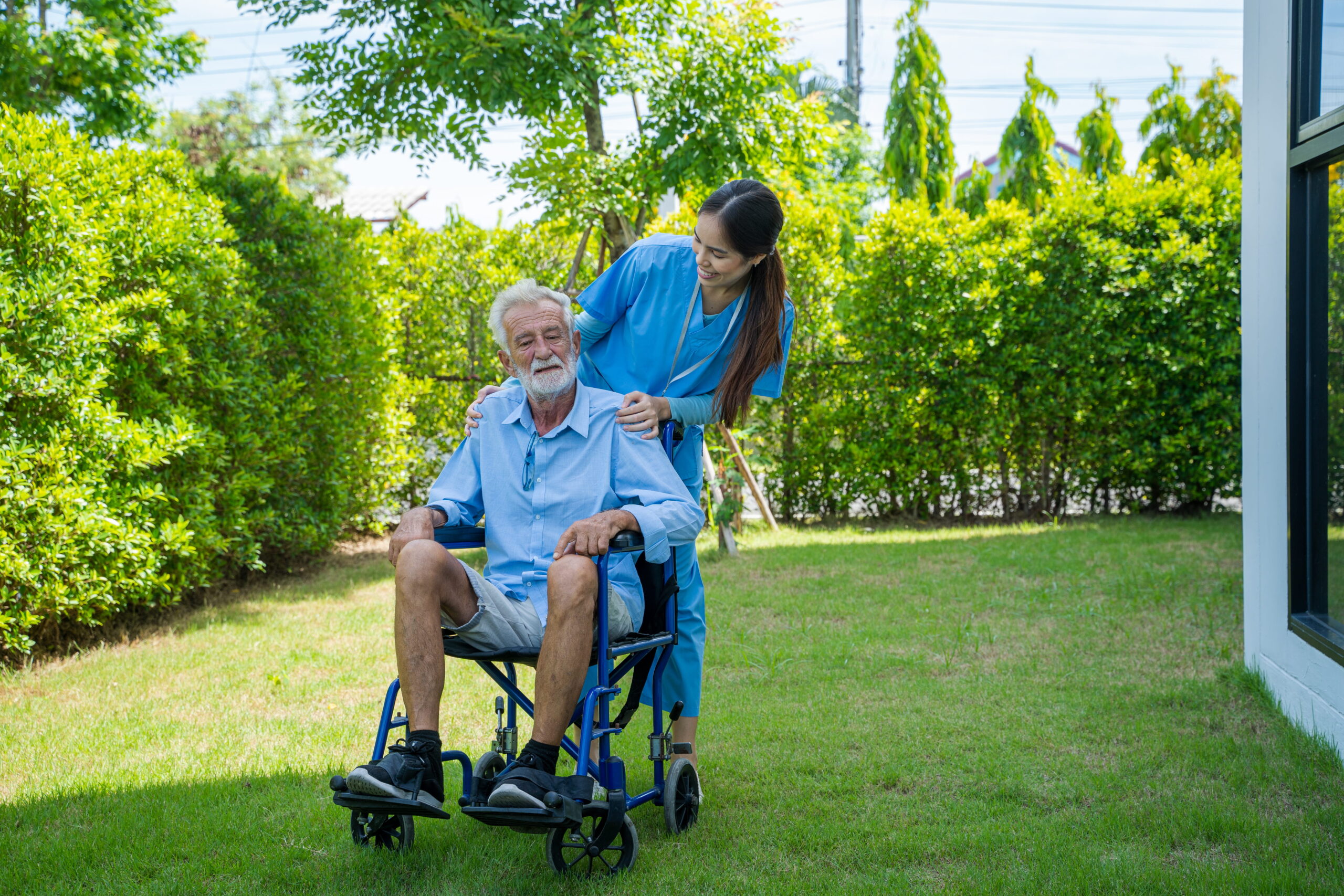
Imagine being a caregiver, juggling the needs of your loved one while trying to remember the latest medical advice or best practices for daily care. It’s like being thrown into a high-stakes game without a playbook! This is why training and support for caregivers in home care for seniors is not just helpful; it’s essential.
A whopping 66% of family caregivers report feeling overwhelmed by the responsibilities they face. And while love is a powerful motivator, it doesn’t come with an instruction manual. This gap in knowledge can lead to burnout, which ultimately affects both the caregiver and the senior receiving care.
The Importance of Training
Training equips caregivers with practical skills and knowledge that can make all the difference. From understanding medication management to mastering mobility assistance techniques, proper training helps caregivers feel more confident and capable. Consider Jane, who was new to caregiving for her father after his stroke. With specialized training on how to assist him safely during transfers, she went from anxious to assured, allowing her father to maintain his dignity.
- Medication management: Understanding dosages and schedules.
- Mobility assistance: Safe techniques for helping seniors move.
- Emergency response: Knowing what to do in case of a fall or health crisis.
- Communication skills: Effectively interacting with seniors who may have cognitive impairments.
Proper training leads to better care outcomes and enhances the caregiver’s confidence.
‘Ongoing Support is Key
‘Training isn’t a one-and-done deal; ongoing support is crucial. Caregiving can be isolating, especially when family members are juggling their own lives alongside caregiving duties. Support groups—whether in-person or online—offer a community where caregivers can share experiences, vent frustrations, and exchange tips.
‘Take Mark, who found himself struggling after his mother’s health declined. Joining an online support group connected him with others facing similar challenges. Not only did he gain practical advice but also emotional support that made him feel less alone in his journey.
- ‘Local caregiver workshops: Hands-on learning experiences.
- ‘Online forums: A space for sharing stories and advice.
- ‘Regular check-ins with healthcare professionals: Ensuring everyone is on the same page regarding care needs.
Resources Available for Caregiver Training
There are numerous resources available today aimed at enhancing caregiver skills. From local community centers offering free workshops to online platforms providing comprehensive courses on various aspects of senior care—finding help has never been easier!
- National Family Caregiver Support Program: Provides resources and information tailored for family caregivers.
- Alzheimer’s Association Training Programs: Specialized training focused on dementia care.
- Online platforms like Coursera or Udemy offer courses on caregiving basics.
Investing time in training leads to better outcomes for both caregivers and seniors!
Imagine being a caregiver, juggling the needs of your loved one while trying to remember the latest medical advice or best practices for daily care. It’s like being thrown into a high-stakes game without a playbook! This is why training and support for caregivers in home care for seniors is not just helpful; it’s essential.
A whopping 66% of family caregivers report feeling overwhelmed by the responsibilities they face. And while love is a powerful motivator, it doesn’t come with an instruction manual. This gap in knowledge can lead to burnout, which ultimately affects both the caregiver and the senior receiving care.
The Importance of Training
Training equips caregivers with practical skills and knowledge that can make all the difference. From understanding medication management to mastering mobility assistance techniques, proper training helps caregivers feel more confident and capable. Consider Jane, who was new to caregiving for her father after his stroke. With specialized training on how to assist him safely during transfers, she went from anxious to assured, allowing her father to maintain his dignity.
- Medication management: Understanding dosages and schedules.
- Mobility assistance: Safe techniques for helping seniors move.
- Emergency response: Knowing what to do in case of a fall or health crisis.
- Communication skills: Effectively interacting with seniors who may have cognitive impairments.
Proper training leads to better care outcomes and enhances the caregiver’s confidence.
‘Ongoing Support is Key
‘Training isn’t a one-and-done deal; ongoing support is crucial. Caregiving can be isolating, especially when family members are juggling their own lives alongside caregiving duties. Support groups—whether in-person or online—offer a community where caregivers can share experiences, vent frustrations, and exchange tips.
‘Take Mark, who found himself struggling after his mother’s health declined. Joining an online support group connected him with others facing similar challenges. Not only did he gain practical advice but also emotional support that made him feel less alone in his journey.
- ‘Local caregiver workshops: Hands-on learning experiences.
- ‘Online forums: A space for sharing stories and advice.
- ‘Regular check-ins with healthcare professionals: Ensuring everyone is on the same page regarding care needs.
Resources Available for Caregiver Training
There are numerous resources available today aimed at enhancing caregiver skills. From local community centers offering free workshops to online platforms providing comprehensive courses on various aspects of senior care—finding help has never been easier!
- National Family Caregiver Support Program: Provides resources and information tailored for family caregivers.
- Alzheimer’s Association Training Programs: Specialized training focused on dementia care.
- Online platforms like Coursera or Udemy offer courses on caregiving basics.
Investing time in training leads to better outcomes for both caregivers and seniors!
Evaluating Quality of Home Care Services
Did you know that nearly 60% of families report dissatisfaction with the quality of home care services they selected? It’s a staggering statistic that underscores the importance of evaluating care options thoroughly. When it comes to home care for seniors, making the right choice can mean the difference between a nurturing environment and a frustrating experience.
Consider this: your aging parent needs assistance, but they also deserve dignity and respect in their daily lives. If you’re not careful, you could end up with a caregiver who treats them like a task on a to-do list rather than an individual with unique needs. So how do you sift through the myriad of options to find quality home care services that truly cater to your loved one?
Key Indicators of Quality Care
When evaluating home care for seniors, look for specific indicators that signal quality service. Here’s what to keep an eye out for:
- Staff Qualifications: Ensure caregivers are trained and certified in areas relevant to your loved one’s needs.
- Personalized Care Plans: Quality services tailor their approach based on individual assessments.
- Communication Skills: Caregivers should exhibit empathy and patience while communicating.
- Positive Reviews: Seek testimonials or references from other families who have used the service.
- Transparency: Agencies should be open about their policies, fees, and caregiver backgrounds.
Quality home care is not just about tasks; it’s about building relationships.
‘The Importance of Compatibility
‘Compatibility between the caregiver and your loved one is paramount. Just like finding a good pair of shoes, if it doesn’t fit right, it’s going to cause discomfort! Schedule a meet-and-greet where your parent can interact with potential caregivers. Pay attention to how they communicate—does your loved one light up when speaking with them or do they seem reserved? This initial interaction can provide invaluable insight into whether the match will work.
‘Monitoring Ongoing Care
‘Once you’ve selected a service, don’t just set it and forget it! Regularly check in on how things are going. This includes observing interactions, asking your loved one about their experiences, and maintaining communication with caregivers. A proactive approach ensures that any issues are addressed before they escalate into larger problems.
Evaluating home care services might feel daunting at first, but taking these steps can significantly impact your loved one’s quality of life. Remember, you’re not just hiring help; you’re choosing someone who will become part of their daily routine. So take your time—your loved one deserves nothing less than exceptional care.
Did you know that nearly 60% of families report dissatisfaction with the quality of home care services they selected? It’s a staggering statistic that underscores the importance of evaluating care options thoroughly. When it comes to home care for seniors, making the right choice can mean the difference between a nurturing environment and a frustrating experience.
Consider this: your aging parent needs assistance, but they also deserve dignity and respect in their daily lives. If you’re not careful, you could end up with a caregiver who treats them like a task on a to-do list rather than an individual with unique needs. So how do you sift through the myriad of options to find quality home care services that truly cater to your loved one?
Key Indicators of Quality Care
When evaluating home care for seniors, look for specific indicators that signal quality service. Here’s what to keep an eye out for:
- Staff Qualifications: Ensure caregivers are trained and certified in areas relevant to your loved one’s needs.
- Personalized Care Plans: Quality services tailor their approach based on individual assessments.
- Communication Skills: Caregivers should exhibit empathy and patience while communicating.
- Positive Reviews: Seek testimonials or references from other families who have used the service.
- Transparency: Agencies should be open about their policies, fees, and caregiver backgrounds.
Quality home care is not just about tasks; it’s about building relationships.
‘The Importance of Compatibility
‘Compatibility between the caregiver and your loved one is paramount. Just like finding a good pair of shoes, if it doesn’t fit right, it’s going to cause discomfort! Schedule a meet-and-greet where your parent can interact with potential caregivers. Pay attention to how they communicate—does your loved one light up when speaking with them or do they seem reserved? This initial interaction can provide invaluable insight into whether the match will work.
‘Monitoring Ongoing Care
‘Once you’ve selected a service, don’t just set it and forget it! Regularly check in on how things are going. This includes observing interactions, asking your loved one about their experiences, and maintaining communication with caregivers. A proactive approach ensures that any issues are addressed before they escalate into larger problems.
Evaluating home care services might feel daunting at first, but taking these steps can significantly impact your loved one’s quality of life. Remember, you’re not just hiring help; you’re choosing someone who will become part of their daily routine. So take your time—your loved one deserves nothing less than exceptional care.