Pilates Moves Every Elderly Person Should Try
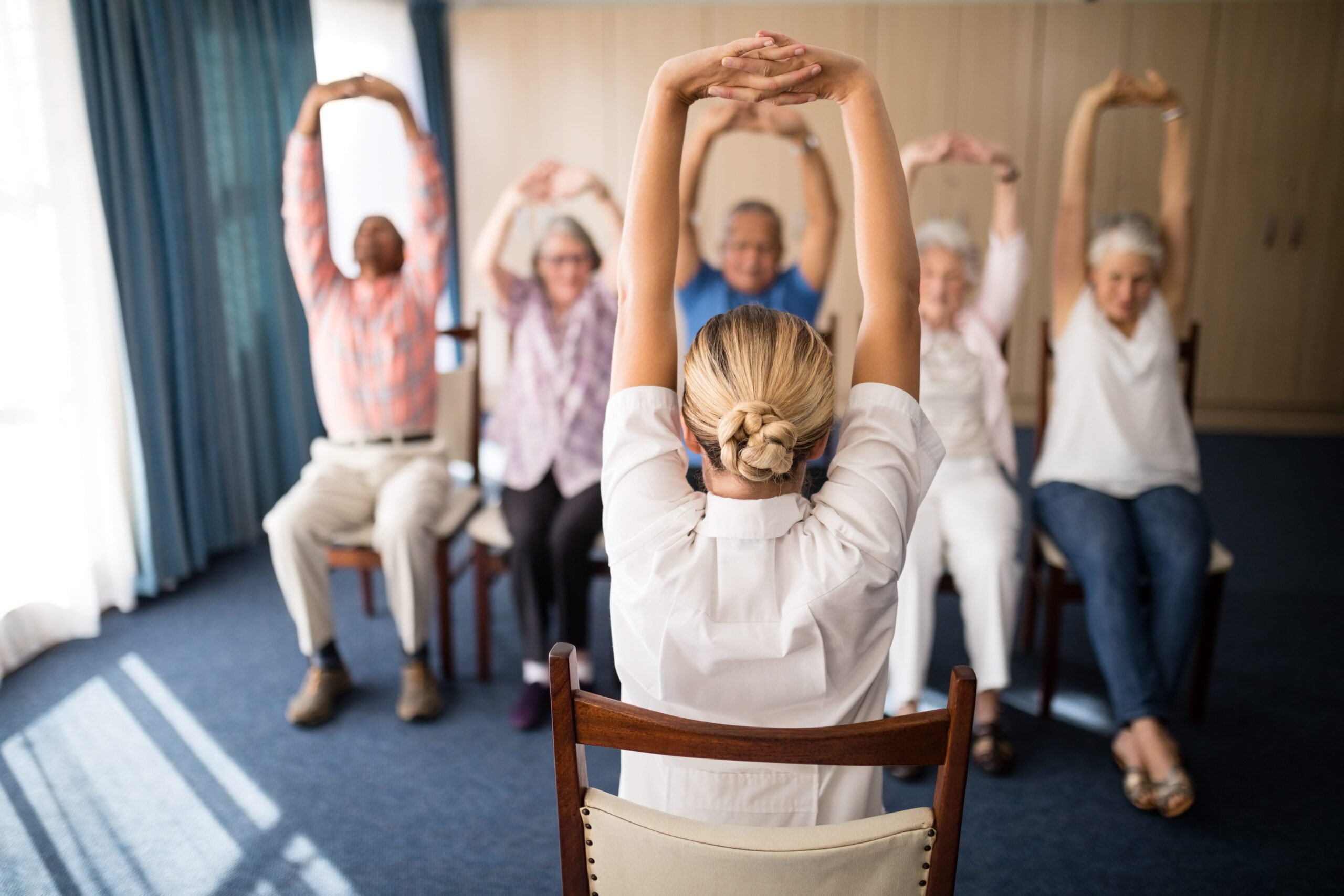
Growing older doesn’t mean saying goodbye to fitness and flexibility. In fact, for seniors, staying active is like discovering a secret fountain of youth right from the comfort of your favorite chair.
Imagine transforming your living room into a personal wellness studio, where gentle movements can restore strength, improve circulation, and boost overall well-being—all without standing up.
As we age, traditional exercise routines can feel intimidating or even impossible. Joint stiffness, balance challenges, and limited mobility often discourage seniors from staying physically active. But what if we told you that powerful seated exercises can be your gateway to maintaining independence and vitality?
“Movement is medicine for creating change in a person’s physical, emotional, and mental states.” – Carol Welch
Seated Pilates offers a revolutionary approach to senior fitness. These carefully designed movements aren’t just exercises—they’re gentle interventions that can help maintain muscle tone, enhance flexibility, and support cardiovascular health, all while providing a sense of accomplishment and joy.
Whether you’re a senior looking to stay active, a caregiver seeking safe workout options, or a family member wanting to support a loved one’s wellness journey, these seated Pilates moves are your ticket to age-defying movement.
1. Seated Spine Twist: Improving Flexibility and Core Strength
Picture this: you’re sitting comfortably in your favorite chair, ready to unlock a world of flexibility and core strength with just a simple twist. The Seated Spine Twist is like a secret weapon in your mobility arsenal, designed to keep your spine supple and your core engaged—no standing required!
Why Spine Mobility Matters
As we age, our spine can become as stiff as a rusty hinge. But here’s the good news: this seated exercise is your WD-40 for spinal mobility. It’s not just about twisting; it’s about maintaining the crucial range of motion that helps you:
- Reduce back pain and stiffness
- Improve posture and balance
- Enhance digestion and circulation
- Maintain core muscle strength
How to Perform the Seated Spine Twist
Don’t worry—this isn’t a contortionist act. Here’s a step-by-step guide that even the least flexible person can master:
- Sit tall in a sturdy chair with your feet flat on the floor
- Place your hands on the armrests or beside your hips for support
- Take a deep breath and lengthen your spine
- Slowly rotate your upper body to one side, keeping your hips facing forward
- Hold for 3-5 seconds, feeling a gentle stretch
- Return to center and repeat on the other side
Pro Tips for Maximum Benefits
Think of this exercise like a gentle massage for your spine. Start slow, listen to your body, and remember: it’s not about how far you can twist, but how mindfully you move.
Tip: If you feel any sharp pain, stop immediately. Gentle discomfort is okay, but pain is your body’s stop sign.
The beauty of the Seated Spine Twist is its versatility. Whether you’re dealing with arthritis, recovering from an injury, or simply wanting to maintain mobility, this exercise adapts to your body’s needs. It’s like a daily tune-up for your internal machinery.
Pro insight: Consistent practice can help improve your overall quality of life, making everyday movements easier and more comfortable.
2. Chair Leg Lifts: Strengthening Lower Body Muscles
Let’s talk about a game-changing exercise that transforms your chair into a powerful fitness tool: Chair Leg Lifts. This isn’t just another mundane movement—it’s your secret weapon for building lower body strength without ever leaving your seat.
Why Lower Body Strength Matters
Imagine maintaining the muscle power to walk confidently, prevent falls, and keep your independence. Chair Leg Lifts are like a strength-building superhero for seniors, targeting crucial muscle groups that often get neglected as we age.
- Strengthens quadriceps and hip flexors
- Improves circulation in legs
- Enhances balance and stability
- Prevents muscle atrophy
The Perfect Technique: Step by Step
Don’t worry—this isn’t a complex gymnastics routine. Here’s how to master Chair Leg Lifts with confidence:
- Sit upright in a sturdy chair with feet flat on the floor
- Hold onto the chair’s sides for support
- Slowly lift one leg straight out in front
- Hold for 3-5 seconds
- Lower gently and repeat with the other leg
Pro Performance Tips
Remember: Quality trumps quantity. It’s not about how many repetitions you do, but how intentionally you move.
Think of these leg lifts like a daily maintenance routine for your body. Just 10-15 minutes can make a significant difference in your muscle strength and overall mobility. The best part? You can do these while watching your favorite TV show or listening to music.
For those with limited mobility, start with smaller movements. Even lifting your leg a few inches makes a difference. Your body is incredibly adaptable—each small movement is a victory.
Safety First
Always listen to your body. If you experience pain (not just mild discomfort), stop immediately. Consider consulting with a healthcare professional or a professional caregiver to personalize your exercise routine.
Pro insight: Consistent practice can help maintain muscle mass, improve balance, and boost confidence in your physical abilities. It’s not just exercise—it’s a celebration of what your body can do!
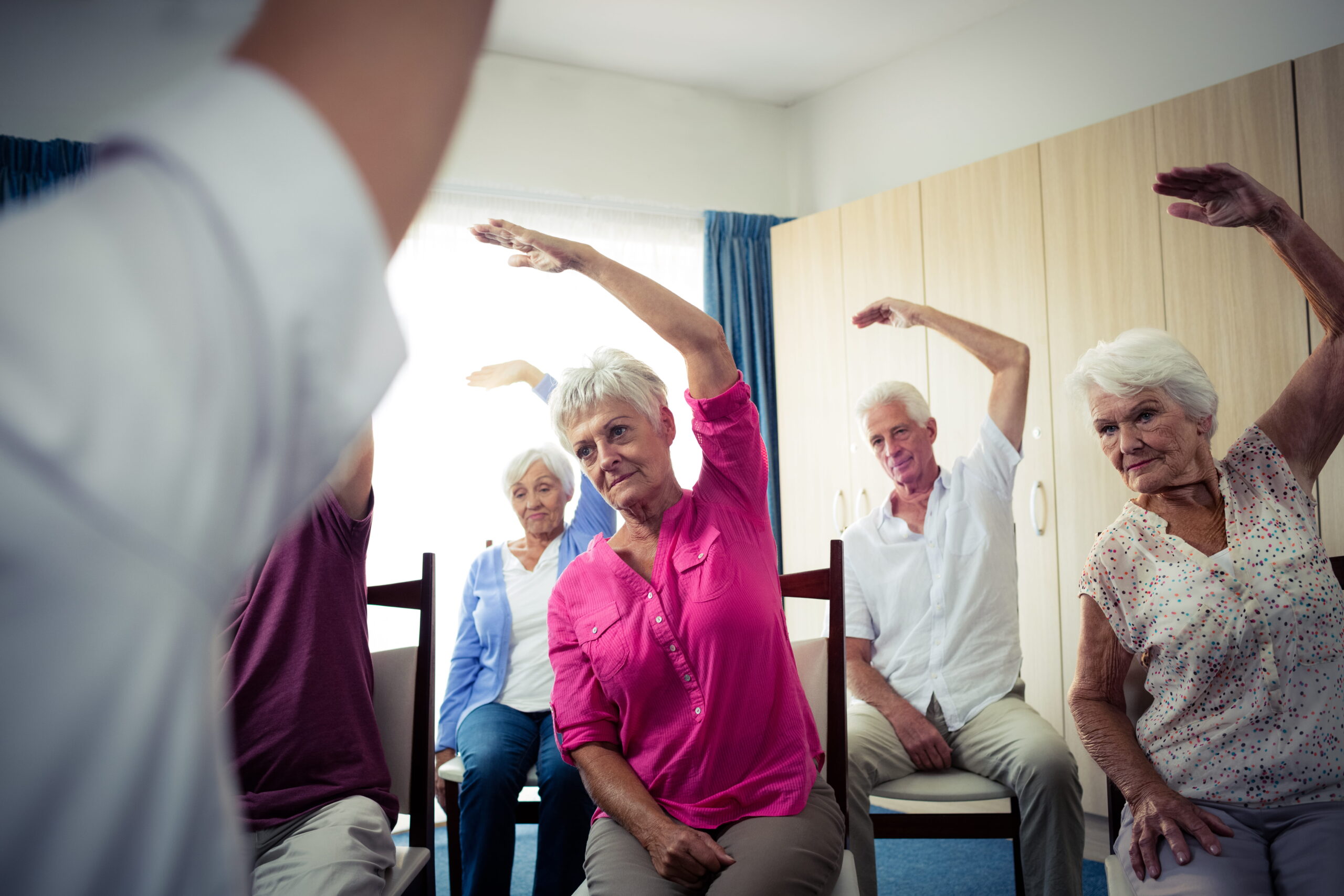
3. Seated Arm Circles: Enhancing Upper Body Mobility
Think your arms are destined for a life of limited movement? Think again! Seated Arm Circles are like a magical reset button for your upper body mobility, transforming stiff shoulders and tight muscles into a symphony of fluid motion—all while comfortably seated.
The Upper Body’s Hidden Potential
Our shoulders and arms are complex networks of muscles that often get neglected as we age. These simple circular movements aren’t just exercises; they’re a passport to maintaining independence, reducing joint stiffness, and keeping your upper body as flexible as a yoga master—no standing required!
- Improves shoulder range of motion
- Increases blood circulation in upper body
- Reduces risk of shoulder and arm injuries
- Helps maintain muscle strength and flexibility
Perfect Technique: Arm Circles Demystified
Don’t worry—this isn’t a complex choreography. Here’s how to master Seated Arm Circles with grace and ease:
- Sit upright in a sturdy chair with feet flat on the floor
- Extend arms out to the sides at shoulder height
- Make small, controlled circular motions forward
- Repeat 10-15 times
- Reverse the direction, making circles backward
Pro Performance Insights
Think of arm circles like oiling a vintage machine—gentle, consistent movements that keep everything running smoothly. The key is smooth, controlled motion, not wild windmilling that might strain your muscles.
Tip: Start with smaller circles and gradually increase size as you feel more comfortable. Your body will thank you!
For those with arthritis or limited mobility, modifications are your best friend. Even tiny circles or partial movements can make a significant difference. It’s not about perfection—it’s about progress.
Beyond the Physical: The Mental Benefits
Seated arm circles aren’t just physical exercise—they’re a form of mindful movement. Each rotation is a moment of connection between your body and mind, a small meditation in motion that can reduce stress and increase overall well-being.
Pro insight: Consistent practice can help maintain upper body flexibility, making everyday activities like reaching for items, hugging loved ones, or enjoying hobbies much easier. It’s about preserving your quality of life, one gentle circle at a time.
Remember, your body is incredibly adaptable. Whether you’re 65 or 85, these seated exercises can help you stay strong, mobile, and confident. Your journey of movement doesn’t end—it simply transforms.
4. Chair Breathing and Core Engagement
Breathing might seem like something you do automatically, but what if I told you that intentional breathing can be a powerful fitness tool? Welcome to Chair Breathing and Core Engagement—a practice that transforms your seated position into a dynamic core strengthening session.
The Powerful Connection: Breath and Core
Your core isn’t just about six-pack abs—it’s a complex network of muscles that stabilizes your entire body. By combining strategic breathing with subtle movements, you can activate deep muscle groups, improve posture, and enhance overall body strength—all from the comfort of your chair.
- Strengthens deep abdominal muscles
- Improves respiratory function
- Reduces lower back strain
- Enhances mind-body connection
The Technique: Mindful Breathing Meets Core Activation
This isn’t your average breathing exercise. Here’s a step-by-step guide to transforming simple breaths into a powerful core workout:
- Sit upright with feet flat on the floor
- Place hands gently on your lower abdomen
- Inhale deeply through your nose for 4 counts, feeling your belly expand
- Exhale slowly through your mouth for 6 counts, drawing your navel toward your spine
- As you exhale, subtly engage your core muscles
Breathwork: More Than Just Oxygen
Breathing is the first act of life and the last. Our very life depends on it. — Elizabeth Brown
Think of this exercise as internal strength training. Each breath is like a gentle massage for your internal muscles, helping to:
- Reduce stress and anxiety
- Improve digestion
- Boost immune function
- Enhance overall body awareness
Modifications for Every Body
Don’t worry if deep breathing feels challenging. Start with smaller breaths and shorter durations. Your body is incredibly adaptive, and every intentional breath is a step toward better health.
For seniors with respiratory conditions or limited mobility, always consult your healthcare provider before starting any new exercise routine. A professional caregiver can also provide personalized guidance.
Pro insight: Consistent practice can transform this from an exercise into a daily ritual of self-care. It’s not just about strengthening muscles—it’s about creating a moment of mindfulness and connection with your body.
Remember, fitness isn’t about perfection—it’s about progress. Each breath, each subtle movement is a celebration of what your body can do. Your chair isn’t just a seat; it’s your personal wellness studio.
5. Resistance Band Seated Workout
Resistance bands are like the Swiss Army knife of fitness equipment—compact, versatile, and incredibly effective, especially for seniors looking to build strength without heavy weights. These colorful, stretchy companions can transform your chair into a full-body workout station, offering a safe and adaptable way to maintain muscle tone and flexibility.
Why Resistance Bands Are Senior-Friendly
Unlike traditional weights, resistance bands provide smooth, continuous tension that’s gentle on joints while still challenging muscles. They’re lightweight, portable, and come in various resistance levels, making them the perfect tool for senior fitness routines.
- Low-impact muscle strengthening
- Minimal joint stress
- Improves muscle elasticity
- Enhances overall functional mobility
Essential Resistance Band Seated Exercises
Let’s turn your chair into a personal strength training studio with these targeted movements:
- Seated Chest Press: Wrap the band around your back, hold ends in each hand. Push forward, extending arms, then slowly return. This targets chest and arm muscles, improving upper body strength.
- Leg Extensions: Loop band around chair legs, place under feet. Extend one leg straight, feeling resistance. Builds quadricep strength and improves leg mobility.
- Seated Row: Extend legs, loop band around feet. Pull band toward chest, squeezing shoulder blades. Excellent for back muscles and posture improvement.
Safety and Progression Tips
Start light, go slow. Your body is your best instructor.
Begin with lighter resistance bands and fewer repetitions. As strength improves, gradually increase resistance and repetitions. Remember, consistency trumps intensity.
Choosing the Right Resistance Band
Bands are color-coded by resistance level. Start with lighter colors (yellow, green) and progress to medium (red) and heavier (blue, black) as you build strength. Always prioritize proper form over resistance level.
Pro tip: Keep bands away from direct sunlight and sharp objects. Check for wear and tear regularly to prevent unexpected snapping during exercises.
Beyond Physical Strength
These exercises aren’t just about muscle building. They’re about maintaining independence, boosting confidence, and proving that age is just a number. Each resistance band workout is a small victory in your wellness journey.
For personalized guidance, consider consulting a professional caregiver who can tailor exercises to your specific needs and health conditions.
Remember, your body is capable of remarkable things. These resistance band exercises are your passport to strength, flexibility, and continued vitality—all from the comfort of your favorite chair.
Always consult with a healthcare professional before starting any new exercise routine. These seated Pilates moves offer a gentle, effective way for seniors to stay active, improve mobility, and enhance overall quality of life.