
A Gateway to Enhanced Cognition in Older Adults
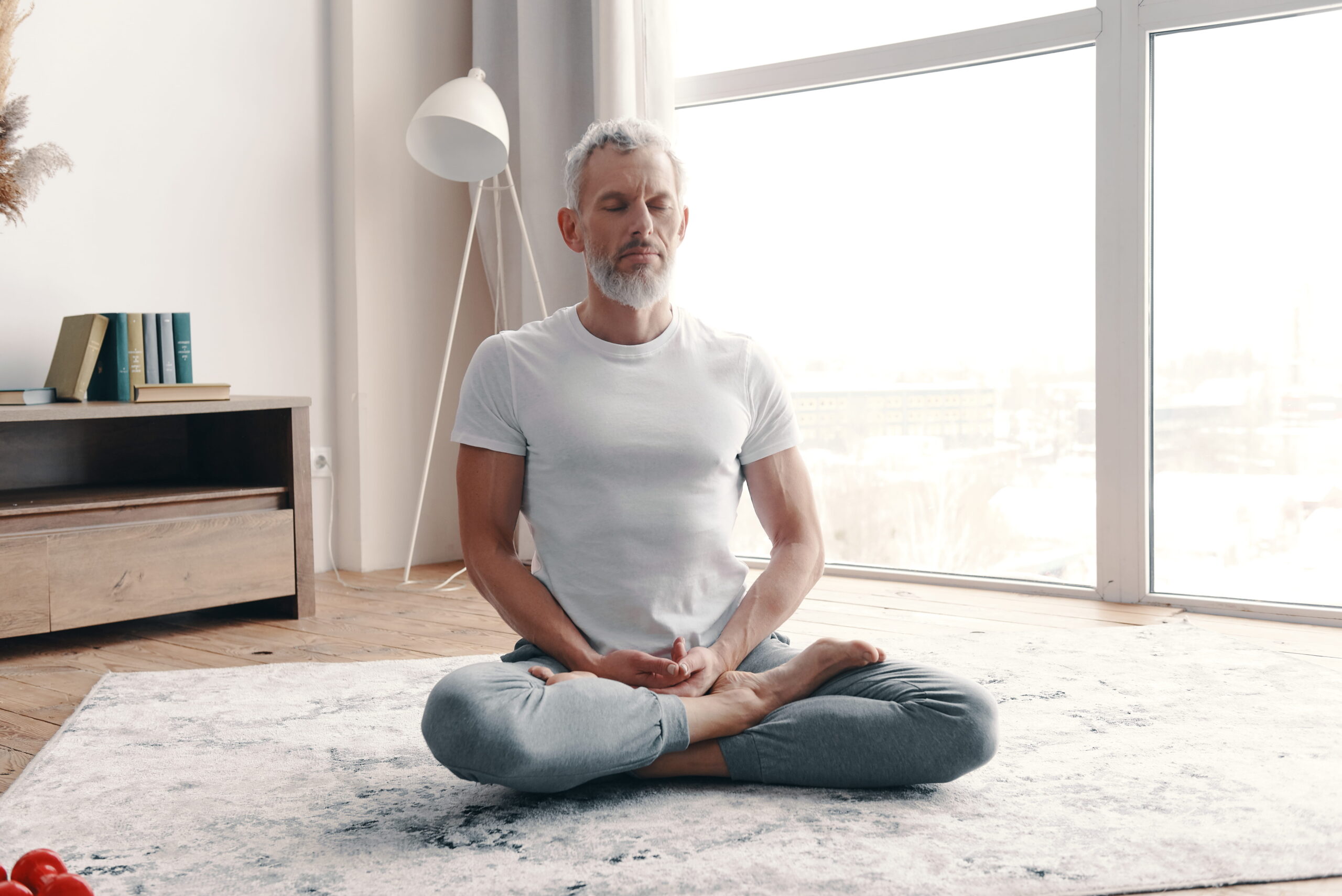
Imagine a serene landscape where your mind drifts effortlessly, untethered by daily stressors, gently exploring inner tranquility. This isn’t just a peaceful daydream—it’s the transformative power of mindful meditation, especially for seniors seeking brain stimulating activities that go beyond traditional cognitive exercises.
As we age, our brains naturally undergo changes, but emerging research suggests that mindfulness isn’t just a trendy wellness practice—it’s a potent cognitive enhancer. Neuroscientists have discovered that consistent meditation can actually rewire neural pathways, potentially slowing cognitive decline and boosting mental resilience.
The Cognitive Symphony of Meditation
Think of your brain as a complex musical instrument. Meditation acts like a skilled tuner, helping to recalibrate and optimize cognitive performance. For seniors, this means:
- Improved memory retention
- Enhanced focus and concentration
- Reduced age-related mental fatigue
- Increased emotional regulation
According to the Alzheimer’s Association, engaging in regular mental exercises can help maintain brain health and may reduce the risk of Alzheimer’s disease—making meditation a powerful ally in cognitive preservation.
Getting Started: Simple Meditation Techniques
You don’t need to be a zen master to reap meditation’s benefits. Even 10-15 minutes daily can create significant neurological improvements. Consider these beginner-friendly approaches:
- Breath Awareness: Focus on inhaling and exhaling, gently redirecting wandering thoughts
- Guided Visualization: Use audio resources or apps that provide calming narratives
- Body Scan Meditation: Systematically relax each body part, promoting mind-body connection
Pro tip: Combine meditation with other brain-stimulating activities for seniors like puzzles or gentle learning to create a comprehensive cognitive wellness routine.
“The mind is everything. What you think, you become.” – Buddha
Remember, meditation isn’t about achieving perfection—it’s about consistent, compassionate practice. Each moment of mindfulness is a gift to your aging brain, helping maintain its remarkable plasticity and resilience.
Understanding Cognitive Decline and Meditation
Cognitive decline isn’t an inevitable sentence, but a complex process influenced by multiple factors—genetics, lifestyle, and most intriguingly, our mental practices.
As we age, our brain’s neural networks naturally become less flexible, leading to slower processing speeds and potential memory challenges. However, meditation emerges as a powerful neurological intervention, offering hope and tangible cognitive protection.
Neuroplasticity—the brain’s incredible ability to reorganize itself—becomes our secret weapon. Think of your brain like a sophisticated computer that can continuously update its software. Meditation acts as that critical update, helping rewire neural connections and potentially mitigating age-related cognitive deterioration.
The Science Behind Mental Aging
Research reveals fascinating insights into how our brains change over time. Certain brain regions, like the hippocampus responsible for memory formation, can actually shrink with age. But here’s the exciting part: mindful meditation has been scientifically proven to counteract this shrinkage.
- Meditation increases gray matter density
- Enhances neurogenesis (creation of new brain cells)
- Reduces inflammation linked to cognitive decline
- Promotes better neural connectivity
A groundbreaking study published in the Journal of Alzheimer’s Disease demonstrated that consistent meditation could potentially slow down cognitive aging by up to 7.5 years. That’s not just hope—that’s measurable, scientific progress.
Simple Meditation Techniques for Seniors
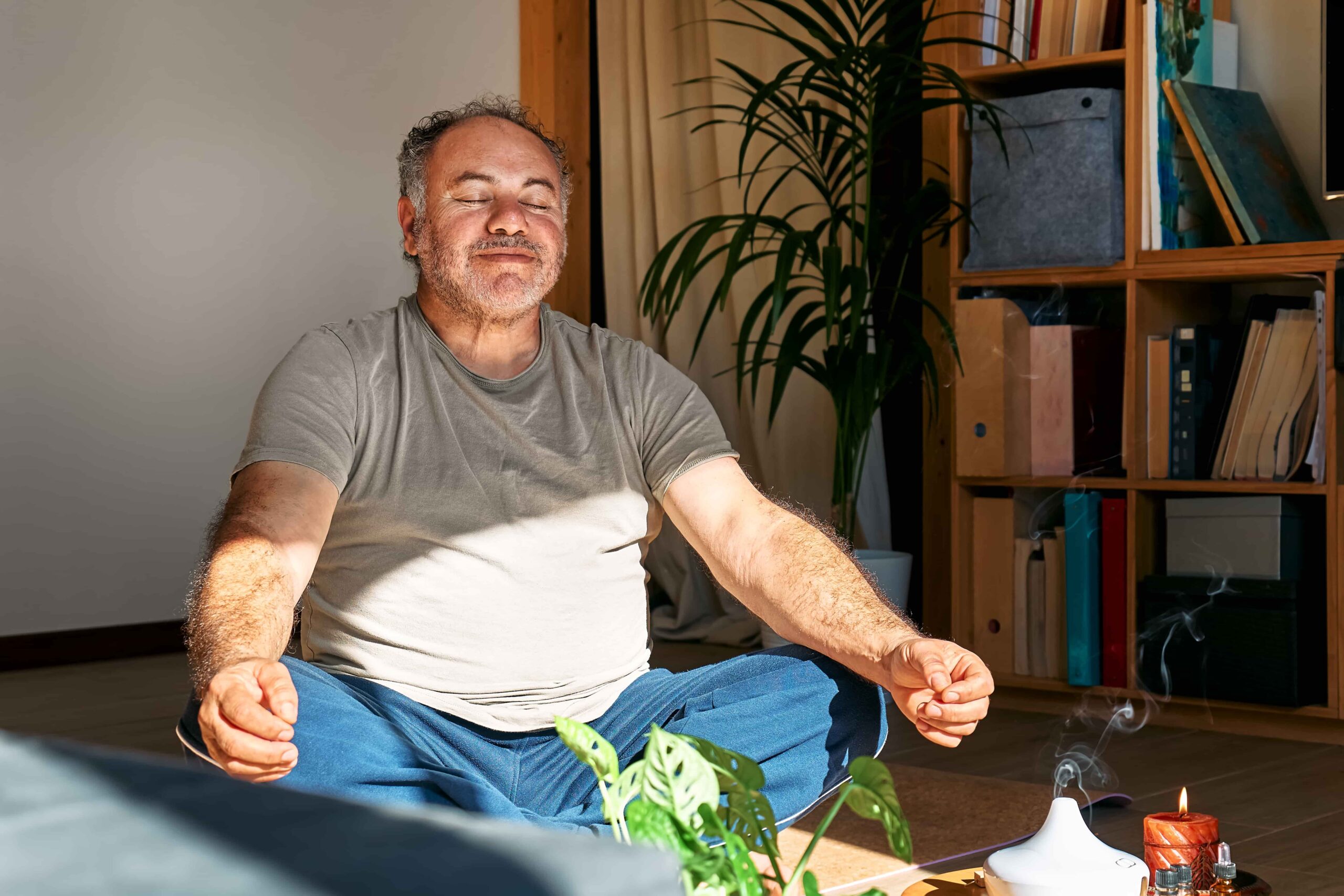
Embarking on a meditation journey doesn’t require superhuman flexibility or hours of silent contemplation. For seniors seeking brain stimulating activities, meditation offers a gentle yet powerful approach to cognitive wellness that can be practiced right from the comfort of your favorite armchair.
Breath-Focused Meditation: Your Anchor to Calm
Let’s start with the simplest technique that requires nothing more than your natural breathing. Sit comfortably in a chair, feet flat on the floor, and close your eyes. Focus on your breath—not controlling it, just observing its natural rhythm. When your mind wanders (and it will), gently guide it back to your breathing.
- Duration: Start with 5-10 minutes daily
- Benefits: Reduces anxiety, improves concentration
- Pro Tip: Use a soft timer to avoid clock-watching
Guided Visualization: A Mental Adventure
Who says mental exercises can’t be fun? Guided meditation transforms your mind into a playground of imagination. Use smartphone apps or online resources that offer senior-friendly guided sessions. Imagine walking through a peaceful garden, feeling the warmth of sunlight, hearing gentle bird songs—all while giving your brain a delightful workout.
Body Scan Meditation: A Gentle Internal Massage
Think of this as a mental check-in with your body. Starting from your toes and moving upward, focus on each body part. Notice sensations without judgment. Is your left foot feeling warm? Are your shoulders holding tension? This technique not only promotes relaxation but also enhances body awareness and mindfulness.
- Begin at your toes
- Slowly move up through legs, torso, arms
- Reach your head and scalp
- Breathe deeply throughout
Chair Yoga Meditation: Movement Meets Mindfulness
For seniors who find sitting still challenging, chair yoga meditation offers a dynamic alternative. Combine gentle stretches with breath awareness. Rotate your shoulders, stretch your neck, and synchronize these movements with your breathing. It’s like giving your body and brain a simultaneous tune-up!
“Age is just a number. Mindfulness is timeless.” – Anonymous
Overcoming Common Meditation Myths
Let’s bust some meditation misconceptions:
- Myth: “I can’t meditate because my mind is too busy” Reality: A busy mind is normal—meditation is about observing, not controlling
- Myth: “I’m too old to start meditating” Reality: Your brain remains plastic and adaptable at any age
Tracking Your Progress
Consider keeping a simple meditation journal. Note not just duration, but how you feel before and after. This isn’t about perfection, but gentle self-observation. You might notice subtle shifts in mood, sleep quality, or overall well-being.
“The present moment is filled with joy and happiness. If you are attentive, you will see it.” – Thich Nhat Hanh
Remember, meditation is a skill—not a performance. Some days you’ll feel zen, other days scattered. Both experiences are valuable. The magic lies in showing up consistently, with curiosity and compassion towards yourself.
Your brain is ready for this adventure. Are you prepared to explore a world of inner calm and cognitive resilience? Take a deep breath, and let’s begin.
Mindful meditation offers more than just a brain-stimulating activity—it’s a holistic approach to maintaining cognitive health, emotional balance, and overall well-being. By incorporating these practices into daily life, seniors can take proactive steps toward preserving mental sharpness and enjoying a more fulfilling life.