
A Senior’s Guide to Safe and Effective Exercise
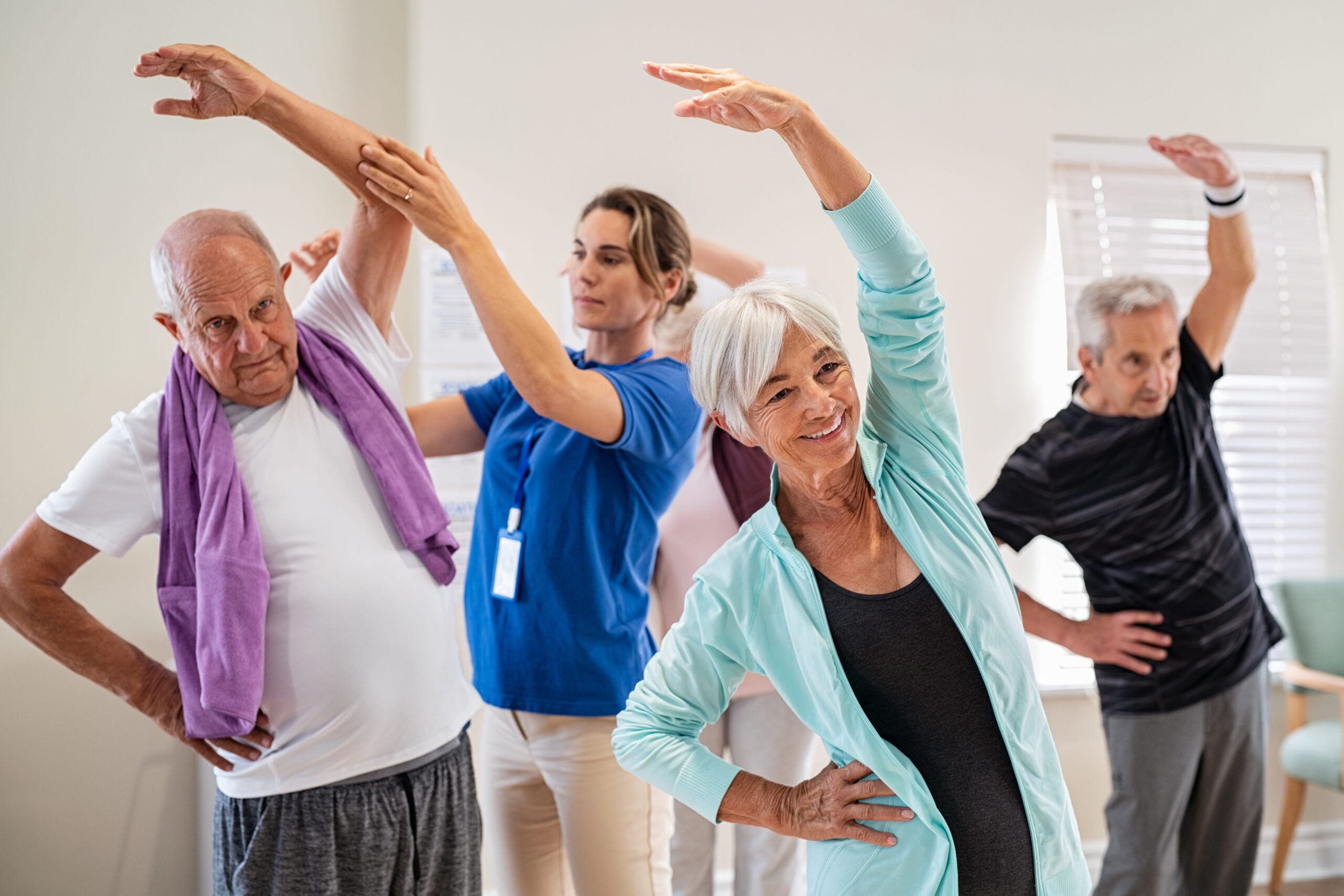
As we age, maintaining an active lifestyle becomes increasingly vital for our overall health, independence, and enjoyment of life. Regular physical activity offers a wealth of benefits, from preventing chronic diseases and boosting our mood to enhancing our strength and balance. In today’s digital age, many seniors are turning to the internet to find guidance and support for staying fit and healthy.
This guide addresses common questions and concerns seniors have about exercise and provides an in-depth look at ten safe and effective exercises that can help you stay active and independent. Remember, it’s never too late to start moving and making positive changes for your well-being.
Understanding Seniors’ Online Exercise Inquiries
Seniors are increasingly aware of the importance of staying healthy and are proactively seeking information online to support their fitness goals. Many understand that maintaining good health is crucial as they age and recognize that it’s never too late to begin exercising. A primary motivation for seniors exploring exercise online is the desire to maintain their current lifestyle and continue enjoying their favorite activities. Preserving independence is another key driver, with physical strength being a significant factor in achieving this. Seniors are also looking for ways to maintain mental sharpness and the energy needed to pursue meaningful activities.
However, several concerns and barriers often prevent seniors from engaging in regular exercise. A common worry is whether they are too old to start exercising. It’s important to remember that benefits can be gained at any age. The fear of falling and getting injured is another significant concern , highlighting the need for guidance on safe exercise practices. Existing pain and discomfort, possibly from conditions like arthritis, can also be a major obstacle. Financial constraints and a lack of motivation or confidence can also play a role.
Seniors actively seek specific information about exercise, often wondering about the most appropriate types of activities for their age group. They also want to know how much exercise is recommended and how to perform exercises correctly to avoid injury. The possibility of building muscle after 50 is another topic of interest , as is maintaining motivation and understanding the broader benefits of exercise for both physical and mental well-being.
In-Depth Review of 10 Recommended Exercises
Here’s a closer look at ten safe and effective exercises for seniors, addressing common questions and concerns:
1. Wall Push-ups: This exercise is a great way to strengthen your chest, shoulders, and back. Stand facing a wall, place your hands at shoulder height and slightly wider than shoulder-width apart. Lean towards the wall, bending your elbows, until your chest is close to it . Then, push back to the starting position. Wall push-ups are easier on the joints than traditional push-ups and can be modified by adjusting your distance from the wall – closer for easier, further for more challenging. Ensure the wall is stable and avoid letting your hips sag.
2. Walking: Walking is a fantastic exercise that improves balance, muscle strength, and overall health. Aim for at least 150 minutes of moderate-intensity walking per week, such as 30 minutes five days a week. Even short walks of 10 minutes can be beneficial. Moderate intensity means you can talk comfortably but not sing. Wear supportive shoes, choose safe, well-lit routes, and be aware of your surroundings. Walking improves cardiovascular health, helps manage blood sugar, strengthens bones and muscles, and boosts mood.
3. Sit-to-Stand Exercise: This exercise works your leg and core muscles, crucial for maintaining independence. Sit in a sturdy chair without armrests , with your feet flat on the floor. Lean forward slightly and stand up slowly without using your hands. Then, sit back down with control. For an easier version, use a higher chair or add a cushion. This exercise improves strength for everyday activities like getting in and out of chairs and beds.
4. Yoga: Yoga is excellent for improving flexibility, strength, balance, and mindfulness. Try gentle yoga poses adapted for seniors, and consider chair yoga if getting down on the floor is difficult. Beginner-friendly poses include Mountain Pose, Chair Pose, and gentle stretches. Yoga can help reduce stress, improve sleep, and alleviate joint pain. Always listen to your body and avoid poses that cause pain.
5. Toe Raises: Stand behind a sturdy chair or countertop for balance. Keeping your heels on the ground, slowly lift your toes as high as you comfortably can. Hold for a moment and then lower them back down. This exercise strengthens the shin muscles and improves balance.
6. Heel Raises: Using the same support as for toe raises , stand with your feet flat on the floor. Slowly lift your heels off the ground, rising onto the balls of your feet. Hold briefly and then lower your heels. This strengthens your calf muscles and also helps with balance and ankle stability.
7. Leg Raises: These can be done standing with support or seated. For a standing front leg raise, hold onto a chair and lift one leg straight forward without bending your knee . For a side leg raise, lift your leg out to the side . These exercises strengthen hip, thigh, and buttock muscles, improving balance and stability. Avoid lifting your leg too high to prevent back strain.
8. Hip Abduction: Stand with your feet hip-width apart, holding onto a chair or wall . Keeping your knee straight, lift one leg out to the side, away from your body . Hold for a moment and then slowly lower it . Repeat with the other leg . This exercise strengthens the outer hip muscles, which are important for stability during walking and preventing falls.
9. Arm Stretches: Regular arm stretches improve range of motion and flexibility in the upper body. Simple stretches include raising your arms overhead, stretching one arm across your chest, and reaching one arm behind your back and gently pulling it with the other hand . Hold each stretch for 10-30 seconds and breathe deeply. These stretches can make everyday tasks like reaching and dressing easier.
10. Core Crunches (Modified): Traditional crunches can strain your back and neck. Safer modifications include seated torso twists, seated leg lifts, and chair planks . For a seated torso twist, sit in a chair with your feet flat on the floor and gently twist your upper body from side to side . Focus on engaging your abdominal muscles without straining. A strong core improves balance, posture, and reduces the risk of falls and back pain.
The Role of Online Forums and Communities
Online platforms and communities are valuable resources for seniors seeking exercise information and support. Websites like AARP , Reddit (r/over60, r/askoldpeople, r/RedditForGrownups) , and Senior Planet offer forums where seniors can ask questions, share experiences, and find motivation. Many seniors also participate in online fitness classes and virtual exercise programs, allowing them to exercise at home.
Guidance on Consulting a Healthcare Professional
It’s crucial for seniors to consult their doctor before starting any new exercise routine, especially if they have pre-existing health conditions . Discuss how exercise would benefit you, what activities to avoid, and if there are specific exercises that would be particularly helpful . Your doctor can assess your health, identify potential risks, and provide personalized advice.
Embrace an Active and Independent Life

Staying active is essential for seniors to maintain their health and independence. By understanding common concerns and embracing safe and effective exercises, you can significantly improve your quality of life. Utilize online resources for information and support, and always consult your healthcare professional before starting a new fitness program. Remember, every step you take towards an active lifestyle is a step towards a healthier and more fulfilling future.