
Customize Strength Exercises for Seniors with Limited Mobility

As we age, maintaining physical strength becomes more than just a fitness goal—it’s a gateway to independence, confidence, and quality of life. The journey to building strength training for older adults might seem challenging especially for seniors with limited mobility, but it’s far from impossible.
Our bodies are remarkably adaptable, and with the right approach, personalized home care strategies can transform strength training from a daunting task to an empowering experience.
Imagine reclaiming the ability to perform daily tasks with ease, reducing the risk of falls, and boosting your overall well-being—all from carefully designed strength exercises tailored to your unique capabilities. Recent research has illuminated a powerful truth: strength training isn’t just about muscle mass, but about enhancing mental resilience and emotional health. In fact, studies have shown that targeted strength exercises can significantly improve mood and reduce symptoms of depression and anxiety in older adults.
“Movement is medicine, and strength is your prescription for aging gracefully.” – Anonymous Senior Fitness Expert
Before diving into specific exercises, it’s crucial to understand that customization is key. Every senior’s body is different, with unique limitations and strengths. What works for one might not work for another, which is why consulting with healthcare professionals and understanding your personal physical condition is the first step towards creating an effective strength workout plan.
Understanding the Importance of Strength Exercises for Seniors
Strength exercises are not just about building muscle—they’re about preserving independence, enhancing quality of life, and defying the stereotypes of aging. As we grow older, our muscles naturally begin to lose mass and strength, a process called sarcopenia, which can dramatically impact daily functioning and overall health.
The Biological Imperative of Strength Training
Our bodies are incredibly adaptive systems that respond to physical challenges. For seniors, strength exercises serve multiple critical functions:
- Maintaining muscle mass and preventing age-related muscle loss
- Improving bone density and reducing the risk of osteoporosis
- Enhancing balance and reducing fall risks
- Supporting metabolic health and weight management
- Boosting cognitive function and mental well-being
Research indicates that seniors who engage in regular strength training can improve their functional abilities by up to 50%, dramatically enhancing their quality of life.
Beyond Physical Strength: Psychological Benefits
Strength training isn’t just a physical journey—it’s a psychological transformation. Studies have revealed that consistent resistance exercises can significantly improve mood, reduce symptoms of depression, and increase self-confidence among older adults.
Moreover, the sense of accomplishment from progressively mastering strength exercises can be profoundly empowering. It’s about proving to yourself that age is just a number and that your body is capable of remarkable adaptations.
Personalized Approach is Key
Every senior’s strength training journey is unique. Factors like existing health conditions, mobility limitations, and personal fitness goals require a customized approach. This is where professional guidance becomes crucial—ensuring safety, effectiveness, and sustainable progress.
Remember, strength training for seniors isn’t about lifting heavy weights or competing athletically. It’s about creating a sustainable, enjoyable fitness routine that supports your independence and vitality.
Assessing Individual Mobility and Limitations
Understanding your unique physical landscape is the cornerstone of designing effective strength exercises for seniors. Each individual’s mobility challenges are as unique as their fingerprint, requiring a nuanced, personalized approach to fitness.
Comprehensive Physical Assessment
Before embarking on any strength training journey, a thorough evaluation is essential. This isn’t just about measuring muscle strength—it’s about understanding your body’s current capabilities, limitations, and potential.
- Consult with your healthcare provider or a professional physiotherapist
- Conduct a detailed mobility screening
- Assess joint flexibility and range of motion
- Evaluate existing medical conditions or past injuries
- Understand current medication impacts on physical performance
Key Mobility Limitation Categories
Mobility limitations can stem from various sources, each requiring a tailored approach to strength building for seniors:
- Arthritis-Related Limitations: Reduced joint flexibility and potential pain during movement
- Neurological Conditions: Potential muscle weakness or coordination challenges
- Orthopedic Restrictions: Previous surgeries or chronic joint issues
- Balance and Stability Concerns: Risk of falls or reduced proprioception
Remember, limitations are not roadblocks—they’re simply detours on your fitness journey. With the right strategy, you can transform challenges into opportunities for strength and resilience.
Personalized Mobility Scoring
Consider creating a personal mobility score that evaluates:
- Range of motion in major joints
- Muscle strength in different body regions
- Balance and coordination
- Endurance levels
- Pain thresholds
This score isn’t about comparison—it’s about establishing a personalized baseline from which you can track progress and adjust your home workout strategy.
Professional Guidance Matters
While self-assessment is valuable, professional input is irreplaceable. A certified senior fitness specialist or physiotherapist can provide insights that transform generic advice into a precise, safe, and effective strength training plan.
Pro tip: Don’t be afraid to start small. Even minimal improvements in strength and mobility can lead to significant enhancements in daily functioning and overall quality of life.
Essential Equipment for Senior Strength Training
Embarking on a strength training journey doesn’t require a full gym setup. For seniors with limited mobility, the right equipment can make all the difference between a frustrating workout and an empowering experience. Think of these tools as your allies in building strength, not intimidating machinery.
Lightweight and Versatile Equipment Options
- Resistance Bands: The Swiss Army knife of senior fitness equipment. Lightweight, portable, and offering adjustable resistance, these colorful bands can target almost every muscle group without putting undue stress on joints.
- Hand Weights: Start small with 1-3 pound dumbbells. They’re perfect for building upper body strength and can be used while seated, making them ideal for seniors with mobility challenges.
- Stability Chairs: Not just for sitting! A sturdy chair with armrests becomes your workout partner for seated exercises, balance training, and support during standing movements.
Budget-Friendly Strength Training Essentials
You don’t need to break the bank to get started. Many effective senior strength training tools are surprisingly affordable:
- Resistance bands: $10-$20 per set
- Light dumbbells: $5-$15 each
- Stability ball: $20-$30
- Ankle weights: $15-$25
“The best gym is the one you already have—your home. The best equipment is what works for your body.” – Senior Fitness Wisdom
Safety First: Adaptive Equipment Considerations
When selecting equipment, prioritize safety and comfort. Look for:
- Non-slip grips
- Lightweight materials
- Ergonomic designs
- Adjustable resistance levels
Pro Tips for Equipment Selection
A little strategy goes a long way in choosing the right strength training tools:
- Start with lighter resistance and gradually increase
- Choose equipment that doesn’t cause pain or discomfort
- Consider consulting a physical therapist for personalized recommendations
- Invest in quality over quantity
Pro tip: Many local senior centers or home care services offer equipment lending or trial programs. Take advantage of these to find what works best for you without a significant upfront investment.
Remember, the most important “equipment” is your determination and positive attitude. These tools are simply helpers on your journey to strength and vitality.
Chair-Based Strength Exercises
Chair-based strength exercises are a game-changer for seniors with limited mobility. These exercises provide a safe, stable platform to build strength, improve flexibility, and boost confidence—all while minimizing the risk of falls or strain.
Why Chair Exercises Are Ideal for Seniors
Seated workouts offer multiple advantages:
- Provides stable support for those with balance issues
- Reduces joint stress during strength training
- Allows for targeted muscle group engagement
- Can be performed in the comfort of home
- Adaptable to various fitness levels
Upper Body Chair Strength Exercises
Transform your chair into a personal strength training station with these targeted movements:
- Seated Shoulder Press:
- Use light dumbbells or resistance bands
- Press weights overhead, engaging shoulder muscles
- Start with 8-10 repetitions, 2-3 sets
- Seated Arm Circles:
- Extend arms outward
- Make small and large circular motions
- Alternates forward and backward
“Strength doesn’t come from physical capacity. It comes from an indomitable will.” – Mahatma Gandhi
Lower Body Chair Strength Exercises
Build leg strength and stability without leaving your seat:
- Seated Leg Lifts:
- Straighten one leg, hold for 3-5 seconds
- Alternate legs
- Add ankle weights for increased resistance
- Chair Marches:
- Lift knees alternately, mimicking a marching motion
- Engage core muscles
- Maintain upright posture
Core Strengthening While Seated
A strong core supports overall mobility and prevents back pain:
- Seated Twists: Rotate torso side to side
- Chair Crunches: Engage abdominal muscles while seated
- Posture Holds: Maintain an upright, engaged core position
Safety and Progression Tips
Remember these crucial guidelines for safe senior strength training:
- Start with low repetitions and minimal resistance
- Listen to your body and stop if experiencing pain
- Consult healthcare professionals before starting
- Stay hydrated and take breaks as needed
Every small movement is a victory. Celebrate your progress, no matter how modest it might seem.
Pro tip: Consider working with a professional home care service that can provide personalized guidance and ensure you’re performing exercises safely and effectively.

Low-Impact Resistance Training Techniques
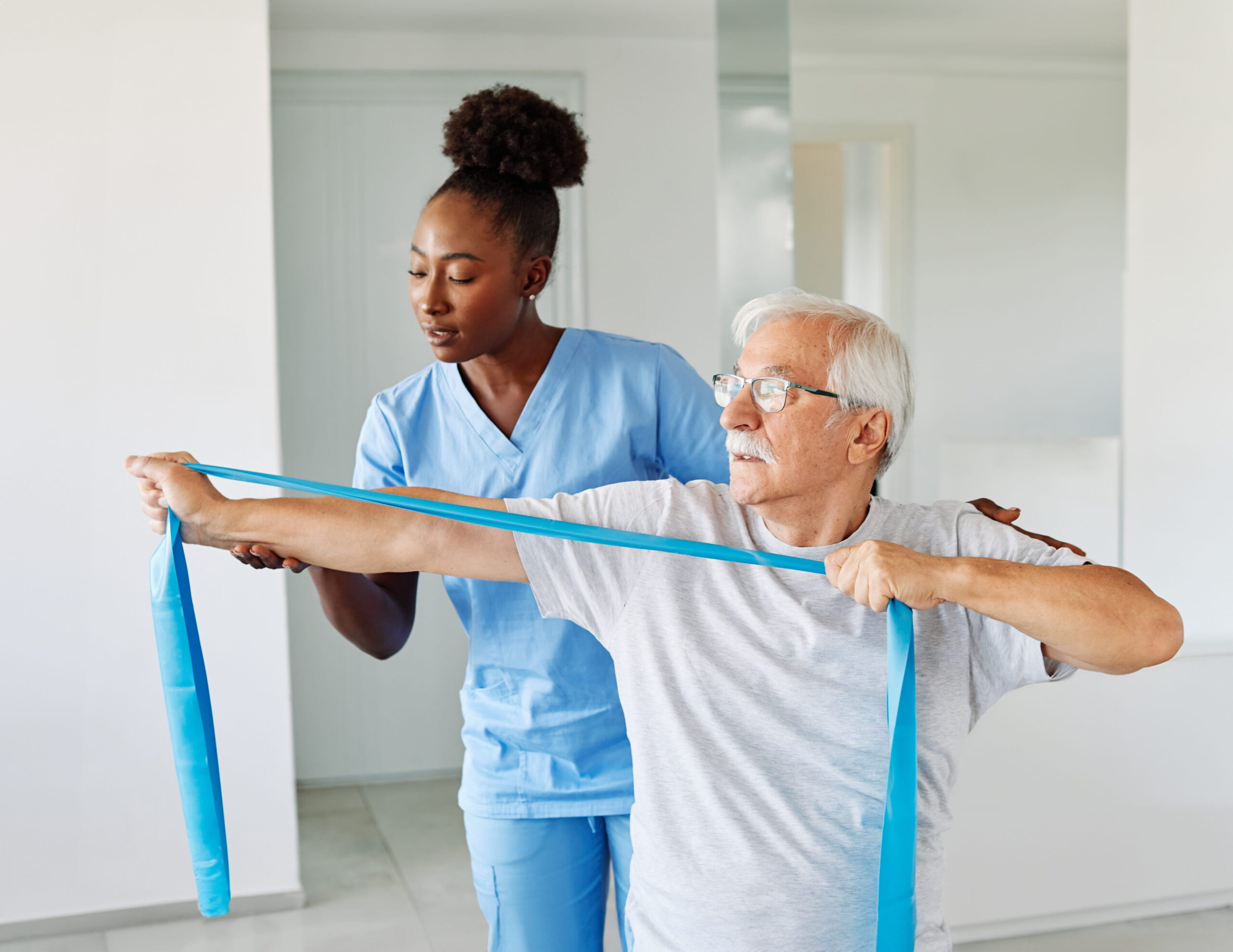
Low-impact resistance training offers seniors a safe, effective way to build strength without putting excessive strain on joints or risking injury. These techniques focus on gentle, controlled movements that maximize muscle engagement while minimizing stress on the body.
Understanding Low-Impact Resistance Training
Unlike high-intensity workouts, low-impact resistance training prioritizes smooth, deliberate movements that work muscles effectively while protecting vulnerable joints. The key is creating muscle tension without sudden, jarring motions.
Essential Low-Impact Resistance Tools
- Resistance Bands: Flexible, versatile, and incredibly joint-friendly
- Light Hand Weights: 1-3 pound dumbbells for controlled strength building
- Stability Balls: Enhance core engagement and balance
- Water Weights: Provide smooth, fluid resistance
Technique Principles for Safe Resistance Training
- Slow, Controlled Movements: Focus on smooth motion, not speed
- Proper Breathing: Exhale during exertion, inhale during relaxation
- Correct Posture: Maintain alignment to prevent unnecessary strain
- Gradual Progression: Incrementally increase resistance and repetitions
“Resistance is not about fighting your body, but working in harmony with it.” – Senior Fitness Expert
Sample Low-Impact Resistance Exercises
- Seated Resistance Band Pulls:
- Anchor band under chair seat
- Pull band towards chest
- Maintain smooth, controlled motion
- Wall Push-Ups:
- Stand arm’s length from wall
- Perform gentle push-ups against wall
- Reduces joint stress compared to floor push-ups
Monitoring Intensity and Progress
The “Talk Test” is an excellent way to ensure you’re working at the right intensity:
- If you can speak comfortably, increase resistance slightly
- If you’re breathless, reduce intensity
- Aim for a challenging but manageable workout
A recent study highlighted that seniors who engage in consistent, low-impact resistance training can improve muscle strength by up to 30% within 12 weeks, demonstrating the remarkable adaptability of the aging body.
Your body is capable of incredible transformations—respect its pace, listen to its signals, and celebrate every small victory.
Pro tip: Consider working with a professional home care service that can provide personalized guidance and ensure you’re performing exercises safely and effectively.
Safety Considerations and Modifications
When it comes to strength exercises for seniors, safety isn’t just a recommendation—it’s an absolute necessity. Understanding potential risks and implementing smart modifications can transform your fitness journey from potentially dangerous to genuinely empowering.
Pre-Exercise Health Screening
Before beginning any strength training program, a comprehensive health assessment is crucial. This isn’t about limitation—it’s about creating a personalized, safe approach to fitness.
- Consult with your primary care physician
- Review current medical conditions
- Discuss medication interactions
- Get clearance for physical activity
- Consider a professional fitness assessment
Critical Safety Modification Strategies
Every senior’s body is unique, requiring individualized adaptations to standard exercises. Here are key modifications to ensure safe strength training:
- Range of Motion Adjustments:
- Reduce exercise range if experiencing joint discomfort
- Use partial movements instead of full extensions
- Focus on comfortable, pain-free motion
- Resistance Level Management:
- Start with minimal weights or resistance
- Gradually increase intensity
- Listen to your body’s signals
“Safety in fitness isn’t about avoiding challenge—it’s about intelligent adaptation.” – Senior Fitness Expert
Pain Management and Warning Signs
Understanding the difference between muscle fatigue and potential injury is critical. Here are red flags to watch for during strength exercises:
- Sharp, sudden pain
- Persistent joint discomfort
- Unusual muscle weakness
- Dizziness or lightheadedness
- Shortness of breath beyond normal exertion
Essential Safety Equipment
Invest in tools that enhance your workout safety:
- Non-slip exercise mats
- Stable chairs with armrests
- Supportive, comfortable clothing
- Lightweight, adjustable resistance bands
- Water bottle for hydration
Professional Support Recommendations
Consider these supportive resources to ensure safe strength training:
- Work with a certified senior fitness specialist
- Explore professional home care services with fitness expertise
- Join supervised senior fitness classes
- Use technology like fitness tracking apps designed for seniors
Remember, the goal of strength training isn’t perfection—it’s progressive, safe improvement in your overall functional abilities.
Pro tip: A professional home care service can provide personalized guidance, ensuring your strength exercises are both safe and effective.
Tracking Progress and Adjusting Your Routine
Tracking your strength training progress isn’t just about numbers—it’s about celebrating your journey and understanding your body’s remarkable adaptability. By implementing strategic tracking methods, you’ll transform your fitness routine from a guessing game into a personalized roadmap of empowerment.
Creating Your Fitness Tracking System
Effective progress tracking goes beyond simple repetition counts. Consider developing a comprehensive monitoring approach:
- Physical Performance Metrics:
- Number of repetitions completed
- Weight or resistance levels
- Range of motion improvements
- Recovery time between exercises
- Functional Ability Indicators:
- Ease of daily activities
- Improved balance
- Reduced pain levels
- Enhanced mobility
“Progress is not measured by what you do, but by how your body transforms and adapts.” – Senior Fitness Wisdom
Recommended Tracking Tools
Capture your fitness journey with these user-friendly options:
- Fitness Journal: A simple notebook to log exercises and observations
- Smartphone Apps: Senior-friendly fitness tracking applications
- Wearable Fitness Trackers: Designed with senior-specific features
- Periodic Professional Assessments: Quarterly check-ins with fitness specialists
When and How to Adjust Your Routine
Adaptation is the key to continued progress. Look for these signals suggesting it’s time to modify your strength training approach:
- Exercises become consistently easy
- Plateauing in strength or mobility improvements
- Increased energy and reduced fatigue
- Changes in overall health status
Flexible Progression Strategies
Smart progression means gradual, thoughtful adjustments:
- Incremental Resistance Increases:
- Raise weight by 10-15% when current level feels comfortable
- Add 1-2 extra repetitions per set
- Introduce slight variations in exercise technique
- Recovery-Focused Modifications:
- Increase rest periods between sets
- Alternate intensity levels
- Incorporate more recovery-focused exercises
Your strength training journey is uniquely yours. Embrace progress at your own pace, celebrating every milestone along the way.
Professional Guidance Matters
While self-tracking is valuable, professional input can provide nuanced insights. Consider periodic consultations with:
- Senior fitness specialists
- Physical therapists
- Professional home care services with fitness expertise
Pro tip: Remember that progress isn’t linear. Some weeks you’ll feel stronger, others might feel more challenging. The key is consistent, compassionate effort towards your health and well-being.
Customizing strength exercises for seniors with limited mobility requires patience, understanding, and a personalized approach. By focusing on safe, adaptive techniques, seniors can maintain muscle strength, improve balance, and enhance overall quality of life. Remember, every small movement counts towards better health and independence.