
Personal Hygiene Assistance for Seniors
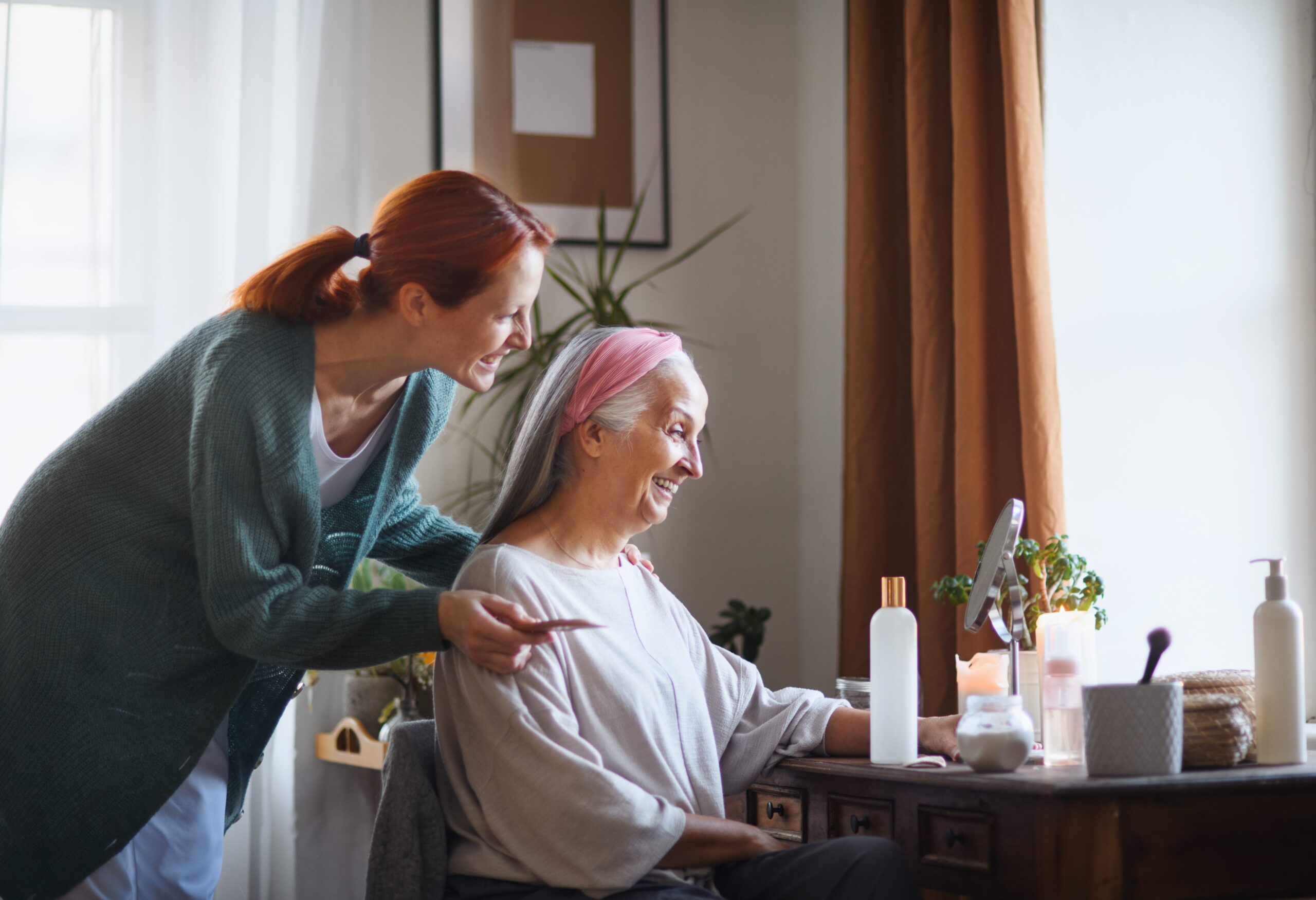
Maintaining personal hygiene is more than just a routine—it’s a critical aspect of dignity, health, and well-being for seniors. As our loved ones age, simple daily tasks like bathing, grooming, and dressing can become challenging, transforming what was once a mundane activity into a complex and sensitive process. Understanding the nuanced needs of elderly individuals requires compassion, patience, and professional non-medical home care support.
Personal hygiene assistance goes far beyond keeping clean. It’s about preserving independence, boosting self-esteem, and preventing potential health complications that can arise from inadequate personal care. For many seniors, the loss of ability to maintain their personal cleanliness can be emotionally devastating, triggering feelings of vulnerability and loss of control. A skilled caregiver doesn’t just help with physical tasks—they provide emotional support, respect, and a sense of dignity during these intimate moments.
The importance of professional personal hygiene assistance cannot be overstated. From preventing skin infections and managing chronic conditions to reducing the risk of falls during bathing, these services are essential in maintaining a senior’s overall health and quality of life. Each interaction is an opportunity to not just clean, but to connect, communicate, and ensure the emotional well-being of our cherished elderly loved ones.
Understanding the Importance of Personal Hygiene for Seniors
Personal hygiene for seniors is far more complex than simply staying clean—it’s a delicate balance of physical health, emotional well-being, and maintaining personal dignity. As we age, our bodies undergo significant changes that can make routine hygiene tasks increasingly challenging and potentially risky.
Physical Challenges in Senior Hygiene
Aging often brings a range of physical limitations that can impact personal cleanliness. Reduced mobility, arthritis, decreased muscle strength, and balance issues can transform a simple shower into an obstacle course. These challenges aren’t just inconvenient—they can pose serious safety risks.
- Decreased flexibility making reaching and washing difficult
- Reduced muscle strength for standing or maintaining balance
- Potential cognitive changes affecting personal care routines
- Increased risk of slips and falls during bathing
Health Implications Beyond Cleanliness
Proper personal hygiene assistance isn’t just about looking neat—it’s a critical preventative healthcare strategy. Unaddressed hygiene can lead to numerous health complications that many people overlook.
“Maintaining personal hygiene is like preventative maintenance for the human body—regular care prevents larger, more complex issues down the line.” – Compassionate Caregivers Healthcare Team
Psychological and Emotional Dimensions
Beyond physical health, personal hygiene profoundly impacts a senior’s psychological well-being. Loss of independence in self-care can trigger feelings of embarrassment, frustration, and diminished self-worth. Professional hygiene assistance provides more than physical support—it offers emotional restoration and preserves personal dignity.
By recognizing these multifaceted challenges, families and caregivers can approach personal hygiene with the nuanced, compassionate perspective it truly deserves. It’s not just about cleaning—it’s about caring, supporting, and maintaining the fundamental human right to dignity and respect.
Common Hygiene Challenges Faced by Elderly Individuals
As seniors navigate the complex landscape of aging, personal hygiene becomes a minefield of physical, psychological, and practical challenges. What once seemed like a simple morning routine can transform into an overwhelming obstacle course that tests both physical capabilities and emotional resilience.
Physical Mobility Limitations
One of the most significant hurdles in senior personal hygiene assistance is reduced physical mobility. Conditions like arthritis, muscle weakness, and balance disorders can make routine tasks feel like climbing Mount Everest. Imagine trying to reach your back while showering when your joints ache with every movement—it’s not just difficult, it’s potentially dangerous.
- Stiff joints making washing challenging
- Limited range of motion for thorough cleaning
- Increased risk of slipping or falling in wet environments
- Difficulty managing buttons, zippers, and clothing fasteners
Sensory and Cognitive Changes
Aging doesn’t just affect physical abilities—it can dramatically alter sensory perception and cognitive function. Reduced sensitivity to temperature, diminished eyesight, and potential memory issues can complicate personal hygiene routines. A senior might not realize water is too hot, forget to change clothes, or struggle to remember their last bath.
“Hygiene assistance is about understanding the individual, not just completing a task. Each person has unique needs and dignity that must be respected.” – Compassionate Caregivers Healthcare Team
Skin and Health Vulnerabilities
As we age, our skin becomes more delicate and prone to complications. Seniors are at higher risk of:
- Increased skin fragility and easier bruising
- Higher susceptibility to infections
- Slower wound healing
- Greater risk of skin conditions like dermatitis
These challenges underscore why professional hygiene assistance for elderly isn’t just a convenience—it’s a critical component of comprehensive senior care. Understanding these nuanced challenges allows caregivers to provide compassionate, personalized support that preserves both physical health and personal dignity.
By recognizing and addressing these complex hygiene challenges, we can help seniors maintain their independence, confidence, and quality of life—one carefully supported bath, grooming session, and personal care moment at a time.
Physical Health Risks of Inadequate Personal Hygiene
When personal hygiene falls by the wayside for seniors, the consequences extend far beyond mere discomfort—they can trigger a cascade of serious health risks that compromise overall well-being. Understanding these risks is crucial for families and caregivers committed to providing comprehensive personal hygiene assistance.
Skin Infections and Complications
Neglected personal hygiene creates a perfect breeding ground for potentially dangerous skin conditions. Seniors with compromised immune systems are particularly vulnerable to:
- Bacterial infections like cellulitis
- Fungal growth, including persistent yeast infections
- Recurring skin rashes and dermatitis
- Pressure ulcers from improper cleaning and moisture management
“Prevention is always easier than treatment. Regular, thorough hygiene can prevent weeks of medical complications.” – Compassionate Caregivers Healthcare Team
Urinary and Reproductive Health Risks
Poor personal cleanliness dramatically increases the risk of urinary tract infections (UTIs) and other intimate health complications. For seniors, these aren’t just uncomfortable—they can lead to serious systemic infections that may require hospitalization.
Specific risks include:
- Increased vulnerability to urinary tract infections
- Higher likelihood of bacterial growth
- Potential for kidney complications
- Compromised reproductive health
Systemic Health Implications
The ripple effects of inadequate hygiene assistance for elderly can extend far beyond localized skin or urinary issues. Unmanaged personal hygiene can contribute to:
- Weakened immune system responses
- Increased inflammation markers
- Higher susceptibility to communicable diseases
- Potential acceleration of chronic health conditions
Professional personal care isn’t just about cleanliness—it’s a critical preventative healthcare strategy. By addressing hygiene comprehensively, caregivers can help seniors maintain not just external cleanliness, but fundamental health and dignity.
Remember, each hygiene interaction is an opportunity to monitor overall health, detect potential issues early, and provide compassionate, dignified support. It’s about seeing the person, not just the task.
Psychological and Emotional Benefits of Hygiene Support
Personal hygiene assistance transcends physical cleanliness—it’s a profound emotional lifeline that restores dignity, self-esteem, and a sense of personal identity for seniors. When professional caregivers approach hygiene support with genuine compassion, they do more than clean; they validate an individual’s inherent worth and emotional landscape.
Preserving Personal Dignity
Losing the ability to independently manage personal care can be emotionally devastating. For many seniors, each assisted bathing or grooming session represents a vulnerable moment that requires extraordinary sensitivity. Professional hygiene assistance becomes a delicate dance of maintaining respect, privacy, and personal autonomy.
“Dignity isn’t about perfection—it’s about being treated with compassion, respect, and understanding, especially during life’s most intimate moments.” – Compassionate Caregivers Healthcare Team
Emotional Restoration and Self-Confidence
Regular, supportive personal hygiene can dramatically boost a senior’s emotional well-being. When individuals feel clean, well-groomed, and cared for, they experience:
- Enhanced self-esteem and personal pride
- Reduced feelings of vulnerability
- Increased social engagement and confidence
- A sense of continued personal identity
Combating Social Isolation
Poor personal hygiene can inadvertently lead to social withdrawal. Seniors who struggle with self-care might feel embarrassed or anxious about interactions, leading to potential isolation. Professional hygiene assistance for elderly helps break this cycle by:
- Ensuring consistent, comfortable personal care
- Boosting confidence for social interactions
- Providing gentle, non-judgmental support
- Creating opportunities for positive human connection
Effective hygiene support is an art form that requires empathy, patience, and a deep understanding of each individual’s unique emotional landscape. It’s about recognizing that behind every bathing routine, every grooming session, there’s a human story waiting to be honored—a story of resilience, dignity, and continued personal worth.
By approaching personal hygiene as more than a task—but as an opportunity for emotional healing and connection—caregivers can truly transform a senior’s quality of life. It’s not just about staying clean; it’s about helping individuals feel seen, valued, and respected.
Professional Personal Hygiene Assistance: A Compassionate Approach
Professional personal hygiene assistance is an intricate blend of clinical expertise, emotional intelligence, and genuine human compassion. It’s not just about completing a task, but about creating a supportive, dignified experience that honors the individual’s unique needs and personal history.
Tailored Care Strategies
Every senior is unique, and so should be their personal hygiene support. Professional caregivers develop personalized approaches that consider:
- Individual physical capabilities
- Personal comfort levels
- Cultural and personal preferences
- Specific medical conditions
“Compassionate care means seeing the person, not just the task. It’s about preserving dignity through every interaction.” – Compassionate Caregivers Healthcare Team
Training and Expertise
Professional personal hygiene assistance requires extensive training that goes beyond basic cleaning techniques. Caregivers are educated in:
- Specialized medical understanding
- Psychological sensitivity
- Safe handling techniques
- Communication strategies
Creating a Comfortable Environment
Successful hygiene support is about creating an atmosphere of trust, respect, and comfort. This involves:
- Maintaining privacy and modesty
- Using gentle, reassuring communication
- Allowing seniors to participate as much as possible
- Adapting techniques to individual comfort levels
The goal of professional hygiene assistance for elderly isn’t just cleanliness—it’s about maintaining a sense of self-respect, independence, and emotional well-being. By approaching each interaction with empathy, skill, and genuine care, caregivers can transform a potentially challenging experience into a moment of connection and dignity.
Remember, great personal hygiene support is an art form that requires more than technical skills—it demands heart, understanding, and a deep respect for the human experience of aging.
Personal hygiene assistance is not just a service—it’s a compassionate commitment to maintaining an elderly individual’s health, dignity, and quality of life. By understanding and addressing hygiene needs with empathy and expertise, we can help our seniors age with grace, comfort, and respect.