
Crafts that Seniors Will Love: Exploring Hobby and Craft Engagement for Seniors
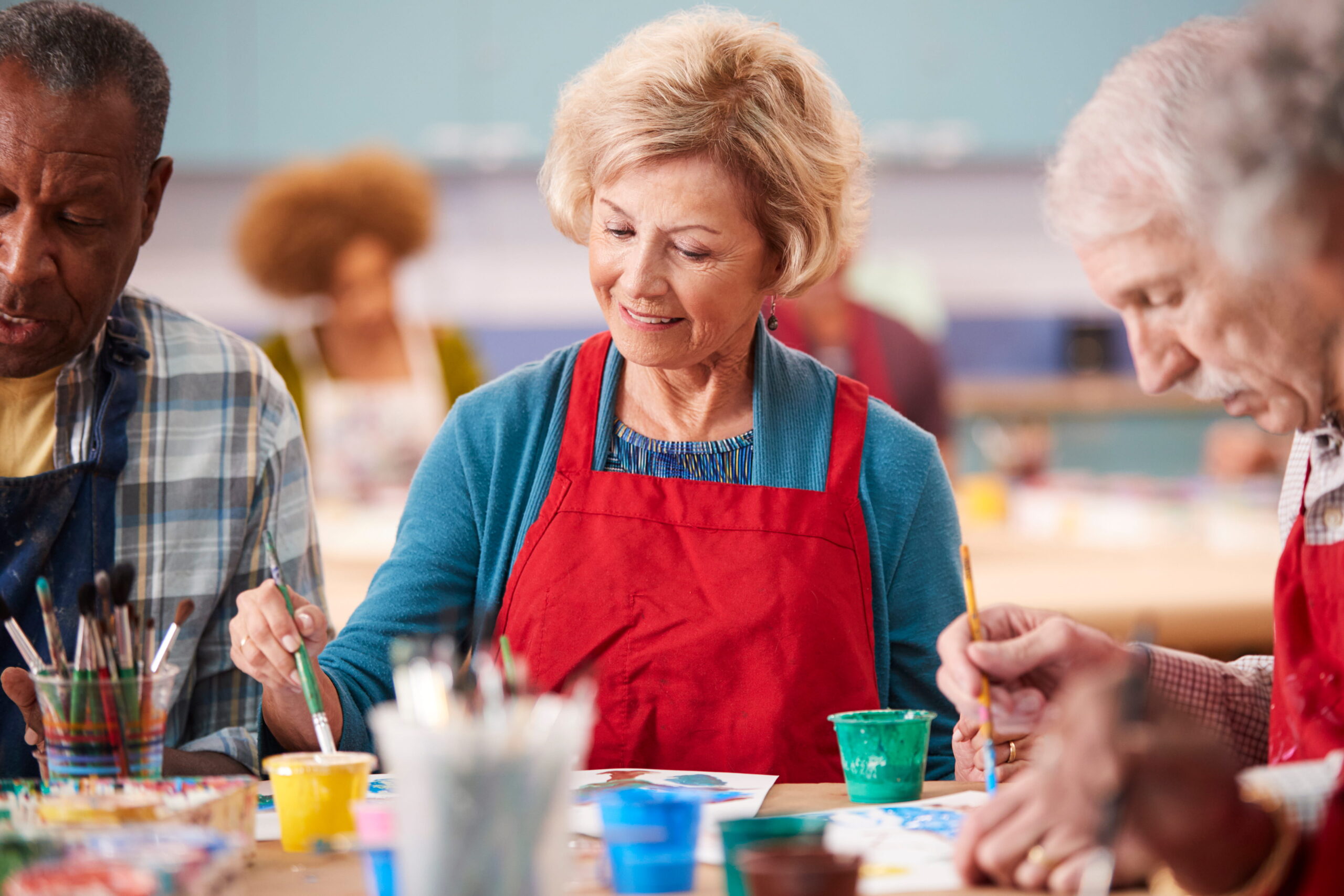
As we journey through the golden years, staying mentally and emotionally engaged becomes increasingly important. Crafting isn’t just about creating beautiful objects—it’s a powerful way to stimulate cognitive function, express creativity, and find joy in meaningful activities.
At Compassionate Caregivers, we’ve discovered that hobby and craft engagement for seniors can be a transformative experience that goes far beyond simple pastime.
Imagine unlocking a world of creativity that keeps the mind sharp, the hands busy, and the spirit young. Crafting isn’t just about the end product—it’s about the journey of discovery, the sense of accomplishment, and the pure joy of learning something new. Whether you’re a senior looking to explore new horizons or a caregiver seeking engaging activities, these lesser-known crafts can be a game-changer in maintaining mental acuity and emotional well-being.
“Creativity is ageless. It’s not about perfection, but about the joy of expression and the connection it brings.” – Anonymous
Our carefully curated list goes beyond traditional crafts, offering unique and exciting ways to spark creativity, challenge the mind, and bring a sense of purpose to daily life. Get ready to explore some unexpected and delightful craft activities that can transform the senior experience!
1. Zentangle: Meditative Art for Mindful Creativity
Zentangle isn’t just another art form—it’s a meditative journey that transforms simple patterns into intricate, mesmerizing artwork. Perfect for seniors seeking cognitive engagement and stress relief, this methodical drawing technique breaks complex designs into manageable, repetitive patterns that anyone can master.
What Makes Zentangle Special?
- No artistic experience required
- Low physical demand
- Promotes relaxation and mindfulness
- Boosts hand-eye coordination
Imagine creating beautiful, intricate designs using nothing more than a pen and paper. Each stroke becomes a deliberate, calming movement that quiets the mind and allows creativity to flow naturally. Zentangle is like meditation in motion—each pattern is a small, structured step that builds into something unexpectedly beautiful.
“In Zentangle, there are no mistakes, only unexpected opportunities for creativity.” – Rick Roberts, Zentangle Method Founder
For seniors looking to explore engaging activities that support cognitive health, Zentangle offers a perfect blend of mental stimulation and artistic expression. It requires minimal supplies—just a pen, paper, and a willingness to explore—making it accessible for seniors with varying mobility levels.
Getting Started is Easy
- Obtain basic drawing supplies
- Learn fundamental patterns (called “tangles”)
- Practice structured, repetitive drawing techniques
- Gradually develop more complex designs
Pro tip: Many community centers and senior care programs now offer Zentangle workshops. These classes provide structured guidance and a wonderful social opportunity to learn and create together.
2. Terrarium Building: A Miniature World of Green
Imagine creating an entire miniature ecosystem right in the palm of your hands—that’s the magic of terrarium building! This delightful craft offers seniors a unique opportunity to explore gardening, design, and nature’s intricate beauty without requiring extensive physical exertion or outdoor space.
Terrariums are like tiny, self-contained gardens that bring the beauty of nature indoors. They’re perfect for seniors who love plants but might have limited mobility or garden space. With just a few simple materials, you can design a living piece of art that thrives with minimal maintenance.
Why Terrariums are Perfect for Seniors
- Low physical effort required
- Adaptable to different skill levels
- Provides sensory engagement
- Can be created in small spaces
- Offers a sense of nurturing and growth
The beauty of terrarium building lies in its versatility. Whether you prefer succulents, tropical plants, or a mix of moss and miniature figurines, each terrarium becomes a unique expression of creativity. It’s like painting a landscape, but instead of brushes, you use living plants and decorative elements.
“In every tiny terrarium, there’s a world waiting to be discovered—a reminder that beauty can flourish in the smallest of spaces.” – Gardening Enthusiast
Simple Steps to Create Your Miniature Ecosystem
- Select a clear glass container
- Add drainage layers (pebbles, activated charcoal)
- Create a soil layer
- Choose and plant compatible plants
- Add decorative elements like small rocks or figurines
- Mist and maintain your miniature garden
For seniors looking to explore engaging activities that stimulate creativity, terrarium building offers a perfect blend of horticultural therapy and artistic expression. It’s not just about creating a decoration—it’s about nurturing life, understanding ecosystems, and finding joy in small, beautiful details.
Pro tip: Many local garden centers and community workshops offer terrarium-building classes tailored for seniors. These sessions provide guidance, social interaction, and the opportunity to learn a fascinating new skill.
3. Needle Felting: Sculpting with Wool
Needle felting is like magic—transforming soft, fluffy wool into charming three-dimensional sculptures using nothing more than special barbed needles and your imagination. This delightful craft offers seniors a tactile, creative experience that’s both soothing and incredibly satisfying.
Unlike traditional crafts that require extensive skill, needle felting welcomes beginners with open arms. With just a few simple tools and some colorful wool roving, you can create adorable animal figures, whimsical characters, or decorative ornaments that showcase your unique artistic vision.
Why Needle Felting is a Senior-Friendly Craft
- Improves fine motor skills
- Low physical intensity
- Minimal equipment required
- Allows for creative expression
- Provides a sense of accomplishment
“Needle felting is like sculpting with clouds—soft, forgiving, and full of endless possibilities.” – Fiber Arts Enthusiast
The process is surprisingly meditative. As you repeatedly punch the special felting needle into soft wool, the barbs tangle the fibers, gradually transforming loose wool into compact, sculptural forms. It’s a rhythmic, almost hypnotic activity that can be both relaxing and engaging.
Getting Started: Your Needle Felting Toolkit
- Felting needles (various sizes)
- Wool roving in different colors
- Foam padding
- Optional: Safety finger guards
For seniors seeking cognitive engagement through creative activities, needle felting offers a perfect blend of mental stimulation and hands-on crafting. Each project becomes a journey of transformation—watching loose wool slowly take shape into recognizable forms is nothing short of magical.
Safety tip: While needle felting is generally safe, it’s essential to work slowly and use finger guards, especially for seniors with reduced hand dexterity. Many home care professionals can help set up a comfortable crafting space and provide gentle guidance.
Pro tip: Local craft stores and community centers often offer needle felting workshops specifically designed for seniors. These classes provide structured learning, social interaction, and the joy of creating something beautiful with your own hands.
4. Paper Quilling: Intricate Art of Paper Scrolls
Paper quilling transforms ordinary paper strips into extraordinary works of art through delicate rolling, shaping, and arranging techniques. This centuries-old craft originated in Renaissance Europe, where nuns and monks would use gilded paper edges from religious texts to create intricate decorative designs—proving that creativity knows no age limits!
Imagine turning simple paper strips into elegant flowers, mesmerizing landscapes, or personalized greeting cards—all with just your fingers and a basic quilling tool. It’s a craft that demands patience, precision, and a gentle touch, making it perfect for seniors looking to enhance fine motor skills and express artistic creativity.
Why Paper Quilling is Perfect for Senior Crafters
- Improves hand dexterity and coordination
- Low physical strain
- Minimal equipment required
- Offers endless design possibilities
- Can be done seated comfortably
“Paper quilling is like choreographing a dance with paper—each curl and loop tells a unique story.” – Craft Historian
The magic of paper quilling lies in its simplicity and complexity. Using a specialized tool, you roll paper strips into various shapes—tight coils, loose loops, teardrops, and scrolls—then arrange these elements into stunning compositions. It’s a craft that rewards both precision and creativity, allowing seniors to create everything from delicate greeting cards to framed artwork.
Essential Paper Quilling Toolkit
- Quilling tool or toothpick
- Colored paper strips
- Tweezers
- Glue
- Mounting board or cardstock
For seniors seeking cognitive engagement through creative activities, paper quilling offers a perfect blend of mental focus and artistic expression. Each project becomes a meditation in motion—carefully rolling, shaping, and assembling paper elements into breathtaking designs.
Therapeutic benefits extend beyond the artwork itself. The repetitive, structured nature of quilling can be incredibly calming, helping reduce stress and providing a sense of accomplishment. Many seniors find the process both relaxing and stimulating, offering a wonderful way to keep minds active and spirits high.
Pro tip: Local art centers and community programs often offer paper quilling workshops tailored for seniors. These classes provide structured learning, social interaction, and the opportunity to learn this fascinating craft from experienced instructors.
Safety recommendation: For seniors with arthritis or limited hand mobility, consider using ergonomic quilling tools and taking frequent breaks. In-home care professionals can help set up a comfortable crafting environment and provide gentle support.
5. Rock Painting: Transforming Natural Canvases
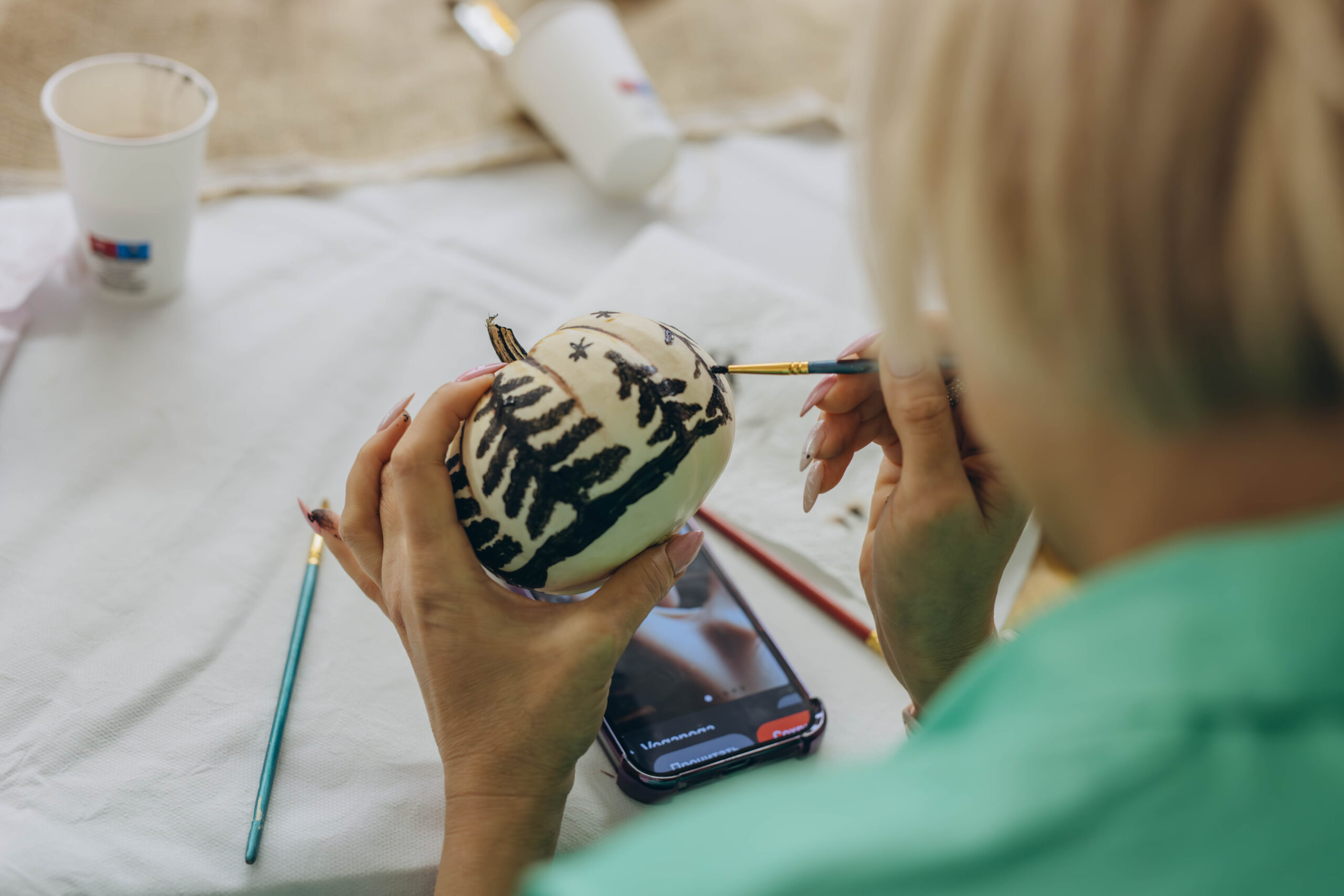
Rock painting is a delightful craft that transforms ordinary stones into miniature masterpieces, offering seniors a unique and accessible way to explore creativity. What began as a simple hobby has blossomed into a global art movement that connects people through colorful, personalized stones left in public spaces to spread joy and inspiration.
Imagine walking through a park and discovering a beautifully painted rock with an inspiring message or intricate design—that’s the magic of rock painting. It’s more than just an art project; it’s a way to create unexpected moments of connection and happiness in the world around us.
Why Rock Painting is Perfect for Senior Crafters
- Requires minimal physical effort
- Can be done indoors or outdoors
- Connects with nature
- Allows for unlimited creativity
- Provides a sense of purpose and community
“Every rock tells a story—and with a little paint, you become the storyteller.” – Craft Enthusiast
The beauty of rock painting lies in its simplicity and accessibility. Seniors can collect smooth stones from their garden, local park, or even purchase them from craft stores. With just a few basic supplies, these natural canvases become portals for artistic expression, therapeutic creativity, and potential community engagement.
Essential Rock Painting Toolkit
- Acrylic paints
- Smooth rocks
- Fine-tipped brushes
- Sealant or clear varnish
- Optional: Stencils or painting guides
For seniors seeking cognitive engagement through creative activities, rock painting offers a perfect blend of artistic expression and mindful concentration. The process of carefully selecting colors, designing patterns, and bringing a stone to life can be incredibly therapeutic and rewarding.
Many communities have embraced “kindness rock gardens” and rock painting groups, where people create and hide decorated stones for others to find. This adds a delightful social dimension to the craft, allowing seniors to feel connected to their community and spread joy through their artwork.
Pro tip: Local parks, community centers, and home care programs often organize rock painting workshops specifically designed for seniors. These sessions provide guidance, social interaction, and a chance to learn new techniques while creating beautiful, meaningful art.
Safety recommendation: For seniors with limited hand mobility, consider using larger rocks, ergonomic brushes, and taking frequent breaks. Adaptive painting tools can make the experience more comfortable and enjoyable.
Whether you’re creating intricate mandala designs, cute animal characters, or inspirational messages, rock painting offers a beautiful way to express creativity, connect with others, and find joy in the simplest of artistic endeavors.
6. Digital Scrapbooking: Modern Memory Preservation
Digital scrapbooking offers seniors a modern twist on traditional memory preservation, transforming cherished photographs and life stories into stunning digital keepsakes. Unlike traditional scrapbooking, this tech-friendly craft eliminates the need for complex cutting, messy glue, and physical storage challenges—making it an ideal creative outlet for seniors comfortable with basic technology.
Imagine having an entire lifetime of memories beautifully organized, enhanced, and easily shared with just a few clicks. Digital scrapbooking isn’t just about creating albums; it’s about weaving personal narratives, preserving family history, and connecting generations through technology.
Why Digital Scrapbooking is Perfect for Senior Crafters
- No physical strain or complicated materials
- Easy to edit and modify
- Can be shared instantly with family
- Preserves memories in high-quality digital format
- Allows creative expression through technology
“Digital scrapbooking is like time travel—capturing memories with the click of a button and preserving stories for generations to come.” – Digital Storytelling Expert
The beauty of digital scrapbooking lies in its accessibility. With user-friendly apps and websites like Canva, Adobe Spark, and Shutterfly, seniors can create professional-looking albums without needing advanced technical skills. It’s a craft that bridges generational gaps, allowing older adults to embrace technology while telling their unique life stories.
Essential Digital Scrapbooking Toolkit
- Computer or tablet
- Digital photo collection
- Scrapbooking software or app
- Scanner (optional)
- External hard drive for backup
For seniors seeking cognitive engagement through creative activities, digital scrapbooking offers an excellent blend of technological learning and emotional storytelling. Each project becomes a journey through personal memories, requiring focus, creativity, and technological exploration.
Many home care professionals now offer technology assistance to help seniors get started with digital scrapbooking. These sessions can transform what might seem like a daunting task into an enjoyable, empowering experience.
Pro tip: Look for local library or community center workshops that teach digital scrapbooking specifically designed for seniors. These classes provide structured learning, social interaction, and the opportunity to learn new technological skills in a supportive environment.
Safety recommendation: Ensure proper ergonomic setup with comfortable seating, good lighting, and potential adaptations like larger screens or voice-to-text features to make digital scrapbooking comfortable and enjoyable.
Whether you’re documenting family history, creating themed memory books, or simply exploring a new creative outlet, digital scrapbooking offers seniors a powerful way to preserve memories, engage with technology, and express their unique life stories.
7. Macramé: Knotting Art for Modern Decor
Macramé isn’t just a craft—it’s a textile art form that transforms simple cords into stunning decorative pieces, weaving together intricate knots that create everything from wall hangings to plant holders. This versatile craft, which experienced a massive revival in the 1970s, is now making a remarkable comeback, offering seniors a perfect blend of creative expression and functional artistry.
Imagine transforming ordinary cotton or hemp cord into elegant home decor with nothing more than your hands and a few basic techniques. Macramé provides a wonderfully tactile and meditative crafting experience that engages both mind and hands, making it an ideal hobby for seniors looking to explore their creative potential.
Why Macramé is Perfect for Senior Crafters
- Improves hand dexterity and coordination
- Low physical intensity
- Creates beautiful, functional art pieces
- Requires minimal equipment
- Offers endless design possibilities
“Macramé is like creating poetry with knots—each twist and turn tells a unique story.” – Textile Arts Expert
The beauty of macramé lies in its simplicity and versatility. Using basic knot-tying techniques like square knots, half-hitches, and spiral knots, seniors can create everything from delicate plant hangers to intricate wall decorations. It’s a craft that rewards patience, precision, and creativity—perfect for those looking to challenge their minds and create something beautiful.
Essential Macramé Toolkit
- Macramé cord (cotton or hemp)
- Scissors
- Measuring tape
- Mounting ring or wooden dowel
- Tape or clipboard for securing work
For seniors seeking cognitive engagement through creative activities, macramé offers a perfect blend of mental focus and artistic expression. The repetitive nature of knotting can be incredibly meditative, helping to reduce stress while keeping hands and mind actively engaged.
Therapeutic benefits extend beyond the artwork itself. Learning and mastering different knot techniques provides a sense of accomplishment, while creating beautiful pieces offers a tangible representation of skill and creativity. Many seniors find macramé to be a deeply satisfying way to express themselves artistically.
Pro tip: Local craft stores and community centers often offer macramé workshops tailored for seniors. These classes provide structured learning, social interaction, and the opportunity to learn this fascinating craft from experienced instructors.
Safety recommendation: For seniors with arthritis or limited hand mobility, consider using lighter-weight cords and taking frequent breaks. In-home care professionals can help set up a comfortable crafting environment and provide gentle support.
Whether you’re creating a bohemian wall hanging, a stylish plant hanger, or a decorative table runner, macramé offers seniors a wonderful way to explore creativity, produce beautiful home decor, and enjoy a deeply satisfying crafting experience.
Engaging in creative activities is more than just a pastime—it’s a pathway to maintaining cognitive function, expressing individuality, and finding joy in the golden years. These lesser-known crafts offer seniors diverse opportunities to explore, learn, and create, proving that creativity knows no age limit.